Key Takeaways
Choosing the optimal engine influences everything from fuel economy to long-term ownership costs and vehicle capability.
- Understand your typical driving environment and primary usage goals.
- Match engine displacement and configuration to your power needs.
- Consider how fuel type impacts both performance and maintenance costs.
- Balance horsepower and torque with realistic fuel efficiency expectations.
- Research reliability and serviceability before committing to a platform.
Assessing your primary driving needs
Selecting a vehicle powerplant requires a candid evaluation of how you actually spend your time on the road. It is easy to get swept up in brochure statistics, but those numbers mean little if the engine does not align with your daily patterns.
Commuting and daily urban driving requirements
For most city dwellers, a smaller displacement engine often provides the best balance. You likely do not need massive torque for stop-and-go traffic, so prioritizing smooth throttle response helps minimize frustration in congested routes.
Towing and heavy-duty utility demands
Hauling trailers or heavy gear requires significant torque at lower RPMs to avoid stress on the drivetrain. Without the right engine architecture, utility vehicles often feel strained and struggle to maintain speed on inclines or when fully loaded.
Off-road and recreational travel expectations
Venturing away from pavement demands reliability and consistent power delivery in challenging conditions. You should look for configurations that handle high engine temperatures and diverse altitudes without compromising vehicle stability or response.
Evaluating engine fuel types
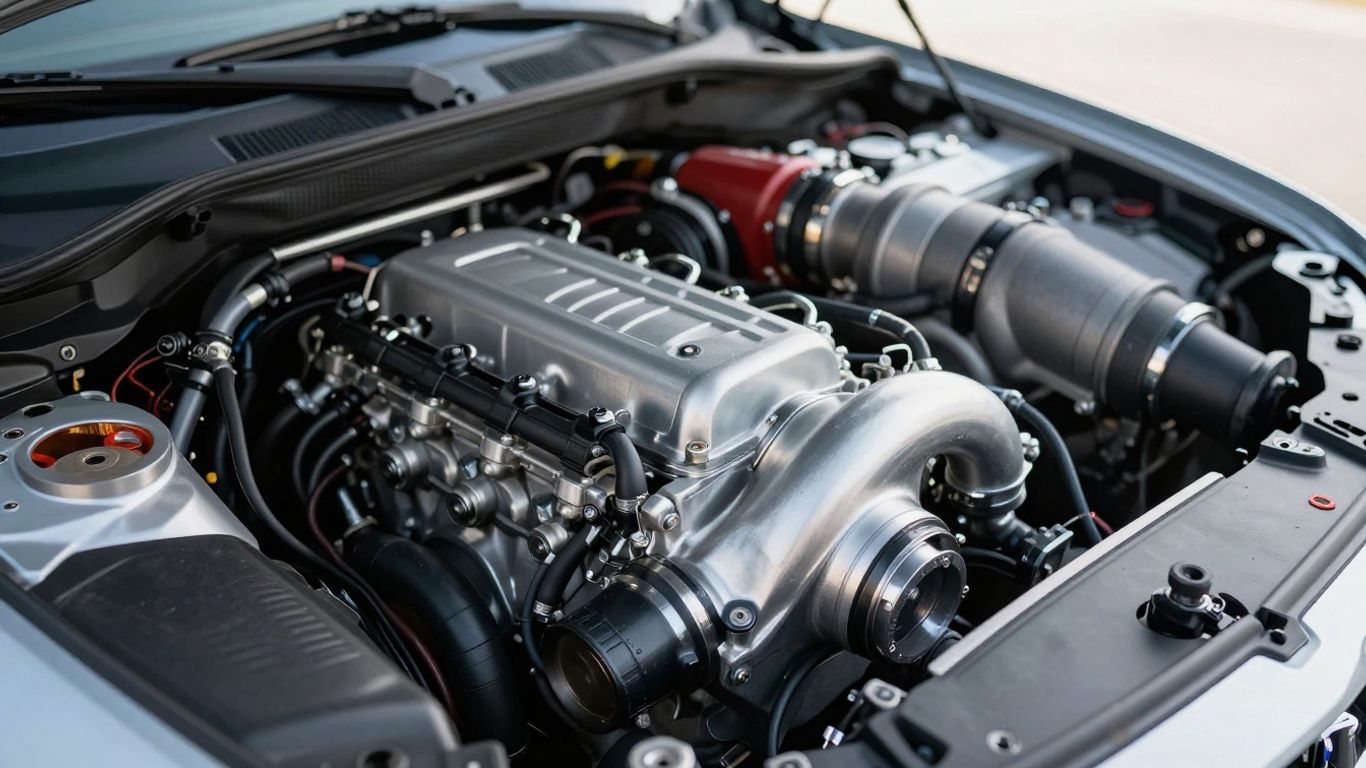
Finding the right propulsion system depends on your access to refueling infrastructure and your willingness to manage specific maintenance needs. Each fuel type carries distinct implications for the driving experience and the long-term enjoyment of your vehicle.
Advantages and trade-offs of modern gasoline engines
Gasoline engines remain the standard for their quiet operation and wide availability of service. They generally perform well for both commuting and highway driving, offering a familiar experience that does not require specialized handling for most owners.
Diesel performance for high-torque applications
Diesel powerplants excel when the work gets difficult, providing the pulling power needed for heavy towing. While these engines often command a higher entry price, their efficiency under load provides a functional advantage for those who prioritize utility over pure acceleration.
Hybrid and electric powertrain alternatives for efficiency
Hybrid systems offer an intriguing middle ground by combining internal combustion with electric motors to boost energy recovery. These configurations are particularly effective at optimizing stop-and-go city efficiency while still providing the range of a traditional fuel tank.
Understanding displacement and engine configuration
Engine layout determines more than just how a car accelerates; it alters the fundamental character of the vehicle. When analyzing engine specs, consider how the physical movement of the internal components changes your perception of the chassis.
How cylinder count affects vibration and smoothness
More cylinders generally contribute to a smoother operating cycle because firing pulses overlap more effectively. Engines with fewer cylinders can sometimes feel punchy but may exhibit more noticeable idle vibration unless sophisticated balance shafts are utilized.
Turbocharging versus naturally aspirated power delivery
Turbocharged engines provide a surge of torque that makes vehicles feel quick and responsive without needing a massive displacement. In contrast, naturally aspirated engines offer a very linear power curve, where the effort you put into the pedal translates directly to the speed you gain.
Impact of engine size on vehicle handling and weight
Heavier engines seated over the front axle can significantly alter the balance and turn-in precision of a car. Reducing displacement often lightens the nose, creating a more agile feel that can make an otherwise modest vehicle surprisingly fun to pilot.
Balancing power output against fuel efficiency

Truly mastering how to choose the right engine for my car means accepting that you cannot maximize every metric simultaneously. Finding the perfect equilibrium often involves sacrificing some raw top-end speed in favor of usable daily range and lower operational expenses.
Analyzing horsepower and torque requirements for your lifestyle
It is helpful to contrast your actual needs against typical engine metrics. The following table illustrates how different driving profiles dictate where you should prioritize your focus:
| Usage Profile | Primary Metric | Expected Benefit |
|---|---|---|
| Urban Commute | Horsepower | Ease of merging |
| Heavy Towing | Torque | Hill climbing ability |
| Long Distance | Fuel Economy | Lower travel costs |
Managing fuel mileage expectations in real-world conditions
Manufacturer ratings are helpful baselines, but your local topography and weather play a huge role in fuel consumption. It is worth researching how your specific climate or hill frequency affects the efficiency of the models you are considering.
Calculating the lifetime cost of fuel based on engine specs
Beyond the initial sticker price, the ongoing cost of fueling an engine varies based on its compression ratio and fuel requirements. Some vehicles might offer great initial savings yet require premium fuel, which can nullify your long-term savings over a five-year ownership period.
Considering maintenance and long-term reliability
Maintenance is not just about oil changes; it is about the accessibility of components and the durability of the platform itself. A complex engine might offer better performance, but it may also require more frequent attention from qualified technicians.
Common mechanical issues associated with specific engine platforms
Every engine family develops a reputation for certain tendencies after millions of miles on the road. Investigating common failure points for a specific model year can save you from a major headache down the line when the warranty inevitably expires.
Global availability of parts and ease of service
- Popular engine designs often enjoy better parts availability.
- Simplified layouts make DIY maintenance significantly easier to perform.
- Wide dealer networks ensure that specialized diagnostics are always nearby.
- Standardized fasteners and components keep repair costs more predictable over time.
Having an engine that is widely supported means you are rarely stranded waiting for imported parts. Whether you stick with a proven brand like Toyota, Honda, or Ford, choosing a common architecture generally simplifies the service process.
Estimating service intervals and long-term maintenance costs
Some engines specify very short oil change intervals or require expensive belt replacements that significantly raise the cost of ownership. Comparing these intervals between your top three choices helps clarify which model is the most wallet-friendly over its lifespan.
Making the final decision through a test drive
No amount of reading can replace the visceral experience of putting the vehicle in gear and merging onto a busy road. The test drive is your chance to expose the personality of the engine in a variety of real-world contexts.
Assessing throttle response and acceleration hesitation
During your drive, pay attention to how quickly the engine responds when you tip into the throttle. A slight delay is common in many modern systems, but persistent hesitation can become a major annoyance in day-to-day driving.
Evaluating noise, vibration, and harshness (NVH) levels
Listen closely to the engine note and feel for resonance in the steering wheel or pedals during acceleration. A refined engine should feel composed even when you are working it hard, rather than sounding like it is struggling to keep pace.
Comparing engine performance across varied road conditions
If possible, drive the vehicle on a mix of highways, local streets, and hilly terrain to observe how transmissions and engines communicate. By testing in diverse settings, you ensure the powerplant performs consistently regardless of the environment you are in.
Conclusion
Ultimately, the process of selecting an engine is a personal exercise in balancing your immediate requirements with your long-term comfort preferences. By carefully vetting your driving habits, understanding the technical tradeoffs, and conducting a thorough test drive, you position yourself to drive a vehicle that feels as capable as it is reliable for years to come.