

Key Takeaways
Shipping an engine goes more smoothly when the shipment is described accurately, secured for handling, and coordinated at both ends. A little preparation can prevent avoidable delays and make inspection easier on arrival.
- Confirm the engine’s dimensions, weight, packaging, and pickup and delivery access before requesting a quote.
- Choose a delivery option suited to the shipment’s size and handling needs.
- Drain fluids as required, secure loose parts, and use a stable crate or pallet.
- Agree on the schedule, access arrangements, and any tracking or handling services in advance.
- Inspect the packaging at delivery and document concerns promptly.
What an Adelaide engine delivery service can handle
An Adelaide engine delivery service may be used for a complete engine, a crate engine, or individual parts, but the carrier’s acceptance rules and equipment matter. Before arranging transport, clarify what is being shipped and how it is packaged. The route, collection point, and destination can affect which service is suitable. Providing accurate details early helps avoid a quote or booking based on incorrect assumptions.
Complete engines, crate engines, and engine parts
An assembled engine and a box of smaller components present different handling needs. Describe whether the shipment is complete or partly disassembled, and note any attached accessories or protruding parts. Give the provider approximate dimensions and weight, along with details of its crate or pallet, so they can assess the load rather than relying on the word “engine” alone.
Local deliveries and interstate freight
A delivery within Adelaide may involve different collection and access arrangements from a longer interstate trip. Share both postcodes and whether the pickup or drop-off is at a workshop, residence, commercial premises, or another location. For longer journeys, ask how the shipment will be handled between collection and delivery, and whether the quoted schedule is an estimate or a confirmed service window.
When specialist transport may be needed
Consider a service with suitable lifting or loading arrangements when an engine is especially heavy, awkwardly shaped, or difficult to reach at the pickup point. The same applies when the shipment cannot be safely moved by hand or when a standard vehicle cannot accommodate its packaging. Explain the site conditions before booking; the provider can then confirm whether its equipment and service are appropriate.
Details to share when requesting a quote
A useful quote request gives the carrier enough information to assess the load, route, and access conditions. Gather the shipment details before contacting providers, and be clear about what is known versus estimated. This simple reference can help organize the conversation:
| Detail | What to provide | Why it helps |
|---|---|---|
| Shipment | Engine type and whether parts are included | Clarifies what is being transported |
| Size and weight | Measurements and approximate or verified weight | Helps assess vehicle and handling needs |
| Packaging | Crate, pallet, or other packaging details | Shows how the load is secured |
| Route and access | Pickup and delivery addresses or postcodes, plus site access notes | Supports a realistic service assessment |
If any measurement is uncertain, say so rather than presenting a guess as exact. Confirm whether the provider needs photographs or additional information before it can finalize the quote.
How to choose the right delivery provider
The right provider is one that can accept the shipment as described and explain how collection and delivery will work. Compare the proposed service, not just the quoted price: handling, access, timing, and the terms for loss or damage all matter. Ask questions in plain language and request written confirmation of important details. A short conversation before booking can reveal whether the arrangement fits the shipment.
Comparing courier, freight, and specialist options
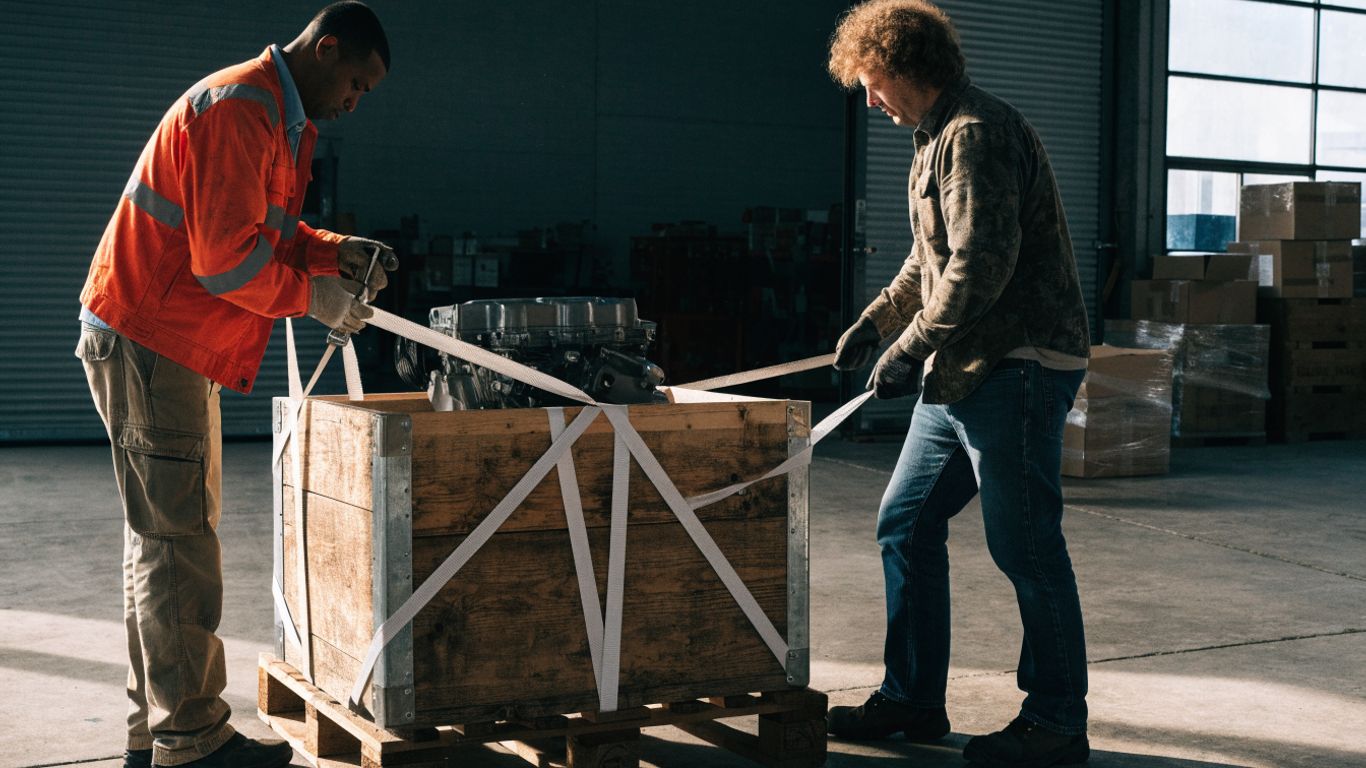
Different service types may suit different shipment sizes and routes, so start by explaining the engine’s packaging and weight. Ask whether the provider accepts that type of load and whether it will travel under the service being quoted. For unusual dimensions or limited access, discuss specialist handling rather than assuming a standard parcel-style service will be suitable.
Checking handling capabilities and equipment
Ask how the engine will be loaded and unloaded, and whether equipment such as a lift or forklift is available where needed. Confirm that the engine can remain secured in its packaging during normal handling. If there are restrictions at either address, such as steps, narrow access, or limited vehicle space, describe them before the booking is made.
Confirming insurance and liability terms
Before paying, read the provider’s terms for cover, liability, exclusions, and claims timeframes. Ask what value information or supporting documents may be required, and whether the cover applies to the engine and its packaging as prepared. Do not assume that a quoted transport price includes a particular level of protection; get the answer in writing.
Evaluating pickup and delivery arrangements
A service can be a poor fit if its collection window or delivery method does not work for either address. Confirm whether pickup and delivery are to a specific door, loading area, or curbside point, and whether someone must be present. Clear access details help both parties prepare for the handover and reduce the risk of a missed collection or delivery.
How to prepare an engine for transport
Preparation protects the engine and makes handling more predictable. Follow the carrier’s requirements, since rules can differ according to the shipment and service. Take time to document the engine’s state before it is packed, and keep any removable items accounted for. A secure shipment is easier to move and simpler to inspect at the destination.
Draining fluids and checking for leaks
Ask the provider which fluids must be drained and how the engine should be presented for transport. Check for leaks before packing, and do not rely on packaging to contain fluid that may escape during handling. If the engine has recently been removed or has residual fluid, describe that to the carrier and follow its instructions before collection.
Securing loose components and accessories
Parts that shift or detach can be damaged or separated from the main shipment. Before closing the crate or securing the pallet, check for loose accessories, exposed edges, and anything that could move in transit. A brief packing routine can help keep the load together:
- Remove or separately package detachable accessories when appropriate.
- Secure loose parts so they cannot slide or fall out.
- Protect exposed openings and vulnerable edges with suitable packing material.
- Keep small components clearly associated with the engine shipment.
After packing, gently check that nothing shifts and that the load remains stable. If an item cannot be secured safely, ask the carrier how it should be packed rather than leaving it loose.
Choosing a suitable crate or pallet
Choose packaging that can support the engine’s weight and keep it stable during movement. A crate can enclose the load, while a pallet may be suitable when the engine is secured appropriately and can be handled as one unit. Check that the base is sound, the engine is restrained, and no part of the load projects in a way that could catch during handling.
Labeling the shipment and noting its condition
Mark the shipment with the delivery details requested by the provider and ensure the label is visible and firmly attached. Photograph the engine and its packaging from several angles before collection, including any existing marks or damage. Keep a copy of the booking information and any inventory of items included, so the condition and contents can be checked later.
How delivery is arranged from pickup to drop-off
Once the service is selected, clear communication keeps the handover manageable. Confirm the booking details and make sure the people at each address know when and how the engine will be collected or delivered. Be prepared for a schedule window rather than assuming an exact arrival time unless one has been agreed. Keep contact details available in case access or timing changes.
Booking a service and confirming the schedule
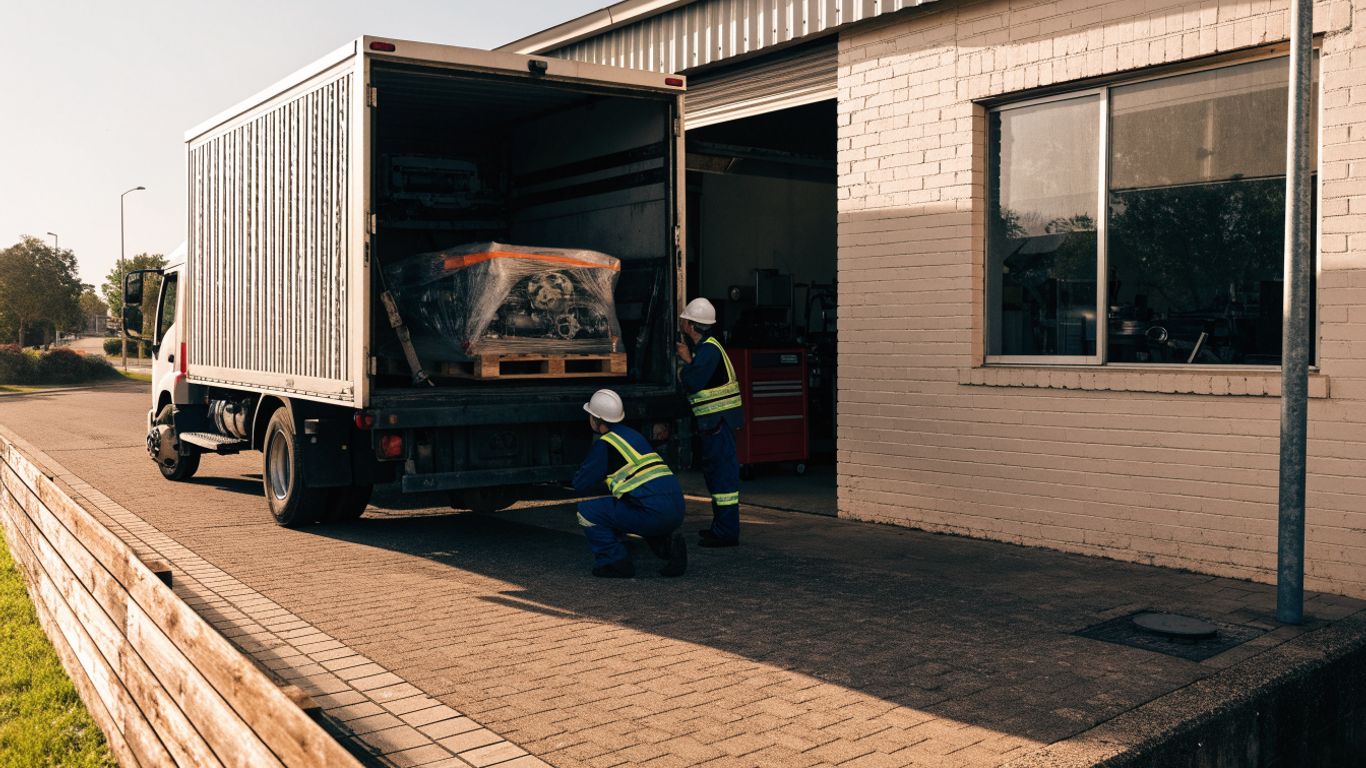
When placing the booking, check that the shipment description, addresses, contact names, and agreed service match the quote. Confirm the collection date, expected delivery timing, and any conditions tied to the schedule. If the provider requires paperwork, labels, or photographs in advance, arrange those before the driver arrives.
Preparing the pickup location
Make sure the engine is packed and ready at the agreed collection point, with a clear path for moving it. Confirm who will hand it over and whether that person can help with access or answer questions about the load. If lifting equipment or a particular vehicle position is needed, make sure this was discussed with the provider before collection day.
Tracking the shipment during transit
Ask whether tracking or status updates are available and how to access them. Keep the booking reference handy, and use the provider’s stated contact channel if an update is needed. Tracking information can help with planning, but it may not give an exact arrival time, so maintain some flexibility until delivery is confirmed.
Coordinating access at the delivery address
Tell the recipient the expected delivery window and explain any requirements for access to the site. Confirm whether someone must sign, where the vehicle can stop, and how the engine will be moved from the vehicle to the receiving area. If arrangements change, notify the provider promptly so the delivery plan can be reviewed.
What affects engine delivery costs and timing
A quote reflects more than the distance between two postcodes. The engine’s dimensions, packaging, handling needs, and each location’s accessibility can all affect the service offered. Timing also depends on the route and the schedule available for the requested service. Ask for the assumptions behind a quote so you can compare options on a like-for-like basis.
Engine size, weight, and packaging
Large or heavy shipments may require a vehicle or handling method different from one used for smaller parts. Packaging also matters: a secured, accessible pallet may be easier to handle than a load that cannot be safely moved as a unit. Provide measurements and weight as accurately as possible, and update the provider if the final packaging changes those figures.
Distance and delivery location
Longer routes can affect both transit time and price, while remote or difficult-to-access addresses may require additional coordination. Share the actual collection and delivery locations rather than relying only on suburb names. Ask whether the quote assumes a standard pickup and drop-off point, and explain any access limitations that could alter the arrangement.
Service speed and handling requirements
A faster requested schedule may not be available for every route or shipment. Special handling, a specific collection window, or extra coordination can also change what the provider is able to offer. Confirm the expected timing and handling method together, rather than treating speed and care as separate assumptions.
Extra charges to confirm before booking
Ask what is included in the quoted price and whether any circumstances could add charges. For example, clarify how the provider treats a change in dimensions, a failed collection, or access conditions not disclosed at booking. Getting potential additional costs explained in advance makes it easier to decide whether the service suits your needs.
How to receive and inspect an engine delivery
The delivery handover is the best opportunity to note the condition of the packaging and raise concerns. Have a clear receiving area ready and, if possible, compare what arrives with the booking details and your record of the packed shipment. Follow the carrier’s process for signing and reporting issues. Careful notes made at the time can help if you need to follow up later.
Preparing the drop-off area and equipment
Choose a place where the engine can be set down safely without blocking vehicle access or creating a trip hazard. Arrange suitable lifting equipment and assistance if the load cannot be moved safely by hand, and confirm in advance who is responsible for unloading. Keeping the area ready before the vehicle arrives helps avoid rushing the handover.
Checking packaging before signing
Look over the crate or pallet for visible impact, broken restraints, shifted components, or signs of fluid leakage. Compare the shipment’s labels and apparent contents with the delivery information. If you notice a concern, ask how it should be recorded before signing, and follow the provider’s instructions rather than assuming that a signature has no effect on a later report.
Documenting visible damage or missing parts
Take clear photographs of any affected packaging and the engine before moving or unpacking it further. Write down what you can observe, including damaged areas, missing items, and the time of delivery. Keep the delivery paperwork, photographs, and booking details together; a factual record is more useful than a general note that something looked wrong.
Following up on delivery issues promptly
Contact the provider as soon as possible if something is damaged, missing, or inconsistent with the shipment details. Give the booking reference and a concise description, then ask what documentation and next steps are required. Keep copies of messages and any forms submitted, and observe the provider’s stated reporting timeframe.
Conclusion
A safe engine delivery starts with an accurate description of the load and a provider whose service matches its size, packaging, route, and access needs. Prepare the engine carefully, confirm the arrangements at both ends, and inspect the shipment when it arrives. Those practical steps make the process clearer from the first quote through the final handover.