

Key Takeaways
Choosing the right distributor starts with careful identification and fitment checks, not guesswork. Confirm the supplier’s terms and the engine’s service requirements before ordering or installing a replacement.
- Record the engine’s make, model, and serial number before searching.
- Compare the distributor part number and physical details with the original.
- Confirm stock, delivery options, warranty coverage, and return conditions.
- Check ignition-system compatibility and exactly what parts are included.
- Follow the manufacturer’s service instructions during installation and testing.
What an engine distributor does
An engine distributor routes ignition current to the spark plugs in the correct sequence and helps set when that spark occurs. Its condition and setup can affect starting, running, and engine performance. If you are diagnosing a problem, consider the distributor alongside other ignition components rather than assuming it is the cause.
How the distributor controls ignition timing
As the distributor shaft turns, the rotor passes the terminals inside the cap, directing high voltage to each spark plug in firing order. The distributor’s position and internal components affect the timing of that spark. Engine designs vary, so the correct procedure for checking or adjusting timing depends on the manufacturer’s service instructions.
Common signs of distributor wear or failure
Starting trouble, an uneven idle, hesitation, or a misfire can point to ignition trouble, but these symptoms do not prove the distributor has failed. A cracked cap, worn rotor, damaged shaft, or loose connection may be relevant, as may faults elsewhere in the ignition system. Inspect the parts and use the appropriate diagnostic procedure before deciding what needs replacing.
When to replace a complete distributor versus a component
A damaged cap or rotor may be replaceable on its own if the distributor body and shaft are in good condition and the correct components are available. A complete unit may be the more suitable repair when there is significant wear, damage, or looseness in the assembly. Check the full assembly before ordering, and compare repair options against the engine maker’s guidance.
How to identify the right replacement
A distributor that looks similar may still differ in its electrical connections, shaft, or mounting arrangement. Start with the engine’s identifying details, then compare the original unit with the candidate part. A little care at this stage can prevent delays caused by an incorrect order.

Find the engine make, model, and serial number
Look for identification plates, stamped numbers, or labels on the engine, and record the information exactly as shown. The model and serial number can help narrow a parts search when engines from the same manufacturer have different configurations. If the engine is installed in a vehicle or machine, note that application too, but use the engine details as the starting point.
Check the distributor’s part number and specifications
If the original distributor is still available, inspect it for a part number and any specification markings. Compare those details with the listing or quote, and ask the supplier to confirm any substituted or superseding number. A number that is unreadable or missing is a reason to request a fitment check, not to choose a replacement based on appearance alone.
Compare cap, rotor, shaft, and mounting details
Physical details provide another useful cross-check. Before buying, compare the original and proposed part across the areas below; a mismatch in even one can affect fitment or connection.
| Detail to compare | What to check |
|---|---|
| Cap | Shape, terminal layout, and connection type |
| Rotor | Profile and position on the shaft |
| Shaft | Length, drive style, and condition |
| Mounting | Base shape, bolt pattern, and adjustment range |
Use the comparison alongside the part number and engine information. If the original unit is unavailable, ask the supplier what measurements or identification details are needed to verify the match.
How to choose a distributor supplier in Hobart
Searching for an engine distributor Hobart buyers can order requires more than finding a nearby listing. Check whether the supplier can serve your location and whether the part is available in the required timeframe. Suppliers may offer different mixes of used, genuine, and aftermarket parts, so clarify what is being quoted before committing.
Confirm the supplier’s location and service area
Check where the supplier operates and whether it offers a practical way to get the part to Hobart, Tasmania. Do not assume a search result means there is a local counter or same-day collection. A national parts network may serve customers in Hobart, but confirm the actual shipping or pickup arrangement for the particular order.
Ask about stock, lead times, and special orders
Availability can affect whether a repair can proceed on schedule. Ask whether the exact part is on hand, needs to be sourced, or is available only by special order. Get an estimated dispatch or arrival timeframe and confirm whether it could change if the part has to be checked or brought in from another location.
Review warranty terms and return policies
Before ordering, ask what warranty applies and what conditions affect coverage. Check the return window, whether the part must be unused or uninstalled, and how a fitment issue is handled. Keep the written terms with the quote so you can refer to them if the part does not suit the engine.
How to verify parts compatibility before buying
Compatibility depends on more than the engine name: the specific application, ignition setup, and included hardware all matter. Cross-check the replacement using the engine information and the old distributor’s details wherever possible. That extra verification is especially useful when a listing describes a part broadly or does not show every connection and component.
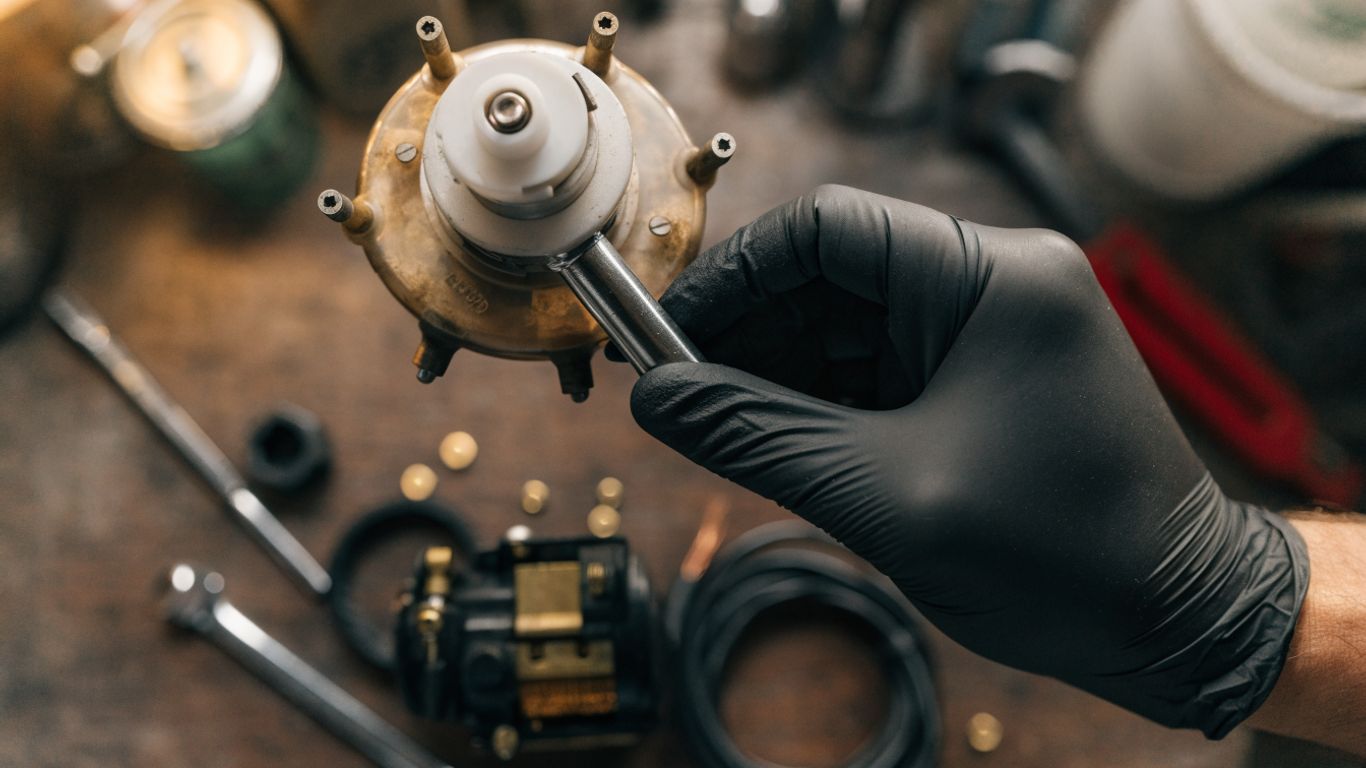
Match the distributor to the engine application
Confirm the distributor is specified for the engine’s make, model, and serial range, as well as its application where relevant. Similar engines can use different parts depending on their production year or configuration. If the supplier cannot confirm the fit from the information provided, ask what additional details would resolve the question before placing the order.
Check compatibility with the ignition system
Identify the ignition system fitted to the engine and compare it with the replacement’s stated requirements. Check connector type and any specified electrical or control differences rather than relying on a visual match. If the setup has been modified, mention that during the fitment check; the original application information may not tell the whole story.
Confirm whether related parts are included
A replacement distributor may be supplied as a complete assembly or without some related parts. Ask what is included in the quoted item, and whether the cap, rotor, or other required components need to be purchased separately. A simple checklist helps avoid an incomplete order:
- Distributor assembly and mounting hardware
- Cap and rotor, if required for the repair
- Connections or fittings needed for the specific installation
- Any separately listed components noted in the quote
Compare the supplier’s answer with the engine’s requirements before deciding that the order is complete. If a component is not included, confirm its part number and compatibility as a separate item.
What to ask before placing an order
A clear conversation with the supplier can resolve fitment, availability, and delivery questions before money changes hands. Prepare the engine details and, if possible, information from the original distributor. Ask for answers in writing so the part and terms are easy to confirm later.
Request a written quote with the exact part number
Ask the supplier to state the exact part number and describe whether it is used, genuine, or aftermarket. The quote should make clear what is included and the price being charged. If a replacement number or alternative is proposed, ask for that detail to be recorded too, rather than relying on a verbal assurance.
Clarify shipping, pickup, and delivery options
Confirm whether the order can be shipped to your location in Hobart, what the estimated timeframe is, and whether pickup is available. Ask if delivery charges or other costs are additional. If timing is critical, check when the estimate begins and whether delays could occur if the part is not in stock.
Check what information is needed for a fitment lookup
Suppliers may need more than a vehicle description to identify the right distributor. Before contacting them, gather the details that usually make a lookup clearer:
- Engine make, model, and serial number
- Original distributor part number, if visible
- Vehicle or equipment application and relevant year
- Photos of the distributor, connections, and mounting area
Send clear photos and copy numbers carefully, including any letters or suffixes. The supplier can then confirm whether the information is sufficient or request a closer view or additional specification before quoting.
What to consider during installation
Installing a distributor involves more than securing it in place. The engine’s service procedure determines how to position the unit, set timing, and verify that it is aligned correctly. If you are unsure about the procedure or lack the right tools, use a qualified technician rather than improvising.
Follow the engine manufacturer’s service instructions
Use the service instructions for the specific engine, including any stated preparation, safety steps, and installation sequence. Procedures can differ between engines, so avoid relying on a general guide as a substitute for the correct manual. Keep track of the original routing and connections while preparing for the replacement.
Set ignition timing and verify distributor alignment
Follow the manufacturer’s specified method and timing values for the engine. Check distributor alignment and firing order against the service information, and use the recommended tools where required. Incorrect installation or timing can cause poor running or prevent the engine from starting, so recheck the setup before operating it.
Test the engine and inspect for ignition issues
After installation, start and run the engine only as directed by the service procedure. Listen for irregular running and check for signs of misfire, loose connections, or other ignition problems. If the engine does not behave as expected, stop and recheck the installation rather than continuing to run it with a suspected fault.
Conclusion
Finding the right engine distributor for a Hobart order comes down to accurate identification, careful compatibility checks, and clear supplier terms. Confirm the exact part and what it includes, then follow the engine manufacturer’s instructions during installation. Those steps help reduce avoidable delays and give you a sound basis for choosing a replacement.