

Key Takeaways
Choosing an engine and parts specialist starts with clear information about your vehicle and the work it may need. A little preparation makes it easier to compare advice, parts options, timelines, and quotes.
- Record the engine’s make, model, and identifying details before you call.
- Describe symptoms and previous work clearly, without assuming the cause.
- Confirm parts compatibility, condition, availability, and return terms.
- Ask how proposed repairs will be inspected, tested, and documented.
- Compare the full scope of each quote, not just its total price.
Define your engine and parts requirements
Before contacting a Perth engine and parts specialist, narrow down what you know about the vehicle and the issue. Clear details help a specialist ask useful follow-up questions and reduce the chance of discussing an unsuitable part. You do not need to diagnose the problem yourself. Start with reliable identification and a straightforward account of what has changed.
Identify your engine type, make, and model
Gather the vehicle’s make, model, year, and engine details from its documents or identification plate. If you are looking for a component, note any part number printed on the old part, but treat it as a clue to verify rather than proof of fit. The same vehicle name can cover different engine configurations, so recording more than one identifier can help narrow the search.
A short reference table can keep the details organized when you call or send an inquiry.
| Detail to record | Where to look | Why it helps |
|---|---|---|
| Vehicle make and model | Registration or service documents | Establishes the vehicle family |
| Model year or build date | Vehicle documents or identification plate | Helps distinguish production variations |
| Engine code or number | Engine identification plate or manual | Narrows the engine configuration |
| Part number, if available | Existing component or packaging | Gives the specialist a reference to check |
Use the information as a starting point, then ask the specialist to confirm compatibility against the full vehicle and engine details. If a code is hard to read, a clear photo may be more useful than a guess.
Decide whether you need parts, repairs, or a rebuild
A noise, warning light, leak, or loss of power does not by itself establish which repair is needed. Think about whether you are seeking a replacement part, an assessment of a running engine, or advice about extensive internal work. It is perfectly reasonable to describe the symptoms and let a qualified specialist explain what inspection would clarify the issue. Being open about uncertainty helps keep the first conversation grounded.
Gather symptoms, service history, and part numbers
Write down when the issue occurs, how long it has been present, and whether it changes with starting, temperature, load, or driving conditions. Include recent maintenance, previous repairs, and any parts already replaced. These details can help distinguish a new symptom from a longstanding one, while keeping the discussion focused on evidence rather than assumptions.
Assess the specialist’s experience
A good fit depends on the engine and the work under consideration, not just on a general promise of experience. Ask how often the specialist handles your engine category and whether they can explain the limits of what can be established before inspection. In Perth, you may also want to discuss practical arrangements for getting the vehicle or engine assessed. Look for clear answers and a process you can follow.
Look for expertise with your engine category
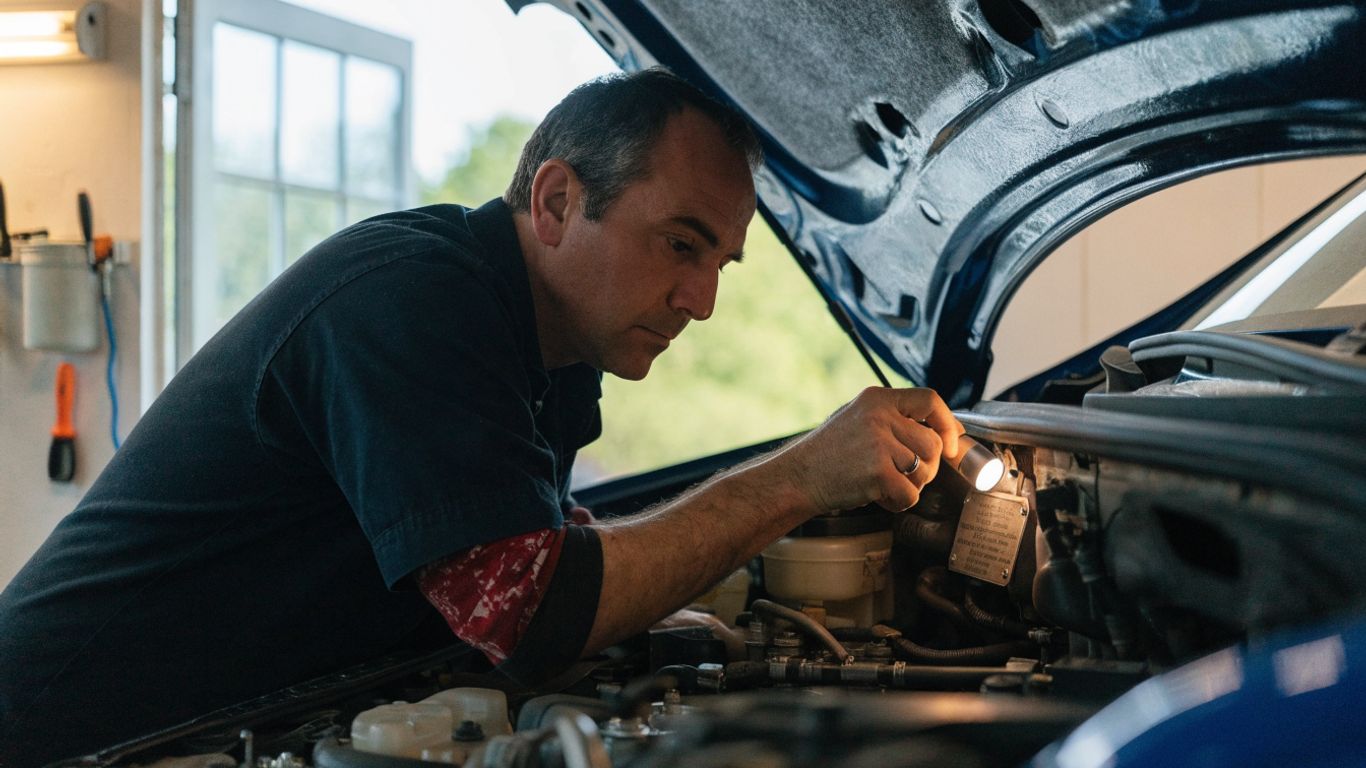
Ask whether the specialist regularly works with the relevant engine type, vehicle, or application. Specific examples of similar work can be more useful than a broad claim of expertise, though you can also ask what information they need before commenting on your case. If your vehicle has a less common configuration, find out whether they can verify the correct parts and refer you to an appropriate next step if needed.
Ask about diagnostic and rebuild capabilities
Clarify what assessments the specialist can perform and what would need to happen before they recommend a repair or rebuild. Ask how they separate confirmed findings from possibilities, and whether they will discuss options before work begins. A careful explanation should connect the proposed work to the symptoms or inspection results, rather than treating a rebuild as the default answer.
Check qualifications, warranties, and customer feedback
Ask who will carry out the work, what qualifications or relevant training they hold, and whether any work is covered by written warranty terms. Read customer feedback with attention to recurring themes: communication, clarity of invoices, and how concerns were handled. Clear written terms make it easier to understand what is included and what to do if an issue arises later.
Evaluate parts availability and sourcing
A part that appears similar is not necessarily right for a particular engine. Ask what condition and source options are available, how fitment will be confirmed, and what happens if the item is delayed or unsuitable. Availability can change, so confirm current timing rather than relying on an old listing or an informal estimate. A brief check before ordering can prevent avoidable delays.
Compare genuine, aftermarket, and refurbished options
Ask what type of part is being quoted and whether it is new, used, or refurbished. Genuine and aftermarket parts may differ in source, specification, price, and warranty; refurbished parts have their own condition and inspection details to clarify. Compare options against the actual need and ask what documentation or coverage comes with each one, instead of assuming that one category is always the best choice.
Confirm compatibility before ordering
Give the supplier the vehicle and engine identifiers, along with a part number or photos where available. Ask them to confirm the match and note any variations that could affect fitment. If a component depends on another part or a specific engine configuration, have that checked before paying or arranging installation. A confirmed match is more useful than a visual resemblance.
Ask about local stock, lead times, and returns
If timing matters, ask whether the item is physically available, needs to be sourced, or has an estimated arrival date. Confirm whether the quoted lead time is firm or provisional, and ask what return conditions apply if the part is incorrect or the diagnosis changes. These questions are especially useful when the vehicle will be unavailable during the repair, since a delay can affect plans beyond the workshop.
Understand the repair or rebuild process
Before approving work, make sure you understand what will happen and what evidence will guide the decision. The process may differ depending on whether the issue involves a single component, a repair, or more extensive engine work. Ask for the proposed steps in plain language, along with the points at which the specialist will seek your approval. That gives you a clear basis for discussing scope and timing.
Request a clear explanation of the proposed work
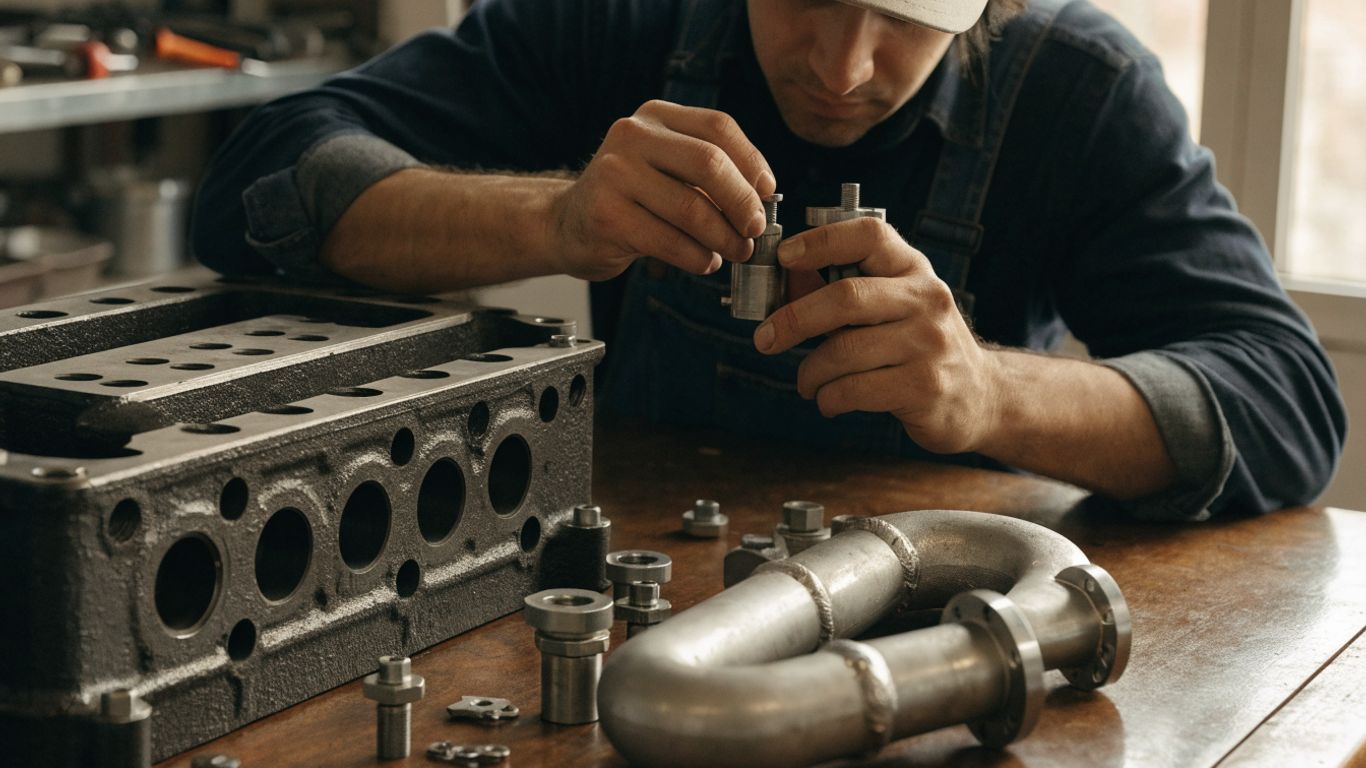
Ask what the specialist has found, what remains uncertain, and why the recommended work addresses the concern. Request an itemized description of the intended tasks and any parts involved. If more than one approach is possible, ask how the options differ in scope, cost, and expected practical outcome. You should be able to explain the proposal back in your own words before approving it.
Find out how components are inspected and tested
Ask which components will be checked, what inspection or testing is planned, and how findings will be recorded. If machining or replacement is being considered, clarify what measurement or condition would lead to that decision. The aim is not to prescribe a technical method, but to understand how the specialist moves from inspection to a recommendation and how you will be informed if the findings change the original plan.
Confirm timelines, workmanship guarantees, and updates
Get an estimated start and completion window, and ask what factors could change it, such as parts availability or additional findings. Confirm how often you will receive updates and who will contact you for approval if extra work is proposed. Written workmanship and parts terms can also clarify what support is available after the job is completed.
Compare quotes and service value
A low headline price may not include the same work, parts, or follow-up as another quote. Compare each proposal by scope, assumptions, and what happens if inspection reveals more than expected. Ask for unclear items to be explained before you decide. The most useful comparison is between like-for-like work, with the important terms visible.
Check what labor, parts, and machining costs include
Ask whether the quote separates labor, parts, machining, testing, and other listed charges. Check whether the parts are new, used, or refurbished, and whether removal, reassembly, or fluids are included where relevant. A written breakdown makes it easier to see where two quotes differ and to ask focused questions without treating the total alone as the whole story.
Ask about possible extra charges
Find out what conditions could lead to additional costs and whether the specialist will pause for your approval before proceeding. Ask how diagnostic time, unexpected damage, or a change in parts availability would be handled. Agree on the best way to contact you and record approvals, especially if you cannot respond immediately. This can prevent misunderstandings when the scope changes.
Weigh support and warranty terms alongside price
Compare the warranty period and coverage, including any exclusions or requirements that apply. Ask what documentation you will receive and whom to contact if a concern appears after collection. A higher or lower quote may make more sense once those details are clear, but the decision should rest on the full terms and work proposed rather than assumptions about price alone.
Prepare for your appointment
A well-prepared appointment can make the initial discussion more productive, whether you are bringing in a vehicle, an engine, or information about a part. Gather documents and note the symptoms while they are fresh. Confirm what the specialist needs to see and how the assessment will be arranged. These small steps help keep the conversation specific and reduce avoidable back-and-forth.
Share accurate details about engine issues
Describe what you observed, when it began, and whether anything makes it better or worse. Mention warning lights, unusual sounds, leaks, recent repairs, and any changes in how the vehicle runs, without presenting a suspected cause as certain. Before the visit, a brief set of notes can help you cover the key facts:
- Record the date or conditions when the problem first appeared.
- Note changes in sound, smell, starting, or performance.
- List recent servicing, repairs, and replaced components.
- Bring engine details, part numbers, and relevant photos if available.
Use those notes to answer questions and add context, not to force a diagnosis. The specialist can then decide what further checks may be appropriate.
Arrange access to the vehicle or engine
Confirm the appointment time, location, and whether the specialist expects the complete vehicle or a removed engine or component. Ask about access, drop-off arrangements, and any information needed before arrival. If the vehicle is not running, explain that in advance and agree on a practical way to proceed rather than assuming it can be driven in.
Keep records of quotes, approvals, and completed work
Save the written quote, any messages about changed scope, and your approval of additional work. When the job is finished, keep the invoice and any records or warranty information provided. A simple file of these documents gives you a useful reference for future servicing, follow-up questions, or a later parts search.
Conclusion
Choosing a Perth engine and parts specialist is easier when you arrive with accurate vehicle details, ask how recommendations will be confirmed, and compare the complete terms of each option. Take time to verify compatibility, understand the proposed process, and keep decisions in writing. A clear conversation is a practical first step toward finding parts or work suited to your vehicle.