

Key Takeaways
A reliable replacement starts with precise engine details and clear written terms. Take time to confirm compatibility, condition, and the full cost before arranging installation.
- Match the engine code and vehicle specifications, not just the model name.
- Ask suppliers how mileage, condition, and included parts were verified.
- Compare written quotes, delivery choices, warranty terms, and return conditions.
- Add freight, installation, fluids, seals, and related work to the engine price.
- Have a qualified mechanic check fitment and keep records for warranty support.
Define the engine you need
Before contacting Brisbane used engine suppliers, gather the details that distinguish your vehicle from others with the same badge. An engine that seems close on paper may still differ in code, fuel system, or fitment. The more exact your information, the easier it is to compare suitable options and avoid a costly mismatch. Start with the vehicle records and, if possible, ask your mechanic to confirm the engine currently fitted.
Match the engine code, not just the vehicle model
A model name is a starting point, not a complete fitment check. Look for the engine code on service paperwork, identification plates, or other vehicle records, and ask a mechanic if you cannot locate it. Codes can separate engines that share a model range but differ in important details. Confirm the code in writing with the seller before paying a deposit or arranging transport.
Confirm year, trim, fuel type, and drivetrain
The same vehicle name may cover different production years, trim levels, fuel types, and drivetrain configurations. Gather the VIN, build year, transmission details, and any relevant trim information, then share them with the supplier. These details help clarify whether an engine is suitable and whether extra components or changes may be needed. Avoid relying on a registration lookup alone if it does not identify the fitted engine precisely.
Decide whether you need a complete engine or a long block
Descriptions such as “complete engine” and “long block” can vary between sellers, so ask what the quoted term includes. A complete assembly may come with more attached components, while a long block generally refers to a more limited engine assembly; the exact package must be confirmed rather than assumed. Ask for a written list of included parts and note anything your mechanic expects to transfer from the old engine. A clear scope makes quotes easier to compare.
Check whether your existing accessories can be reused
Your mechanic can identify which accessories, sensors, brackets, or other parts may be reusable and which should be replaced. Their answer depends on the vehicle, the replacement assembly, and the condition of the parts already fitted. Ask the seller to flag what is attached to the engine and what has been removed. That simple check can prevent surprises once the replacement is at the workshop.
Compare Brisbane used engine suppliers
A useful comparison is about more than the number on a price tag. Look for clear answers on the donor vehicle, engine condition, included components, transport, and what happens if there is a problem. Ask the same questions of each supplier so the differences are visible. The business describes its car parts network as connecting customers with quality used, genuine, and aftermarket parts across Brisbane and other Australian cities.

Look for clear stock and donor-vehicle details
A listing or quote is more useful when it identifies the engine being offered rather than simply naming a vehicle model. Ask for the engine code, donor vehicle year and model, and any available history relevant to the assembly. If details are not available, ask the supplier to say so plainly and explain what information can be confirmed. Clear records let you check the offer against your mechanic’s fitment advice.
Ask how the engine’s mileage and condition were verified
Mileage is meaningful only when you know where it came from and how it was recorded. Ask whether the figure is supported by donor-vehicle records, supplier checks, or another source, and whether any testing or inspection information is available. A supplier may not have every record, but a direct answer helps you assess uncertainty. Write down what was stated so that you can compare responses fairly.
Compare local pickup, delivery, and return options
Transport affects both cost and the practical timing of a replacement. Clarify whether pickup is available, what delivery covers, how the engine will be secured, and who should inspect it on arrival. Ask about the process if the delivered item does not match the written description or arrives damaged. For a quick, consistent supplier comparison, keep the same questions in front of you:
- Is the engine code confirmed against my vehicle details?
- What donor-vehicle and condition information is available?
- What parts are included, and what has been removed?
- What are the delivery, warranty, and return terms?
Once you have answers, compare the whole offer rather than treating the lowest quote as the best one. The car parts network’s stated aim is to make finding parts fast and affordable across Brisbane and nationwide, but you should still confirm the specific engine, transport, and terms directly with the seller.
Evaluate response times and the detail in written quotes
A prompt reply is helpful, but a useful reply also addresses the questions you asked. Check that the quote identifies the engine, included parts, price, freight, warranty conditions, and any assumptions about fitment. If an item is uncertain, ask for that uncertainty to be written down instead of relying on a verbal assurance. You should be able to review the offer later without trying to remember what was said on the phone.
Verify an engine’s condition and compatibility
Used engines have histories, and the available evidence can differ from one assembly to another. Inspection notes, test results, photographs, and donor information all help, though none removes the need to verify fitment. Ask for records before purchase and consider having your mechanic review them. A careful check now is usually easier than resolving a mismatch after delivery.
Request inspection and testing records
Ask what inspection or testing was performed, when it took place, and who completed it. Request copies of available records and ask what they do—and do not—establish about the engine’s condition. If no testing record is available, ask the supplier to state that clearly. Your mechanic can then advise whether additional checks are sensible before installation.
Check for signs of damage, leaks, or excessive wear
If you can inspect the engine in person, look for visible damage, corrosion, fluid residue, broken connectors, or signs of rough handling. Photographs can help when an in-person check is not practical, but ask for clear views of relevant areas and any known defects. Do not treat a clean exterior as proof of internal condition. Use the inspection to identify questions for the supplier and your mechanic, not to make a diagnosis on appearance alone.
Confirm included components and missing parts
The word “engine” does not tell you which attached parts will arrive with the assembly. Ask for an itemized description and compare it with what your repair plan requires. A simple comparison can make gaps easier to spot before the engine is booked for delivery:
| Detail to confirm | What to ask | Why it matters |
|---|---|---|
| Engine identification | Is the engine code recorded? | Helps check compatibility |
| Attached components | Which parts remain fitted? | Clarifies what may need transferring |
| Condition records | What inspections or tests are documented? | Shows what evidence is available |
| Removed or damaged parts | What is missing or known to be faulty? | Helps plan parts and labor |
Review the answers with your mechanic and update the parts list before committing. If a component is essential but not included, ask for its cost and availability separately rather than assuming it comes with the engine.
Have a qualified mechanic verify fitment before purchase
A qualified mechanic can compare the proposed engine with your vehicle details and installation needs. Share the engine code, VIN, donor information, and included-parts list, and ask them to flag any differences that could affect fitment or labor. This check is particularly useful when the replacement is described as compatible by model alone. Get any concerns resolved with the supplier in writing before you finalize the purchase.
Understand warranties and return terms
Warranty coverage can vary by supplier and by the type of engine being sold, so avoid assuming that standard terms apply. Read the actual document before paying and ask about conditions that depend on installation, servicing, or prompt notification of a fault. Return terms are separate from warranty coverage and should be understood on their own. Keep a copy of both sets of terms with the purchase records.
Read the warranty period and covered components
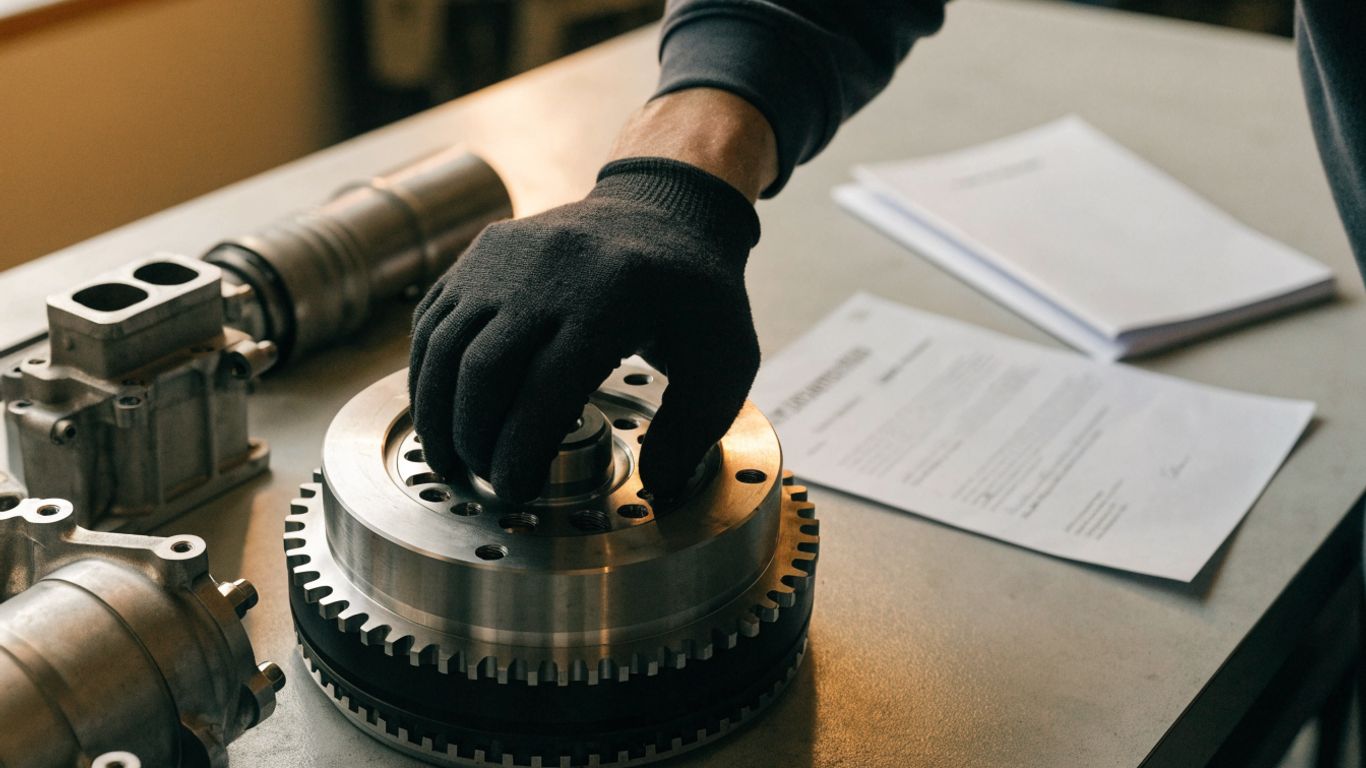
Check the start date, duration, and components named in the warranty. Note any exclusions, limits, or conditions that could affect a claim, and ask the seller to explain wording that is unclear. Make sure the paperwork describes the engine you are buying rather than a general policy that may not apply to that item. Keep the final version, not just a summary in a message or advertisement.
Check installation and maintenance requirements
Some warranty terms may specify how the engine must be installed or maintained. Read those requirements before booking the work and confirm that your chosen workshop can meet them. Ask what service records or installation documents you will need to retain. Sorting this out in advance reduces the chance of discovering a requirement only after a problem arises.
Clarify who pays for removal, freight, or diagnostic work
A claim can involve costs beyond the replacement engine itself. Ask who is responsible for diagnostic checks, removal, return freight, and any other work if a fault is reported. The answer may depend on the warranty terms and the circumstances, so request a written explanation rather than relying on assumptions. Include these possible costs in your decision, especially if transport is not local.
Confirm the return process if the engine is incorrect or faulty
Ask how soon you must report a mismatch or fault, what evidence is required, and how the engine should be handled while the issue is reviewed. Clarify whether the seller needs to authorize a return before the engine is moved or worked on. Get the contact method and steps in writing, then keep delivery records and photographs if something appears wrong on arrival. A clear process is useful even if you never need it.
Calculate the full replacement cost
The engine quote is only one part of the total. Freight, workshop labor, replacement parts, fluids, and any related repairs can change the final figure considerably. Ask your mechanic to review the plan and identify likely additional work before comparing offers. The business says its network connects customers with quality used, genuine, and aftermarket parts; ask which type of part is being quoted and what it includes rather than assuming the categories are interchangeable.
Compare engine prices on an equivalent basis
A lower quote may cover a more limited assembly, different condition information, or fewer warranty protections. Put the offers side by side and compare what is included, what is documented, and what remains uncertain. The table below gives you a practical way to keep those differences visible while you review prices.
| Cost or term | Supplier A | Supplier B |
|---|---|---|
| Engine and included components | Confirm in quote | Confirm in quote |
| Condition evidence | Record available details | Record available details |
| Warranty and return terms | Review written terms | Review written terms |
| Freight and delivery | Add quoted cost | Add quoted cost |
After filling it in, ask follow-up questions wherever an entry is incomplete. An equivalent comparison is more useful than a simple price ranking because it shows what each amount actually covers.
Include freight, installation, and required parts
Request separate figures for transport and installation instead of folding them into an unclear total. Ask the workshop whether extra labor may be needed to transfer components, prepare the engine, or address related issues. Include required parts identified during the fitment check, and confirm whether they are supplied with the assembly or priced separately. That gives you a more realistic estimate before authorizing the work.
Budget for fluids, seals, and related repairs
Your mechanic may recommend fluids, seals, or other service items while the engine is accessible. The exact work depends on the vehicle and the condition of surrounding components, so ask for an estimate rather than assuming every replacement needs the same package. It can also be sensible to discuss related repairs that could otherwise require the vehicle to return to the workshop soon after installation. Keep optional work separate from essential work in the estimate.
Weigh a lower price against condition and warranty coverage
Price matters, but it is only one part of the decision. Compare the evidence supporting condition, the components included, the warranty wording, and the likely total installation cost. A cheaper engine may still suit your needs, but make that choice with a clear view of what is known and what remains uncertain. If the difference is hard to judge, ask your mechanic to review both offers.
Complete the purchase and plan installation
Once the details line up, confirm the order and installation plan before arranging payment or transport. Make sure the supplier, workshop, and vehicle owner are working from the same engine information and agreed terms. Keep the paperwork together from the start; it is easier to resolve questions when the records are complete. The business describes its car parts network as making parts easier and more affordable to find across Brisbane and nationwide, while specific stock and purchase terms should always be confirmed for the individual order.
Get the engine details and agreed terms in writing
The final written confirmation should identify the engine, price, included parts, delivery arrangements, warranty, and return process. Check that any promises or clarifications from earlier conversations are reflected in the document. If something is missing or differs from the quote, ask for an updated version before proceeding. Save messages, invoices, and the final terms together.
Arrange safe transport and inspect the delivery
Coordinate delivery with the workshop so the engine can be received and stored appropriately. Ask how it will be secured in transit and who should be present to check it. On arrival, compare the engine identification and visible condition with the paperwork, and note any discrepancy promptly. Photograph the delivery if damage or missing items are apparent, then contact the supplier using the agreed process.
Prepare the vehicle before the replacement
Confirm that the engine is ready for the planned installation and that the workshop has the included-parts list and any warranty requirements. Ask whether the vehicle needs other work before the replacement begins, and agree on how unexpected findings will be handled. This is also a good time to confirm the estimated schedule and who will approve additional costs. Clear expectations help keep the repair manageable if plans change.
Keep invoices and records for warranty support
Store the invoice, warranty document, fitment confirmation, delivery notes, inspection records, and workshop paperwork together. Keep maintenance receipts and any communications about a concern as well. If a question arises later, these records can show what was purchased, how it was installed, and which terms applied. A tidy file is a small task now that can save time later.
Conclusion
Choosing a used replacement engine is a matter of checking the details before committing: match the code and vehicle specifications, understand the condition evidence, read the written terms, and calculate the complete installed cost. With a mechanic involved and the supplier’s commitments documented, you can make a more informed decision and plan the replacement with fewer unanswered questions.