
Key Takeaways
A reliable replacement engine starts with accurate vehicle information and a realistic view of the total repair cost.
- Match the engine code, fuel system, transmission, and electronics before ordering.
- Compare used, reconditioned, and rebuilt engines by condition, warranty, and price.
- Ask for mileage, testing details, donor-vehicle information, and inspection records.
- Include installation, freight, fluids, seals, return shipping, and possible core charges.
- Inspect the delivery promptly and document any damage or incorrect fitment.
Understand your replacement engine needs
Choosing a replacement engine is more than finding one listed for the same model. Small differences in engine codes, emissions equipment, wiring, and transmission compatibility can turn an apparently cheap purchase into an expensive correction. Start with the vehicle identification number, registration details, and the information on the existing engine.
Identify the engine type and fuel system
First establish whether the vehicle uses a petrol, diesel, hybrid, or gas-powered engine, then record the displacement and cylinder configuration. Fuel-system differences can affect injectors, pumps, sensors, intake components, and the engine computer. A listing that simply says “2.0-litre engine” is not detailed enough to confirm compatibility.
Ask whether the replacement is supplied with manifolds, turbochargers, injectors, sensors, or other attached equipment. Some sellers provide a dressed engine, while others supply only the core assembly. Knowing what is included prevents assumptions about parts you may need to transfer from the failed engine.
Match the engine code and specifications
The engine code is one of the most useful identifiers in a replacement search. Compare it with the code stamped on the engine or recorded in the vehicle documentation, and check specifications such as displacement, power output, emissions equipment, and mounting arrangement. A similar-looking engine may still require substantial changes.
If the code is difficult to read, ask a mechanic or parts supplier to verify it from the vehicle identification number. Keep photographs of the engine label, connectors, and major components. These details give the seller a clearer basis for checking the part rather than relying on a broad model description.
Confirm vehicle year, model, and transmission compatibility
Vehicle generations can share a badge while using different engines or control systems. Confirm the build year, body style, drivetrain, transmission type, and whether the vehicle is front-wheel drive, rear-wheel drive, or all-wheel drive. Regional specifications can matter too, especially where emissions and wiring arrangements changed between markets.
Transmission compatibility deserves separate attention. An engine may physically fit but use a different flexplate, flywheel, crank sensor, bellhousing arrangement, or engine-management calibration. Ask what must be transferred from the original engine before agreeing that the replacement is suitable.
Decide between a complete engine and a long block
A complete engine generally includes more externally mounted components, whereas a long block usually centres on the block, cylinder head, and internal assemblies. The exact contents vary by seller, so request a written parts list rather than relying on the product title.
A long block can make sense when your existing accessories and electronics are known to be good. A complete engine may reduce transfer work, but it can also include components that are unnecessary for your vehicle. Compare the purchase price with the labour involved in moving parts, replacing seals, and checking accessories.
Compare used, reconditioned, and rebuilt engines
These labels describe different levels of work, but they are not always used consistently. A used engine may be removed from a donor vehicle and sold with limited preparation, while a reconditioned or rebuilt engine may have selected components inspected or replaced. Read the seller’s definition carefully before comparing prices.
What to expect from a used engine
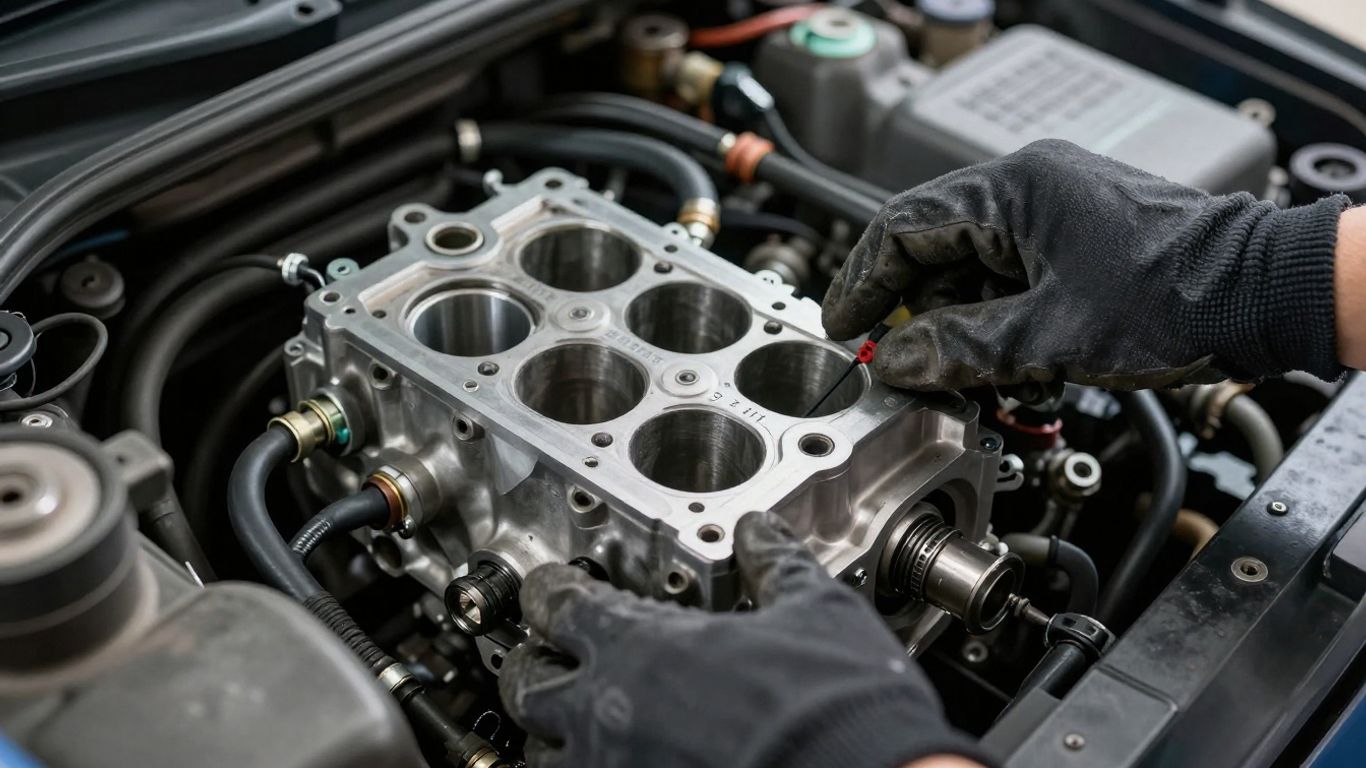
A used engine is commonly sourced from another vehicle and sold largely in the condition in which it was removed, subject to the seller’s inspection process. Its value depends on mileage, service history, storage, donor-vehicle damage, and whether it was tested before removal.
Used does not automatically mean poor quality, but the evidence matters. Ask what was checked, whether the engine ran in the donor vehicle, and what parts are included. A clear warranty and a traceable source can make a used engine a sensible choice when the vehicle’s overall value does not justify a new unit.
How reconditioned engines differ
Reconditioning may involve cleaning, measurement, machining, and replacement of selected wear items. However, the scope can range from a limited refresh to extensive internal work. Request a description of the work completed, the parts replaced, and any measurements or test results available.
Do not assume that a reconditioned engine has been rebuilt to new specifications. The warranty terms, inclusions, and exclusions help clarify the seller’s confidence in the work. They also indicate whether labour, accessories, and consequential damage are covered.
When a rebuilt engine may be worth the cost
A rebuilt engine can be worthwhile when the vehicle is otherwise sound, difficult to replace, or valuable to its owner. It may also suit a driver who wants a more documented internal overhaul than a standard used unit can provide. The decision should follow an inspection of the vehicle’s body, transmission, suspension, electronics, and service needs.
Ask whether the rebuild included machining, new bearings, rings, seals, or cylinder-head work, and whether the invoice identifies those tasks. A vague claim that an engine is “rebuilt” gives you little basis for comparing it with a tested used engine.
Choosing the right option for your vehicle and budget
The cheapest engine price is not necessarily the lowest-cost repair. Consider the vehicle’s age, market value, expected future use, and the likelihood of further work. A well-documented used engine with suitable coverage can be appropriate for one vehicle, while a rebuilt unit may be more sensible for another.
A practical comparison should include the engine, installation, parts transfer, fluids, freight, warranty conditions, and possible return costs. The warranty wording matters because two engines with similar prices may provide very different protection once fitting begins.
Evaluate engine condition before buying
Condition is difficult to judge from a single photograph or a short listing. Build a record of what the seller knows and what remains uncertain, then have a mechanic review the information if the purchase is significant. Clear answers are more useful than broad descriptions such as “good runner.”
Review mileage, service history, and donor vehicle details
Mileage is a useful reference point, but it is not a complete measure of engine condition. Ask for the donor vehicle’s year, model, reason for dismantling, and any available service records. An engine from a vehicle damaged away from the engine bay may offer a more informative history than one with an unknown source.
Check whether the recorded mileage belongs to the donor vehicle and whether the engine was replaced previously. Service evidence for oil changes, cooling-system maintenance, timing components, and overheating repairs can help identify risks that are not visible externally.
Check compression, leaks, and visible wear
Where available, request compression results, leak-down information, oil-pressure readings, or other test records. Inspect photographs for oil leaks, corrosion, damaged threads, cracked housings, missing sensors, and signs of overheating. These checks cannot replace a professional inspection, but they can expose unanswered questions before payment.
Ask whether the engine turns freely and whether the seller observed contamination in the oil or coolant. For a turbocharged engine, ask about shaft play and oil residue. The appropriate checks depend on the engine design, so a mechanic’s advice is useful when the documentation is limited.
Ask whether the engine was tested before removal
Testing before removal can provide stronger evidence than a visual inspection after the engine has been stored. Ask whether the donor vehicle was started, whether it reached operating temperature, and what faults were recorded. Also ask when the test occurred and whether the test results relate to the exact engine being offered.
If the engine could not be run, that does not automatically make it unusable. It does mean the uncertainty should be reflected in the price, warranty, and return arrangement. Get that limitation in writing rather than relying on a phone conversation.
Understand grading systems and seller inspection reports
Grades are only meaningful when the seller explains the scale. One business may grade appearance, another may grade mileage or testing, and a third may use an internal stock category. Request the actual inspection report and ask which components were checked.
Compare reports on a like-for-like basis. A concise report that identifies mileage, compression, leaks, missing parts, and testing conditions is more useful than a high grade with no supporting detail. Keep copies of the listing and correspondence in case the delivered engine does not match the description.
Find trustworthy Australian used engines for sale
Searching for Australian used engines for sale is easier when you treat the seller as part of the purchase decision. Availability, distance, freight handling, fitment advice, and after-sales support can all affect the final result. A supplier that serves Melbourne, Sydney, Brisbane, and customers nationwide may offer practical access to a wider parts network, but the specific engine still needs checking.
Compare specialist suppliers, wreckers, and private sellers
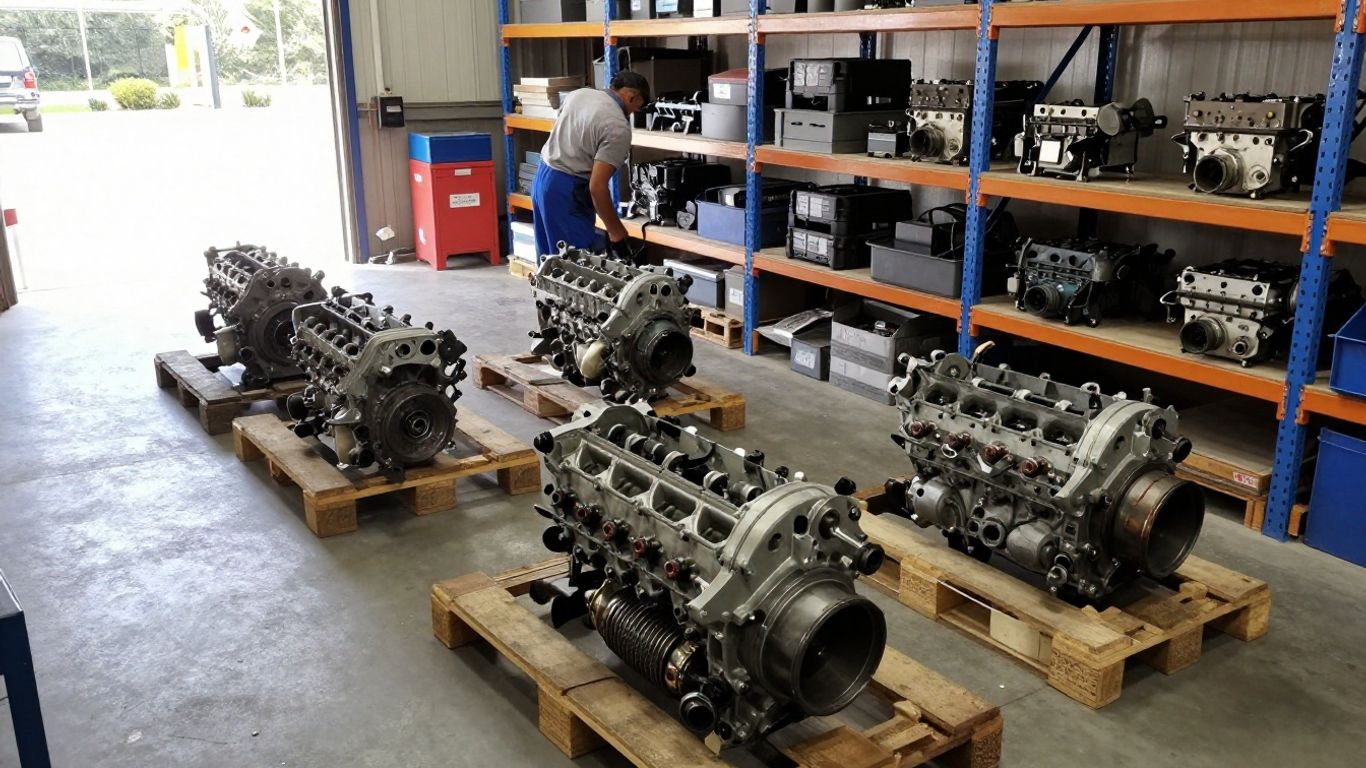
Specialist suppliers may provide structured stock information, fitment assistance, and written warranty terms. Wreckers can offer broad access to donor vehicles and used parts, while private sellers may have limited records and fewer formal remedies. Compare what each seller can document, not just the advertised price.
Look for a business that can identify the exact engine, explain its condition, and answer questions consistently. A fast response is useful, but accuracy matters more than speed when an incorrect engine can create substantial installation and freight costs.
Check warranties, returns, and fitting support
Read the warranty before ordering and confirm whether it covers parts only, labour, or both. Check the claim process, time limits, approved installation requirements, exclusions for overheating or low fluid levels, and whether the warranty begins on delivery or installation.
Fitting support can also be valuable, particularly when the engine requires transferred accessories or electronic matching. Ask whether the supplier offers guidance or can connect the purchase with a qualified fitting service. Do not treat fitting support as proof that the engine is automatically compatible.
Read customer reviews and verify business details
Reviews can reveal patterns involving communication, packaging, delays, warranty handling, and incorrect parts. Give more weight to detailed, recent feedback than to a high overall score with no explanation. Reviews are one input, not a substitute for checking the engine’s documentation.
Verify the business name, physical location, contact details, invoice information, and payment recipient. A consistent identity across the listing, invoice, and payment page gives you a clearer record if something goes wrong.
Ask for photos, engine numbers, and documentation
Request current photographs of the exact engine, including the engine number, mounting points, connectors, manifolds, and any visible damage. Ask for mileage, donor details, testing information, included components, and the written warranty. A stock image is not enough for a high-value part.
Before ordering, compare the supplied information with your mechanic’s notes. Save the listing and the seller’s replies, then ask the seller to confirm the part number and fitment in writing. This simple record can prevent a disagreement caused by different assumptions.
Calculate the total replacement cost
The purchase price is only one part of an engine replacement. Labour, consumables, freight, programming, accessory transfers, and post-installation troubleshooting can materially change the figure. Build the estimate before ordering so a low advertised price does not hide a poor overall value.
Compare engine prices with installation charges
Obtain an installation estimate from a mechanic who has inspected the vehicle or understands the engine swap. Ask whether the quote includes removal, cleaning, transfer of accessories, replacement of fluids, first start-up checks, and disposal of the old unit. Some jobs also require diagnosis of why the original engine failed.
Use the same scope when comparing suppliers. A lower engine price may come with fewer included components or more transfer labour. The most useful comparison is the likely installed cost, not the listing headline.
Budget for seals, gaskets, fluids, and related parts
An engine that is easy to access during installation is a good opportunity to replace inexpensive wear items. The exact list depends on the vehicle, but budgeting for likely consumables helps avoid delays. Your mechanic can separate essential work from optional preventative maintenance.
Common cost categories include:
- Seals, gaskets, and filters required during installation.
- Engine oil, coolant, power-steering fluid, and other specified fluids.
- Belts, hoses, spark plugs, or glow plugs where their condition is uncertain.
- Replacement mounts, fasteners, sensors, or transferred accessories.
This list is a planning aid rather than a universal parts schedule. Confirm each item against the engine and vehicle manufacturer’s requirements before authorising work.
Account for freight, core charges, and return shipping
Ask how the engine will be packed, whether delivery is kerbside or to a workshop, and whether freight insurance applies. A core charge may be refundable when the old engine is returned in an acceptable condition, but the process and deadline should be written down.
Return freight can be expensive because engines are heavy and often require a pallet. Confirm who pays when the part is incorrect, damaged in transit, or found to be outside the agreed specification. These details can change the value of a distant purchase.
Consider whether the repair makes financial sense
Compare the full installed repair with the vehicle’s current value and likely future maintenance. Also consider the condition of the transmission, cooling system, body, tyres, suspension, and electronics. A sound replacement engine may not make financial sense if several major systems are already near the end of their service life.
A simple cost comparison can clarify the decision:
| Cost area | What to include | Why it matters |
|---|---|---|
| Engine | Unit price and included components | Defines the starting purchase cost |
| Installation | Removal, fitting, and testing labour | Often changes the total more than expected |
| Related parts | Seals, fluids, belts, filters, and mounts | Prevents avoidable delays and repeat work |
| Logistics | Freight, insurance, core charges, and returns | Heavy parts can make transport costly |
Once these categories are estimated, compare the repair with replacing the vehicle. A written quote with assumptions listed is easier to assess than a single total with no breakdown.
Confirm fitment, warranty, and installation requirements
Fitment should be confirmed before money changes hands, not after the engine is on a workshop floor. The physical engine, attached components, software, and vehicle electronics all form part of the installation. Ask the seller and your mechanic to review the same specifications.
Verify the engine will work with your vehicle electronics
Modern vehicles may require matching sensors, engine computers, immobiliser components, wiring, or software configuration. Confirm which electronics are included and which must be transferred from the original engine. A mechanical fit does not necessarily guarantee that the vehicle will start or run correctly.
Ask whether programming, calibration, or fault-code clearing is likely to be required. Your mechanic can identify whether the replacement engine is from a compatible generation and whether the original control modules can support it.
Check warranty coverage and exclusions
Read the warranty for duration, covered components, claim steps, labour limits, and exclusions. Confirm whether regular servicing must be documented and whether unauthorised modifications affect cover. Ask what happens if the engine is found to be incorrect before installation.
Some warranties require installation by a qualified mechanic or require specific fluids and procedures. Treat these requirements as part of the purchase price because failing to follow them can affect a later claim.
Use a qualified mechanic for installation
Engine replacement involves lifting equipment, fuel and cooling systems, electrical connections, fluids, and precise tightening procedures. A qualified mechanic can identify the cause of the original failure, check transferred components, and complete the start-up process safely.
Give the mechanic the listing, warranty, engine number, and any test information before work begins. Ask for a written installation scope and keep invoices for parts and labour. This documentation may also be needed if a warranty issue develops.
Complete essential checks before starting the engine
Before start-up, the workshop should verify fluid levels, connections, belt timing, fuel delivery, oil pressure, cooling-system integrity, and warning lights according to the vehicle and engine requirements. The exact process varies, so follow the manufacturer’s procedures and the mechanic’s advice.
After the first run, check for leaks, abnormal noise, overheating, and fault codes. Record the date, mileage, and any early observations. Prompt attention is much easier than trying to reconstruct what happened weeks later.
Buy and receive your replacement engine safely
A careful purchase continues after the order is placed. Confirm the written details, use a traceable payment method, and plan to inspect the shipment before installation. Photos of the packaging and engine can be valuable if freight damage or a mismatch is discovered.
Questions to ask before placing an order
A short, direct conversation can expose missing information before it becomes a dispute. Ask questions that produce specific answers about the exact engine rather than general assurances.
Useful questions include:
- What is the exact engine code and recorded mileage?
- What testing was completed, and can the results be supplied?
- Which components are included with the engine?
- What does the warranty cover, and what installation conditions apply?
- Who pays return freight if the engine is damaged or incorrect?
Save the answers with the invoice and listing. If a seller will not confirm basic fitment or warranty details in writing, pause before paying.
How to protect yourself when paying online
Use a payment method that provides a clear transaction record and matches the verified business details. Be cautious if payment is requested to an unrelated account, if the price changes unexpectedly, or if the seller pressures you to skip an invoice. Confirm delivery arrangements before authorising payment.
Avoid sending sensitive identity information unless it is necessary and requested through a legitimate business channel. Keep receipts, emails, messages, photographs, and freight references together until the engine has been installed and accepted.
Inspect the engine when it arrives
Inspect the packaging before signing for delivery where the carrier’s process allows it. Photograph crushed corners, oil residue, broken mounts, exposed openings, and damaged wrapping. Then compare the engine number, visible components, and condition with the order documents.
Do not discard the packaging until the engine has been checked. If the engine is stored before installation, protect openings from contamination and follow the supplier’s storage instructions. Report discrepancies promptly rather than waiting for the mechanic to discover them.
What to do if the engine is damaged or incorrect
Stop and document the problem if the delivered engine is damaged, incomplete, or different from the agreed specification. Take clear photographs, note the delivery date, and contact the seller through the channel shown on the invoice. Do not modify or install the engine while the dispute is being assessed unless the seller authorises it in writing.
Refer to the warranty and returns process, and keep communication factual. Ask for the proposed remedy, collection instructions, and any deadlines. A clear record of the order and inspection gives you the best chance of resolving the issue efficiently.
Conclusion
A replacement engine can be a practical way to extend a vehicle’s life, but the purchase deserves the same care as any major repair. Confirm the engine code and electronics, investigate condition and testing, compare the complete installed cost, and choose a seller that documents its warranty and returns process. With those checks in place, Australian used engines for sale become easier to compare and far less risky to buy.