

Key Takeaways
Choosing a motor for sedan and SUV applications starts with the vehicle’s weight, drivetrain, intended use, and long-term running costs. A motor that looks powerful on paper may still be unsuitable if it does not fit the vehicle’s electronics, transmission, cooling system, or legal requirements.
- Match output to the vehicle’s weight, load, terrain, and driving habits.
- Compare torque, horsepower, fuel economy, range, and drivetrain compatibility together.
- Check fitment, emissions requirements, wiring, software, and cooling before buying.
- Consider installation, maintenance, warranty, and parts availability—not only purchase price.
- Use a written comparison checklist to avoid expensive compatibility mistakes.
Understanding what “motor for sedan and SUV” means
The phrase “motor for sedan and SUV” can refer to a gasoline or diesel engine, an electric motor, or an entire hybrid powertrain. The right choice depends less on the body-style label alone and more on the exact vehicle, model year, drivetrain, and job it must perform. A compact sedan and a large SUV may both use four-cylinder power, but their calibration, gearing, cooling, and load requirements can be very different.
Engine, electric motor, and hybrid powertrain differences
A conventional engine burns fuel and sends power through a transmission, while an electric motor uses battery energy to produce drive through an electric drivetrain. Hybrid vehicles combine an engine with one or more electric motors, using software and energy storage to manage when each source contributes. That means a replacement decision must identify the complete powertrain, not just a component described casually as a “motor.”
For a conventional vehicle, confirm engine displacement, cylinder configuration, fuel system, transmission pairing, and emissions equipment. For an electric or hybrid vehicle, battery voltage, inverter compatibility, cooling circuits, control modules, and high-voltage safety procedures matter just as much. The name of the part is only the starting point.
How vehicle size affects motor requirements
Vehicle size influences the amount of energy required to accelerate, climb, cruise, and carry passengers or cargo. A heavier SUV generally needs more low-speed torque and stronger thermal management than a lighter sedan, especially when it is regularly loaded. Still, size alone does not determine the answer; gearing, aerodynamics, tires, drivetrain losses, and intended speed also play a role.
A small sedan used mainly for commuting may benefit from modest output and low operating costs. A three-row SUV used for family travel, steep roads, or towing may need a larger margin of torque and cooling capacity. The safest comparison begins with the manufacturer’s original specifications and the vehicle’s real operating pattern.
Key performance terms to compare
Horsepower describes the rate at which work can be done, while torque describes twisting force. Drivers often feel torque during initial acceleration and hill climbing, whereas horsepower becomes especially relevant as speed rises. Neither figure should be considered in isolation because transmission gearing and vehicle weight determine how that output reaches the road.
Also compare rated payload, towing capacity, fuel consumption, electric range, battery output, and the operating conditions behind each rating. Real-world load matters more than a headline number when a vehicle spends its time full of passengers, climbing grades, or carrying equipment.
Why drivetrain compatibility matters
A motor must communicate with the transmission, control modules, sensors, immobilizer, and vehicle wiring. The mounting points and physical dimensions may look correct while the electronic systems remain incompatible. Front-wheel drive, rear-wheel drive, and all-wheel drive layouts can also require different housings, shafts, mounts, and calibration.
Confirm the vehicle identification number, model year, trim, transmission code, and drivetrain before ordering. For hybrids and electric vehicles, add battery and inverter details to that list. Compatibility is a system question, not merely a question of whether the part will fit inside the engine bay.
Comparing motor needs for sedans and SUVs
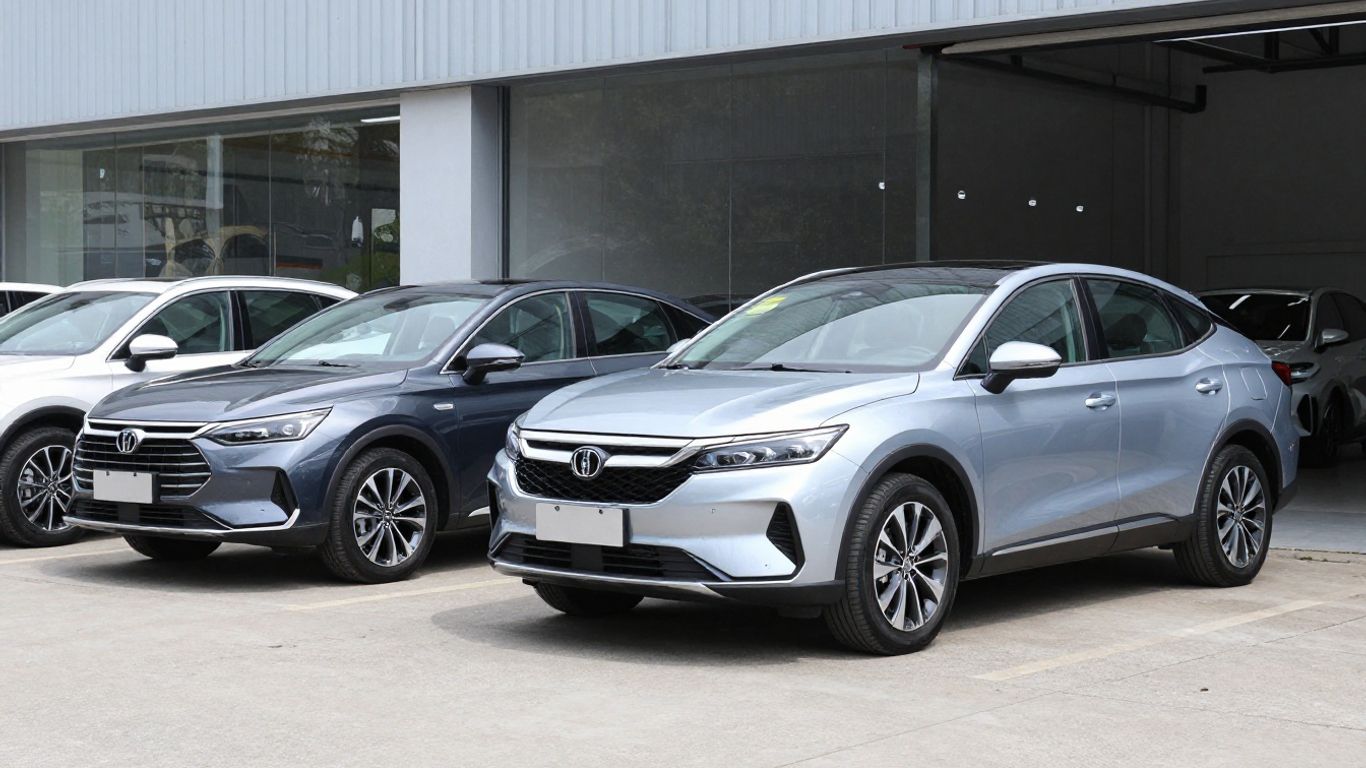
Sedans and SUVs overlap more than their traditional labels suggest, but their typical priorities differ. Sedans often favor efficient cruising, predictable handling, and a compact powertrain, while SUVs commonly place greater demands on seating, cargo, ground clearance, and towing. These are tendencies rather than rules, so the actual vehicle specification should always take priority.
Weight, cargo capacity, and passenger load
The motor must move the vehicle itself before it moves passengers, luggage, or a trailer. An SUV with a full cabin and cargo area can place a substantially different demand on the powertrain than it experiences on an empty test drive. A sedan may be lighter and more efficient, but frequent passengers or a heavy trunk load can still expose weaknesses in acceleration and cooling.
Think about the vehicle’s normal load rather than its occasional maximum alone. If most trips involve one driver and light cargo, selecting a motor solely for rare heavy use may add cost and consumption without much benefit. If the vehicle routinely carries a family, tools, or sporting equipment, leave enough performance margin for those conditions.
Acceleration and towing demands
Acceleration needs depend on traffic, road grades, merging, and the vehicle’s loaded weight. Towing adds another layer because the motor, transmission, cooling system, brakes, suspension, and drivetrain all work harder. A motor with strong low-speed torque can feel more suitable for towing than one with a higher peak horsepower figure but less useful output at low engine speed.
Check the complete factory towing specification rather than assuming a motor upgrade automatically increases towing capacity. The vehicle’s chassis and braking systems may remain the limiting factors. For an SUV used as a work vehicle, the correct choice is the one that supports the whole rated system safely and consistently.
Fuel economy and electric range priorities
Sedan buyers often place a high value on efficient commuting, while SUV buyers may accept higher energy use in exchange for space and utility. Electric vehicles add a different calculation: a larger, heavier vehicle may consume more energy per mile, making battery capacity and charging access especially relevant. Weather, speed, payload, tire choice, and heating or air conditioning can all affect actual results.
Use the driving pattern as the baseline. A short urban commute with dependable home charging may suit an efficient electric or hybrid powertrain, while frequent long-distance travel may place greater emphasis on refueling access and sustained highway performance. Stated ratings are useful comparisons, but they should not replace practical route planning.
Ride comfort, handling, and noise expectations
Powertrain character affects how a vehicle feels as much as its output does. A smooth electric motor can provide quiet acceleration, while a gasoline or diesel engine may introduce sound and vibration that vary with load and speed. Engine mounts, transmission tuning, tire selection, and suspension design also shape comfort.
A motor that is technically compatible may still deliver an unpleasant result if its vibration profile or calibration differs from the original unit. For a family SUV, low-speed smoothness and quiet cruising may matter more than a small gain in peak power. For a sedan, balanced response and lightness may be more valuable than maximum output.
Choosing between gas, diesel, hybrid, and electric motors
There is no universally superior motor type for every sedan or SUV. Fuel availability, annual mileage, charging access, towing needs, local regulations, purchase budget, and service support all influence the decision. Comparing the options on the same practical basis prevents a technology preference from outweighing the vehicle’s actual job.
When a gasoline motor makes sense
Gasoline engines remain a practical choice for many drivers because fuel is widely available and the technology is familiar to most repair networks. They can suit mixed driving, moderate annual mileage, and vehicles that need a reasonable balance of purchase price, performance, and serviceability. Compact gasoline engines are often well matched to lighter sedans and smaller SUVs.
The trade-offs include fuel consumption under heavy loads, regular oil and filter servicing, and the complexity of emissions and ignition systems. A gasoline motor should be judged by its complete operating cost and expected duty cycle rather than by engine size alone.
Advantages and limitations of diesel power
Diesel power can suit vehicles that spend significant time at highway speeds, carry heavy loads, or tow within their rated limits. Its torque delivery may feel useful in those conditions, but the system can include additional emissions equipment and specialized components. Short trips and extended idling may also be a poor match for some diesel configurations.
Before choosing diesel, verify local emissions rules, fuel availability, service expertise, and the vehicle’s maintenance history. A diesel motor is not automatically the economical option if the vehicle is used mainly for brief urban journeys or if specialist repairs are difficult to arrange.
How hybrid motors balance efficiency and performance
Hybrid powertrains combine an internal-combustion engine with electric assistance and a battery system. The electric motor can support acceleration and may allow the engine to operate more efficiently in some conditions. Regenerative braking can also return some energy to the battery, depending on the system design.
Hybrid systems require more than a compatible engine. Battery condition, inverter operation, cooling, control software, and high-voltage safety all need attention. They can be appealing for stop-start driving, but buyers should account for the age and condition of every major powertrain component.
Where electric motors offer the greatest benefits
Electric motors offer immediate response, quiet operation, and relatively simple mechanical power delivery compared with a conventional engine. They can be especially well suited to urban commuting, predictable daily routes, and drivers with convenient charging at home or work. Regenerative braking may also reduce friction-brake use in suitable driving conditions.
The main planning questions concern battery capacity, charging time, cold-weather performance, long-distance routes, and access to qualified high-voltage service. For a larger SUV, energy consumption and charging availability deserve particular attention because vehicle mass and speed can have a noticeable effect on range.
Matching motor specifications to vehicle use
Specifications are most useful when translated into the conditions the vehicle will actually face. A commuter sedan, an all-weather family SUV, and a regularly loaded utility vehicle should not be assessed against the same priorities. Start with the work the vehicle must perform, then decide which specifications support that work without adding unnecessary complexity.
Horsepower and torque requirements
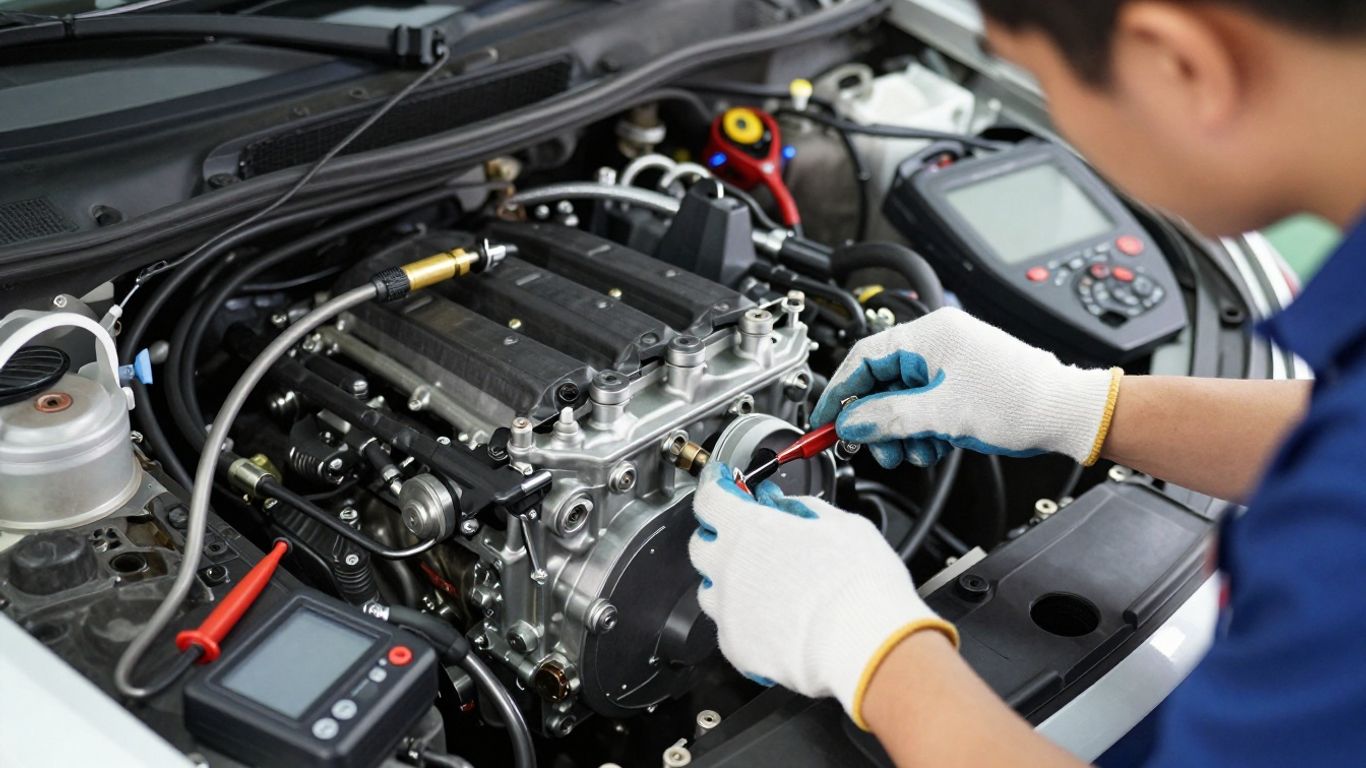
Horsepower and torque should be considered alongside curb weight, gearing, tire size, and load. More output can improve acceleration, but it may also increase fuel use, heat, insurance cost, and stress on other components. The objective is adequate performance with a useful margin, not the largest figure available.
For everyday driving, smooth torque delivery and predictable response often matter more than maximum power. For towing or steep terrain, low-speed torque, transmission cooling, and sustained thermal capacity become more important. Always compare the complete vehicle rating rather than treating the motor as an isolated upgrade.
Front-wheel, rear-wheel, and all-wheel drive
Drive layout affects how the motor’s output reaches the road. Front-wheel-drive systems package many components together and can work well for efficient passenger vehicles, while rear-wheel-drive layouts may suit different weight distributions and utility requirements. All-wheel drive adds hardware, control logic, weight, and maintenance considerations.
A replacement motor must match the correct transaxle or transmission arrangement, mounting system, driveshaft configuration, and control modules. Even when an engine family appears similar, a front-drive version may not be a direct substitute for a rear-drive application. Confirm the full driveline before comparing prices.
Battery capacity and charging considerations
Battery capacity affects how much energy can be stored, but usable range also depends on efficiency, temperature, speed, terrain, and payload. Charging equipment and household electrical capacity determine whether a vehicle can be replenished conveniently. For a hybrid, battery size and charging behavior must be assessed together with the engine and regenerative system.
A realistic charging plan should identify where the vehicle will charge, how often it will need energy, and what happens during longer trips. Buyers should also ask whether replacement battery modules, diagnostic support, and qualified installation are available for the specific vehicle.
Cooling and thermal management needs
Heat management protects the motor, transmission, battery, inverter, and related electronics. Heavy traffic, hot weather, steep grades, towing, and long highway runs can all increase thermal demand. A motor that performs well briefly may still be unsuitable if the cooling system cannot maintain safe operating temperatures.
Check radiators, fans, pumps, oil coolers, coolant circuits, and temperature sensors as applicable to the powertrain. Electric and hybrid vehicles may use separate circuits for different components. Cooling compatibility is easy to overlook during a replacement, yet it can determine reliability after installation.
Evaluating replacement and upgrade options
Replacement decisions should begin with identification and verification, not with the cheapest listing. A used, rebuilt, or new motor can be a sensible choice depending on condition, availability, warranty, and the vehicle’s remaining value. Upgrades require even more caution because the rest of the vehicle may not be designed for the additional output.
Checking fitment and manufacturer compatibility
Use the vehicle identification number, engine or motor code, transmission code, production date, and drivetrain details to confirm fitment. Compare mounting points, connectors, sensors, exhaust or cooling interfaces, and software requirements. Catalog descriptions can be broad, so ask for precise compatibility confirmation when model years or trims overlap.
A quality used, genuine, or aftermarket part may each serve a different budget and risk profile, but the part still needs to match the exact application. A nationwide car parts network can make sourcing faster, yet verification remains the buyer’s responsibility before payment and installation.
Reviewing emissions and regulatory requirements
A replacement motor must meet the emissions and equipment requirements that apply to the vehicle and location. Removing, bypassing, or mismatching emissions components can create inspection problems, warning lights, poor drivability, and legal concerns. These requirements may differ according to vehicle age, state or territory, and the type of modification.
Keep the original specification and confirm whether the replacement includes the required sensors, catalytic or particulate equipment, evaporative controls, and related wiring. A motor that runs is not necessarily a compliant replacement.
Comparing new, rebuilt, and used motors
New units generally offer the clearest history but may cost more than the vehicle justifies. Rebuilt units can provide a middle option when the rebuilder’s process, parts, testing, and warranty are clearly documented. Used motors may be economical, particularly for older vehicles, but mileage, storage, maintenance history, and included accessories need careful review.
Ask what is included and what is not. A bare motor may require the original intake, alternator, sensors, brackets, injectors, wiring, or control modules, which changes the final cost. The lowest advertised price can become less attractive once missing components and labor are included.
Understanding installation and calibration needs
Installation may involve transferring accessories, replacing seals, flushing fluids, programming control modules, and calibrating sensors. Hybrid and electric powertrains may require specialized isolation procedures and diagnostic equipment. Even conventional replacements can need immobilizer pairing or transmission communication checks.
Plan for post-installation testing rather than treating physical installation as the finish line. The vehicle should be checked for leaks, fault codes, correct temperatures, charging behavior where relevant, and normal operation under an appropriate road test.
Estimating ownership costs and long-term reliability
Purchase price is only one part of motor ownership. Fuel or electricity, scheduled service, unexpected repairs, installation labor, insurance implications, and replacement-part availability can change the total substantially. A slightly more expensive option may be the better value if it is easier to support and carries clearer warranty protection.
Purchase price and installation expenses
Request an itemized estimate that separates the motor, freight, fluids, seals, ancillary parts, programming, labor, and disposal charges. Ask whether the quoted unit is complete or supplied as a long block, short block, bare motor, or assembly with accessories. This distinction can make two apparently similar prices difficult to compare.
Installation access also affects labor. A crowded SUV engine bay, hybrid system, or all-wheel-drive layout may require more time than a simpler sedan application. Include diagnostic and testing time in the budget rather than adding it only after the work begins.
Maintenance requirements by motor type
Gasoline and diesel engines typically require oil, filter, cooling, and ignition or fuel-system attention, with diesel systems often adding emissions-related service. Hybrid vehicles combine conventional maintenance with battery, inverter, and high-voltage system checks. Electric motors may have fewer routine mechanical service items, but their battery and electronics remain important long-term components.
Use the vehicle maker’s service schedule as the baseline, then adjust for towing, dusty roads, short trips, extreme temperatures, or heavy traffic. Maintenance history is often a stronger reliability clue than the motor type by itself.
Warranty coverage and replacement parts
Read warranty terms before choosing a replacement. Confirm the duration, mileage limit, labor coverage, exclusions, return procedure, and requirements for installation by an approved technician. A warranty that covers only the motor may leave substantial diagnostic or removal costs with the owner.
Parts availability matters just as much after installation. Check whether filters, sensors, seals, batteries, control modules, and other service items can be sourced for the exact application. Clear documentation and a dependable supplier relationship can reduce downtime when a problem appears.
Resale value and expected service life
A well-documented replacement can support resale confidence, especially when receipts, part identification, mileage, and installation records are retained. An unusual conversion or poorly documented upgrade may make a future buyer cautious, even if the vehicle drives well. Factory-compatible parts are generally easier to explain and service.
Expected service life depends on maintenance, operating conditions, prior damage, storage, and the quality of installation. Avoid promising a fixed lifespan based only on the motor category. Instead, assess its history and match expectations to the vehicle’s age and intended use.
Making the final motor selection
The final decision should be a practical match between the vehicle, the driver, and the available support. Start with verified fitment, then weigh performance, efficiency, cost, compliance, and serviceability. If two options meet the technical requirements, the one with clearer documentation and easier parts access is often the safer purchase.
Prioritizing daily commuting versus utility
A daily commuter usually rewards quiet operation, efficiency, easy servicing, and dependable cold starts or charging. A utility-focused SUV may need stronger low-speed response, cooling capacity, payload support, and proven performance under sustained load. The best motor is the one that fits the dominant use, not the most demanding scenario that happens once a year.
Write down the normal route, passenger count, cargo, terrain, towing frequency, and access to fuel or charging. Those details quickly reveal which specifications deserve the most attention.
Balancing performance with operating costs
Extra power can be attractive, but it may bring higher consumption, more expensive components, and greater stress on transmissions or cooling systems. Conversely, choosing too little capacity can create constant strain and disappointment. Aim for enough output to handle the vehicle’s normal maximum load comfortably without paying for capability that will rarely be used.
Compare estimated annual energy, scheduled maintenance, insurance effects, installation, and likely repairs. This broader view makes it easier to distinguish a genuinely economical option from one that is merely cheap at the time of purchase.
Avoiding common compatibility mistakes
Many problems begin with an incomplete part description or an assumption that nearby model years share identical components. Another common mistake is pricing the motor without checking accessories, programming, emissions equipment, or drivetrain differences. For hybrid and electric vehicles, overlooking high-voltage compatibility can be particularly serious.
Before ordering, confirm these practical details:
- Exact vehicle identification number and model year.
- Motor or engine code, transmission, and drive layout.
- Included accessories, sensors, wiring, and control modules.
- Emissions, warranty, installation, and return requirements.
After these checks, compare the delivered and installed cost rather than the listing price alone. A short verification call can prevent a long and expensive return process.
Building a practical comparison checklist
A simple checklist keeps the decision grounded when several options appear similar. Record the original specification, the proposed replacement, and the evidence supporting compatibility. Then assess whether the option suits the vehicle’s normal load and future ownership plans.
| Comparison point | What to verify | Why it matters |
|---|---|---|
| Fitment | Vehicle, motor code, transmission, drivetrain | Prevents physical and electronic mismatch |
| Output | Horsepower, torque, load, and towing needs | Confirms usable performance |
| Energy | Fuel use, battery capacity, or charging access | Estimates running convenience and cost |
| Support | Warranty, parts, diagnostics, and installer | Reduces downtime and repair risk |
Use the completed comparison to identify trade-offs rather than searching for a perfect specification. If the documentation is unclear, pause the purchase and request more detail from the supplier or technician. Careful verification is usually cheaper than correcting an incompatible installation.
Conclusion
Choosing the right motor for sedan and SUV applications means matching the powertrain to the vehicle’s weight, use, drivetrain, budget, and support network. Whether the answer is gasoline, diesel, hybrid, or electric, verify fitment and total ownership cost before focusing on headline performance. A documented, compatible motor with suitable cooling, controls, warranty, and parts access is more valuable than an impressive specification that does not belong in the vehicle.