Engines Australia

Author name: Devteam

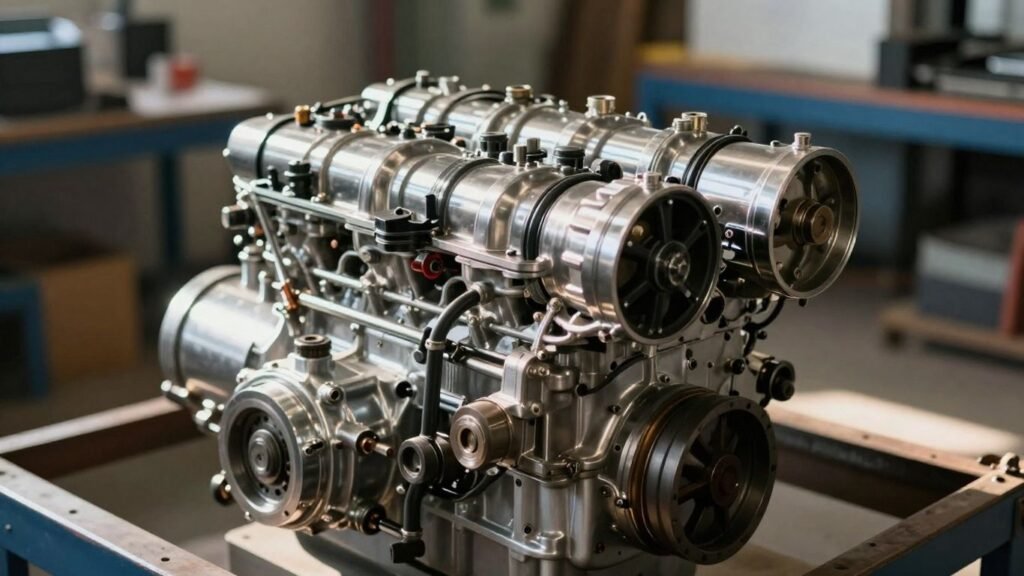
Reconditioned car engine in Melbourne
Blog

How to Choose the Best Reconditioned Engines in Melbourne: A Comprehensive Guide for 2026

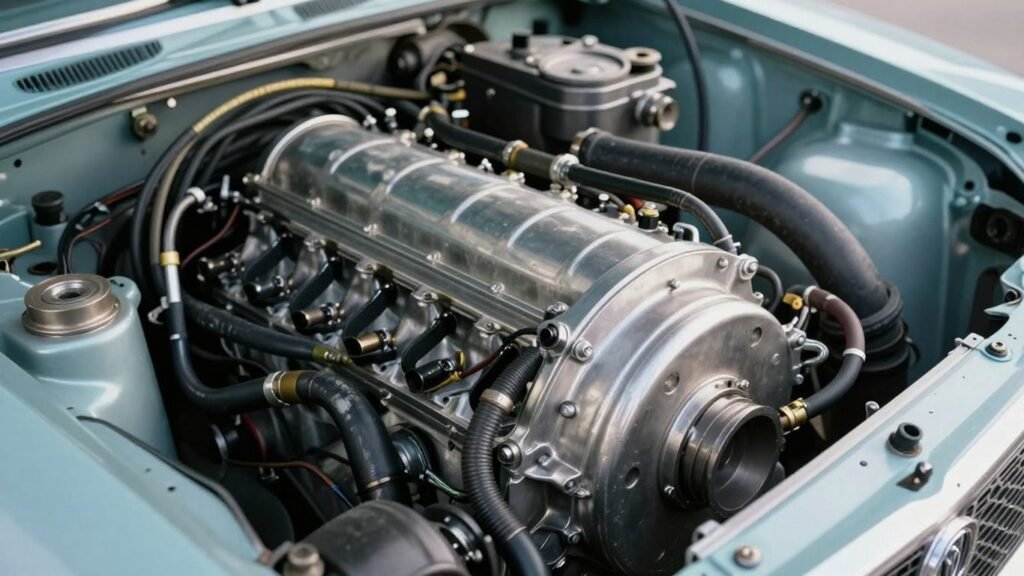
So, your car’s engine is making some weird noises, or maybe it just gave up the ghost entirely. It happens. When you’re in Melbourne and need a replacement engine, looking at reconditioned ones is a smart move. It can save you a good chunk of cash compared to buying brand new. But, like anything, you don’t want to just grab the first one you see. There’s a bit to know about picking the right one so you don’t end up with more problems. This guide will walk you through what you need to check when you’re looking for reconditioned engines in Melbourne. Key Takeaways Reconditioned engines have been taken apart, cleaned, and had worn-out parts replaced before being put back together. They offer a good balance of cost savings and reliability compared to brand new or used engines. When looking for reconditioned engines in Melbourne, check how the engine was inspected and tested. Always look into the warranty offered, as this protects your investment. Make sure the engine you choose matches your car’s specific needs and consider installation. Understanding Reconditioned Engines in Melbourne What Constitutes A Reconditioned Engine? A reconditioned engine is basically an old engine that’s been stripped down, cleaned up, and fixed so it runs almost like new. The main goal is to extend the engine’s lifespan without the cost and hassle of buying something brand new. The engine is taken apart. All pieces are checked, cleaned, and any broken bits are swapped out with fresh parts. It’s then put back together and tested until it’s working right. You can almost think of it as a second chance for engines—giving your car more time on Melbourne roads with less risk than gambling on something just pulled from a wreck. With the right reconditioning, even engines past their prime can get reliable performance and smoother operation for years to come. Benefits Of Choosing Reconditioned Over New For plenty of Melburnians, getting a reconditioned engine is about balancing cost and reliability. Here’s why it often makes sense: Lower upfront cost — usually much cheaper than new, often up to 50% less. Environmentally smarter — you’re reusing, not contributing to more waste. Comes with warranty — (from the good suppliers, at least). New Engine Reconditioned Engine Typical Price $7,000 – $12,000 $3,000 – $6,000 Warranty 3-5 years 1-3 years Environmental Impact High (new manufacturing) Lower (reuse major parts) Basically, you get a lot of the reassurance of a new engine—at a price that often fits tighter budgets, especially in a city as pricey as Melbourne. Key Differences Between Reconditioned and Used Engines It’s easy to confuse reconditioned with just plain used, but they’re really not the same thing: Reconditioned means the engine has been opened up, checked, and fixed. Used just means it was taken from another car. You get a warranty and test results with a reconditioned engine. Not always with used. There’s a clear record of what was repaired or replaced if you pick reconditioned. Here’s a quick side-by-side: Used Engine Reconditioned Engine Parts Checked/Refreshed No Yes Warranty Rare Common Reliability Unknown High (if reconditioned well) If you just grab any old used engine, it could have hidden problems. Reconditioned engines save you from that headache because everything’s checked before you even fire it up. Evaluating Engine Quality and Reliability So, you’ve decided a reconditioned engine is the way to go for your car in Melbourne. That’s smart. But how do you actually know if the engine you’re looking at is any good? It’s not like buying a new one off the shelf where everything is guaranteed. You need to do a bit of digging. Inspection Processes for Reconditioned Engines When a reconditioned engine is prepared, it goes through a series of checks. Think of it like a doctor giving you a check-up. They’re looking for any potential problems before they become big ones. This usually involves: Visual Inspection: A good mechanic will look over the entire engine. They’re checking for any obvious damage, leaks, or signs of wear that might have been missed. Cleaning and Degreasing: Before anything else, the engine needs to be spotless. This allows for a proper look at all the parts. Component Checks: Each major part, like the cylinder head, block, and crankshaft, gets examined for cracks, warping, or excessive wear. Compression Testing and Performance Checks This is where you really get to see how the engine performs. A compression test is pretty standard. It measures how well the cylinders are sealing and how much power they can generate. Compression Test: This involves removing the spark plugs and using a special gauge to measure the pressure in each cylinder. You want to see consistent readings across all cylinders. A big difference between cylinders can mean trouble. Leak-Down Test: Sometimes, a leak-down test is done too. This is more detailed and helps pinpoint where any compression loss might be happening – like a bad valve or piston ring. Cold and Hot Starts: If possible, seeing the engine start up both cold and warm can tell you a lot about its overall health. Assessing Component Quality and Durability Beyond the basic tests, you need to think about the quality of the parts used and how long they’re likely to last. A reconditioned engine is only as good as the parts put back into it. Brand of Replacement Parts: Were new, quality parts used, or were cheaper alternatives chosen? Reputable suppliers will use reputable brands. Machining Quality: If parts like the crankshaft or cylinder head were machined, was it done to precise specifications? Poor machining can lead to premature failure. Assembly Standards: Was the engine put back together by experienced technicians? Proper torque settings and clean assembly are vital. When you’re looking at a reconditioned engine, don’t be afraid to ask questions. A good supplier will be happy to explain their inspection and reconditioning process. If they seem cagey or unwilling to share details, that’s a red flag. Finding Reputable Reconditioned Engine Suppliers So, you’ve decided
Used car engines for sale in Sydney.
Blog

Find Quality Used Engines in Sydney: Your Ultimate Guide

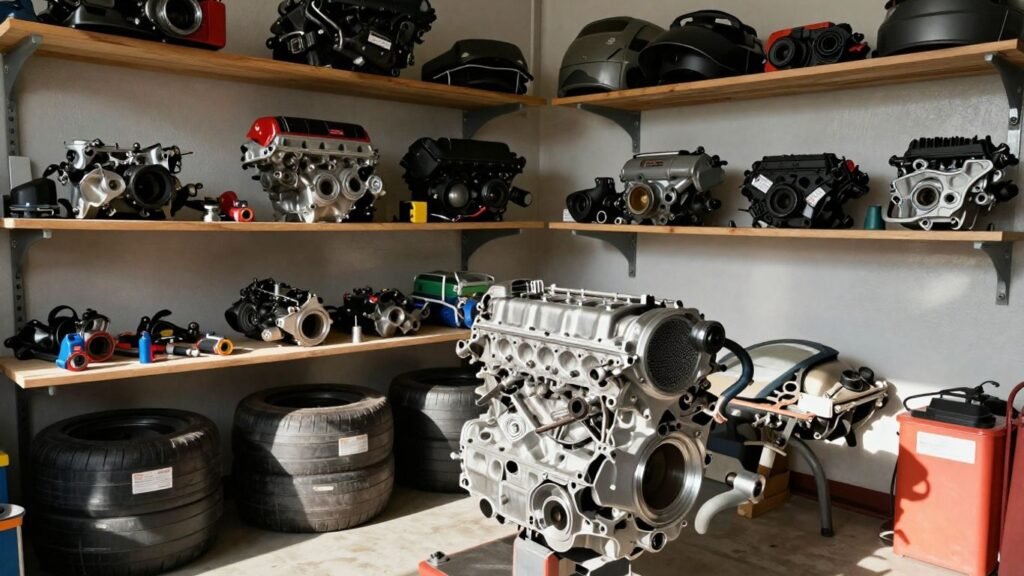
So, you’re on the hunt for used engines in Sydney? It can feel a bit like a scavenger hunt, trying to find a good one that won’t break the bank or leave you stranded. Finding the right engine for your car doesn’t have to be a massive headache, though. This guide is here to help you sort through the options, figure out what’s good, and make sure you get a solid used engine in Sydney without too much fuss. Key Takeaways Always check a seller’s reputation before buying used engines in Sydney. Confirm the engine’s part number matches your vehicle exactly. Ask about return policies and warranties for peace of mind. Consider shipping costs if buying from outside your immediate Sydney area. Sometimes, a good quality used engine is the best option for older vehicles. Where to Find Used Engines in Sydney So, you need a replacement engine for your car and you’re in Sydney. It can feel a bit overwhelming trying to figure out where to even start looking for a used one that won’t give you more trouble than it’s worth. But don’t worry, finding a decent used engine in Sydney is totally doable if you know where to point yourself. It’s not always about the flashiest ad; it’s about finding reliable sources. Exploring Online Marketplaces and Directories These days, a lot of the legwork can be done right from your couch. Websites like eBay and Gumtree are often the first stop for many people hunting for car parts. You’ll find listings from sellers all over Sydney and even further afield. It’s a good idea to really look at the seller’s feedback and read the descriptions carefully. Sometimes, dedicated online auto parts directories can also be helpful, listing various suppliers in one spot. Just remember, if a deal looks way too good to be true, it probably is. Keep your wits about you. Check seller reviews thoroughly. Read all part descriptions and specifications. Compare prices across different platforms. Discovering Specialized Sydney Wreckers If you’re looking for something a bit more specific, or just want to deal with people who really know their stuff, finding specialized wreckers is a smart move. These are often businesses that focus on particular makes or models of cars. They’re more likely to have the exact engine you need and can often give you solid advice based on their experience. It’s like having a mechanic who’s an expert in your car’s brand. I once needed a part for an older car, and the general auto parts store had no clue, but the specialist wrecker knew exactly what I was talking about and had it in stock. Dealing with specialists means you’re often talking to people who have a deep familiarity with the vehicles they dismantle. This can translate into better advice and a higher chance of finding the right component without a lot of guesswork. Leveraging Local Sydney Retailers Don’t forget about the local shops in your neighbourhood. Sometimes, smaller, independent mechanics or auto parts stores that might specialize in certain types of vehicles (like European cars, for example) can be a goldmine. They might have a used engine on hand, or they might know someone who does. Building a good relationship with a local shop can pay off in the long run. They might start to recognize your car and what you’re looking for, making future searches easier. Inspecting Quality Used Engines So, you’ve found a potential used engine in Sydney, but how do you know if it’s actually any good? It’s not just about the price tag, you know. You’ve got to do a bit of digging to make sure you’re not buying someone else’s headache. Think of it like checking out a used car – the engine is the heart of it all, and if that’s not healthy, you’re in for trouble. Checking the Engine Block and Cylinder Head First things first, give the engine block a good look-over. You’re looking for any obvious cracks or signs of serious damage. Sometimes, engines can overheat, and that can cause problems. Also, check the cylinder head. Warping or damage here can be a real pain to fix. Look for any signs of leaks around these areas, especially where the head meets the block. It’s also worth asking if the engine was tested before it was removed from the donor vehicle. A quick visual check can tell you a lot, but sometimes you need to ask the right questions. Assessing Oil Pan and Gasket Condition Next up, the oil pan. Get underneath (if you can safely) and check for any big dents or signs of leaks. If you can see inside the oil pan, look for sludge. A lot of gunk in there usually means the oil wasn’t changed regularly, which isn’t a great sign for the engine’s overall health. Then there are the gaskets – like the valve cover gasket and head gasket. Look for any signs of oil or coolant leaks around them. Cracks or a crusty buildup can mean they’re on their way out, and replacing them can be a bit of a job. Inquiring About Engine History and Mileage This is super important. Don’t just take the mileage number at face value. Ask about the vehicle the engine came from. How many kilometres did it have? Was it regularly serviced? A detailed service history is like a report card for the engine. It shows if the previous owner actually took care of it. Regular oil changes are key. If they can’t provide any history, or if the records look spotty, that’s a bit of a red flag. You want an engine that’s been looked after, not one that’s been neglected. It really makes a difference in how long it’ll last you. When you’re inspecting a used engine, think about its past. How many miles did it run? Was it looked after? These questions can give you a good idea of its future performance. Don’t just look at the shiny

High-quality engine for sale in Australia
Blog

Explore Top-Quality Engines Australia for Every Need

Picking the right engine for your car can feel like a big deal, especially when you’re looking in Engines Australia. Whether you need something tough for work, a zippy motor for the city, or a powerful heart for a project car, there are tons of options out there. We’re going to look at some popular choices that people often go for, covering a range of needs and budgets. It’s all about finding that perfect fit to get you back on the road or out there exploring. Key Takeaways When looking for Engines Australia, consider both new crate engines and reliable used options to fit your budget and needs. Many suppliers offer engines built specifically for Australian conditions, focusing on durability and real-world performance. Check for engines with updated designs and improved reliability features, not just older stock. Look for suppliers who hold their own stock and can dispatch quickly, avoiding long waits and overseas shipping issues. Understand the warranty process; a clear, evidence-based approach is better than vague promises. 1. Holden 308 V8 The Holden 308 V8 is a classic piece of Australian automotive history. For years, it powered many Holden models, becoming a familiar sound and feel for drivers across the country. It’s known for its solid construction and the distinctive rumble that enthusiasts love. When people talk about building or upgrading these engines, they often look for parts that can bring out more power while keeping that classic V8 character. Think about things like better intake manifolds, improved exhaust systems, or even a camshaft upgrade to give it a bit more punch. Here’s a quick look at what makes the 308 special: Robust V8 design: Built with durability in mind, making it a good base for modifications. Iconic Australian engine: A significant part of local car culture and heritage. Adaptable for performance: Can be modified to suit various driving needs, from daily use to more spirited driving. This engine is a favorite for restoration projects and custom builds where that authentic Australian V8 experience is desired. It’s not uncommon to see these engines being rebuilt with modern touches. People might add electronic ignition for better reliability or upgrade the carburetion for improved fuel delivery. The goal is often to keep the spirit of the original engine while making it perform better for today’s roads. Working with a Holden 308 often means dealing with parts that have been around for a while. Finding good quality replacements or performance upgrades requires a bit of know-how, but the result is an engine that has a real connection to Australia’s motoring past. 2. Ford V8 When you think of classic Aussie muscle, the Ford V8 often comes to mind. These engines have a long history down under, powering everything from Falcons to F-Series trucks. They’re known for their distinctive rumble and the sheer grunt they provide. Ford Australia has offered a few different V8 flavours over the years, but the Windsor and Cleveland families are probably the most talked about. The Windsor, often seen in smaller displacements, is a bit of a workhorse, while the Cleveland, typically larger, is all about brute force. Finding a good Ford V8 for your project in Australia is definitely achievable, whether you’re looking for a fresh crate engine or a solid used unit. Many specialists focus on these iconic engines, offering parts and full rebuilds. Here’s a quick look at what makes them special: Sound: That unmistakable V8 burble is a big part of the appeal. Power Potential: With the right modifications, these engines can make serious horsepower. Parts Availability: Thanks to their popularity, parts are generally easy to find, especially for common models. Heritage: They’re a piece of Australian automotive history. If you’re after that classic Ford V8 experience, you’ll want to look for engines that have been well-maintained or professionally rebuilt. Many suppliers offer crate versions that come ready to drop in, often with upgrades for better reliability and performance. Building or restoring a Ford V8 often means diving into a rich history of Australian performance. These aren’t just engines; they’re part of the country’s motoring culture, and getting one right can be a really rewarding experience. 3. Chevy LS1 The Chevy LS1 engine is a pretty popular choice for a lot of Aussie car enthusiasts, and for good reason. It’s a 5.7-liter V8 that first showed up in the late 90s, and it’s found its way into all sorts of vehicles, from Commodores to early Monaros and even some performance Fords back in the day. It’s known for being a solid performer right out of the box, but it also has a ton of potential for upgrades. People love them because they’re relatively compact for a V8, they make good power, and there’s a massive aftermarket for parts. You can find pretty much anything you need to tweak them, whether you want a bit more grunt for daily driving or something seriously wild for the track. Here’s a quick look at some of its key specs: Displacement: 5.7 Liters (346 cubic inches) Configuration: V8 Block Material: Aluminum Power Output (Stock): Typically around 305-350 horsepower, depending on the application. Torque Output (Stock): Around 335-385 lb-ft. When you’re looking at an LS1, especially if you’re thinking about buying one for a project, it’s always a good idea to check its history. Like any engine, they can have their quirks, and maintenance is key. Finding a well-looked-after unit makes a huge difference. The LS1 represents a significant step in V8 engine design, offering a blend of performance and efficiency that made it a favorite for both factory applications and aftermarket tuning. Its aluminum construction helps keep weight down, which is always a bonus for handling. Whether you’re building a classic muscle car or just want a reliable, powerful engine for your daily driver, the LS1 is definitely worth considering. There are plenty of specialists in Australia who know these engines inside and out, ready to help you get the most out of yours. 4. LS2

Car maintenance tools and a clean vehicle.
Blog

Unlock Peak Performance: Essential Preventive Maintenance Tips for Your Vehicle

Keeping your car running well means more than just filling it with gas and hoping for the best. Think of it like taking care of yourself – a little bit of regular attention can stop small issues from becoming big headaches. We’re talking about preventive maintenance tips for better vehicle performance here. It’s about making sure your car is ready for the road, saving you money, and just making life a bit easier. Let’s get into some simple things you can do. Key Takeaways Check your car’s fluids regularly, like oil, transmission fluid, brake fluid, and coolant. Low levels can cause serious problems. Keep an eye on your tires. Make sure they have the right air pressure and get them rotated so they wear evenly. Don’t forget about your battery. Clean the terminals and make sure it’s charged to avoid getting stranded. Change your air filter when needed. A clean filter helps your engine run better and use less gas. Pay attention to any strange noises or warning lights. They’re your car’s way of telling you something needs attention. Essential Fluid Checks for Optimal Performance Think of your car’s fluids like its lifeblood. They keep everything moving smoothly and prevent parts from grinding against each other. Skipping checks on these can lead to some pretty big headaches down the road, and nobody wants that. It’s not super complicated, and a little bit of attention can save you a lot of trouble. Monitoring Engine Oil and Transmission Fluid Engine oil is probably the one most people know about. It lubricates all the moving parts inside your engine, reducing friction and heat. When it gets old or low, it can’t do its job properly, and that’s when engine damage can start. You should check your oil level regularly, maybe once a month, and definitely before any long trips. Just pull out the dipstick, wipe it, stick it back in, pull it out again, and check the level against the markings. If it’s low, add the type of oil recommended in your owner’s manual. Don’t just pour anything in there! Transmission fluid is just as important, but it’s often overlooked. This fluid keeps your transmission gears lubricated and helps with smooth shifting. If the level is low or the fluid is dirty, you might notice your car hes and jerks when it shifts gears. Eventually, this can cause serious damage to the transmission, and those repairs are no joke. Checking it usually involves a dipstick too, but sometimes it’s a bit trickier to access, and you might need to do it with the engine running. Again, your owner’s manual is your best friend here. Ensuring Proper Brake Fluid and Coolant Levels Brake fluid is what makes your brakes work. When you press the brake pedal, this fluid transfers that force to the brake calipers, which then squeeze the rotors to slow you down. If the brake fluid level is low, your brakes won’t be as effective, which is a major safety concern. You’ll usually see a small reservoir for it under the hood. Keep an eye on the level in that reservoir. If it’s consistently dropping, it could mean there’s a leak somewhere in the brake system, and you should get that checked out immediately. Coolant, also known as antifreeze, is what keeps your engine from overheating, especially in hot weather or when you’re stuck in traffic. It circulates through the engine, absorbing heat, and then goes to the radiator to cool down. You’ll find a separate reservoir for coolant, usually made of translucent plastic. Make sure the level is between the ‘min’ and ‘max’ lines when the engine is cool. If it’s low, add a 50/50 mix of coolant and distilled water, or whatever your manual suggests. Overheating can cause severe engine damage, so don’t mess around with this one. Keeping these fluids topped up and clean isn’t just about preventing breakdowns; it’s about making sure your car operates safely and efficiently every time you get behind the wheel. A few minutes of checking can save you hours of frustration and a lot of money later on. Here’s a quick rundown: Engine Oil: Check monthly. Lubricates engine parts, prevents wear. Transmission Fluid: Check as per manual. Ensures smooth gear changes. Brake Fluid: Check reservoir level regularly. Critical for stopping power. Coolant: Check reservoir level when cool. Prevents engine overheating. Tire and Battery Care for Reliability Maintaining Optimal Tire Pressure and Rotation Your tires are literally the only part of your car connecting you to the road, so taking care of them is a big deal. Keeping your tires properly inflated isn’t just about comfort; it directly impacts your safety and how much gas you use. When tires are underinflated, they wear out unevenly and can make your car harder to steer. Overinflated tires can lead to a rougher ride and are more prone to damage from potholes. It’s a good idea to check your tire pressure at least once a month, and definitely before any long trips. You can find the correct pressure for your specific vehicle on a sticker inside the driver’s side doorjamb or in your owner’s manual. Don’t just guess – use a reliable tire pressure gauge. Remember, the pressure listed on the tire’s sidewall is the maximum it can hold, not the recommended operating pressure. Beyond just pressure, regularly rotating your tires is super important. This means moving them from one position on the car to another. Doing this helps them wear down more evenly, which means they’ll last longer. Most manufacturers suggest rotating tires every 5,000 to 7,500 miles. If you’re not sure how to do it, a local mechanic can handle this for you. It’s a simple step that makes a big difference in tire longevity and your car’s handling. Keeping the Battery Terminals Clean and Charged A dead battery can leave you stranded faster than you can say "jump start." Most car batteries last between 3 to 5 years, but this can change depending

Auto parts delivery and installation service.
Blog

Seamless Reliable Auto Parts Delivery and Installation Services: Get Back on the Road Fast

Getting your car fixed can be a real pain, right? You need that one specific part, and suddenly your ride is stuck in the driveway. That’s where we come in. We handle the tricky stuff like getting you the right auto parts quickly and even getting them put on. Our goal is simple: get you back on the road without the usual hassle. Think of us as your go-to for reliable auto parts delivery and installation services, making a big problem feel a lot smaller. Key Takeaways Get your car parts delivered fast, so you don’t wait around forever. We can install the parts for you, making the whole repair process easier. Your parts are handled with care from pickup to delivery. We’re here to help with any questions or issues you might have. Our service is designed to get your vehicle running again quickly and smoothly. Experience Unmatched Efficiency With Reliable Auto Parts Delivery When your car needs a part, waiting around just isn’t an option. We get that. That’s why we focus on getting you what you need, fast. Our goal is to cut down on your downtime so you can get back to what matters. Swift Delivery Times for Minimal Downtime Nobody likes their car sitting in the shop longer than it has to. We know that every minute counts, whether you’re a mechanic trying to finish a job for a customer or a DIYer eager to hit the road. Our delivery system is built for speed. We aim to get those essential components to you as quickly as possible, cutting out the long waits you might expect from other services. This means less time spent staring at a disassembled engine and more time driving. Real-Time Tracking for Accurate Scheduling Ever wonder exactly where your part is? With our service, you won’t have to. We provide live tracking for all our deliveries. You can see your part’s journey from our warehouse to your doorstep. This isn’t just cool tech; it helps you plan your day better. Knowing when your part will arrive means you can schedule your work or your own time more effectively, avoiding unnecessary waiting. Enhanced Convenience for Professionals and DIY Enthusiasts Forget driving all over town trying to find the right part. We bring the parts to you. This saves you time, gas, and a whole lot of hassle. Professionals can keep their bays full and their customers happy, while home mechanics can finish projects without the usual scavenger hunt for components. It’s about making the whole process simpler and less stressful for everyone involved. Seamless Installation Services for Immediate Road Readiness Expert Technicians for Professional Installation Getting your car back on the road shouldn’t be a hassle. Our team of certified technicians is ready to handle the installation of your new auto parts. They know their way around all sorts of vehicles, from your everyday sedan to that specialized truck you rely on. They’re trained to get the job done right the first time, saving you from potential headaches down the road. We believe in quality work, so you can drive with confidence. Comprehensive Service for All Vehicle Makes No matter what you drive, we’ve got you covered. Our installation services aren’t limited to just a few popular models. We work with a wide range of vehicle makes and models, so whether you’re driving a domestic classic or a foreign import, our technicians have the knowledge to install your parts correctly. This means you don’t have to hunt around for a specialist for your specific car. We aim to be your one-stop shop for both parts and their installation. Convenient Scheduling to Fit Your Needs We get it – your time is valuable. That’s why we make scheduling your installation as easy as possible. You can book an appointment that works with your busy life, whether that’s early morning, late afternoon, or even on a Saturday. We want to minimize any disruption to your day. You can even get your parts delivered and installed on the same day in many cases, which is a huge plus when you need your vehicle operational quickly. Check out the wide selection of parts available at Lordco Auto Parts to get started. We understand that sometimes a part needs to be installed right away to keep your business moving. Our goal is to make that process as smooth as possible for you. Dependable Handling of Your Automotive Components When you’re waiting for a critical car part, the last thing you want is for it to arrive damaged or in the wrong condition. We get it. That’s why we put a lot of thought into how your auto parts are handled from the moment they leave the warehouse until they reach you. Our goal is to make sure every component arrives in perfect shape, ready for installation. Secure Packaging for Delicate Parts Some parts are just more fragile than others. Think about sensors, electronic control units, or even glass components. We use specialized packaging materials designed to cushion these items and prevent them from shifting during transit. This includes: Bubble wrap and foam inserts for shock absorption. Anti-static bags for sensitive electronics. Sturdy boxes or crates to maintain structural integrity. Clear labeling to indicate fragile contents. Careful Transportation to Prevent Damage It’s not just about the box; it’s about the journey. Our delivery vehicles are equipped to handle automotive parts safely. We avoid stacking heavy items on top of lighter, more delicate ones. Our drivers are trained to handle packages with care, understanding that these aren’t just boxes – they’re essential pieces for getting a vehicle back on the road. We also plan routes to avoid the bumpiest roads where possible, aiming for a smoother ride for your parts. Trustworthy Delivery Professionals Our team is the face of our service. We hire drivers who are not only reliable but also understand the importance of automotive components. They are trained to handle packages carefully and professionally. You can

Car repair bay with mechanic and vehicle.
Blog

Louisville’s Premier Source for Complete Car Repair and Spare Parts Support

Having car trouble is never fun. Especially when it’s something electrical, like your car not starting or lights acting weird. It can really throw a wrench in your day. Here in Louisville, finding a reliable place for complete car repair and spare parts support is key. We’re talking about getting your car fixed right, the first time, with parts that actually last. Let’s look at why taking care of your car’s electrical system and starter is so important and where you can get top-notch service. Key Takeaways Expert diagnostics can find tricky electrical problems fast. A healthy battery, starter, and alternator keep your car running. Watch for signs like slow cranking or flickering lights. Good parts make repairs last longer. Trusted shops have skilled techs and good customer service. Expert Auto Electrical and Starter Repair Your car’s electrical system is like its nervous system – it controls pretty much everything. When something goes wrong with the battery, starter, or alternator, it can really throw a wrench in your day. We get it. That’s why we focus on getting these critical components fixed right the first time. Comprehensive Electrical Diagnostics Figuring out what’s wrong with a car’s electrical system can be tricky. It’s not always obvious. We use specialized tools to pinpoint the exact issue, whether it’s a loose wire, a faulty sensor, or something more complex. Our goal is to find the root cause, not just patch up the symptoms. This means we can accurately diagnose problems like: Intermittent power failures Dashboard warning lights that won’t go away Issues with power windows or locks Problems with your car’s computer system Battery Services Your car’s battery is the heart of its electrical system. If it’s weak or dead, nothing else works. We check your battery’s health, not just if it has power, but its overall condition. We can replace old batteries with reliable ones and make sure the connections are clean and secure. We also handle proper disposal of old batteries, so you don’t have to worry about that. Starter Repair and Replacement That grinding or clicking sound when you try to start your car? That’s usually the starter motor telling you it’s had enough. We can inspect your starter, check its solenoid, and test the wiring. If it needs replacing, we’ve got you covered with quality parts that are built to last. Getting your car to start reliably is our top priority. Alternator Repair and Charging System Diagnostics The alternator keeps your battery charged while the engine is running and powers your car’s electrical components. If it’s not working right, your battery will eventually die, and other systems can start acting up. We perform thorough tests on your alternator and the entire charging system to make sure everything is functioning as it should. This includes checking belts and pulleys for wear and tear. A properly working charging system is key to avoiding unexpected breakdowns. Electrical problems can sometimes be sneaky. They might start small, like a light flickering now and then, but if left unchecked, they can lead to bigger, more expensive issues down the road. It’s always better to get them looked at sooner rather than later. Signs You Need Electrical or Starter Service Sometimes your car gives you hints that something’s not quite right with its electrical system or starter. Ignoring these signs can lead to bigger headaches down the road, like getting stranded somewhere inconvenient. It’s better to pay attention to what your car is telling you. Car Won’t Start or Cranks Slowly This is probably the most obvious sign. You turn the key, and either nothing happens at all, or you hear a slow, struggling sound like the engine is trying to wake up but just can’t. It might even just be a single click. This often points to a problem with the battery not having enough juice, a faulty starter motor, or an issue with the connections. Dimming or Flickering Lights Notice your headlights dimming when you accelerate, or your interior lights flicker when you use other electrical components like the power windows? This can be a sign that your alternator isn’t producing enough power to keep everything running smoothly. It’s like the car’s power supply is struggling to keep up. Dashboard Warning Lights That little battery symbol or a wrench icon lighting up on your dashboard isn’t just for decoration. A battery light usually means there’s a problem with the charging system, often the alternator. Other electrical warning lights could indicate issues with sensors, wiring, or other parts of the complex electrical network in your car. Electrical Accessories Malfunctioning Are your power windows moving slower than usual? Does the radio cut out randomly? Maybe the turn signals are acting up. When various electrical gadgets and gizmos in your car start acting weird or stop working altogether, it’s a strong indicator that there’s an underlying electrical issue that needs a look. Paying attention to these symptoms early on can save you a lot of trouble. It’s like listening to your body when it tells you something’s off – addressing it sooner rather than later usually makes for a simpler fix. Why Electrical System Maintenance Matters Your car’s electrical system is kind of like its nervous system. It’s not just about getting the engine to turn over; it’s about everything working together smoothly and safely. Skipping out on checking things like your battery, starter, and alternator can lead to some real headaches down the road. Think of it as preventative care for your car – a little attention now can save you a lot of trouble later. Ensuring Reliable Starts Nobody likes that sinking feeling when you turn the key and hear nothing but a sad click, or worse, silence. A well-maintained electrical system, especially a healthy battery and a strong starter, means you can count on your car to start up when you need it. This is especially true when the weather gets extreme, whether it’s freezing cold or scorching hot, as these conditions

Sports car driving fast on a scenic road.
Blog

Unlock Peak Driving: Expert Solutions for Vehicle Performance Improvement

So, you want your car to run better, right? Maybe it feels a bit sluggish, or you’re just curious about what’s possible. Getting your vehicle to perform at its best can make a huge difference in how you drive. It’s not just about going faster, though that’s part of it. It’s about making your car more responsive, more efficient, and honestly, more enjoyable to be behind the wheel of. We’re going to look at some expert solutions for vehicle performance improvement that can really change things up. Key Takeaways Getting more power from your engine often involves fine-tuning its computer and maybe adding some better parts. Upgrading your suspension can make your car handle corners way better and feel more stable on the road. Using a dynamometer (dyno) helps measure your car’s power accurately and check if tuning made a real difference. Better brakes mean you can stop faster and more safely, while a new exhaust can help the engine breathe easier. Finding the right experts is important to make sure upgrades are done right for your specific car. Unlock Peak Driving: Expert Solutions for Vehicle Performance Improvement Maximize Your Vehicle’s Potential Think of your car as having untapped potential. We’re talking about getting more out of your engine, making it run smoother, and maybe even getting better gas mileage. It’s not about turning your daily driver into a race car overnight, but about making smart adjustments that make a real difference. These improvements can make your everyday drives more enjoyable and your car feel more responsive. We look at what your car has and figure out how to get a bit more out of it, whether that’s a little extra pep in its step or just making it sip fuel a bit more carefully. Enhance Your Driving Experience What does it feel like to drive a car that’s performing at its best? It’s a feeling of connection and control. You notice how the car handles turns, how smoothly it accelerates, and how stable it feels on the road. We can adjust things like the suspension and steering components to make your car feel more planted and predictable. It’s about making every trip, from a quick run to the store to a long road trip, feel more engaging and less like a chore. We want you to feel confident and comfortable behind the wheel, no matter the road conditions. Tailored Solutions for Every Ride Every car is different, and so are the people who drive them. What works for one car might not be the best fit for another. That’s why we don’t believe in one-size-fits-all solutions. We take the time to look at your specific vehicle and talk about how you use it. Are you mostly driving in the city? Do you take it on the highway a lot? Do you ever hit some winding country roads? Knowing this helps us suggest the right upgrades. It could be anything from fine-tuning the engine’s computer to upgrading a few key suspension parts. The goal is to make improvements that make sense for your car and your driving habits. Amplify Your Engine’s Power and Efficiency Getting more out of your engine isn’t just about making noise; it’s about making your car work better. We’re talking about making it quicker, smoother, and even more efficient with your gas. It’s a pretty neat trick when you think about it. Precision Engine Tuning for Optimal Output Think of your engine’s computer, the ECU, as its brain. Tuning it means adjusting how that brain works. We can tweak things like fuel delivery and spark timing. This allows the engine to produce more power without working harder. It’s like giving your engine a custom-tailored suit instead of one off the rack. This can mean better acceleration and a more responsive feel when you press the gas pedal. Boost Horsepower with Performance Parts Sometimes, the stock parts just aren’t cutting it. Upgrading things like the exhaust system can make a big difference. A less restrictive exhaust lets the engine breathe easier, kind of like you breathing through a straw versus a wide pipe. We can also look at intake systems. Better airflow in and out means the engine can burn fuel more effectively, leading to more power. We’re not just slapping on parts; we’re choosing things that work well together for your specific car. Tune for Fuel Efficiency Without Sacrificing Performance It might sound like a contradiction, but you can actually improve your gas mileage while also getting more power. It all comes down to making the engine run smarter. By fine-tuning the air-fuel mixture and ignition timing, we can make sure every drop of gas is used as effectively as possible. This means you can go further on a tank of gas, and when you do need to accelerate, you’ve still got that extra punch. It’s about finding that sweet spot where performance and economy meet. Here’s a quick look at what we can adjust: Fuel Injector Pulse Width: Controls how much fuel gets into the engine. Ignition Timing: Dictates when the spark plug fires. Throttle Response: How quickly the engine reacts to your pedal input. Rev Limiter: The maximum engine speed before it cuts power. Making your engine work better isn’t just about raw power. It’s about making it more efficient, more responsive, and ultimately, more enjoyable to drive. We focus on making smart changes that benefit your car in multiple ways. Masterful Suspension and Handling Upgrades When you want your car to feel glued to the road, especially when you’re pushing it a bit, suspension and handling upgrades are where it’s at. It’s not just about looking cool, though that’s a nice bonus. We’re talking about making your car more stable, more predictable, and frankly, a lot more fun to drive. Think about hitting a corner – you want the car to feel planted, not like it’s about to slide out. That’s what good suspension does. Enhance Stability with Coilover Installations Coilovers are

Mechanic working on a car engine
Blog

How to Choose the Right Mechanic or Engine Supplier: A Comprehensive Guide

Finding the right mechanic or engine supplier can feel like a big deal, right? Your car or equipment is a pretty important thing, and you want to make sure it’s in good hands. There are a lot of places out there, and it’s easy to get overwhelmed. This guide is here to help you figure out what really matters when you’re looking for someone to fix your ride or keep your engines running smoothly. We’ll break down what to look for so you can make a smart choice. Key Takeaways Always check for certifications like ASE or manufacturer-specific training to know your mechanic is skilled. See what other people are saying by checking online reviews and asking friends for recommendations. Make sure the mechanic can handle the specific work you need done and compare their prices and warranties. A good mechanic should be professional, communicate clearly, and have the right tools for the job. Don’t ignore your gut feeling; if something feels off about a mechanic or shop, it’s okay to look elsewhere. Evaluating Mechanic Credentials and Certifications When you’re looking for someone to fix your car, you want to know they actually know what they’re doing, right? That’s where checking their qualifications comes in. It’s like hiring a chef – you’d want to see if they’ve been to culinary school or have some serious experience. Understanding ASE Certifications One of the big names in mechanic certifications is ASE, which stands for Automotive Service Excellence. Think of it as a stamp of approval. To get ASE certified, a mechanic has to pass tough tests and usually has a couple of years of hands-on work under their belt. It shows they’ve got the smarts and the practical skills to handle a bunch of different car problems. It’s a good sign they’re serious about their job. Recognizing Manufacturer-Specific Training Some mechanics go the extra mile and get training directly from car brands, like Ford, Honda, or BMW. This is super helpful if you drive a car that’s a bit unique or has fancy tech. These guys know the ins and outs of specific makes and models because they’ve been trained by the people who built them. It means they’re familiar with common issues and the best ways to fix them for your particular car. Verifying Mechanic Qualifications So, how do you actually check all this? It’s pretty straightforward. Most mechanics who are proud of their certifications will have them displayed in their shop. You can also ask them directly. If you want to be extra sure, you can often look up ASE-certified technicians on the ASE website. It’s worth taking a few minutes to confirm they’ve got the right credentials. It gives you a bit more peace of mind knowing you’re leaving your car with someone qualified. Don’t just assume a mechanic is good because they have a nice-looking shop. Digging into their certifications and training is a simple step that can save you a lot of headaches and money down the road. It’s about making an informed choice rather than just picking the closest place. Here’s a quick rundown of what to look for: ASE Certifications: Look for the blue ASE seal. It means they’ve passed tests in specific areas like brakes, engine repair, or electrical systems. Manufacturer Training: Especially important for newer or specialized vehicles. Ask if they have specific training for your car’s brand. Experience: While not a formal certification, years of experience in the field count for a lot. Ask how long they’ve been working on cars, particularly your type of car. Assessing Reviews and Recommendations When you’re looking for someone to fix your car, checking what other people say is a really smart move. It’s like asking your friends for advice before trying a new restaurant. You want to know if others had a good experience, right? These real-life stories can tell you a lot about a mechanic’s honesty, skill, and how they treat their customers. Leveraging Online Review Platforms These days, the internet is full of places where people share their thoughts. Websites like Google and Yelp are great starting points. You can see star ratings and read comments from folks who have actually used the service. Look for patterns in what people are saying. Are multiple people mentioning that Eddie was super easy to deal with and clearly explained costs? That’s a good sign. It’s also helpful to see how the shop responds to any negative feedback. A professional reply shows they care about fixing problems. Check Google and Yelp for local mechanics. Read comments about specific repairs or services. See how the shop handles complaints. Seeking Personal Referrals Don’t underestimate the power of a good old-fashioned recommendation from someone you know. Ask your family, friends, or coworkers if they have a mechanic they trust. They’ll likely give you the straight scoop on the work quality, how professional the staff was, and if the prices seemed fair. Getting a personal nod of approval can give you extra peace of mind. Interpreting Customer Testimonials When you’re looking at reviews, try to see the bigger picture. A single bad review among dozens of good ones might not mean much. But if you see the same complaint popping up again and again, that’s definitely something to pay attention to. Think about what matters most to you. Is it speed? Fair pricing? Clear communication? Find reviews that talk about those things. Sometimes, a mechanic might specialize in certain types of cars or repairs. If you have a specific issue or a less common vehicle, finding someone with that particular know-how can save you a lot of headaches and potentially money down the line. Don’t be afraid to ask about their experience with your car’s make and model. Here’s a quick way to think about it: Review Aspect What to Look For Overall Rating Mostly 4-5 stars suggests general satisfaction. Specific Comments Mentions of honesty, good work, fair prices. Problem Resolution How they handle complaints or mistakes. Frequency of

Worn car gearbox with mechanic's tools
Blog

Beyond the Grinding: Decoding the Signs Your Gearbox Needs Replacement

So, you’re hearing some weird noises from your car, or maybe it’s just not driving like it used to. It’s easy to panic and think the worst, but often, these are just signs your gearbox is trying to tell you something. Ignoring them can lead to bigger, more expensive problems down the road. Let’s break down what those sounds, smells, and feelings really mean, so you know when it’s time to get it checked out. We’re talking about the signs your gearbox needs replacement, and why paying attention now can save you a lot of hassle later. Key Takeaways Listen for unusual sounds like grinding, whining, clunking, or humming, as these are early indicators of gearbox trouble. Pay attention to changes in how your car drives, such as slipping gears, delayed shifting, rough gear changes, jerking, or shuddering. A burning smell often signals overheating transmission fluid, which can quickly damage internal components. Don’t ignore dashboard warning lights, especially the check engine or transmission warning light, as they point to specific issues. While minor repairs might suffice for some problems, widespread internal damage or contamination often means a rebuild or replacement is the more practical and cost-effective long-term solution. Recognizing the Audible Clues Your Gearbox Is Sending Sometimes, your car doesn’t just break down; it starts talking to you, or rather, making noises that tell a story. Your gearbox is no different. Ignoring these sounds is like ignoring a friend who’s clearly upset – it’s not going to end well. The Symphony of Sounds: What Grinding and Whining Mean That awful grinding noise, especially when you’re shifting gears or even just accelerating, is a big red flag. It usually means metal is scraping against metal, which is never a good sign. This can happen if the gears aren’t meshing properly, or if there’s a problem with the synchronizers that help them connect smoothly. A persistent whining sound, often getting louder as you speed up, can indicate issues with the bearings or the differential. It’s like a high-pitched scream from deep within the transmission, telling you something isn’t lubricated or aligned correctly. Decoding Clunks and Humms: Identifying Specific Gearbox Issues Beyond the grinding, listen for other sounds. A sudden clunk when you shift into drive or reverse? That could be worn-out mounts or a problem with the transmission’s internal components trying to engage. A low hum that seems to come from the transmission area, especially at certain speeds, might point to issues with the transmission fluid level or even the torque converter. These aren’t just random noises; they’re specific signals about what’s going on inside. For instance, a humming noise that changes pitch with your speed could be related to the transmission fluid itself, or the gears within. When Silence Isn’t Golden: The Danger of Unusual Noises It’s easy to think that if you don’t hear anything, everything is fine. But sometimes, the absence of expected sounds, or the presence of completely new ones, is just as worrying. A transmission that suddenly goes quiet when it used to make normal operating noises might be slipping internally. Conversely, any new, strange sound – a rattle, a squeal, or even a loud bang – should be investigated immediately. These sounds are your gearbox’s way of communicating distress, and the sooner you listen, the better chance you have of avoiding a costly breakdown. Grinding: Often occurs during gear changes or acceleration. Whining: Typically gets louder with increased speed. Clunking: Usually heard when shifting into gear (Drive or Reverse). Humming: Can be speed-dependent and indicate fluid or torque converter issues. These sounds are not just annoying; they are direct indicators of mechanical stress or failure within the gearbox. Addressing them promptly can prevent minor issues from escalating into major, expensive repairs. Understanding Performance Degradation: Signs Your Gearbox Needs Replacement Sometimes, your gearbox doesn’t scream for attention with loud noises or weird smells. Instead, it starts to act a little… off. You might notice changes in how your car drives, subtle at first, but they can point to bigger problems brewing inside. Ignoring these performance dips is like hoping a small leak will just fix itself – usually not how it goes. Slipping Gears: The Most Common Indicator This is a big one. You’re driving along, maybe accelerating, and suddenly the engine revs up, but your speed doesn’t increase like it should. Or, you might feel like the car is suddenly in neutral for a split second before catching itself. This feeling of the gear not holding is a classic sign of internal wear. It means the components responsible for locking gears in place aren’t doing their job properly. This often happens because of low transmission fluid, which messes with the hydraulic pressure needed for smooth engagement. Every time this happens, it creates more friction and heat, making the problem worse. Delayed Engagement: Hesitation When Shifting Ever put your car in Drive or Reverse and it just sits there for a second or two before actually engaging? That hesitation, that pause before you feel the car lurch forward, is another red flag. It’s not just a minor annoyance; it’s your gearbox telling you it’s struggling to connect the engine’s power to the wheels. This can also be linked to fluid issues, but it can also point to problems with the solenoids that control fluid flow or even the torque converter. It’s a sign that the system isn’t responding as quickly or as smoothly as it should. Rough or Hard Shifting Between Gears Modern cars are supposed to shift gears so smoothly you barely notice it. If you start feeling a noticeable jolt, a clunk, or even a grinding sensation when the transmission changes gears, that’s not normal. It feels like the gears aren’t meshing properly. This can happen for a few reasons, including low fluid levels, but it can also indicate that the internal components are worn out or damaged. Sometimes, this rough shifting is more noticeable at certain speeds, like when you’re cruising around 30-45

Car engine overheating with steam from radiator
Blog

Expert Guide to Troubleshooting Vehicle Overheating Issues: Causes and Solutions

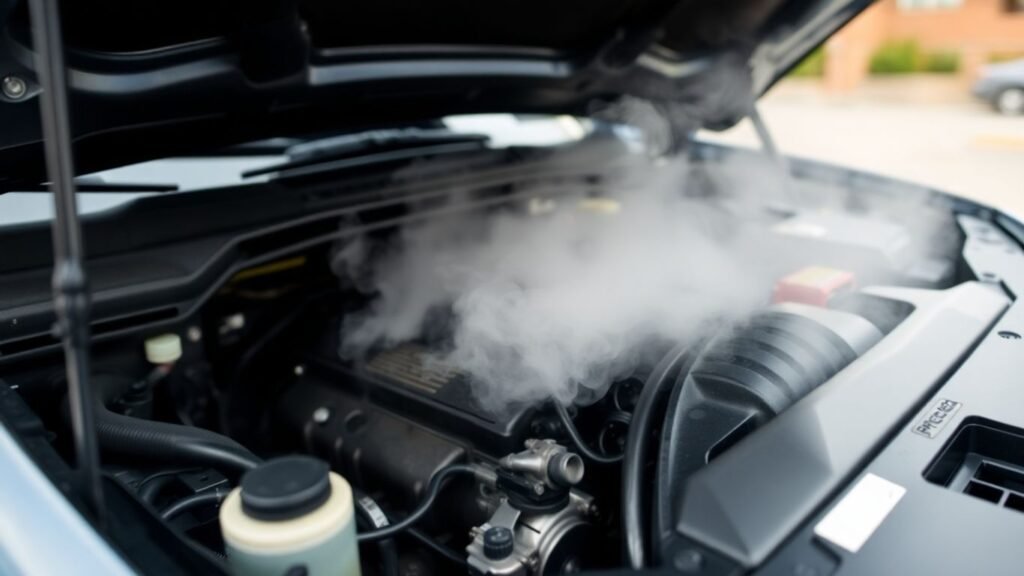
So, your car’s temperature gauge is creeping up, or maybe you’ve seen some steam coming from under the hood. It’s not a fun situation, and it can be pretty worrying. Dealing with an overheating car can feel like a big deal, but often, the causes are pretty straightforward. This guide is here to help you figure out what’s going on and how to fix it. We’ll walk through the common signs, what might be causing the problem, and what you can do about it, so you can get back on the road without any more heat-related drama. Key Takeaways Watch out for your car’s temperature gauge hitting the red zone, steam from the engine, or dashboard warning lights – these are signs your car is overheating. Common culprits for overheating include low coolant, leaks in the cooling system, a stuck thermostat, or a water pump that isn’t working right. Problems with your radiator, like blockages or a fan that’s not spinning, can stop your car from cooling down properly. Check the belts and hoses connected to your water pump; if they’re damaged or loose, they can stop coolant from circulating. Regularly checking coolant levels, inspecting hoses and the radiator, and keeping belts in good shape are the best ways to prevent your car from overheating in the first place. Recognizing The Signs Of Vehicle Overheating Issues So, your car’s temperature gauge is acting up, or maybe you’re seeing something weird under the hood. Don’t panic just yet, but it’s definitely time to pay attention. Catching an overheating engine early can save you a ton of money and hassle down the road. Ignoring these signs is like ignoring a leaky faucet – it usually just gets worse. Temperature Gauge Readings This is probably the most obvious sign. You know that little gauge on your dashboard that shows your engine’s temperature? Normally, it sits somewhere in the middle, right? Well, if that needle starts creeping up towards the ‘H’ or, even worse, into the red zone, that’s your car telling you it’s getting too hot. It’s not just a suggestion; it’s a warning. Visible Steam Or Smoke If you see steam or smoke puffing out from under the hood, especially when the car is stopped or just after you’ve turned it off, that’s a pretty clear indicator something’s not right. It usually means coolant is escaping and hitting hot engine parts, turning into steam. It can look pretty dramatic, but try to stay calm and pull over safely. Dashboard Warning Lights Modern cars have all sorts of warning lights, and there’s usually one specifically for engine temperature or a general engine warning light that might come on when things get too hot. It might look like a thermometer or just be the check engine light. Whatever it is, if it lights up and your car feels like it’s running hotter than usual, take it seriously. Unusual Engine Odors Sometimes, you can smell an overheating engine before you see or feel it. You might notice a sweet smell, which is often from leaking coolant, or a burning smell, which could indicate oil or other fluids getting too hot. These smells aren’t normal and are a sign that something in the engine bay is getting excessively hot. When your car’s temperature gauge climbs higher than normal, it’s a signal that the cooling system isn’t doing its job effectively. This could be due to a variety of issues, from simple low fluid levels to more complex mechanical failures. Acting quickly upon noticing these signs is key to preventing severe engine damage. Here’s a quick rundown of what to look out for: Temperature Gauge: Needle in the red zone or significantly above normal. Visual Cues: Steam or smoke coming from under the hood. Warning Lights: Red or yellow engine-related lights illuminating on the dashboard. Smells: Sweet (coolant) or burning odors from the engine area. If you notice any of these, it’s best to pull over when it’s safe and let the engine cool down before attempting any checks or driving further. Common Causes For Troubleshooting Vehicle Overheating Issues So, your car’s temperature gauge is creeping up, or maybe you’ve seen a wisp of steam? Don’t panic just yet. While it’s definitely a sign something’s up, overheating often boils down to a few common culprits within the cooling system. Understanding these can save you a lot of headaches and potentially expensive repairs. Low Coolant Levels This is probably the most straightforward reason your engine might be running too hot. Coolant, also known as antifreeze, is the lifeblood of your car’s temperature regulation. It circulates through the engine, absorbs heat, and then dissipates it through the radiator. If the level drops too low, there just isn’t enough fluid to do the job effectively. This can happen due to evaporation over time or, more commonly, because of a leak somewhere in the system. You might notice the level dropping gradually or quite rapidly if there’s a significant breach. Keeping an eye on your coolant reservoir is a good habit to get into. Cooling System Leaks Leaks are the usual suspects when coolant levels drop unexpectedly. These aren’t always obvious, either. They can occur in various places: Hoses: Rubber hoses can become brittle, crack, or swell over time, leading to leaks. Radiator: The radiator itself can develop cracks or corrosion, especially at the seams or where the fins meet the tanks. Water Pump: The seal on the water pump can fail, causing coolant to drip out. Heater Core: This smaller radiator inside your car’s cabin can also leak, sometimes resulting in a sweet smell inside the car or damp carpets. Head Gasket: A more serious issue, a blown head gasket can allow coolant to escape the engine block or enter the combustion chambers. Finding a leak often involves a visual inspection, looking for tell-tale puddles under your car or dried coolant residue on components. Sometimes, a mechanic might use a pressure tester to pinpoint a hard-to-find leak. Faulty Thermostat

Scroll to Top