
Key Takeaways
Buying auto parts online is easier when you confirm the vehicle and part details before comparing prices. A little preparation can prevent delays, incorrect orders, and unsafe installations.
- Use the VIN, registration, or number plate to narrow the vehicle match.
- Compare genuine, aftermarket, and used parts by risk, fit, and warranty.
- Check the seller’s stock, reviews, returns, and complete delivery cost.
- Read Australian consumer-rights information before accepting a faulty or damaged part.
- Inspect every part before installation and use a qualified mechanic for safety-critical work.
Start with accurate vehicle identification
The most expensive mistake when shopping for auto parts online Australia is ordering a part that looks right but does not fit. Vehicle databases can contain overlapping model years, engines, and trim levels, so a general search is only a starting point. Gather the vehicle details first, then use the seller’s fitment information to confirm the match.
Use the VIN, registration, or number plate
A VIN is usually the most precise identifier because it distinguishes a particular vehicle from others with a similar badge. Registration details or a number plate may also help a seller locate the correct make, model, and year, although the available information can vary. For older vehicles, keep the VIN handy and be prepared to confirm details manually.
Confirm the make, model, year, and engine
A model name alone rarely gives enough information. Check the engine size, fuel type, transmission, drive configuration, body style, and whether the vehicle has a special package. Two cars sold under the same model name may use different brakes, sensors, filters, or suspension components.
Check trim levels and production dates
Trim names can affect everything from lighting assemblies to interior switches. Production dates matter too, particularly when a manufacturer changes a component midway through a model run. If a listing gives a build-date range, compare it with the compliance plate or vehicle records before placing the order.
Compare OEM and manufacturer part numbers
Part numbers offer a useful second check after vehicle identification. Compare the number printed on the old component, the workshop estimate, and the online listing, while allowing for superseded numbers or updated packaging. The part number is a verification tool, not a substitute for checking the complete fitment description.
Choose between genuine, aftermarket, and used parts
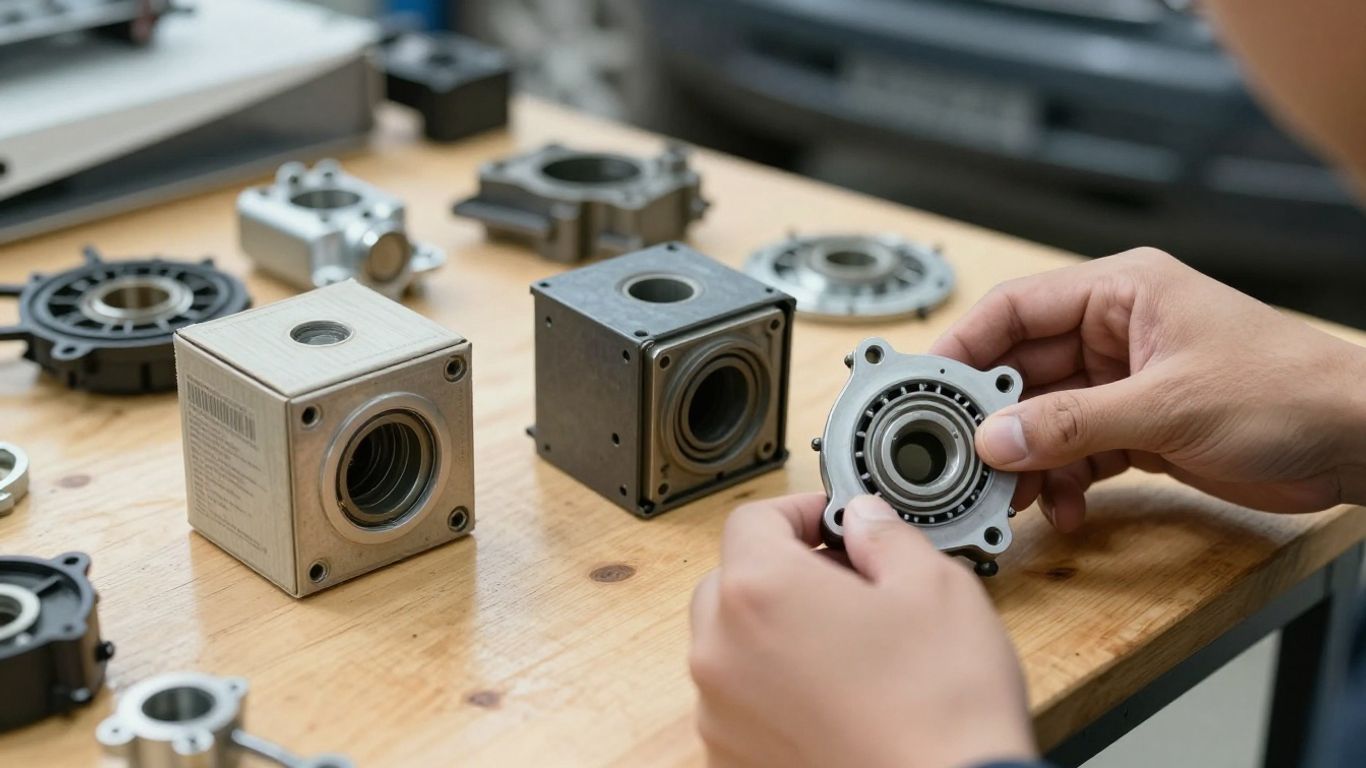
There is no single best category for every repair. Genuine parts can reduce uncertainty, aftermarket parts may offer practical value, and used components can suit older vehicles or hard-to-find applications. The sensible choice depends on the part’s function, condition, availability, and the consequences of a premature failure.
When genuine parts are worth the extra cost
Genuine parts can be a reasonable choice for components where exact fit, compatibility, or manufacturer specification matters. They may also make sense for newer vehicles, electronic modules, safety systems, or repairs where access is difficult and repeating the work would be costly. Compare the warranty and installation requirements rather than assuming the most expensive option is automatically the best one.
How reputable aftermarket parts compare
A reputable aftermarket component should have clear specifications, an identified manufacturer, and fitment information that can be checked against the vehicle. For routine maintenance items, an aftermarket part may provide a practical balance between price and expected service life. Avoid listings that use vague descriptions or promise universal compatibility without technical detail.
When recycled or used parts make sense
Used parts can be useful for body panels, trim, mirrors, switches, and components from an older vehicle where new stock is limited. Ask about the part’s condition, source vehicle, testing process, and return terms. For wear items or safety-critical components, the lower price may not offset uncertainty about remaining service life.
Identifying quality certifications and warranties
Look for a plainly stated warranty, coverage period, exclusions, and claims process. Where a certification or industry approval is mentioned, check who issued it and which product or testing standard it covers. A warranty cannot compensate for an incorrect fit, so confirm both the part identity and the seller’s conditions before purchase.
Evaluate online auto parts sellers
A professional-looking website is not enough to establish that a seller will supply the right component. Read the product page closely, check how fitment is confirmed, and look for a practical way to ask questions. Reliable purchasing depends on both the part and the process around it.
Checking stock accuracy and product details
A listing should distinguish between in-stock, supplier-stocked, and back-ordered items. Review dimensions, connector types, side or position, included hardware, and compatible vehicles. If the description is missing a detail that could change the fit, contact the seller before paying rather than relying on a photograph.
Comparing customer reviews and business reputation
Reviews are most useful when they describe the product, delivery experience, and how an error was resolved. Look for patterns across multiple reviews instead of treating one very positive or negative comment as decisive. Also check whether the business provides a physical contact method and clear terms for orders, returns, and warranties.
Understanding warranties and technical support
Technical support is valuable when a part has several variants or requires additional hardware. Ask whether the seller can verify fitment using your vehicle details and whether advice is available after delivery. Read the warranty carefully: some coverage may depend on professional installation, maintenance records, or using associated replacement parts.
Recognizing misleading listings and counterfeit parts
Be cautious when a listing uses a familiar brand name but provides no manufacturer information, packaging details, or traceable warranty. Extremely low prices, copied photographs, and broad claims about fitting many unrelated vehicles are warning signs. Save the listing and order confirmation so you can compare what was advertised with what arrives.
Compare the full cost before ordering
The displayed part price is only one part of the decision. Delivery, GST, core charges, required hardware, and the cost of returning an incorrect item can change the final amount. A fair comparison puts equivalent parts and all unavoidable charges side by side.
Looking beyond the advertised part price
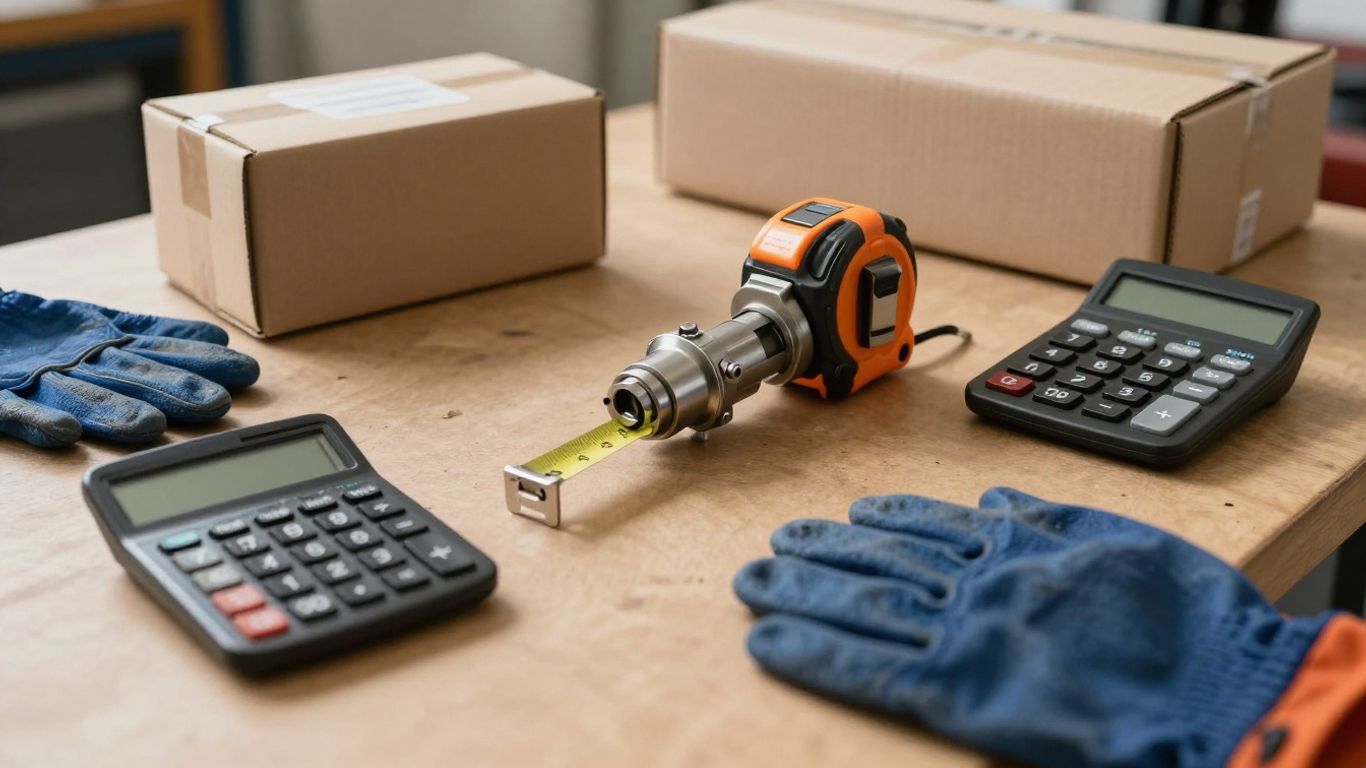
Check whether the listing includes seals, clips, gaskets, sensors, mounting brackets, or other hardware needed for installation. A cheaper bare component may cost more once missing pieces are added. Also consider whether a mechanic will charge extra time to adapt, diagnose, or reinstall a lower-cost part.
Factoring in GST, shipping, and delivery fees
Before checkout, confirm whether GST is included and whether shipping changes for bulky, hazardous, or remote deliveries. Compare the delivered total rather than the headline price. If a return is possible, find out whether the original freight and return freight are refundable.
Comparing kits, bundles, and individual components
Kits can be good value when all included pieces are required for the same repair, but they are not automatically cheaper. Compare the contents, brands, quantities, and warranty terms with individual components. A bundle that includes an unnecessary item may create waste while hiding the price of the part you actually need.
A simple comparison table can make those differences visible before you commit:
| Cost factor | Individual part | Kit or bundle | Used component |
|---|---|---|---|
| Upfront price | Often lower | May offer a lower combined price | Usually lowest |
| Included hardware | Varies | Often specified in the kit contents | Must be confirmed |
| Warranty clarity | Usually straightforward | Check each included item | Depends on seller |
| Fitment risk | Check each component | Confirm the complete kit | Confirm condition and source |
The table is only a starting point. Add the delivered price and likely installation time, then choose the option that solves the repair without leaving important components unaccounted for.
Calculating long-term value and replacement intervals
A part that costs less but wears out sooner may be poor value, especially when access is difficult or labor costs are high. Compare the expected service interval, warranty, and consequences of failure. For routine maintenance, replacing related items together can sometimes prevent paying for the same access work twice.
Understand shipping, returns, and Australian consumer rights
Delivery conditions deserve attention before an order is placed, particularly for regional and remote addresses. A part that is available in a warehouse may still need time for picking, dispatch, and transport. Read the seller’s terms and keep all order records until the repair is complete.
Choosing delivery options for your location
Check whether the carrier delivers to your suburb, a business address, or a pickup point. Bulky panels, batteries, fluids, and other restricted goods may have different transport conditions. If the vehicle is off the road, choose a delivery option with tracking and a realistic arrival window rather than relying on an optimistic estimate.
Checking dispatch times and back-order policies
“Available” can mean physically in stock or available from a supplier. Look for a stated dispatch timeframe and ask what happens if only part of a multi-item order is ready. If the part is back-ordered, confirm whether you can cancel, substitute, or split the shipment without additional charges.
Reviewing return conditions for incorrect parts
Before opening packaging, understand the process for returning a part that was ordered incorrectly. Some sellers require an unused item, intact seals, or original packaging, while special-order and electrical items may have different conditions. Take photographs of the packaging and part number if you suspect the wrong item was sent.
Understanding coverage for faulty or damaged items
Australian Consumer Law may provide remedies when goods are faulty, significantly different from their description, or not fit for a stated purpose. The available remedy depends on the circumstances and seriousness of the problem. Report transit damage promptly, retain the packaging, and describe the fault clearly rather than simply requesting a change of mind return.
Order and install parts safely
Correct ordering is only half of a successful repair. Safe installation requires the right instructions, tools, replacement hardware, and a realistic assessment of your experience. If the repair affects steering, braking, fuel, high voltage, or airbag systems, treat it as a safety job rather than a simple fitting exercise.
Verifying the part before opening the package
Compare the invoice, packaging label, part number, dimensions, connectors, and physical shape before removing protective seals. Photograph the parcel if it arrives damaged. If something does not match, pause and contact the seller while the item remains in its original condition.
Preparing tools, instructions, and replacement hardware
Read the service instructions before dismantling anything and confirm torque settings, fluid specifications, and one-time-use fasteners. Gather protective equipment and replacement seals or clips in advance. A short preparation check can prevent a vehicle being left disassembled while a small missing item is sourced.
For many repairs, the safest preparation includes:
- Disconnecting the battery when the service procedure requires it.
- Supporting the vehicle with suitable stands rather than relying on a jack.
- Photographing cable, hose, and bracket positions before removal.
- Keeping fasteners organized and replacing specified single-use hardware.
These steps do not replace the vehicle’s service instructions, but they reduce avoidable mistakes. Stop if the component differs from the instructions or if the work reveals damage beyond the original repair.
Knowing which repairs require a qualified mechanic
Seek qualified help for work involving brakes, steering, suspension, airbags, fuel systems, refrigerant, or high-voltage electrical systems unless you have the required training and equipment. Some repairs also need scan tools, calibration, specialist lifting equipment, or post-installation testing. A mechanic can identify related faults that an online part search cannot.
Disposing of old parts and fluids responsibly
Do not pour oil, coolant, brake fluid, or fuel into drains or onto soil. Store fluids in sealed, labelled containers and use local council, recycling, or automotive collection services where available. Metal parts, batteries, tyres, and electronic components may each have different disposal routes, so check the requirements in your area.
Conclusion
A careful approach makes buying auto parts online Australia more predictable: identify the vehicle precisely, compare the complete cost and part category, assess the seller’s terms, and inspect everything before installation. When the repair involves safety systems or specialist procedures, paying a qualified mechanic is part of choosing the right part responsibly.