
Key Takeaways
A good parts search starts with precise vehicle details and ends with a clear plan for fitment, cost, and installation. Take time to verify the details before ordering.
- Identify the vehicle’s year, make, model, trim, and key mechanical details.
- Compare OEM, aftermarket, and recycled options against your needs and budget.
- Check fitment notes, condition, warranty terms, and return eligibility.
- Include shipping, core charges, and installation in the total cost.
- Keep records and follow maintenance guidance after installation.
Understand the main automotive part categories
Automotive parts for every vehicle range from major mechanical assemblies to small service items, and each category serves a different purpose. Knowing what a part does can help you describe the problem and narrow your search. The right replacement depends on both the vehicle and the job the part needs to do. A car parts network can connect customers with used, genuine, and aftermarket options, but it still helps to know what you are looking for.
Engine and drivetrain components
The engine and drivetrain turn energy into movement and transfer it to the wheels. Depending on the vehicle, parts in this group may include engine components, transmission parts, axles, and driveline hardware. A symptom such as a noise or loss of power does not always point to one failed part, so diagnosis matters before you order. When comparing options, check that the part description matches the vehicle’s engine and drivetrain configuration.
Brakes, steering, and suspension parts
These systems help a vehicle slow down, change direction, and maintain contact with the road. Brake pads, rotors, steering components, shocks, and struts are examples, but the exact design varies by vehicle. Wear, damage, and poor fit can affect how these systems work, so use reliable fitment information rather than appearance alone. For uncertain or safety-related repairs, a qualified technician can help identify the cause and the correct replacement.
Electrical, lighting, and cooling system parts
Electrical components support starting, charging, lighting, and other vehicle functions, while cooling parts help manage operating temperature. Batteries, alternators, lamps, radiators, and fans each have different specifications and connections. Before choosing a replacement, compare the part number and any relevant electrical or physical details. A part that looks similar may still have a different connector, output, or mounting arrangement.
Body, interior, and maintenance parts
Body and interior parts include items such as mirrors, panels, switches, and trim, while maintenance parts are replaced as part of routine service. Appearance, finish, and mounting points may matter as much as function for body components. For service items, follow the vehicle maker’s schedule and check the required specification. Keeping these categories distinct makes it easier to search and to explain exactly what needs replacing.
Match parts to your vehicle
Even a familiar part name may cover several versions, so matching the component to the vehicle is essential. Year, model, trim, engine, and drivetrain can all affect fitment. Gather the available details before searching, then compare them with the seller’s fitment notes rather than relying on a broad catalog label. An Australia-wide supplier connecting customers with used, genuine, and aftermarket parts can help make the search more convenient, but compatibility still needs to be confirmed.
Identify the year, make, model, and trim
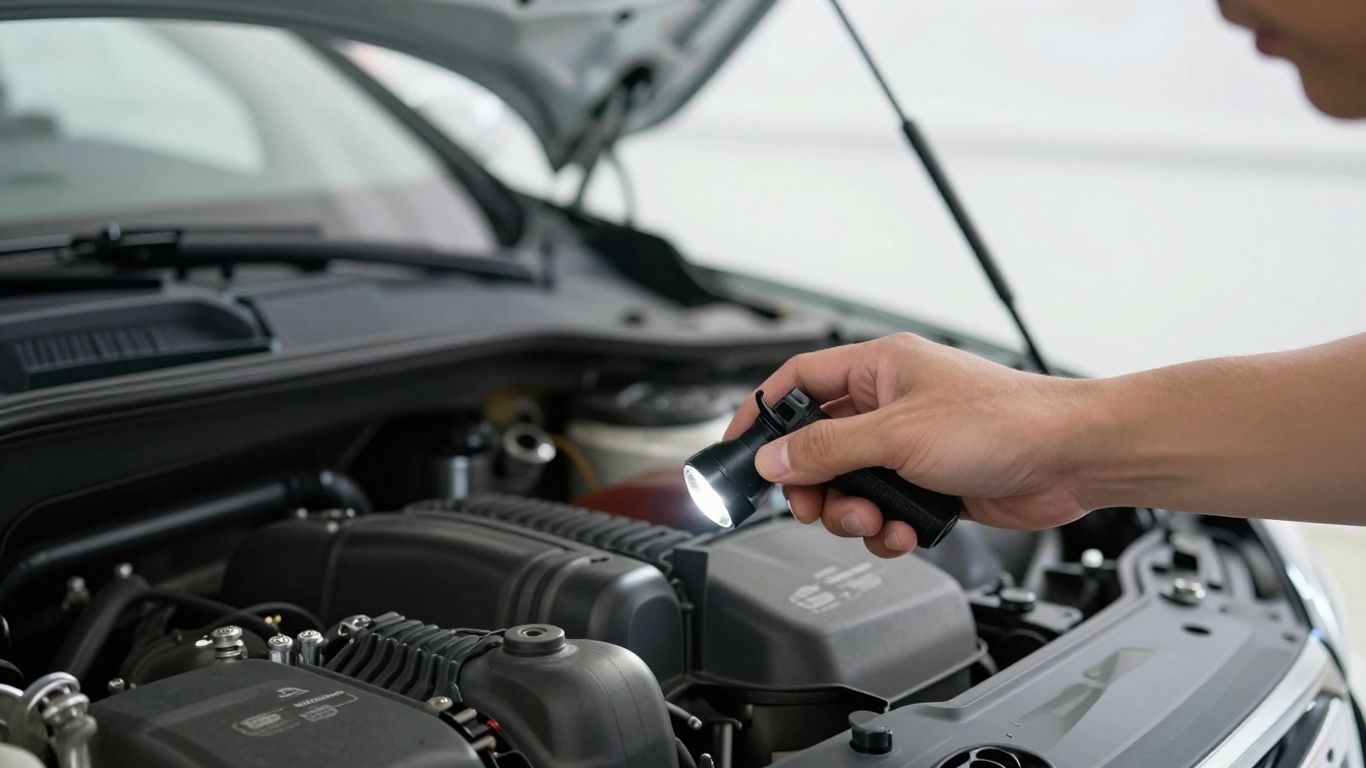
Start with the vehicle’s year, make, model, and trim level. Those details provide a useful first filter, but they may not distinguish options such as different engines, braking packages, or body styles. The registration documents and the vehicle identification label can help confirm the basics. If the trim name is unclear, record the vehicle’s identifying information and ask the seller or repair professional to verify it before purchase.
Use the VIN to narrow down compatibility
A vehicle identification number (VIN) can help distinguish vehicles that share a model name but differ in equipment or production details. Provide the full VIN when a seller requests it, and compare any resulting fitment information against the part listing. A VIN lookup is a useful aid, not a reason to ignore notes or confirm a match without checking. If information conflicts, pause and ask for clarification before placing the order.
Check engine, transmission, and drivetrain details
Engine size or designation, transmission type, and drivetrain layout can change which component fits. These details are especially relevant for mechanical parts, where a model may have multiple configurations within the same year. Check the owner’s manual, vehicle labels, service records, or the existing part where appropriate. If the configuration remains uncertain, get a mechanic or supplier to confirm it using the vehicle details.
Confirm fitment notes and interchange numbers
Read the full fitment notes, including exclusions, production dates, and any listed part or interchange numbers. Numbers can help identify a matching component, but they should be checked against the exact application rather than treated as universal proof of fit. Compare connector shapes, mounting points, and other relevant details when practical. Clear confirmation now is easier than arranging a return after installation has begun.
Compare OEM, aftermarket, and recycled parts
The choice between original equipment manufacturer (OEM), aftermarket, and recycled parts depends on the component, the vehicle, and your priorities. Price matters, but so do condition, availability, fitment, and warranty terms. A car parts network may offer used, genuine, and aftermarket options, giving you categories to compare rather than a single default choice. Ask what is included and what evidence supports the listed condition before deciding.
When OEM parts may be the right choice
OEM parts are made for the vehicle maker’s application and may be a sensible option when you want a part specified for that vehicle. Availability and cost can vary, and the OEM label alone does not answer every question about fitment or warranty. Confirm the part number and whether the item is new or otherwise described by the seller. Compare the terms with other options before assuming one category is automatically best.
How aftermarket options vary in quality and price
Aftermarket parts are produced outside the vehicle maker’s original parts supply, and options can differ in price, materials, and stated specifications. Compare the exact product details and any fitment information, not just the category name. The table below offers a practical starting point for deciding what to ask about each type.
| Option | Useful details to compare | Question to ask |
|---|---|---|
| OEM | Part number, condition, and application | Does this number match my vehicle? |
| Aftermarket | Manufacturer, specifications, and fitment notes | What details support compatibility? |
| Recycled | Condition, source description, and included pieces | What has been inspected or included? |
These questions make the comparison more concrete without treating any category as a guarantee of quality. Check the specific listing and terms for the part you intend to buy.
What to check when considering recycled parts
A recycled part may be worth considering when its condition and fitment are clearly described. Ask whether the listing covers the complete assembly or only a component, and whether visible wear or damage is noted. Compare identifying numbers and mounting details with your vehicle, and ask what warranty or return terms apply. Since condition varies from one item to another, evaluate the specific part rather than relying on the category alone.
Understand warranties and return policies
Warranty coverage can differ by seller and by part, so read the terms before you order. Check the coverage period, exclusions, and any steps required if a problem arises. Return policies also matter if the part does not fit or arrives in a condition different from what was described. Keep written details of the listing and the seller’s answers so you can refer back to them.
Evaluate part quality and safety
A part’s label or price cannot tell the whole story. Evaluate the supplied specifications, condition, construction, and seller information together, and be especially careful with components that affect safe vehicle operation. If a claim is unclear, ask for supporting details rather than assuming a standard or inspection applies. Verify the specific part and its intended application before you commit.
Look for recognized certifications and standards
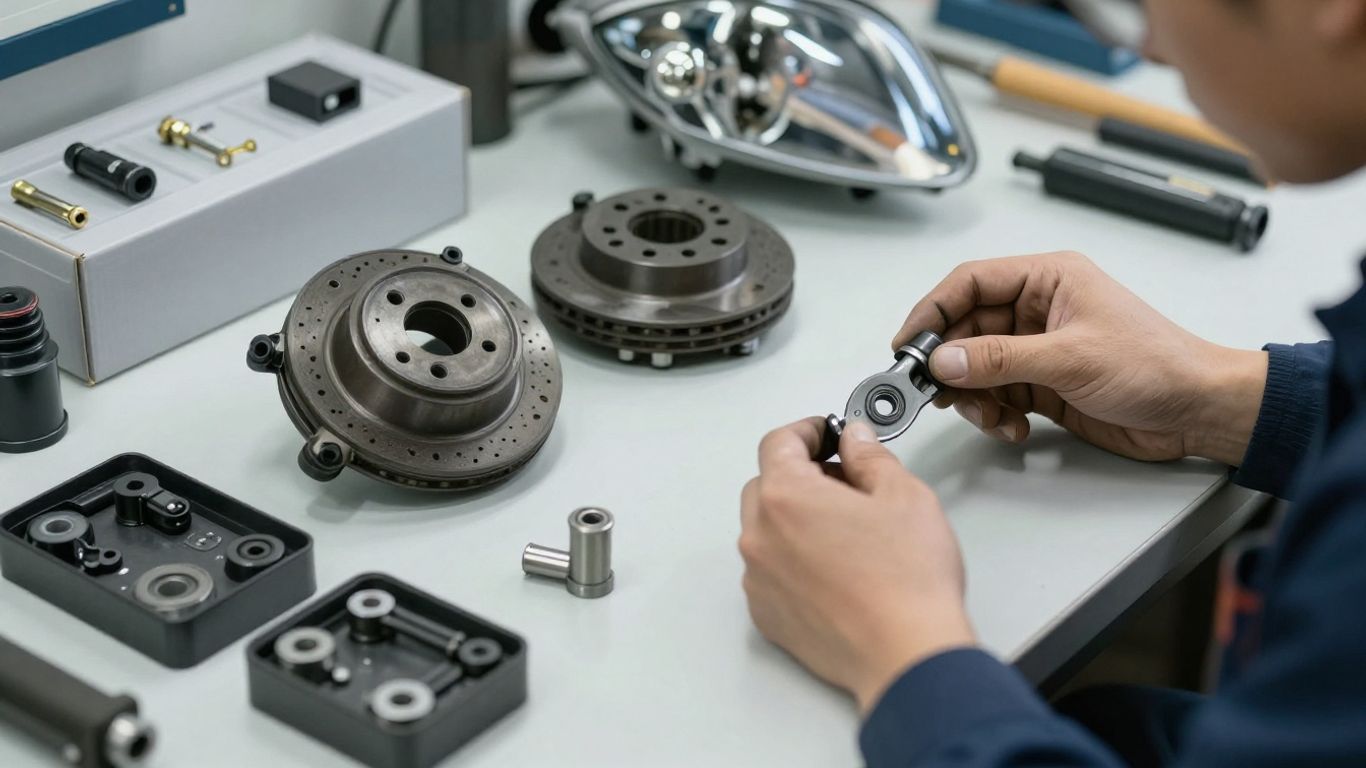
Where a relevant certification or standard is claimed, check that it applies to the specific product and is documented by the seller or manufacturer. Requirements and applicable standards can vary by component and location, so avoid relying on a vague badge or broad assurance. If no certification is listed, that alone does not establish whether a part is suitable. Focus on verifiable product details and fitment information.
Inspect materials, construction, and finish
For a part you can inspect, look for visible damage, corrosion, uneven edges, or signs that fittings are missing. Compare the finish and mounting features with the original component when that is practical. For online purchases, ask for clear condition details and images of relevant surfaces or connectors. These checks can reveal questions to resolve, though appearance by itself cannot establish internal condition.
Check reviews and supplier reputation
Reviews can provide context about communication, packaging, and how a seller handles issues, but a single review is not proof that a particular part will fit. Look for specific, consistent feedback and verify the seller’s stated policies directly. A supplier connecting customers across Melbourne, Sydney, Brisbane, and nationwide can make parts easier to find, but you should still assess the listing and terms for the exact item you need.
Prioritize safety-critical components
Brakes, steering, suspension, tires, and other safety-related items deserve careful fitment checks and sound installation practices. Do not choose solely by the lowest price if the part’s condition or specifications are unclear. If the diagnosis or repair is beyond your experience, consult a qualified professional. For these components, a correct match and competent installation matter as much as the purchase decision.
Shop for parts with confidence
A listing price is only one part of the purchase. Shipping, core charges, stock status, return eligibility, and timing can change what an order actually costs and when you can complete a repair. Compare the full terms before you commit, and keep a record of what you were promised. Finding parts fast and affordably is useful, but accuracy and clear expectations make the process smoother.
Compare total cost, including shipping and core charges
Add the item price to shipping and any applicable core charge to understand the total. A core charge may be refundable when an old component is returned under the seller’s stated conditions, so check the amount, deadline, and return method. Ask whether taxes or other fees are included in the quoted price. Comparing complete totals gives you a fairer basis for choosing between listings.
Check stock availability and delivery estimates
Confirm whether the item is in stock and whether the delivery estimate reflects your location. If the repair is time-sensitive, ask whether the quoted timing includes dispatch and transit, and whether delays are possible. A supplier serving customers across Melbourne, Sydney, Brisbane, and nationwide may provide access to a broader search, but confirm the availability and estimate for your specific order. Build a little flexibility into your repair plan when timing is uncertain.
Verify return eligibility before ordering
Before you place an order, check the return conditions and note what can affect eligibility. A short checklist can help you avoid surprises:
- Confirm the return window and whether it starts at purchase or delivery.
- Ask whether the part must remain unused or in its original packaging.
- Check who pays return shipping and whether any fees apply.
- Review the process for a part that arrives damaged or does not match its description.
Keep the listing and any written answers until the part has been installed and tested. Clear terms are easier to act on when you have them in hand.
Keep receipts and warranty documentation
Save the receipt, order confirmation, product description, and warranty terms together. Record the part number and, if relevant, the vehicle details used to check fitment. These documents can help if you need to ask a question, make a claim, or establish when the part was purchased. A simple digital folder is often enough to keep everything accessible.
Plan for installation and ongoing maintenance
The job is not finished when the correct part arrives. Installation requirements, related components, and future service intervals can all affect how well a repair holds up. Decide who will do the work before ordering, and make sure the part and any required materials are available. A little preparation can prevent delays once the vehicle is apart.
Decide between DIY installation and professional service
Some repairs suit an experienced DIYer with the right tools and service information; others call for professional diagnosis or installation. Consider the complexity, the risk of incorrect fitting, and whether the repair affects a safety-critical system. If you are unsure, ask a qualified technician to assess the work before buying parts. That can help avoid ordering based on a mistaken diagnosis.
Check whether special tools or programming are needed
Some components require specific tools, calibration, or programming after installation. Confirm those requirements before ordering, especially for electrical or electronic parts. Check the repair information for your vehicle and ask the seller or installer what the job involves. A compatible part may still need additional steps before the system works as intended.
Replace related components when appropriate
Some repairs involve components that wear or fail together, while others do not. Ask a technician whether related parts should be inspected or replaced based on their condition and the vehicle’s service information. Avoid replacing items automatically without a reason, but do not overlook a connected component that could affect the repair. The aim is to address the cause and the relevant surrounding wear.
Follow maintenance intervals to extend part life
Use the maintenance schedule in the owner’s manual or service information for your vehicle, since intervals vary by model and operating conditions. Keep records of inspections and replacements, and pay attention to changes in noise, handling, warning lights, or performance. Addressing issues early can help prevent small problems from becoming more involved repairs. If a symptom returns after a part has been replaced, have the underlying cause checked.
Conclusion
Finding the right automotive part is a matter of matching the vehicle carefully, comparing the specific options, and understanding the full cost and terms before ordering. With fitment details confirmed and installation planned, you can make a more informed choice—whether you are considering an OEM, aftermarket, or recycled part.