

Key Takeaways
A useful engine quote starts with accurate vehicle details and a clear account of what is happening. Take time to compare the work and terms behind each price before agreeing to repairs.
- Gather the VIN, engine details, mileage, and symptoms before requesting an estimate.
- Describe the problem as you observe it rather than guessing at a diagnosis.
- Check whether a quote covers parts, labor, diagnostics, shipping, taxes, and installation.
- Compare engine specifications, warranty terms, availability, and provider information—not just the total.
- Get the final scope, possible added costs, policies, and schedule in writing before authorizing work.
Gather the details needed for an accurate quote
An estimate is only as useful as the information behind it. Before you look for a car engine quote online, pull together the details that help a provider identify the vehicle and understand what kind of work you may need. If something is unknown, say so rather than filling in a guess.
Find your VIN, year, make, and model
The vehicle identification number (VIN) can help a provider check which parts are compatible with your car. You can usually find it on the driver-side dashboard near the windshield, on the driver-side door label, or on vehicle paperwork. Have the year, make, and model ready too, and check that they match the VIN rather than relying on memory.
Identify the engine size and configuration
If you know the engine size, cylinder count, or configuration, include those details with your request. The information may appear on a service record, under the hood, or in the owner’s manual; if you are unsure, a mechanic or parts provider may be able to help identify it from the VIN. Similar model years can have different engine options, so a precise match matters.
Note mileage, symptoms, and known damage
Write down the current mileage and when the problem began. Note what you have observed, such as unusual noises, warning lights, overheating, smoke, or a change in performance, and include any repairs or damage you already know about. A clear record helps the person preparing the estimate ask relevant follow-up questions, but it does not replace a hands-on diagnosis.
Check whether you need a replacement or repair estimate
An engine symptom does not automatically mean the entire engine needs replacing. Ask whether you are requesting a price for a replacement engine, an engine repair, or a diagnostic inspection to identify the fault. If a mechanic has already inspected the vehicle, share the findings and ask whether the estimate reflects that specific recommendation.
Request an engine quote online
Online forms can make it easier to share vehicle details and start a conversation about the work. Before submitting one, check what kind of service the provider is quoting and whether the request is for parts, installation, or both. A careful description now can prevent avoidable back-and-forth later.
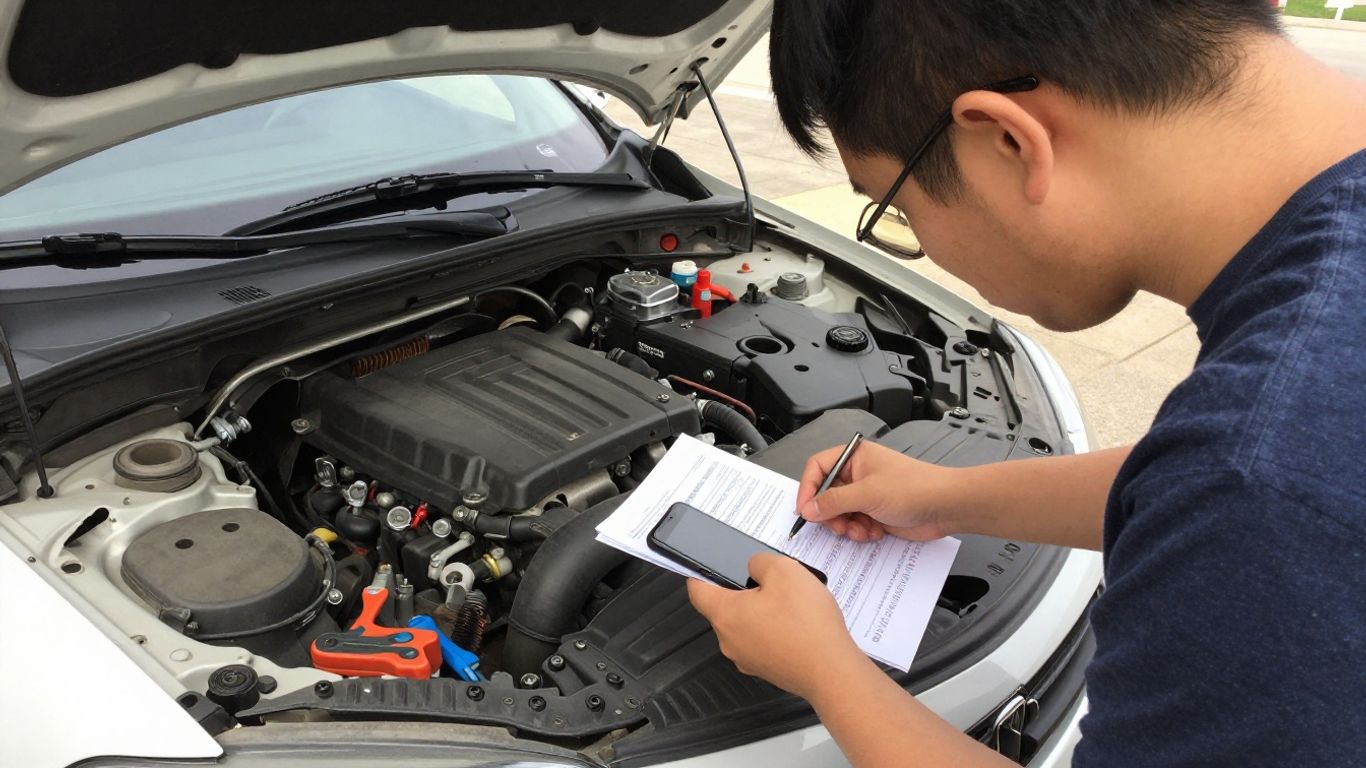
Choose a quote form that matches your service needs
Some forms are designed for a replacement engine, while others ask about repair work or a diagnostic visit. Choose the closest match to what you need, and check whether the form is for a part only or a complete job. If the options do not fit your situation, use the available contact route to ask before sending a request.
Enter vehicle and contact information accurately
Check each field before you submit it, especially the VIN, model year, and contact details. A typo in a VIN or phone number can delay a fitment check or a reply. If a form offers a place for additional notes, use it to mention details that do not fit neatly into the standard fields.
Describe the problem without guessing at the diagnosis
Report the symptoms you have noticed, when they occur, and whether they have changed. For example, note whether a noise happens on startup or while driving, rather than labeling it as a specific internal engine failure without a diagnosis. This gives the provider useful context while keeping the estimate grounded in what is known.
Upload photos or documents when requested
If the form asks for documents, provide relevant service records, inspection notes, or clear photographs that help explain the request. Avoid uploading unrelated paperwork, and make sure images are readable and show the area in question. When a document contains personal information that is not needed for the quote, consider whether you can safely redact it first.
Understand what the quote includes
A headline price can leave important questions unanswered. Read the estimate to see which work and parts it covers, what remains uncertain, and whether charges could be added later. Ask for clarification before comparing totals, because two quotes may describe different scopes of work.
Separate parts, labor, and diagnostic charges
Look for separate amounts for the engine or parts, labor, and any diagnostic work. If charges are bundled, ask what the package includes and whether diagnosis has already been completed. This distinction helps you understand whether the quote covers identifying the problem, carrying out the work, or both.
Check whether the engine is new, used, or remanufactured
The engine’s condition and source can affect both the price and the terms. Ask the provider to identify whether the proposed engine is new, used, or remanufactured, and request details about what is included in that description. Do not assume two labels mean the same thing from one quote to another.
Look for shipping, taxes, and additional fees
Check whether the estimate includes delivery, taxes, core charges, or other fees that may apply. The way these costs are listed can vary, so ask for a complete total or a clear explanation of items that cannot yet be calculated. This makes the comparison more useful than looking at an initial parts price alone.
Confirm whether installation is included
A replacement engine price may cover the part without covering removal, installation, fluids, or related work. Ask whether installation is included, who will perform it, and whether the quote includes any additional components needed for the job. These details define the actual scope you are considering.
To make the estimate easier to review, sort its line items into a few practical categories. The table below can help you spot what is present and what you may need to ask about.
| Quote item | What to check | Question to ask |
|---|---|---|
| Engine or parts | Type, condition, and included components | What exactly is supplied? |
| Labor | Work covered and any exclusions | Does this include removal and installation? |
| Diagnostics | Inspection or testing charges | Has the fault already been confirmed? |
| Other costs | Shipping, taxes, or additional fees | Which amounts are still subject to change? |
Once you have reviewed those categories, return to the written scope and make sure the answers match what the estimate actually promises. An unanswered item is not necessarily a problem, but it is a reason to clarify the quote before treating the total as final.
Compare quotes on more than price
The lowest figure is not always the closest comparison. Quotes can differ in engine specifications, included work, warranty conditions, and availability, so read the details alongside the total. A short comparison on paper can reveal whether you are weighing like-for-like options.
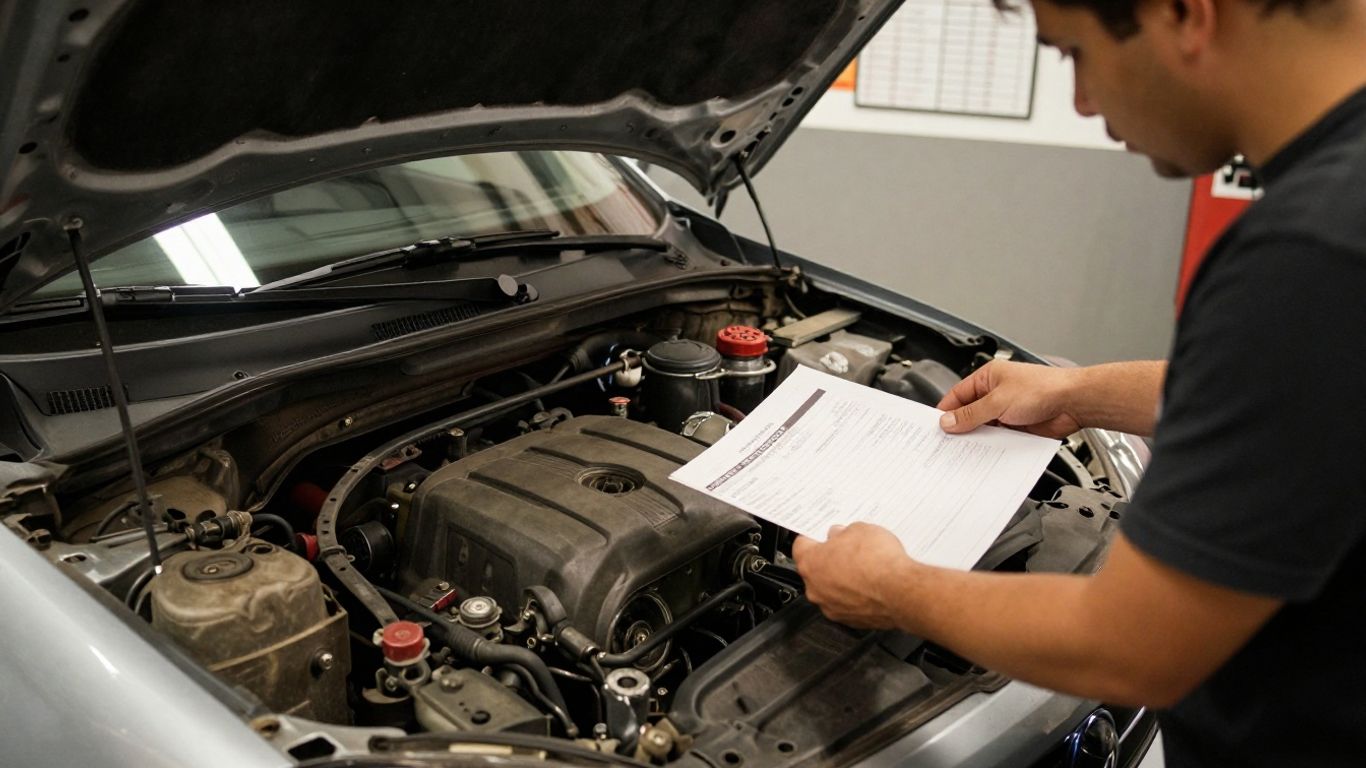
Match the proposed engine specifications
Check that each proposed engine is intended for your vehicle’s year, make, model, and configuration. Confirm any part or fitment information against your VIN, and ask what is included with the engine. A lower price may reflect a different specification or a narrower set of included parts.
Compare warranties and what they cover
Read the warranty terms rather than comparing only the number of months or miles. Ask what components and labor are covered, what conditions apply, and how a claim would be handled. Note whether the warranty is tied to installation requirements or other terms, and request the details in writing.
Check installation timelines and availability
Ask whether the proposed engine is currently available and how long delivery and installation are expected to take. A quoted schedule may depend on inspection results, parts arriving, or workshop capacity. Confirm what could cause a delay and when you should expect an update.
Review provider credentials and customer feedback
Look for clear business contact details, written terms, and relevant experience with the work being quoted. Customer feedback can offer context, but consider its detail and relevance rather than relying on a single review. If you are seeking a part through a car parts network, confirm who is supplying it and how fitment questions are handled.
Evaluate engine and repair options
A quote is one part of the decision; the right scope of work depends on the vehicle and the diagnosed fault. Ask a qualified mechanic to explain the available options and what each would address. Comparing those options can help you avoid committing to a replacement when a more limited repair may be appropriate.
Compare replacement with rebuilding or repairing
Ask what a replacement would solve and how that compares with rebuilding or repairing the existing engine. The answer depends on the cause of the problem, the inspection findings, and the condition of the rest of the engine. Request estimates for the relevant alternatives so you can compare scope, cost, and likely time off the road.
Weigh used, remanufactured, and new engines
Each type may come with different costs, condition details, and warranty terms. Ask what work has been carried out on a remanufactured engine, what is known about a used one, and what the new option includes. A useful comparison looks at the written description and terms, not just the label.
When you discuss the choices, keep the decision focused on a few specific questions rather than a vague sense of which option sounds best:
- What does the inspection say has failed, and what evidence supports that finding?
- Which parts and labor are included in each proposed option?
- What warranty terms and installation conditions apply?
- How do the total cost and expected timeline compare?
Use the answers to identify trade-offs, then ask the mechanic to explain any differences you still cannot reconcile. A clear written comparison makes it easier to revisit the decision without relying on memory.
Ask about compatibility and expected lifespan
Confirm that the proposed engine is compatible with your vehicle and ask what information supports that fitment. Expected lifespan can vary with the engine’s history, condition, installation, and maintenance, so be cautious about guarantees that are not backed by written terms. Ask what is known and what remains uncertain.
Consider the vehicle’s age and overall condition
An engine decision should account for more than the engine itself. Consider the vehicle’s age, mileage, body condition, maintenance history, and any other repairs it may need. If the vehicle has several significant issues, ask whether the total investment makes sense compared with its overall condition and your plans for it.
Confirm the quote before authorizing work
Before approving anything, make sure the estimate still reflects the vehicle and the work you discussed. Ask what happens if inspection reveals additional problems, and who must approve a change in cost or scope. A few direct questions can prevent a preliminary estimate from being mistaken for a fixed final price.
Ask which costs could change after inspection
Some costs may depend on what a mechanic finds once the vehicle is inspected or disassembled. Ask which parts of the estimate are firm, which are provisional, and how you will be contacted if the scope needs to change. Agree on whether work must pause until you approve additional charges.
Get the final scope and terms in writing
The written quote should identify the proposed engine or repair, the work included, the price, and any known exclusions. It should also record relevant warranty conditions and any assumptions the provider is making. Read the document carefully and ask for corrections if it does not match the conversation.
Clarify payment, cancellation, and return policies
Ask when payment is due and whether a deposit is required. Before you pay, understand the cancellation terms and, when a part is being supplied, the return policy and any conditions that apply. Keep a copy of the estimate and the answers you receive for your records.
Confirm the next steps and expected schedule
Make sure you know what happens after you accept: whether an inspection, parts order, delivery, or appointment is next. Confirm the expected schedule and how you will receive updates if it changes. Once the scope and terms are clear, you can decide whether to authorize the work with a better understanding of what follows.
Conclusion
Getting an engine quote online is a process of collecting accurate details, clarifying what the estimate includes, and comparing complete options. Take the time to confirm compatibility, costs, warranty terms, and the final scope in writing; that gives you a sounder basis for deciding what work to approve.