

Key Takeaways
Choosing a wholesale engine supplier Australia businesses can trust requires more than comparing advertised prices. The right decision comes from matching technical requirements with dependable stock, clear commercial terms, and practical support.
- Record exact vehicle, engine, and compatibility details before requesting quotes.
- Compare engine condition, testing, warranty terms, and total landed cost.
- Confirm stock, lead times, packaging, and delivery arrangements in writing.
- Begin with a manageable order and track the supplier’s performance.
- Build a relationship around accurate communication and consistent fulfilment.
Define your engine sourcing requirements
A supplier can only quote accurately when the buyer can describe the required engine clearly. Start with the vehicles, engine codes, intended use, and likely order pattern. This reduces avoidable substitutions and makes different quotes easier to compare. It also gives a wholesale engine supplier Australia businesses can trust a practical basis for recommending suitable stock.
Identify vehicle makes, models, and engine types
Create a working list of the makes and models your business services most often. Include model year, fuel type, displacement, transmission details where relevant, and the engine code rather than relying only on a registration number. Those details help prevent a superficially similar engine from being ordered for the wrong application.
Ask suppliers which identifying information they need before they confirm fitment. A disciplined process is especially useful when several generations of one model use different engines or ancillary components.
Compare new, rebuilt, used, and remanufactured engines
Engine condition affects price, availability, warranty risk, and installation time. A used engine may suit a budget-sensitive repair, while a rebuilt or remanufactured unit may offer a different balance of inspection and replacement work. “New” also needs clarification: it may refer to a complete new assembly or a new replacement component rather than an entire engine.
Request a written description of what has been inspected, replaced, machined, or tested. Do not compare labels alone; compare the actual work and documentation behind each option.
Estimate order volumes and replacement frequency
Review purchasing records from the previous year, then separate regular demand from occasional jobs. A workshop with steady fleet work may need predictable replenishment, while a smaller reseller may value broad access to stock more than large standing orders. Forecasting also helps identify when a lower unit price could be offset by excess inventory.
Share realistic volumes with potential suppliers. Honest estimates allow them to discuss availability and commercial terms without either side planning around an unrealistic commitment.
Separate standard, performance, and diesel engine needs
Keep standard passenger-vehicle engines, performance applications, and diesel requirements in separate purchasing categories. Their specifications, tolerances, accessories, and customer expectations can differ significantly. A single general description such as “replacement engine” leaves too much room for misunderstanding.
Use a simple requirement sheet for each category, including intended vehicle, operating conditions, required accessories, and acceptable engine condition. That sheet becomes a useful reference when reviewing quotes and inspecting deliveries.
Evaluate supplier quality and industry experience
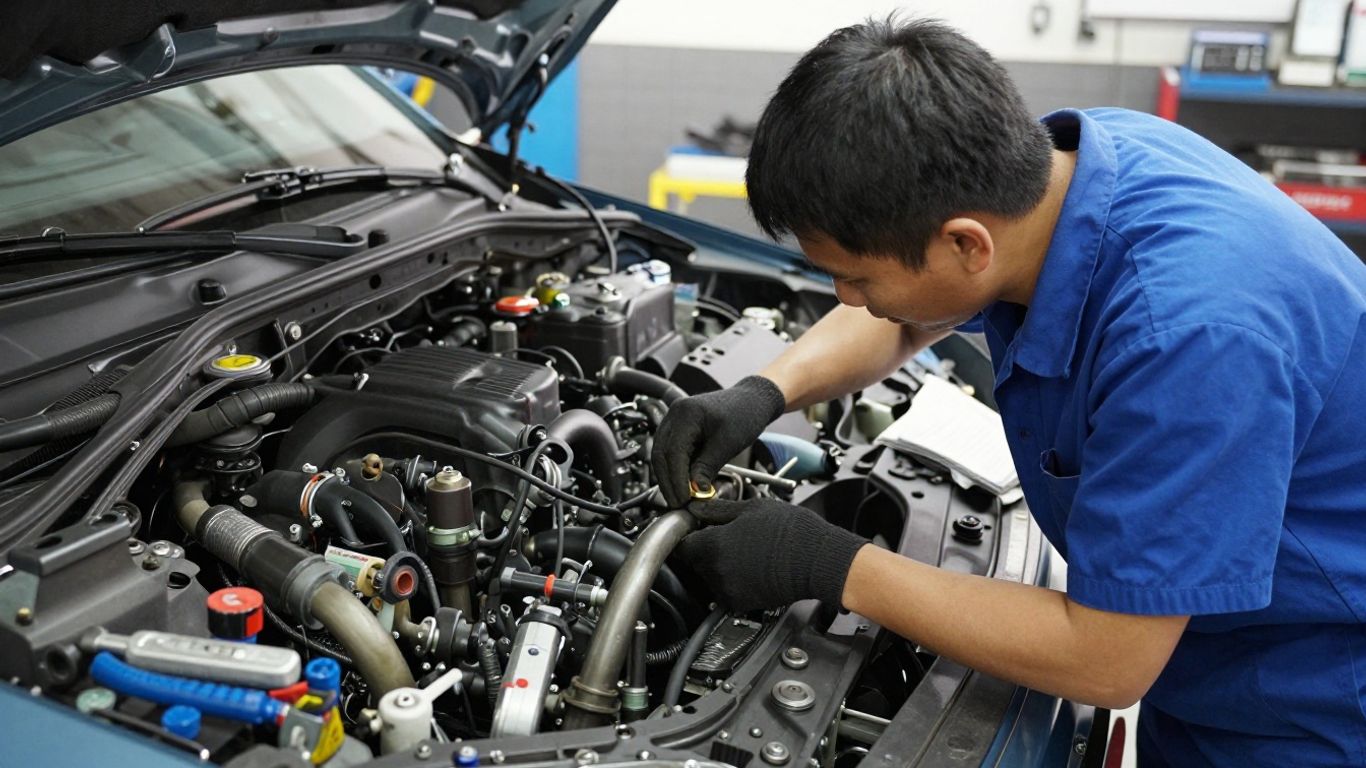
Price matters, but an engine supplier also needs reliable processes behind its catalogue. Look for evidence that the business understands trade purchasing, fitment questions, and the consequences of a delayed or incorrect delivery. Reputation should be considered alongside documentation rather than used as a substitute for it.
Check business credentials and market reputation
Ask how long the supplier has served the trade, which types of buyers it supports, and how it handles product enquiries. Public reviews can reveal patterns in communication and fulfilment, although individual experiences should be read with some care. References from comparable workshops or resellers may be more useful than general popularity.
A dependable supplier should be willing to explain its trading terms and provide identifiable contact details. Vague answers at the beginning often become difficult conversations when a warranty or delivery issue arises.
Review engine testing and quality-control processes
Ask what happens between intake and dispatch. The answer should clarify whether engines are inspected, tested, photographed, or checked against a recorded engine code. If the supplier offers used engines, ask how condition is assessed and what information accompanies the unit.
Quality control is not just a technical matter. Consistent records make it easier to investigate a problem and distinguish a fitment issue from a product issue. Request sample documentation before placing a substantial order.
Confirm parts sourcing and manufacturing standards
For genuine parts, used parts, and aftermarket parts, confirm exactly what is included and who produced it. Ask whether components are supplied as complete assemblies or separately, and whether any substitutes require approval. This is particularly important when a quote uses broad terms such as “replacement” or “equivalent.”
A clear source description protects both the buyer and the end customer. It also makes future reordering less dependent on one staff member remembering what was supplied previously.
Assess technical knowledge and product support
A useful supplier should be able to discuss engine codes, application differences, included accessories, and installation considerations without turning every question into a sales pitch. Test this before an urgent order arrives. Send a realistic compatibility enquiry and note whether the response is specific, timely, and documented.
Technical support does not remove the buyer’s responsibility to verify fitment. It does, however, make the verification process faster and gives the business a better basis for approving an order.
Compare pricing, warranties, and total costs
A wholesale quote is only one part of the financial decision. The real cost can include freight, handling, taxes, core charges, workshop delays, and the labour involved in resolving a claim. Total landed cost matters because a cheaper unit can become expensive when its terms are unclear.
Request itemized wholesale quotes
Ask every shortlisted supplier to separate the engine price from freight, accessories, deposits, taxes, and other charges. The quote should identify the engine condition, included items, expected dispatch time, and validity period. This gives your purchasing team something concrete to compare rather than a single attractive figure.
Itemization also exposes meaningful differences. One supplier may include an assembly that another prices separately, so apparent savings should never be accepted without checking the specification.
Calculate freight, taxes, and import-related charges
For interstate or imported stock, estimate the full cost of getting the engine to the workshop or warehouse. Consider delivery location, pallet or tail-lift requirements, insurance, applicable taxes, and any brokerage or handling charge. A supplier should be able to explain which costs it includes and which remain the buyer’s responsibility.
Use the same delivery assumptions for each quote. Otherwise, the comparison may reward a low headline price that was calculated on a very different basis.
Compare warranty coverage and claim conditions
Read the warranty before ordering, not after a failure. Check its duration, covered components, installation requirements, exclusions, evidence requirements, and whether labour or freight is included. Also ask how quickly a claim is assessed and what happens while the investigation is under way.
The table below provides a practical way to compare commercial terms without losing sight of the engine itself.
| Cost or term | Question to ask | Why it matters |
|---|---|---|
| Engine price | What condition and inclusions are covered? | Prevents false price comparisons |
| Freight | Is delivery to the required site included? | Shows the actual landed cost |
| Warranty | Which parts, labour, and exclusions apply? | Defines financial exposure after installation |
| Core charge | Is a serviceable core required and when is it refunded? | Affects cash flow and return planning |
After filling in the table for each supplier, investigate any blank or vague answer. A clear but slightly higher quote may be safer than a low quote that leaves major obligations unstated.
Look beyond the lowest upfront price
Consider the cost of delays, incorrect fitment, reinstallation, customer dissatisfaction, and time spent chasing a claim. A supplier with accurate information and consistent dispatch may protect workshop capacity even when its initial price is not the lowest. The right comparison is commercial, operational, and technical at once.
Set an internal approval rule that requires staff to record why a quote was selected. This creates a useful purchasing history and discourages decisions based purely on a single number.
Review inventory, compatibility, and availability
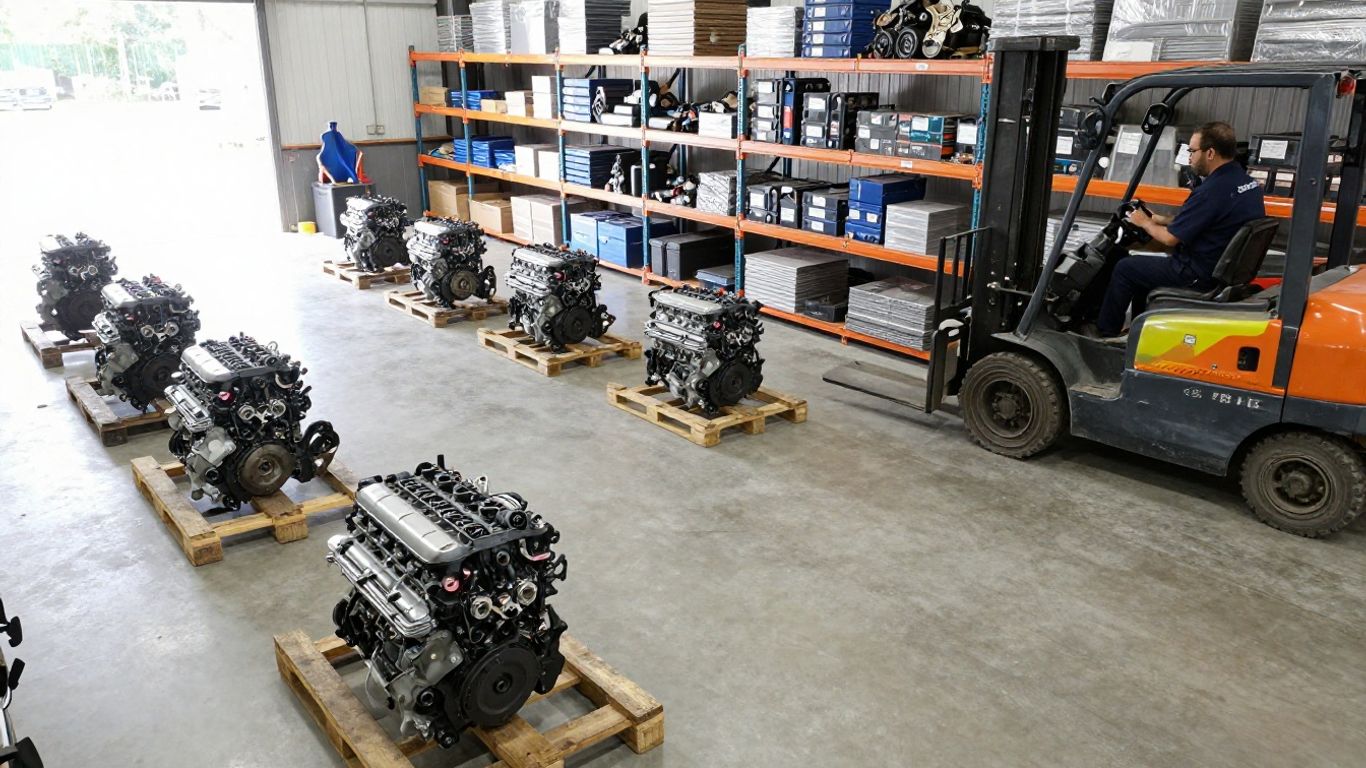
Inventory breadth is useful only when the stock can be matched to the application and delivered when needed. Ask how often availability is updated and whether listed stock is physically held or sourced after an order. A good process distinguishes confirmed stock from an estimated procurement lead time.
Verify stock levels and lead times
Request confirmation of the actual quantity available, its location, and the expected dispatch date. For urgent repairs, ask whether the supplier can reserve a unit while fitment is verified. If stock is not on hand, obtain a realistic sourcing window rather than a general promise of availability.
It is sensible to keep an approved alternative for frequently requested engines. That does not mean accepting a substitute without review; it means planning before the original option becomes unavailable.
Confirm engine codes and vehicle compatibility
Match the engine code, model year, fuel system, emissions equipment, and relevant mounting or electronic requirements. Confirm what is included with the unit, because a long block may require existing sensors, manifolds, accessories, or control components. Record the confirmation in the purchase file.
If the supplier cannot confirm a detail, pause the order and ask for photographs, measurements, or technical documentation. A quick clarification is usually less costly than returning a heavy engine.
Ask about replacement parts and accessories
Clarify whether gaskets, sensors, manifolds, wiring, brackets, and other accessories are supplied with the engine or ordered separately. Ask whether matching components are available if the original parts are damaged or unsuitable. This can reduce installation delays and prevent a vehicle from waiting for one small item.
Keep accessories on a separate line in the order. That makes shortages easier to identify and avoids assuming that an engine assembly includes parts that were never promised.
Plan for discontinued or hard-to-find engines
For older or less common vehicles, begin sourcing before the repair becomes urgent. Gather interchange information, inspect the condition requirements, and ask whether the supplier can notify you when suitable stock appears. If a replacement requires modification, that should be discussed and approved before purchase.
Maintain a small record of previous enquiries and successful fitments. Over time, it becomes a useful internal reference for difficult applications without replacing a fresh compatibility check.
Assess delivery and account support
Delivery is part of supplier performance, not a separate afterthought. Engines are heavy, vulnerable to handling damage, and often tied to a booked repair slot. The supplier’s communication and packaging practices therefore matter as much as the dispatch price.
Compare shipping options across Australia
Ask how the supplier handles metro, regional, and remote deliveries, including estimated transit times and access requirements. Compare depot collection, direct delivery, and freight arrangements where each is available. Make sure the receiving site can accept the engine safely and has the equipment needed to unload it.
For recurring orders, record delivery performance by location. A route that works well for one branch may behave differently for another, so practical experience should inform future planning.
Confirm packaging and damage-prevention procedures
Ask how engines are secured, protected from moisture, and prepared for lifting and transport. Check whether fragile fittings are covered and whether the delivery should be inspected before signing. Photographing the packaging and engine at arrival can provide a useful record if damage is discovered later.
Agree on the notification window for freight damage. Clear instructions help staff act quickly instead of trying to reconstruct what happened several days after delivery.
Review order tracking and communication standards
Establish who receives order confirmations, dispatch notices, tracking details, and delay updates. A shared email address or account contact can prevent important information from remaining with one person. The supplier should also explain how fitment questions and changes are recorded.
A practical service standard might include confirmation of stock, a dispatch notification, and prompt notice of any delay. Put the expectation in writing so performance can be reviewed fairly.
Understand returns, exchanges, and core-charge policies
Before ordering, clarify when an engine may be returned, who pays freight, and what condition it must be in. Core-charge rules deserve particular attention: ask what qualifies as an acceptable core, how it must be packaged, and when the credit is issued. These details can materially affect the final cost.
Share the policy with the workshop or warehouse team. A good return arrangement can still fail if staff discard packaging, miss a deadline, or send back the wrong component.
Build a reliable long-term supplier relationship
The best relationship is built through repeated, measurable transactions rather than promises made during a first enquiry. Start cautiously, communicate clearly, and review what actually happens after delivery. Over time, dependable performance can be more valuable than a one-off discount.
Start with samples or a smaller trial order
Use an initial order to test accuracy, packaging, dispatch, documentation, and response time. Choose an application your team can inspect properly rather than an unusually simple transaction. Record any discrepancy and see how the supplier resolves it.
A small trial does not prove that every future order will be perfect. It does provide evidence about the supplier’s working habits before more money and customer commitments are involved.
Set expectations for pricing and volume discounts
Discuss price breaks, review periods, payment terms, and how changes in freight or supply conditions will be communicated. Volume discounts should be tied to realistic purchasing behaviour, not an obligation to buy stock that may sit unused. Ask whether pricing applies consistently across branches or delivery locations.
Keep agreed terms in a written account schedule. This prevents informal conversations from becoming the only record of an important commercial decision.
Establish processes for urgent engine requirements
Decide in advance how urgent requests will be handled, who can approve a substitute, and which contact should be called outside routine ordering. Prepare a short escalation template containing the vehicle details, engine code, delivery location, and required date. That information lets the supplier act without repeated back-and-forth.
Urgency should not eliminate verification. A fast order is useful only when the engine is correct, documented, and deliverable to the right place.
Measure supplier performance with practical KPIs
Choose a few measures that reflect the work your business actually does. Track them consistently rather than creating a long scorecard nobody maintains. Useful measures include:
- Quote response time and quote accuracy.
- Confirmed-stock accuracy and dispatch punctuality.
- Fitment or specification discrepancies.
- Freight damage and packaging issues.
- Warranty response and resolution time.
Review the results with the supplier at a reasonable interval, especially after a repeated issue. These measures turn a general impression of service into a conversation about specific improvements.
Conclusion
The strongest wholesale engine supplier Australia businesses can trust is not necessarily the one with the lowest advertised price. It is the supplier that can understand your applications, describe its stock honestly, provide clear commercial terms, and support the order from fitment check through delivery and warranty. Begin with careful requirements, test the relationship with a manageable order, and use real performance data to decide whether the partnership deserves to grow.