
Key Takeaways
The right choice depends on the exact engine application, the part’s specifications, and the repair itself. Compare fit, quality evidence, warranty terms, and total cost rather than relying on the label alone.
- Genuine parts are sold under a vehicle maker’s parts identity; OEM describes a manufacturing relationship, not necessarily the retail label.
- Aftermarket parts come from independent manufacturers, and quality and specifications can vary between products.
- Confirm fit using the vehicle’s exact details and the part number, including any superseded numbers or updates.
- Compare warranty conditions, availability, return rules, and likely service life alongside the purchase price.
- For repairs where tolerances or compatibility are uncertain, verify the choice with a qualified mechanic.
What genuine and aftermarket engine parts mean
The terms genuine, OEM, and aftermarket describe different things, so they are not always interchangeable. A genuine part is generally sold through the vehicle maker’s parts channel, while OEM refers to an original equipment manufacturer. Aftermarket parts are produced outside that channel, often by independent suppliers. Understanding the distinction helps you compare what is actually being offered.
How genuine parts differ from OEM parts
Genuine parts are typically packaged and sold under a vehicle manufacturer’s parts brand for use in its vehicles. OEM means a company makes equipment or components for an original vehicle production program, but that fact alone does not establish that a retail part is identical to a genuine one. The same manufacturer may supply different products, specifications, or distribution channels. Check the listing and documentation for the exact part number and application rather than assuming that “OEM” guarantees a particular package or specification.
What aftermarket parts are and who makes them
Aftermarket parts are replacement components made outside the vehicle manufacturer’s genuine-parts channel. They may be produced by specialist component companies or other independent manufacturers, and their design can follow the original dimensions or use a different approach. The label itself does not tell you how closely a part matches the original specification or how it was tested. Look for application details, technical documentation, and a clear manufacturer identity when comparing options.
Why part labels can vary by manufacturer
Listings may use words such as replacement, OE-style, OEM, or equivalent in different ways. These terms can help describe a product, but they are not a substitute for checking its manufacturer, specifications, and compatibility. It is useful to compare the practical details behind each label rather than reading the label as a quality grade. A clear product description should make it possible to identify the application and any important limitations.
How quality and performance compare
There is no single quality rule that applies to every genuine or aftermarket part. Manufacturing controls, materials, design, and testing may differ by product and supplier, so a fair comparison needs evidence about the specific component. Consider the function of the part and how sensitive the engine system is to dimensional or material differences. A careful check can help separate a documented product from one described only in broad terms.
Materials, manufacturing, and quality control
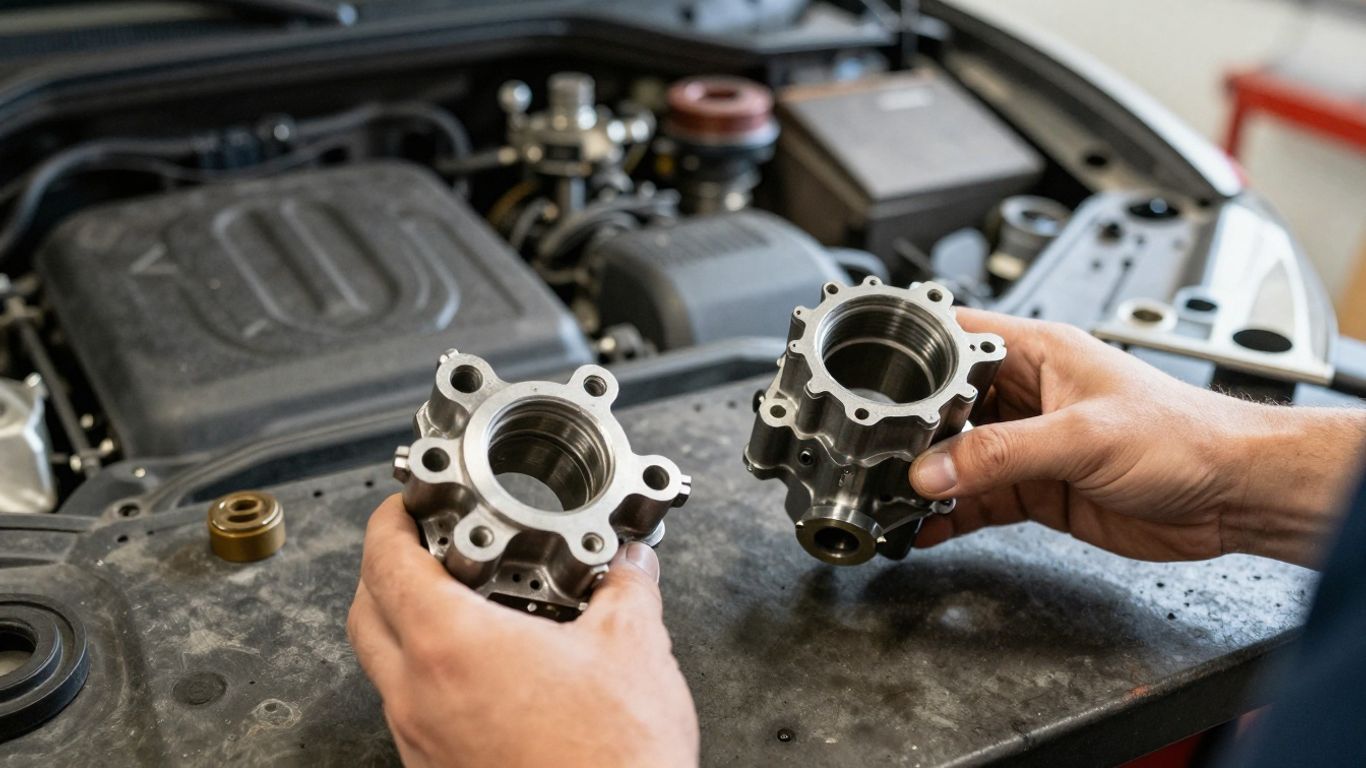
A part’s materials and production process influence how it is expected to perform, but a label alone cannot confirm either. Look for product specifications or manufacturer information that identifies the intended application and relevant construction details. For components that depend on close tolerances, such as bearings or valve-train parts, dimensional accuracy matters to the repair. Compare the evidence available for each option, and ask the supplier or mechanic when a specification is missing.
Testing standards and product certifications
Testing claims are most useful when they identify what was tested, the relevant standard, and which product or part number the claim covers. A general statement that a part is “tested” or “certified” is difficult to evaluate without those details. Some components may be subject to particular industry or regulatory requirements; others may not have a certification that directly compares them with a genuine part. Verify the scope of any claim rather than treating a logo or phrase as proof of equivalent performance.
When design differences can affect engine performance
A replacement part can differ in dimensions, materials, or construction while still being intended for the same vehicle. Whether that difference matters depends on the component and the engine’s requirements. For example, an item that affects sealing, oil flow, or timing needs a correct specification for the application; a mismatch can lead to poor operation or additional repair work. Treat fitment and design information as a practical part of the quality comparison, not as fine print.
How to check fit and compatibility
Correct fit depends on more than the vehicle’s badge and model name. Engine variants, production changes, and market specifications can affect which component is appropriate. Gather the vehicle information before ordering, then confirm it against the supplier’s application data and the part itself. A few minutes of verification can prevent delays and avoidable returns.
Match parts to the vehicle’s year, make, model, and engine
Start with the vehicle’s year, make, and model, then identify the engine configuration. Depending on the vehicle, useful details may include engine code, displacement, fuel type, production date, and transmission or emissions configuration. A model name may cover several engine options, so selecting from a broad vehicle description alone can be risky. Use the vehicle identification number (VIN) or engine code when a catalogue or supplier requests it, and confirm the result before purchase.
Verify part numbers and superseded components
Compare the part number on the existing component, the vehicle documentation, and the replacement listing where possible. A manufacturer may replace an older number with a newer one, but the new number should be confirmed for the exact application rather than assumed to be interchangeable. If the old number is unreadable, use the vehicle details and a reliable parts catalogue to identify the correct option. Keep a record of the numbers and any confirmation you receive.
Check for updates, modifications, or special requirements
Some vehicles have production updates or repair instructions that affect the part selection. Previous repairs may also have changed the engine or surrounding components, especially if the vehicle has been modified. Before ordering, check whether the repair requires related seals, fasteners, calibration, or a particular installation procedure. If the work involves a changed configuration, verify compatibility with a mechanic who can inspect the vehicle and its existing parts.
How price, warranty, and availability differ
The cheapest listing is not always the least expensive choice once shipping, returns, and the consequences of a poor fit are considered. Genuine and aftermarket engine parts can differ in price, but costs also depend on the component, supplier, and availability. Compare the terms attached to the specific item, not just its headline price. This makes it easier to weigh convenience against the requirements of the repair.
Compare upfront costs with expected service life
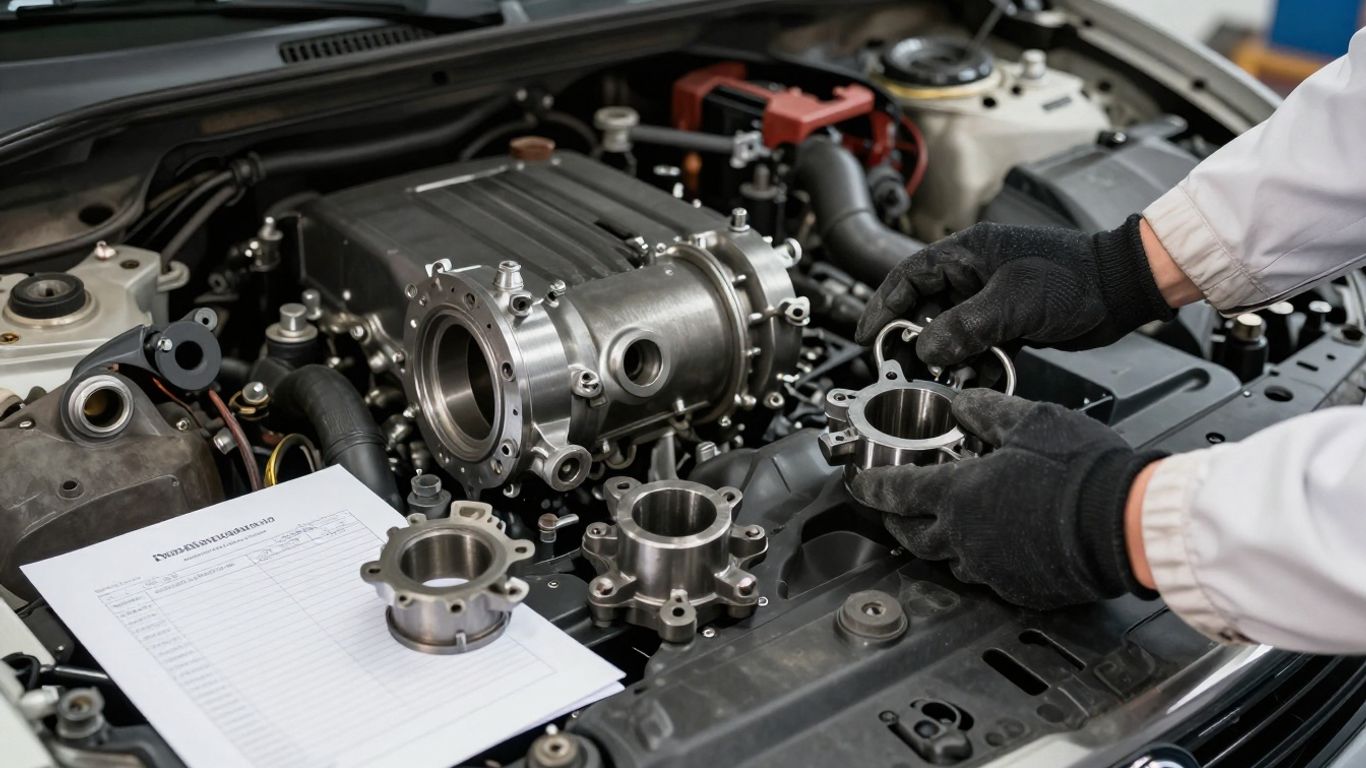
A useful comparison weighs the purchase price against the part’s documented specifications, expected use, and the work involved in installing it. A lower-cost component may suit a routine repair when its application is clear and its quality information is adequate. For a repair that requires substantial labour, choosing a part without clear support may create extra cost if it needs to be replaced again. Ask what evidence supports any service-life claim, and avoid treating a higher price as proof of longer life.
Review warranty coverage and exclusions
Warranty terms vary by seller and product, so read the written policy before buying. Check the coverage period, what remedy is offered, and whether labour, shipping, or consequential costs are excluded. Some warranties may depend on correct installation or maintenance, and proof of purchase may be required. Keep the invoice and any installation records so you can refer to them if a claim becomes necessary.
Consider availability, shipping time, and return policies
A part that is in stock may keep a repair moving, while a special-order item can extend downtime. Before placing the order, check the estimated dispatch or delivery time, whether the part is new or used if that distinction applies, and the conditions for returning it. Fitment-related returns can have different rules from returns for damaged goods. Confirm that the package can be returned unopened if the mechanic finds a compatibility issue before installation.
How to choose parts for common engine repairs
The best choice depends on the repair’s purpose and the risk of getting the specification wrong. Routine service items often have straightforward replacement criteria, while internal engine work can involve tighter tolerances and linked components. Consider the vehicle’s condition and intended use, then match the part to the repair plan. The following distinctions can help frame the decision without assuming one category always wins.
Select parts for routine maintenance
For routine maintenance, begin with the service schedule and the specifications for the particular engine. Filters, belts, plugs, and similar items still need the correct size or rating, even when replacement is familiar. If choosing between genuine and aftermarket options, compare application data, product documentation, price, and warranty. A clear, correct match is more useful than relying on a label alone.
Weigh options for major repairs and rebuilds
For major repairs, confirm the specification with the person doing the work before purchasing components. Internal engine parts may need to match measured clearances, machining work, or the condition of other components. Use these checks to guide the comparison:
- Confirm the required specification and part numbers against the repair plan.
- Ask whether measurements or machining affect the choice of component.
- Check whether related seals, bearings, or fasteners should be replaced at the same time.
- Compare warranty conditions and availability before work begins.
These questions help link the purchase to the actual repair, rather than treating each component as an isolated item. For an engine rebuild, the machine shop or mechanic can confirm which tolerances and combinations are appropriate.
Account for modified, high-mileage, or hard-working engines
An engine with modifications or high mileage may not match the assumptions in a standard fitment listing. Changes to intake, exhaust, fuel delivery, or internal components can affect what is suitable, while heavy use may place different demands on replacement parts. Share those details with the supplier or mechanic before choosing a component. When the configuration is unusual, a generic fitment match is a starting point—not final confirmation.
How to buy with confidence
A confident purchase comes from knowing who supplied the part and what the listing actually promises. Clear product information, traceable part numbers, and workable return terms make it easier to resolve questions before installation. Take time to inspect the item when it arrives, especially if the packaging or description differs from what you expected. If anything does not line up, pause and verify it before fitting the part.
Choose reputable suppliers and manufacturers
Look for a supplier that identifies the manufacturer, provides fitment information, and can answer specific questions about the listing. A transparent seller should explain what is included and how returns work. If an advertised claim is central to the decision, ask for supporting product documentation rather than relying on a brief description. Clear answers before purchase are a useful sign that the transaction can be checked and understood.
Inspect packaging and verify authenticity
When the part arrives, compare its label and part number with the order confirmation and the vehicle information. Check for damaged packaging, missing components, or discrepancies in the product description. If the item is meant to be genuine or comes from a named manufacturer, verify the identifying details with the seller or manufacturer where appropriate. Do not install a part that appears different from the item you ordered until the mismatch is resolved.
Ask a mechanic when specifications or fitment are unclear
A mechanic can help interpret engine codes, superseded numbers, and special installation requirements, particularly when the vehicle has been modified or partly dismantled. Share the part number and the available vehicle details before ordering; a quick check can prevent buying the wrong component. For internal repairs, ask the person doing the work to confirm the specification against measurements and the repair plan. That advice is most useful when it is based on the actual engine, not just the model name.
Conclusion
Choosing between genuine and aftermarket engine parts is less about picking a label and more about confirming the part’s specification, fit, documentation, and purchase terms. Compare the exact options for your vehicle and repair, and get expert confirmation when the application or engine configuration is uncertain.