

Key Takeaways
A ready-to-fit engine can simplify a replacement, but the label does not guarantee that every part or installation task is included. Confirm exact compatibility, total cost, seller terms, and fitting requirements before you buy.
- Match the engine code and vehicle details, not just the model name.
- Clarify what “ready to fit” includes and what must be transferred or purchased separately.
- Compare new, remanufactured, and used engines using condition, documentation, and warranty terms.
- Budget for installation, related parts, shipping, taxes, and any core charge.
- Keep written records of fitment checks, seller commitments, and installation work.
What ready-to-fit car engines are
Ready-to-fit car engines are replacement units offered with the intention of making installation more straightforward than sourcing an engine and its components separately. The term is used differently by sellers, so it is not a guarantee that the engine will arrive with every part needed for your particular vehicle. Check the description and ask what the seller means before treating the label as a promise. The right choice depends on compatibility as much as condition or price.
How they differ from engine rebuilds and crate engines
An engine rebuild usually involves repairing or renewing an existing engine, while a replacement engine is a separate unit intended to take its place. A crate engine commonly refers to an assembled engine sold as a standalone unit, but its contents and intended applications vary. These terms can overlap in advertisements, so the name alone does not tell you the engine’s condition or how much work remains. Ask whether the unit is new, rebuilt, remanufactured, or used, and whether it is supplied complete or as a partial assembly.
What “ready to fit” typically includes
“Ready to fit” may describe an engine supplied with some components already attached, but there is no universal package behind the phrase. One seller may include accessories that another expects the buyer to transfer from the old engine. Confirm the included parts in writing and compare the list with what your car requires. A clear parts inventory can prevent delays after the engine has arrived.
Common engine types and configurations
Replacement engines may be new, remanufactured, rebuilt, or used, and can differ in configuration even when listed for the same vehicle model. Fuel type, displacement, engine code, production year, and emissions equipment can all matter. Some versions of a car use different engines across trim levels or model years. Treat a broad description such as “fits this model” as a starting point, not final confirmation.
Who may benefit from a ready-to-fit replacement
A replacement unit may suit an owner whose existing engine has serious damage or whose repair estimate makes replacement worth investigating. It can also be useful when a specific engine is difficult to source locally, provided the vehicle and unit are carefully matched. Buyers who can verify fitment and compare the complete installed cost are best placed to judge its value. If the car has extensive age-related wear, consider whether other repairs will also be needed soon.
How to check whether an engine fits your car
Compatibility involves more than matching a make and model. Engine codes, production details, transmission type, wiring, and emissions equipment can distinguish versions that otherwise sound alike in a listing. Gather the vehicle information before contacting sellers, and have a qualified mechanic or parts specialist review uncertain details. A careful check up front can spare you the expense and delay of returning an unsuitable engine.

Match the engine code and vehicle specifications
Start with the vehicle identification number (VIN), current engine code, model year, and relevant trim or market details. Compare those against the replacement unit’s code and the seller’s fitment information; do not rely on a registration description alone. If a code is hard to locate, consult the owner’s manual, service records, or a mechanic. Ask the seller to confirm the match using the same details you provide.
Check mounts, transmission, and drivetrain compatibility
An engine can be similar in size and still differ in mounting points, accessory layout, or connection to the transmission. Confirm whether the replacement is intended for your transmission and drivetrain configuration, including any relevant differences between front-wheel drive, rear-wheel drive, or all-wheel drive versions. The seller or installer should identify which existing components need to be reused. Sorting this out before purchase helps reveal whether the job involves more than a direct swap.
Confirm wiring, sensors, and control-unit requirements
Changes to wiring plugs, sensors, or engine control requirements can turn an apparently compatible engine into a complicated installation. Ask whether the unit’s sensors and harness match the vehicle, and whether any components must be transferred from the original engine. These details are especially worth checking when the replacement comes from a different production year or specification. If requirements are uncertain, have an installer verify them before you commit.
A short written checklist makes these conversations more useful. Record the details that determine fitment and ask the seller to confirm them against the actual engine being offered:
- VIN, model year, and vehicle trim.
- Current engine code and replacement engine code.
- Transmission and drivetrain configuration.
- Included wiring, sensors, and components to transfer.
Once the seller has answered these points, keep the confirmation with the invoice and listing. It gives you a clearer basis for resolving a mismatch if the delivered unit differs from what was agreed.
Account for emissions and registration rules
An engine change may affect emissions compliance, inspections, or registration requirements, depending on where the car is registered and what has been changed. Check the applicable local rules before buying, particularly if the replacement differs from the original specification. Keep any documentation the relevant authority or installer may require. A mechanically compatible engine is not automatically compliant for road use.
How to choose the right replacement engine
A low purchase price is only one part of a good replacement decision. The engine’s condition, supporting paperwork, included components, warranty, and expected installation work all affect its value. Decide what matters most for the car’s intended use, then compare options on the same basis. If the vehicle is needed every day, confidence in its condition may matter more than a small saving upfront.
Compare new, remanufactured, and used options
New engines, remanufactured units, and used engines differ in condition, price, and the information available about their history. A used engine may cost less, but its remaining service life can be harder to assess; a remanufactured unit may come with process details or warranty terms that vary by seller. New does not automatically mean complete for your vehicle, either. Compare what each option actually includes and what evidence supports its condition.
| Option | What to clarify | Practical consideration |
|---|---|---|
| New | Exact specification and included components | Confirm that the package suits the vehicle and installation plan |
| Remanufactured | Work performed, parts renewed, and test records | Check the scope of the process and warranty conditions |
| Used | Mileage, source, history, and any testing | Ask what is known and what remains unverified |
| Rebuilt | Who performed the work and what was replaced | Request documentation of the rebuild and its coverage |
This comparison is most useful when sellers answer the same questions for each option. If a seller cannot provide a particular record, treat that as unknown rather than assuming the engine has passed a specific test. The best value is the option whose condition and terms you can understand before purchase.
Balance reliability, performance, and fuel economy
For a standard replacement, an engine matching the original specification is often the simplest route to evaluate. A different specification can affect drivability, fuel use, compatibility, or compliance, and may require additional changes. Be realistic about the vehicle’s purpose: a daily driver, a project car, and a work vehicle may call for different priorities. Discuss any proposed change with an installer before buying.
Check mileage, testing, and quality documentation
For a used engine, ask how mileage was determined and whether the seller has records that support it. Find out what inspection or testing was performed, who carried it out, and whether the results relate to the specific unit being sold. For rebuilt or remanufactured engines, request a description of the work and parts replaced. Written evidence gives you a stronger basis for comparing units than a general assurance of quality.
Look for included parts and installation requirements
Ask for an itemized list of what arrives with the engine and what the installer expects to reuse. Accessories, sensors, wiring, brackets, and other components may be included, excluded, or transferred from the original unit. A missing component can add cost or hold up the repair, even if the main engine fits. Have the installer review the list before purchase so the quotation reflects the actual job.
How much ready-to-fit car engines cost
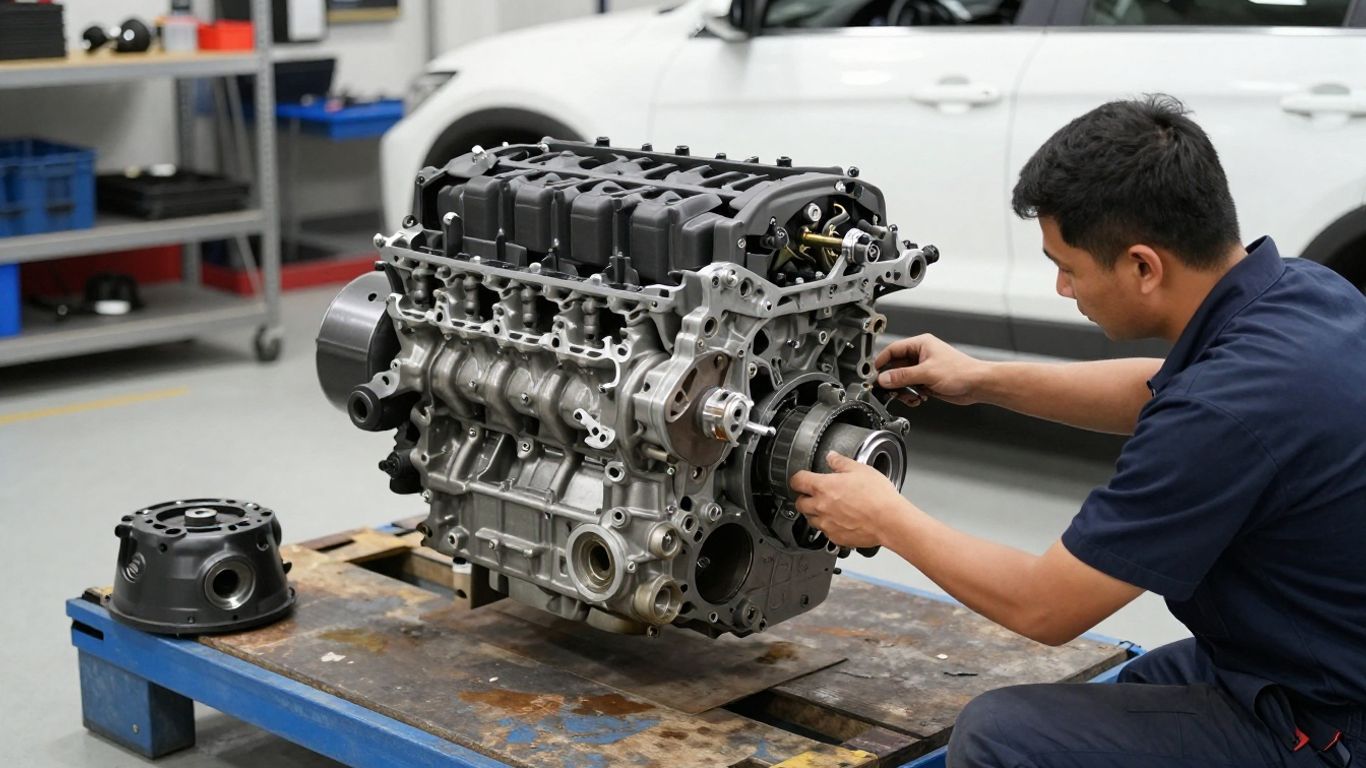
There is no single price for ready-to-fit car engines: cost depends on the vehicle, engine type, condition, included parts, and where the unit is sourced. The purchase price is only one part of the bill, and installation can add substantially to the total. Get a written estimate that separates the engine from labor and related charges. That makes it easier to compare replacement with repairing the current engine.
Understand the engine’s purchase price
Compare units with similar specifications and condition, rather than choosing the lowest advertised figure from a different category. Check whether the quoted amount covers only the engine or also includes attached components, testing, and a warranty. A price that leaves out necessary parts may not be the lower-cost option once the work is underway. Ask the seller to itemize what the price covers.
Budget for labor, fluids, and replacement parts
Installation labor depends on the vehicle and how much must be removed or transferred. The job may also require fluids, seals, filters, belts, hoses, or other related parts, depending on the engine and the installer’s assessment. Ask for a written labor estimate and clarification of what could change it. A complete installed estimate is more useful than comparing engine prices alone.
Factor in shipping, taxes, and core charges
A delivered engine may involve freight, applicable taxes, and handling charges. Some sellers also apply a core charge that may be refunded when an old engine is returned under specified conditions. Confirm the amount, deadline, return method, and condition requirements before ordering. These terms can affect both the total upfront payment and the final cost.
Compare total installed cost with other repair options
Ask a repairer to compare the expected installed replacement cost with the likely cost of repairing the existing engine. The comparison should include known related faults, the scope of any repair work, and warranty coverage where applicable. If the car has other expensive problems, factor those into the decision as well. A written comparison helps you judge whether replacement makes sense for this particular vehicle.
What to expect during installation
Installing an engine is a substantial repair, and the exact work varies by vehicle and replacement unit. Before the car goes into the shop, agree on the scope of work, parts, labor, and any additional approval needed if new issues appear. The unit should be checked against the order before fitting begins. Good preparation reduces avoidable surprises, though it cannot rule out every hidden problem.
Prepare the car and verify the parts before fitting
Confirm that the replacement delivered is the engine that was ordered, including its code and listed components. Inspect the shipment for visible damage and compare the contents with the seller’s inventory before installation. Give the installer the fitment confirmation, warranty details, and any instructions supplied with the unit. Raise discrepancies before work starts.
Decide between professional installation and DIY work
An engine swap requires suitable tools, safe lifting equipment, technical knowledge, and a way to handle fluids and heavy components responsibly. Professional installation may be the practical choice when the vehicle has complex electronics, emissions requirements, or limited access. If you are considering DIY work, review the service information and plan the job carefully before dismantling the car. Also confirm whether the seller’s warranty has installation or documentation conditions.
Replace related components while the engine is accessible
With the engine removed, some related parts may be easier to inspect or replace than after the new unit is installed. Ask the mechanic to identify which components are worn, damaged, or recommended for renewal based on the vehicle’s condition and the repair plan. Agree on any additional work before it is done. This avoids treating every possible replacement as mandatory while still addressing items that could cause trouble later.
Follow the break-in and maintenance instructions
Use the instructions supplied for the specific engine and follow the installer’s guidance on initial operation, service intervals, and checks. Do not assume every replacement requires the same break-in routine. Keep invoices and note the mileage and date when the work is completed. Clear records support future maintenance and may be useful if you need to discuss a warranty claim.
How to evaluate sellers and protect your purchase
A seller should be able to explain what the engine is, what is included, and which information supports its condition. Clear answers matter before purchase, particularly when a unit is shipped and a return is not simple. Read the terms rather than relying on a short listing description or a verbal assurance. If important details remain unclear, pause and resolve them before paying.
Review warranty terms and exclusions
Check the length and scope of any warranty, when coverage begins, and what the buyer must do to keep it valid. Look for exclusions, claim deadlines, and requirements for professional installation or service records. Ask who handles a claim and what costs, if any, are not covered. A warranty is only useful if you understand its conditions before the engine is fitted.
Ask about testing, inspection, and engine history
Ask the seller what is known about the engine’s origin, mileage, storage, and previous use. Request details of any inspection or testing, including records tied to the specific unit. If the seller cannot verify an answer, note that uncertainty when comparing offers. Straightforward disclosure is more useful than broad claims with no supporting detail.
Confirm return, shipping, and core-return policies
Before ordering, check how the engine will be packaged and shipped, who is responsible if it arrives damaged, and how to report a problem. Read the return conditions, including time limits, restocking charges, and whether installation affects eligibility. If a core return applies, confirm its deadline and shipping arrangements. Keep copies of the order and all related messages.
Keep records of compatibility checks and installation
Save the listing, invoice, engine code, fitment confirmation, delivery condition notes, and any warranty documents together. Ask the installer to record the work performed and retain the final invoice. These records help connect the purchased engine to the vehicle and provide a useful history for future repairs. They also make it easier to explain a problem clearly if you need to contact the seller.
Conclusion
Choosing ready-to-fit car engines is less about trusting a label than confirming the details behind it. Match the unit to the vehicle, compare condition and total installed cost, and get the seller’s inclusions and terms in writing. With those checks in place, you can make a more informed decision and approach installation with fewer avoidable surprises.