

Key Takeaways
A little preparation can make engine delivery to Melbourne easier to arrange and safer to receive. Confirm the shipment’s requirements before booking, then keep clear records from collection through delivery.
- Choose a service that suits the engine’s dimensions, weight, and condition.
- Drain fluids as required and protect loose or vulnerable parts.
- Secure the engine to a suitable pallet or crate to limit movement.
- Confirm access, loading arrangements, and delivery availability in advance.
- Track the consignment and inspect the shipment before signing.
Choose the right engine delivery service
The right transport option depends on the engine and the places it needs to travel between. Before booking, consider how it will be loaded, whether it is already secured for freight, and how much coordination the collection and delivery points require. Engine delivery to Melbourne may involve different arrangements for a business address, a residential property, or a depot. Compare what each service includes rather than relying on its name alone.
Compare pallet freight, courier, and specialist transport
An engine is a heavy, awkward item, so it helps to compare service types by how they handle size, loading, and packaging. A courier service may suit smaller consignments if the carrier accepts the dimensions and weight; pallet freight can be more appropriate when the engine is secured to a pallet. Specialist transport may be worth considering when the engine’s condition or handling needs call for extra coordination. Ask providers to confirm suitability before booking.
| Service type | May suit | Confirm before booking |
|---|---|---|
| Courier | A compact shipment accepted within the carrier’s limits | Size, weight, packaging, and any restricted-item rules |
| Pallet freight | An engine secured to a freight-ready pallet | Pallet dimensions, loading method, and collection access |
| Specialist transport | A shipment needing particular handling arrangements | What handling is available and what preparation is required |
These are starting points, not guarantees that a service will accept a particular engine. Share the actual measurements and describe its condition so the provider can advise whether the proposed option fits.
Decide between door-to-door and depot-to-depot delivery
Door-to-door service can reduce the need to move the engine between locations yourself, but both collection and delivery addresses must be accessible to the vehicle being used. Depot-to-depot delivery may be an alternative if you can arrange transport to and from the depots and meet their operating requirements. Ask what each option includes, where the handover takes place, and whether additional loading arrangements are needed. The most convenient choice is the one you can reliably support at both ends.
Match the service to the engine’s size, weight, and condition
Measure the packed shipment, not just the bare engine, because a crate or pallet changes its overall size and weight. Note whether the engine is complete, partly dismantled, or has components that could shift or leak. This information helps the provider assess handling and equipment needs before collection. If you are unsure how to describe the shipment, take clear photographs and ask what details the quote requires.
Prepare the engine for transport
Good preparation starts before the engine is wrapped or loaded. Check the carrier’s requirements and allow time to deal with fluid, loose-part, and packaging questions. A short record of what is being shipped and its condition can also make handover clearer. The exact preparation may depend on the engine and the service selected, so confirm any specific instructions with the provider.
Drain fluids and check carrier requirements
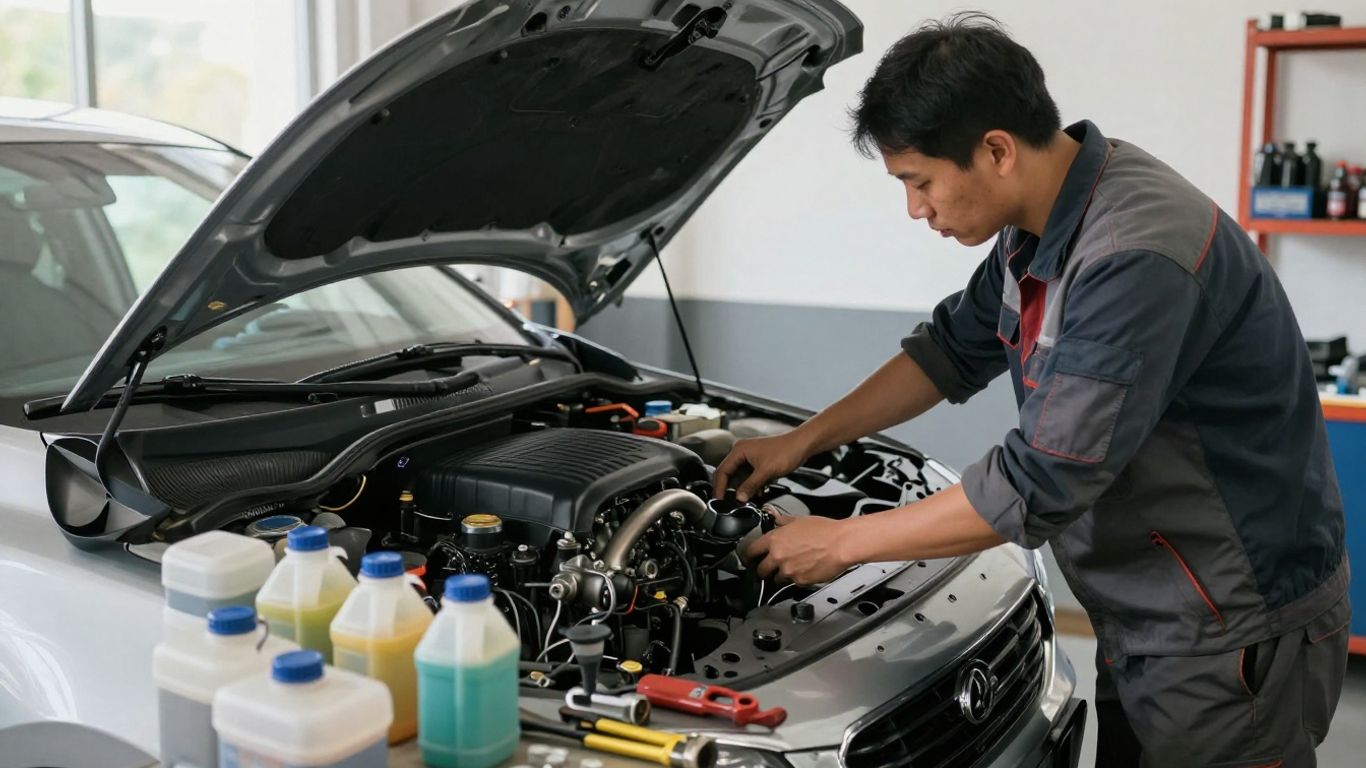
Ask the carrier which fluids must be drained and whether any residue or components affect acceptance. Where draining is required, use a suitable workspace and handle fluids responsibly rather than allowing them to spill during packing. Check whether the carrier has other preparation rules for engines or oily parts, and follow those instructions before the collection is booked. Confirm requirements early to avoid repacking or a missed pickup.
A simple pre-booking check can keep the preparation focused:
- Ask which fluids must be removed and how the engine should be presented.
- Confirm whether the carrier accepts the engine in its current condition.
- Check if any caps, plugs, or protective coverings are required.
- Keep a note of the instructions and who provided them.
Once those points are settled, prepare the engine in a clean, stable area. If a requirement is unclear, ask before sealing the package so the engine can still be inspected or adjusted.
Remove loose parts and protect vulnerable components
Loose components can shift in transit, so separate removable items where practical and package them securely. Protect delicate fittings, exposed openings, and protruding parts from knocks, dust, and contact with straps. Keep small pieces together in a clearly identified package, but do not attach anything in a way that could come free during handling. Good protection should not conceal a leak or make the shipment unstable.
Record the engine’s condition before collection
Photograph the engine from several angles before it is packed, including visible damage, missing parts, and identifying details that matter to you. Take additional images of the finished package and its attachment to the pallet or crate. Keep the photographs with the consignment information, along with any notes about the engine’s condition. This record gives you a clear reference if you need to discuss the shipment after collection.
Package and secure the engine
Packaging should support the engine’s weight and keep it stable through ordinary handling. A loose engine placed on a pallet can move, while a crate that is too weak may not provide adequate support. Think through how the shipment will be lifted and where straps or bracing can be placed without damaging components. If the carrier specifies packaging standards, use those as the starting point.
Choose a suitable pallet or crate
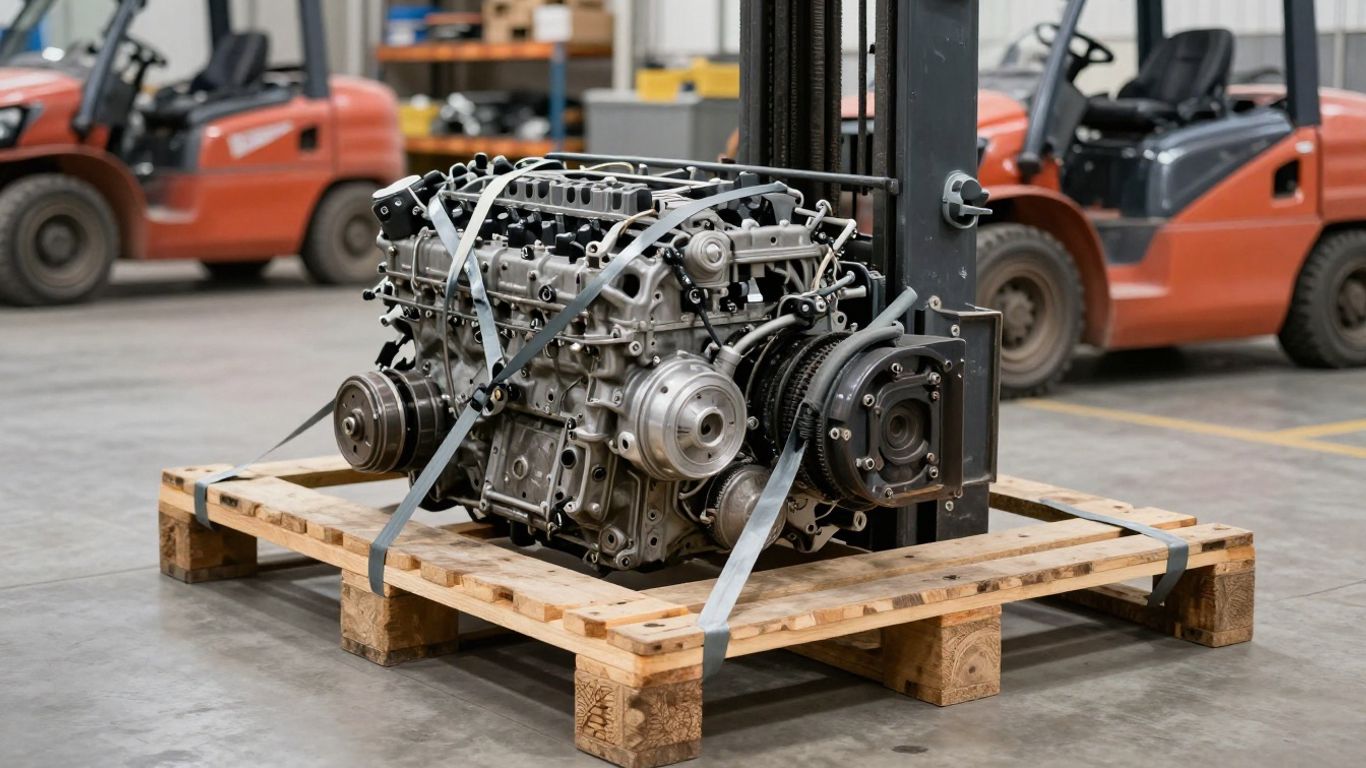
Select a pallet or crate that is in sound condition and can support the engine without bending or breaking. The engine should sit securely within its footprint, with enough room for protective material and any required restraints. Consider how a forklift or other loading equipment will approach the package, and avoid blocking access points. When in doubt, ask the carrier what packaging it will accept for the shipment’s measured weight and dimensions.
Prevent movement with straps and bracing
Restraints should hold the engine firmly without pressing on fragile fittings or creating new damage. Use suitable bracing to stop the load shifting, and check that straps cannot loosen or slip during handling. The base, restraints, and engine should work together as one stable unit. A careful check from more than one side can reveal movement that is easy to miss when viewed from the front.
Protect against leaks, dust, and handling damage
Use protective coverings to reduce exposure to dust and incidental contact, while keeping the package secure and suitable for handling. Any absorbent material or barrier should be used in line with carrier instructions and should not replace draining fluids when that is required. Leave the package stable, with no loose items or sharp projections that could catch during movement. Before collection, check the exterior for signs of leakage and make sure the shipment details remain visible.
Arrange collection and delivery details
A suitable shipment can still run into difficulty if its measurements or access requirements are unclear. Gather the practical details before confirming collection, including how the engine will be loaded and whether someone will be available at the destination. Think about the route from the pickup point to the vehicle and from the delivery point to the engine’s final location. Clear instructions help everyone prepare for the handover.
Provide accurate dimensions and weight
Measure the complete packed shipment, including the pallet or crate, and provide its overall length, width, and height. Give the best available weight for the entire consignment, not an estimate for the engine alone. Inaccurate details can affect the quote, the vehicle or equipment arranged, and whether the shipment can be accepted as booked. If a measurement is uncertain, say so and ask how it should be confirmed.
Confirm access, loading equipment, and delivery availability
Describe the pickup and delivery locations in practical terms: available space, access restrictions, stairs or uneven ground, and any limits on vehicle access. Confirm who will load and unload the engine and whether appropriate equipment will be available at each end. Check that someone can be present during the agreed delivery window, or ask what alternatives the provider offers. These details matter most when the engine cannot be moved by hand.
Share the recipient’s contact details and delivery instructions
Provide a working phone number for the recipient and verify the delivery address, including any unit, gate, or site instructions. Let the recipient know when the shipment is expected and what they may need to do on arrival. If there are special access steps, share them before the vehicle is dispatched rather than relying on a driver to call from the street. Keep a copy of the booking information so the pickup and delivery details are easy to check.
Understand delivery costs and transit times
Freight quotes can vary because shipments differ in size, weight, packaging, route, and handling needs. A low initial price may not include every service or fee, so read the quote and ask what is covered. Transit estimates also depend on the route and the carrier’s schedule, and should not be treated as a guaranteed arrival time unless the provider says so. Compare the full arrangements against your deadline and budget.
Identify the factors that affect freight quotes
The packed dimensions and weight are central details, but the collection and delivery locations can matter too. Access constraints, loading requirements, packaging condition, and requested service type may also affect the price. Give providers consistent information when requesting quotes so you are comparing similar shipments. Ask whether the quote assumes a standard pickup and delivery, or whether it includes any additional handling.
Check for surcharges, insurance, and regional delivery fees
Ask whether the quote includes applicable surcharges, any regional or access-related fees, and the level of cover available for loss or damage. Read the terms for exclusions, limits, and any steps you must take to make a claim. Do not assume that packaging, insurance, or special handling is included unless it is stated. A written breakdown makes it easier to understand what you are paying for and where an extra charge could arise.
Compare estimated transit times with your schedule
Request an estimated transit window and check how collection timing, weekends, public holidays, or delivery availability may affect it. If the engine is needed for a repair or project, leave room for a delay rather than planning around the earliest possible arrival. Ask how the provider communicates schedule changes and what options exist if the delivery date shifts. A realistic window is more useful than an optimistic date you cannot accommodate.
Track the shipment and receive the engine
After collection, keep the booking details somewhere easy to access and check for updates as the shipment moves. Make sure the recipient knows who is expecting the delivery and how the engine will be handled when it arrives. A little preparation at the destination can prevent the vehicle from waiting while space or equipment is arranged. Once the shipment arrives, inspect it before completing the handover.
Keep the consignment number and monitor tracking updates
Save the consignment number, booking confirmation, and carrier contact details together. Use the carrier’s stated tracking method and check for changes to the estimated delivery time. If an update is unclear or the shipment appears delayed, contact the provider with the consignment number ready. Timely questions are easier to resolve when you can identify the shipment and its latest recorded status.
Inspect the shipment before signing for delivery
Before signing, look over the pallet or crate for visible impact, broken restraints, punctures, or signs of leakage. Compare its condition with the photographs you took before collection, and note any concerns through the delivery process provided by the carrier. If safe and practical, take photographs of damage before moving or unpacking the engine. Keep the packaging until you have checked the contents and understand any reporting requirements.
Report damage or delays promptly
If the shipment arrives damaged or misses its expected delivery window, contact the carrier as soon as possible and follow its stated reporting procedure. Share the consignment number, photographs, and a factual description of what you observed. Keep copies of messages and any records provided at delivery. Prompt, clear reporting gives the provider the information needed to review the issue.
Conclusion
Safe engine delivery to Melbourne is easier to manage when the engine is prepared, properly secured, and described accurately at booking. Confirm requirements with the carrier, plan the handover at both ends, and keep a clear record through delivery so you can respond promptly if anything changes.