
Key Takeaways
Replacing a BMW engine is a major decision, but it is not always the only sensible answer. The right choice depends on the extent of the damage, the vehicle’s condition, the engine option available, and the quality of the installation.
- Confirm the cause of failure before approving major work.
- Compare repair, rebuild, used, reconditioned, and remanufactured options.
- Ask for a quote that separates labour, parts, fluids, programming, and testing.
- Choose a specialist with suitable BMW diagnostic equipment and documented processes.
- Protect the replacement engine with careful running-in and consistent servicing.
When BMW engine replacement is the right solution
A BMW engine replacement Melbourne project should begin with a careful diagnosis, not an assumption that the entire engine has failed. Some symptoms that look serious can come from a cooling, fuel, ignition, turbocharger, or electrical fault. When internal damage is confirmed, however, replacing the engine may offer a clearer and more predictable result than repairing several major components one at a time.
The decision also depends on the rest of the vehicle. A sound transmission, straight body, healthy suspension, and complete service history can make replacement worthwhile. If several expensive systems are already near the end of their useful life, the same engine bill may be harder to justify.
Warning signs of severe engine failure
Severe internal damage often appears as a combination of symptoms rather than one isolated warning. A heavy knock that follows engine speed, very low compression, metal in the oil, persistent overheating, or a seized crankshaft deserves immediate attention. Continuing to drive can turn a repairable failure into wider damage to ancillary components.
White, blue, or unusually heavy exhaust smoke can also point to internal wear or fluid entering the combustion process, although exhaust smoke must be tested rather than guessed at. A diagnostic scan, compression or leak-down testing, oil inspection, and cooling-system checks help establish whether the problem is inside the engine or elsewhere.
If the engine has lost oil pressure or overheated severely, switch it off and arrange a proper inspection. Early diagnosis can limit damage and gives you better information when comparing repair and replacement costs.
Repair, rebuild, or replacement comparison
Repair is usually most attractive when the fault is limited to an accessible component and the main rotating assembly remains healthy. A rebuild involves dismantling and inspecting the engine, then replacing or machining worn parts as required. A replacement uses another complete or partially complete engine, with the original vehicle systems transferred or retained as appropriate.
The table below is a useful starting point, but the actual recommendation should follow the inspection and the condition of the available engine.
| Option | Often suits | Main consideration |
|---|---|---|
| Component repair | A contained fault with limited internal damage | The remaining engine must be healthy |
| Rebuild | Wear or damage that can be measured and machined | Labour and machining scope can grow |
| Used replacement | A compatible engine is available at a lower entry price | History, condition, and warranty need checking |
| Reconditioned or remanufactured replacement | Buyers seeking a defined internal inspection or renewal scope | The supplier’s specification matters greatly |
A cheaper option is not automatically better if it comes with uncertain history or excludes essential installation work. The useful comparison is the expected total cost, risk, and service life rather than the engine purchase price alone.
How vehicle age and mileage affect the decision
Age and mileage influence the decision because they provide context for the condition of the vehicle around the failed engine. A high-mileage car may need mounts, hoses, cooling parts, sensors, or transmission work while the engine is out. Those items do not necessarily make replacement wrong, but they should be identified before approval.
A newer vehicle with a well-documented maintenance history may justify a higher-quality replacement, especially when its body, interior, drivetrain, and safety systems remain in good condition. Conversely, a lower-mileage vehicle with neglected servicing can carry more risk than the odometer suggests.
Consider the car’s intended use as well. A daily commuter, long-distance vehicle, and occasional weekend car may each support a different balance between upfront cost, warranty coverage, and expected remaining ownership.
BMW models commonly needing replacement engines
No single BMW model or engine family can be assumed to need replacement simply because of its age or mileage. Failures can arise across petrol and diesel vehicles, turbocharged and naturally aspirated engines, and several generations of the brand’s range. The relevant questions are the engine code, production details, failure cause, and availability of a suitable donor or replacement unit.
When discussing a model, avoid relying on a general reputation. Two vehicles with the same badge can have different engine specifications, control modules, emissions equipment, and installation requirements. A specialist should verify the individual vehicle before sourcing anything.
Understanding BMW engine replacement options
Replacement engines are not all equivalent, even when they appear to fit the same vehicle. New, used, reconditioned, and remanufactured units can differ in their internal inspection, renewed components, testing, documentation, and warranty. Understanding those distinctions helps you compare a complete proposal instead of choosing on price alone.
The physical fit is only one part of compatibility. The replacement must work with the vehicle’s electronics, emissions equipment, accessories, transmission, cooling system, and software configuration. Ask exactly what is included and which parts will be transferred from the failed engine.
New, used, reconditioned, and remanufactured engines
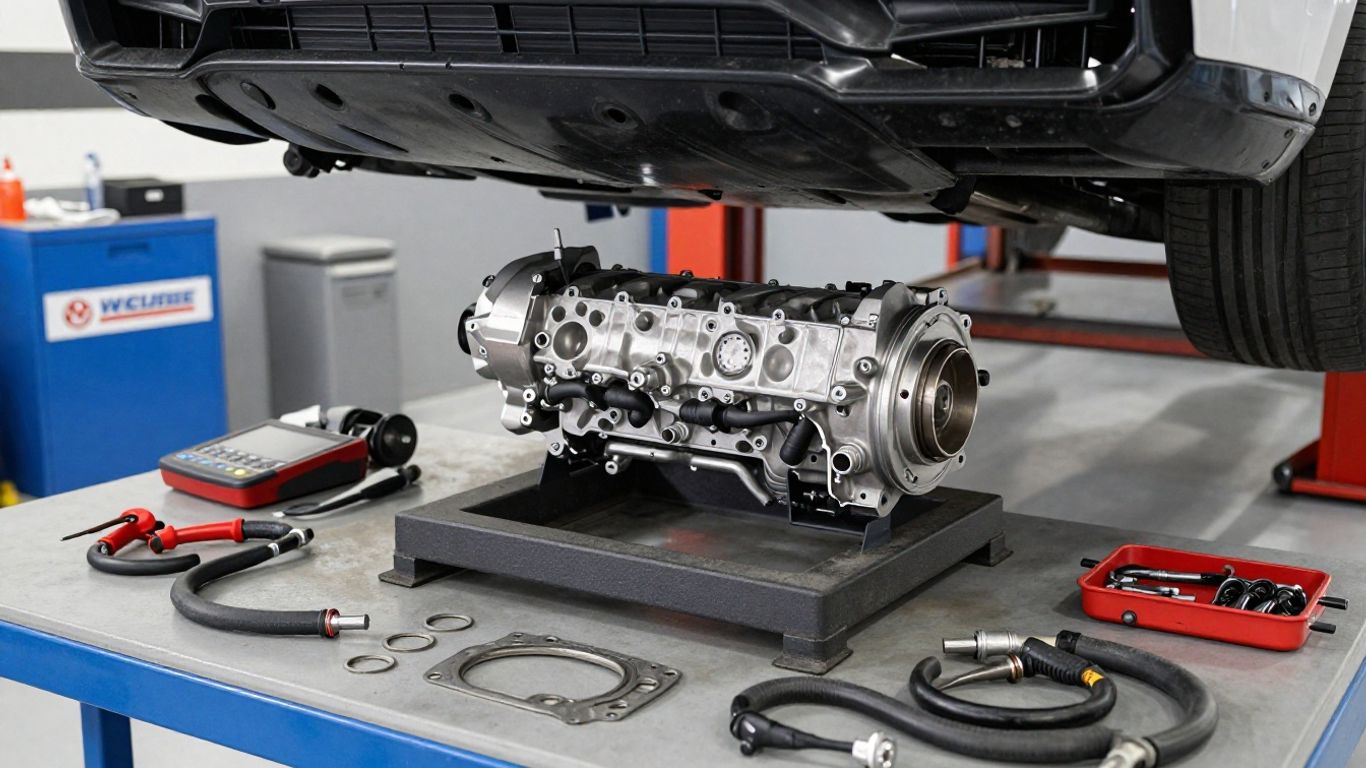
A new engine generally offers the clearest condition history, but it can also carry the highest purchase cost and may not include every external component. A used engine can be practical when its source, mileage, testing, and warranty are documented. Its value depends heavily on how confidently its previous operating history can be established.
Reconditioned and remanufactured are not interchangeable labels in every supplier’s catalogue. One provider may replace selected worn parts, while another may dismantle, measure, machine, renew, and test the complete unit. Request a written description of the work rather than treating the name alone as a guarantee of scope.
The best option is the one whose condition and coverage match the vehicle and your ownership plans. A lower purchase price may be reasonable for an older car, while a more comprehensively renewed unit may make better sense for long-term use.
Matching engine codes and vehicle specifications
Engine codes should be checked against the vehicle identification details, not used as a loose search term. The same broad engine family can have differences in sensors, wiring, intake and exhaust arrangements, turbo hardware, fuel systems, software, or emissions equipment.
Before ordering, confirm the engine code, transmission type, build date, drive configuration, and relevant vehicle identification information. The supplier should also explain whether the unit is complete or requires the original intake, alternator, starter, manifolds, injectors, wiring, or control equipment.
Compatibility is ultimately established by the complete installation plan. A unit that bolts into place may still require additional parts, programming, or calibration before it can operate correctly.
Genuine BMW and aftermarket component considerations
Parts decisions should be made component by component. Some owners prefer genuine replacement parts for particular sensors, seals, cooling components, or electronic items, while quality aftermarket parts may be suitable in other areas when their specification and supplier are clear.
The important point is transparency. The quote should identify which parts are new, which are reused, which are aftermarket, and which are supplied with the replacement engine. It should also identify any parts that are excluded but may be needed after inspection.
Avoid treating every aftermarket part as poor quality or every genuine part as automatically necessary. Suitability, fit, specification, availability, and warranty should guide the decision.
Warranty differences between replacement options
Warranty terms can vary by engine source and by the conditions attached to installation. A used engine may have shorter coverage or exclusions for ancillary parts, while a reconditioned or remanufactured unit may include a more detailed component and labour schedule. Read the terms before work begins.
Ask whether the warranty requires installation by an approved workshop, specific fluids, a running-in procedure, or follow-up inspections. Clarify what happens if a fault appears and whether diagnosis, removal, replacement, freight, or related damage is included.
A written warranty is useful only when its boundaries are understood. Keep the invoice, engine identification details, diagnostic records, and service receipts together so any future discussion is supported by documentation.
What the BMW engine replacement process involves
An engine replacement is a sequence of inspections, mechanical work, electronic configuration, and testing. Good preparation reduces avoidable delays because the workshop can identify compatibility issues and related repairs before the replacement is installed. The process may take longer when access is restricted or the vehicle has extensive integrated electronics.
The exact order varies by vehicle and workshop, but the central aim is consistent: establish the failure, remove the old unit safely, install the correct replacement, and verify the complete vehicle before return. A clear work plan makes it easier to understand what you are paying for.
Initial diagnostics and failure assessment
The first stage is to record the symptoms and test the vehicle. This may include a scan of stored faults, fluid checks, visual inspection, compression or leak-down testing, oil-pressure checks, and examination of the cooling system. The purpose is to distinguish an engine failure from a fault in an associated system.
The assessment should also consider why the engine failed. Overheating, lubrication loss, contamination, timing damage, and a fuel or ignition problem can require different follow-up work. Fixing the cause matters because a replacement engine can be damaged by the same unresolved fault.
You should receive a clear explanation of the findings and the available options before removal begins. That is the point to approve a scope, not after unexpected work has accumulated.
Removing the failed engine
Removal involves draining fluids, disconnecting electrical and fuel connections, separating exhaust and cooling components, and supporting the engine and transmission correctly. Depending on the vehicle, access may require removal of surrounding parts or careful movement of the complete drivetrain assembly.
A careful workshop labels connections, protects wiring and bodywork, and records parts that will be reused. The removed engine can then be inspected for evidence that confirms the original diagnosis. This is especially useful when the initial tests could not reveal the full extent of internal damage.
Removal also creates an opportunity to inspect mounts, hoses, seals, belts, lines, and hard-to-reach connectors. Replacing a worn low-cost item at this stage may prevent a second major teardown later.
Installing and configuring the replacement
The replacement is prepared with the required seals, fluids, accessories, and transferred components according to the agreed scope. Technicians align mounts and connections, reconnect fuel, cooling, exhaust, and electrical systems, and verify that the engine is properly supported before starting it.
Modern vehicles may also require electronic configuration or programming after installation. The exact requirement depends on the vehicle, replacement unit, and components transferred from the original engine. It should be included in the quote where applicable rather than treated as an unexplained extra.
Once the engine starts, the workshop checks for leaks, abnormal noise, warning lights, fluid levels, and stable operating temperature. Early checks can catch a loose connection or installation issue before it becomes a larger problem.
Post-installation testing and road checks
Static testing comes before a road test. The engine should reach operating temperature while the workshop monitors fluid pressure, temperatures, charging performance, fault codes, and visible leaks. Any warning light or irregular noise needs investigation rather than being dismissed as part of the installation.
A controlled road check then assesses starting, idle quality, acceleration, gear changes, braking, steering, and temperature under normal conditions. The vehicle should be scanned again after the drive where appropriate, because some faults appear only once the car is moving.
The handover should include the running-in advice, service requirements, warranty documents, and details of work completed. Those records give you a practical reference for the first few weeks of ownership.
A sensible handover checklist includes:
- Engine and vehicle identification details.
- Fluids and filters replaced during installation.
- Programming or configuration completed.
- Fault codes cleared or explained.
- Follow-up inspection and running-in instructions.
These details are simple, but they prevent uncertainty when the vehicle returns for its first post-installation check. They also make future servicing easier to plan.
BMW engine replacement costs in Melbourne
The cost of BMW engine replacement Melbourne drivers encounter can vary substantially because there is no single standard job. The engine source, vehicle layout, installation scope, required programming, and condition of related components all affect the final figure. A quote that looks low may simply leave more items outside the stated price.
A useful estimate separates the replacement unit from the work needed to fit, configure, test, and support it. It should also identify assumptions, such as whether the original accessories are reusable and whether the vehicle arrives under its own power.
Main factors that influence the price
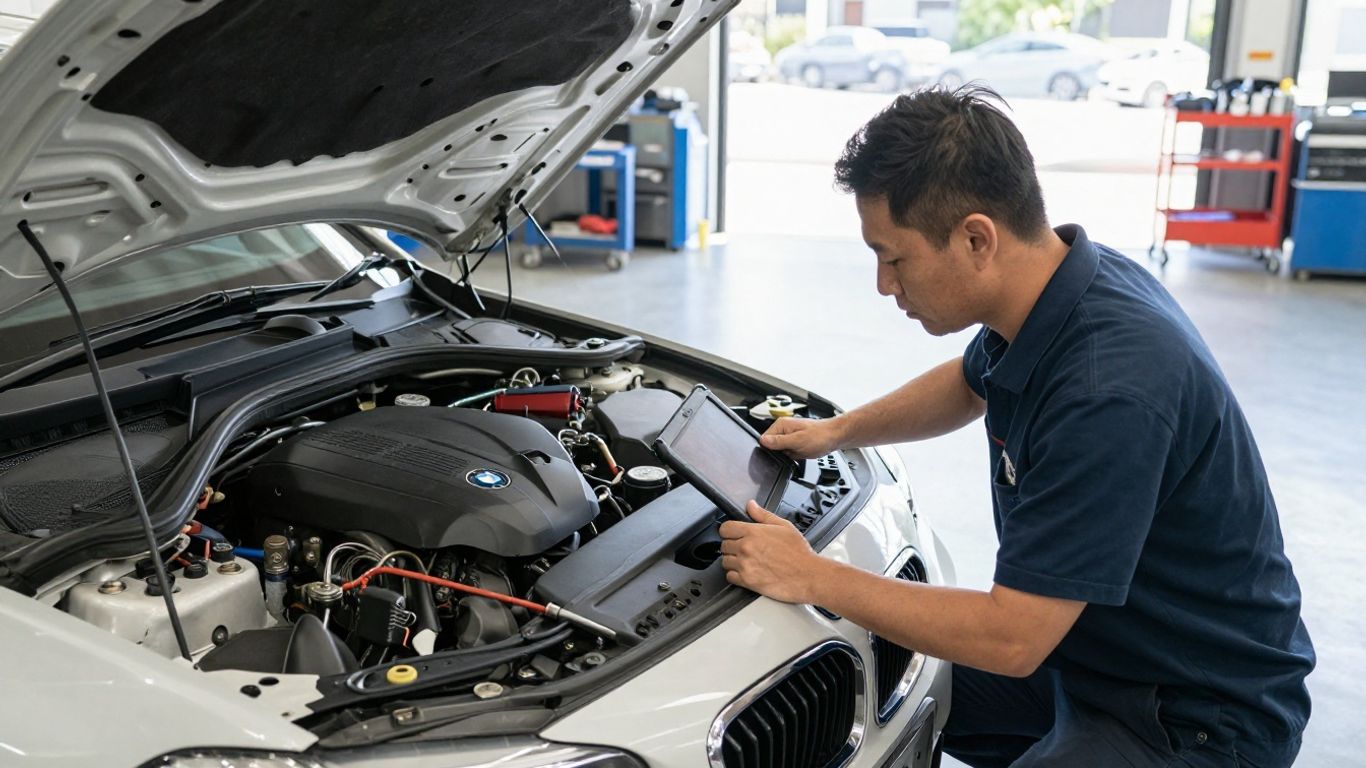
The largest factor is usually the replacement engine itself. New units, used engines, and professionally renewed engines occupy different price ranges, and availability can change the cost and waiting time. The engine code and vehicle configuration can also limit the number of suitable options.
Labour access is another major variable. Some vehicles allow relatively direct removal, while others require extensive dismantling and careful electronic or emissions-system work. Transport, diagnostic time, fluids, filters, seals, and post-installation testing should all be considered.
Warranty scope affects value as well. A proposal with documented testing and meaningful coverage may cost more initially but offer greater certainty than an inexpensive unit with unclear history.
Labour, parts, fluids, and programming expenses
Ask for the estimate to be divided into understandable categories. Labour may include diagnosis, removal, preparation, installation, configuration, testing, and road checks. Parts may include mounts, seals, hoses, belts, filters, spark plugs or glow plugs, and other items found necessary for the agreed installation.
Fluids are not a minor detail after an engine change. Engine oil, coolant, transmission-related fluids, refrigerant-related work, and cleaning materials may be included or excluded depending on the scope. Programming and diagnostic time should also be listed where the vehicle requires it.
A clear breakdown makes revisions easier if the inspection discovers something unexpected. It also lets you compare two quotes on the same basis instead of comparing one complete price with another that excludes essential work.
Additional repairs discovered during installation
Once the engine is accessible, technicians may find deteriorated hoses, cracked connectors, leaking seals, worn mounts, damaged wiring, or cooling-system weaknesses. Some repairs are directly related to reliability and should be considered before the vehicle is reassembled. Others may be deferred if they do not affect safe operation or the replacement engine’s protection.
Ask the workshop to separate essential work from recommended work. Photos, test results, or a plain explanation of the risk can help you make a decision without pressure. You can then decide whether to complete everything immediately or schedule lower-priority items later.
This approach keeps the budget realistic while recognising that an engine replacement can reveal problems that were hidden by poor access.
How to compare quotes accurately
Compare the written scope rather than the headline total. Check whether each quote covers diagnosis, removal, installation, fluids, filters, transferred parts, programming, testing, transport, warranty, and taxes. Also check whether labour is fixed, estimated, or subject to approval if additional work is found.
The following questions can expose important differences between proposals:
- What exact engine code and condition are being supplied?
- What parts are included, transferred, reused, or excluded?
- What testing was performed before the engine was offered?
- What does the warranty cover, and for how long?
- What happens if further damage is found during installation?
The lowest quote may still be suitable, but only if its assumptions are acceptable. A reliable comparison leaves fewer unanswered questions and makes the final invoice less surprising.
Choosing a BMW engine replacement specialist
The workshop you choose affects more than the installation itself. A suitable specialist should be able to diagnose the original failure, source a compatible engine, manage mechanical work, and complete the checks required after installation. Communication matters because a complex repair can change as hidden conditions are discovered.
Look for evidence of process rather than broad promises. A workshop that explains the diagnosis, documents the proposed scope, and answers questions clearly gives you a better basis for consent and comparison.
BMW-specific experience and diagnostic equipment
BMW vehicles can require model-specific diagnostic interpretation and configuration after mechanical work. Ask whether the workshop has experience with your particular generation and engine family, and whether its diagnostic equipment can read relevant vehicle systems before and after installation.
Equipment alone does not prove expertise. The useful combination is appropriate equipment, technicians who know how to interpret the results, and a documented process for checking the vehicle once the replacement is fitted.
A specialist should also be comfortable explaining what the scan can establish and what still needs mechanical inspection. That balance helps avoid replacing an engine to solve the wrong problem.
Technician qualifications and workshop capabilities
Ask who will perform the work and whether the workshop has the lifting equipment, engine stands, tooling, storage, and safe work area required for the job. Replacement work can involve heavy components, delicate connectors, tight access, and precise reassembly.
Qualifications and experience should be considered alongside workshop organisation. Clean documentation, labelled parts, protected vehicles, and a clear approval process are practical signs that the repair is being managed carefully.
You can also ask how the workshop handles road testing, post-installation checks, and follow-up faults. The answer should describe a process rather than simply promise that the vehicle will be fine.
Parts sourcing and supplier transparency
A trustworthy quote identifies where the replacement engine comes from and what information accompanies it. Useful details may include engine code, recorded mileage where available, test results, donor vehicle information, refurbishment scope, and warranty terms.
Transparency is equally important for supporting parts. You should know whether the workshop intends to reuse the original accessories and whether new seals, filters, fluids, mounts, or cooling components are recommended. This prevents assumptions from becoming disputes later.
If availability is limited, ask how long sourcing is expected to take and whether an alternative engine meets the same specification. A clear answer is more useful than an uncertain promise of immediate fitment.
Warranty, documentation, and customer support
Before authorising the job, obtain the warranty conditions in writing. Confirm the duration, covered components, exclusions, maintenance requirements, and procedure for reporting a problem. Ask whether the warranty covers labour as well as the replacement unit.
Keep copies of the quote, final invoice, engine details, diagnostic reports, test results, and service recommendations. These documents are valuable if the vehicle changes hands or needs further work later.
Good customer support continues after collection. The workshop should explain what is normal during the early running-in period, what symptoms require immediate contact, and when the first follow-up inspection should occur.
How to protect your replacement BMW engine
A replacement engine needs the same disciplined care as any major mechanical investment. The first kilometres are an opportunity to confirm that fluids, temperatures, seals, and electronic systems remain stable. Later, consistent servicing helps prevent the conditions that caused the original failure from returning.
Your workshop’s recommendations should take priority because they reflect the specific replacement unit and the work completed. Keep a written service schedule and respond promptly to unusual sounds, warning lights, fluid loss, or changes in performance.
Following the recommended running-in period
Follow the written running-in instructions supplied with the replacement engine. These may cover speed, load, idling, towing, varying engine conditions, and the timing of the first oil and filter change. Requirements can differ depending on whether the engine is new, used, reconditioned, or remanufactured.
Avoid treating gentle driving as a substitute for the actual instructions. The goal is to operate the engine within its recommended limits while giving the workshop a chance to identify early leaks, faults, or installation issues.
Attend the first follow-up inspection when requested. A prompt check can confirm fluid levels, fasteners, fault codes, and general operation before small issues become expensive ones.
Maintaining oil, cooling, and fuel systems
Oil quality and level are central to engine protection, particularly after a major installation. Use the specified oil and filter, check the level as advised, and investigate any sudden change rather than simply topping it up repeatedly. Leaks or rising oil consumption deserve attention.
The cooling system also needs close observation. Watch for temperature changes, coolant loss, trapped air, fan problems, and a sweet smell after driving. Fuel quality, filtration, injectors, and related connections should be maintained according to the vehicle and engine requirements.
These systems work together. A healthy replacement engine can still suffer if it is starved of oil, overheated, or supplied with a fault that was not corrected during installation.
Keeping up with scheduled BMW servicing
Use the vehicle’s service schedule as a minimum framework, then include any additional checks recommended for the replacement engine. Record oil and filter changes, cooling-system work, belt or chain inspections, spark plug or glow plug servicing, and diagnostic checks where relevant.
Do not postpone routine service because the engine has recently been replaced. Fresh installation work does not remove the need to inspect the transmission, brakes, suspension, tyres, battery, and other systems that affect the whole vehicle.
Consistent records also support warranty discussions. They show what was done, when it was done, and whether the required maintenance was followed.
Detecting early signs of replacement engine problems
Pay attention to changes from the vehicle’s normal behaviour. A new tap, knock, rough idle, hard start, loss of power, smoke, warning light, unusual vibration, or fluid leak should be recorded and reported promptly. A small symptom is easier to investigate when it has not been accompanied by extended driving.
Stop safely if oil pressure, coolant temperature, or another critical warning appears. Continuing to drive can turn a manageable installation issue into serious engine damage. Note when the symptom occurs, whether the engine is hot or cold, and whether it changes under load.
Early communication protects both the vehicle and the warranty position. It also gives the technician useful information for reproducing the fault and deciding what test should come next.
Conclusion
BMW engine replacement in Melbourne is best approached as a complete vehicle decision rather than a simple parts purchase. Confirm the failure, compare the available engine types, insist on a detailed installation scope, and choose a workshop that can document diagnosis, configuration, testing, and warranty support. With careful running-in and regular maintenance afterward, a suitable replacement can give the vehicle a dependable next chapter.