
Key Takeaways
Choosing a Volkswagen engine supplier requires more than comparing prices on a listing. The right decision comes from matching the engine precisely, checking the supplier’s process, and accounting for the full project cost.
- Confirm the engine code, vehicle application, transmission, and emissions requirements.
- Compare new, used, rebuilt, and remanufactured engines on a like-for-like basis.
- Review testing, traceability, warranty terms, returns, and supplier experience.
- Calculate shipping, installation, core charges, and possible modification costs.
- Get complete specifications and written answers before placing an order.
Understanding the Volkswagen engine supplier landscape
The supplier market includes several types of businesses, and their offers can look similar at first glance. A factory-produced replacement, a professionally remanufactured unit, and a used engine may all be advertised for the same vehicle while carrying very different levels of risk. Start by understanding what is actually being sold, how it was sourced, and what support comes with it.
A good supplier should be able to explain the engine’s condition without relying on vague labels. It should also distinguish the engine itself from included accessories, installation parts, and services. That clarity makes later comparisons much easier.
OEM, aftermarket, and remanufactured engine suppliers
OEM supply generally refers to an engine or major component made to the vehicle manufacturer’s specifications, while aftermarket supply may come from an independent manufacturer. Remanufactured engines are rebuilt using a documented process intended to return usable components to a serviceable standard. These categories are not interchangeable, so ask which parts are original, which are new, and what work has been completed.
The label “remanufactured” should lead to specific questions about machining, replacement parts, inspection, and final testing. A supplier that can answer those questions in writing gives you a stronger basis for judging value than one that simply promises quality.
New, used, and rebuilt Volkswagen engines
A new engine usually offers the clearest condition history, but it may be the most expensive option and may not include every external component required for installation. A used engine can be a practical choice when its mileage, donor vehicle, compression results, and storage history are documented. A rebuilt engine may sit between those choices, although the quality depends heavily on the rebuild process and the parts used.
Ask whether the quoted price covers a complete long block, a dressed engine, or a replacement assembly with accessories. The difference affects both the installation plan and the amount of additional work your technician must perform.
Passenger car, commercial vehicle, and performance applications
An engine suited to a passenger car may not be appropriate for a commercial vehicle, even when displacement and fuel type appear identical. Commercial applications can place different demands on cooling, loading, gearing, and duty cycles. Performance-focused builds introduce another set of questions around calibration, internal components, and compatibility with the rest of the vehicle.
Describe the vehicle’s actual use rather than giving the supplier only a model name. Daily commuting, towing, delivery work, track use, and occasional restoration can point toward different specifications and different expectations for durability.
Direct suppliers versus distributors and brokers
A direct supplier may have better access to production or rebuilding records, while a distributor can provide useful sourcing reach across several inventories. A broker may locate an engine quickly but have less control over inspection, storage, or preparation. The business model matters less than whether responsibility remains clear from order through warranty support.
Before paying, identify who owns the stock, who inspected it, who issues the invoice, and who handles a warranty claim. If several companies appear in the paperwork, ask which one is accountable when the engine arrives with a problem.
Matching an engine to your Volkswagen model
Compatibility is the point at which a promising deal can become an expensive mistake. Model names and engine sizes are not enough to establish a match, particularly across different production years or regions. A careful buyer verifies the engine code and then checks the surrounding systems that affect installation.
Keep the vehicle identification number, original engine details, transmission information, and regional registration requirements together. That small preparation step gives the supplier useful information and reduces the chance of an assumption being treated as confirmation.
Identifying the correct engine code
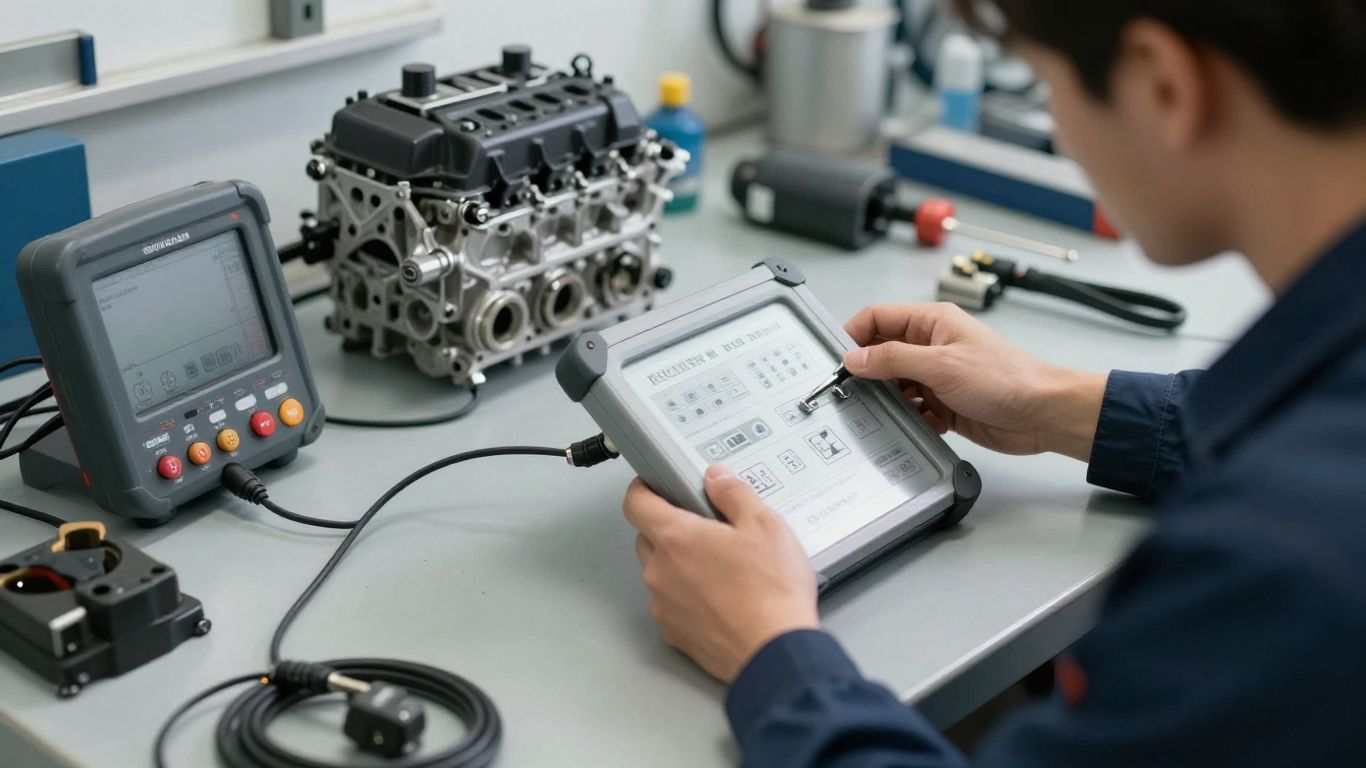
The engine code is one of the most useful identifiers in a replacement search. Locate it on the original engine or in reliable vehicle documentation, then ask the supplier to confirm the code on the proposed unit. Do not accept a broad description such as “fits many Volkswagens” as a substitute for a code-level comparison.
Also ask whether the supplied unit is a direct match or an interchangeable replacement that requires transferring components. A code match can still leave questions about sensors, brackets, wiring, software, and emissions equipment.
Checking vehicle year, platform, and transmission compatibility
The same model name can cover multiple platforms, revisions, and drivetrain combinations. Production year, body style, drivetrain layout, transmission type, and market specification may all change the correct engine choice. Confirm these details against the supplier’s written fitment information and your technician’s assessment.
Transmission compatibility deserves particular attention. Even when the engine physically mounts to the vehicle, the flywheel, flexplate, starter arrangement, clutch, control modules, or calibration may differ.
Comparing petrol, diesel, hybrid, and electric powertrains
Fuel type is only the first distinction. Petrol and diesel engines can differ in injection equipment, turbocharging, cooling, and control systems, while hybrid powertrains combine an engine with high-voltage components and dedicated controls. Electric vehicles do not use a conventional internal-combustion engine, so an apparent “engine replacement” request may actually concern a drive unit or another system.
Make sure the supplier understands whether you need a complete powertrain, an engine assembly, or one serviceable subcomponent. Mixing terminology across these categories can produce an attractive quote for the wrong part.
Verifying emissions and regional requirements
An engine that works mechanically may still fail to meet local emissions or registration requirements. Check the applicable standards for the vehicle’s destination, including required sensors, catalytic or particulate systems, evaporative controls, and documentation. Regional differences can affect both legality and the parts needed for installation.
Ask for confirmation rather than assuming that a European, North American, or other market version is automatically interchangeable. Keep copies of the supplier’s fitment and emissions statements with the purchase records.
Evaluating supplier quality and reliability
Quality is not a single claim; it is the result of repeatable work and evidence. A reliable Volkswagen engine supplier can explain how units are sourced, inspected, prepared, and supported after delivery. The more expensive the installation, the more valuable that evidence becomes.
Review the supplier’s answers for precision. Specific process details, consistent documentation, and clear limits are generally more useful than polished promises about exceptional performance.
Reviewing manufacturing and remanufacturing standards
For a manufactured engine, ask about the production specification and the parts included in the assembly. For a remanufactured engine, ask which components are measured, machined, replaced, or discarded. The answer should make clear whether the work covers the complete engine or only selected parts.
A supplier should also explain how it handles tolerances and assembly. Documented workmanship matters because it gives you something concrete to evaluate if two engines carry similar prices.
Checking testing, inspection, and traceability processes
Testing may include visual inspection, dimensional checks, pressure testing, compression testing, leak checks, or other procedures appropriate to the engine type. Ask which tests were performed on the exact unit you would receive, not merely which tests are available in general. Traceability is stronger when the engine has an identifiable serial number, inspection record, and source history.
These records help a technician diagnose a problem and help the supplier determine whether a warranty claim concerns the supplied unit or an installation issue. Keep the documents with photographs of the engine as delivered.
Assessing warranty coverage and return policies
Read the warranty before comparing prices. Check its duration, mileage limit, covered components, labor provisions, exclusions, maintenance requirements, and claim procedure. A warranty may cover the engine assembly but exclude sensors, accessories, overheating, contamination, or costs incurred when the installation was not approved.
Return terms deserve equal attention, especially for engines ordered from another region. Confirm who pays freight, whether a restocking charge applies, how damage is documented, and whether the core must be returned before a refund or credit is issued.
Validating certifications, reviews, and industry experience
Certifications can be useful when their issuing body, scope, and current status are clear. Reviews can add context, but look for patterns about fitment accuracy, packaging, communication, and warranty handling rather than focusing only on star ratings. Years in business are relevant only when paired with evidence of experience with the engine type you need.
Ask for references or representative documentation where appropriate, while respecting privacy and commercial confidentiality. A supplier that cannot provide any verifiable process information should be treated cautiously.
Comparing Volkswagen engine supplier costs
The lowest advertised price is rarely the complete financial picture. An engine may require transferred accessories, new seals, additional sensors, special freight, or more technician time than another unit. Compare quotes only after defining what each supplier includes.
Cost also includes the risk of delay. A cheaper engine that arrives late or fails fitment can create storage fees, missed work, and a second installation, making the original saving disappear.
Understanding the difference between purchase price and total cost
Separate the engine price from every cost needed to return the vehicle to service. Ask whether the quote includes inspection, preparation, accessories, fluids, gaskets, freight, taxes, and warranty administration. Then estimate the technician’s labor for both the supplied configuration and any required component transfers.
A simple comparison table can keep unlike quotes from being presented as equivalent:
| Cost area | Questions to ask | Why it matters |
|---|---|---|
| Engine assembly | What exact unit and condition are included? | Establishes the real product being compared |
| Preparation | Are testing, cleaning, and replacement parts included? | Reveals work hidden behind a low headline price |
| Installation | Which labor and supporting parts are required? | Shows the likely workshop cost |
| Support | What does the warranty cover and exclude? | Measures the value of post-sale protection |
After filling in these categories, compare the totals rather than the listing price. The result may still favor the less expensive engine, but you will know why.
Calculating shipping, installation, and core charges
Heavy freight can vary significantly with distance, packaging, delivery access, and whether the shipment is domestic or international. Confirm the shipping method, insurance, unloading requirements, and what happens if the crate arrives damaged. Core charges may also apply if the old engine is not returned within a stated period or fails the supplier’s acceptance conditions.
Request a written breakdown of those charges before authorizing payment. If the engine is being installed by a workshop, ask whether the shop will inspect it before installation and what that inspection costs.
Comparing warranty length and coverage limits
A longer warranty is not automatically better if it contains narrow exclusions or difficult claim conditions. Compare the time period, mileage limit, parts covered, labor allowance, diagnostic requirements, and remedy offered. Some policies provide replacement parts, while others require the entire unit to be returned for assessment.
Consider the likely value of the protection relative to the installation cost. A warranty with clear procedures and practical coverage can be worth more than a longer term that leaves major expenses with the buyer.
Evaluating financing, volume pricing, and fleet discounts
Financing can spread a large repair expense, but review the total repayment amount, fees, and conditions before treating it as a saving. Businesses ordering multiple engines may qualify for volume or fleet pricing, although discounted terms should still state the same fitment, inspection, and warranty details.
Ask whether the price changes with quantity, delivery schedule, or core returns. For a fleet, consistency of engine specification and documentation may matter more than a small unit-price reduction.
Managing sourcing, delivery, and installation
A sound purchase can still go poorly if logistics are vague. Agree on availability, dispatch timing, packaging, delivery access, and inspection responsibilities before the engine leaves the supplier. Clear handoffs reduce disputes and help the repair shop plan its work.
Treat the supplier, carrier, and technician as part of one chain. Each needs the same engine description and vehicle information, particularly when the shipment crosses borders or the vehicle cannot remain in the workshop indefinitely.
Confirming stock availability and lead times
Ask whether the engine is physically in stock, allocated to your order, or still being sourced. Request an estimated dispatch date and ask what could change it, such as testing, machining, parts availability, or customs clearance. “Available” can mean very different things across supplier websites.
Have the supplier confirm the exact unit before payment when possible. If the order is for a remanufactured engine, distinguish the time needed to build it from the time needed to ship it.
Planning domestic and international engine shipping
Domestic shipments are usually simpler, but they still require suitable freight equipment and a delivery address that can accept a heavy crate. International shipments may involve customs documents, duties, taxes, import restrictions, and additional transit time. Confirm who is responsible for each stage and which party pays unexpected charges.
Provide accurate contact and delivery details. A missed delivery or incorrect classification can delay the engine and create costs unrelated to the engine itself.
Reviewing packaging, handling, and damage procedures
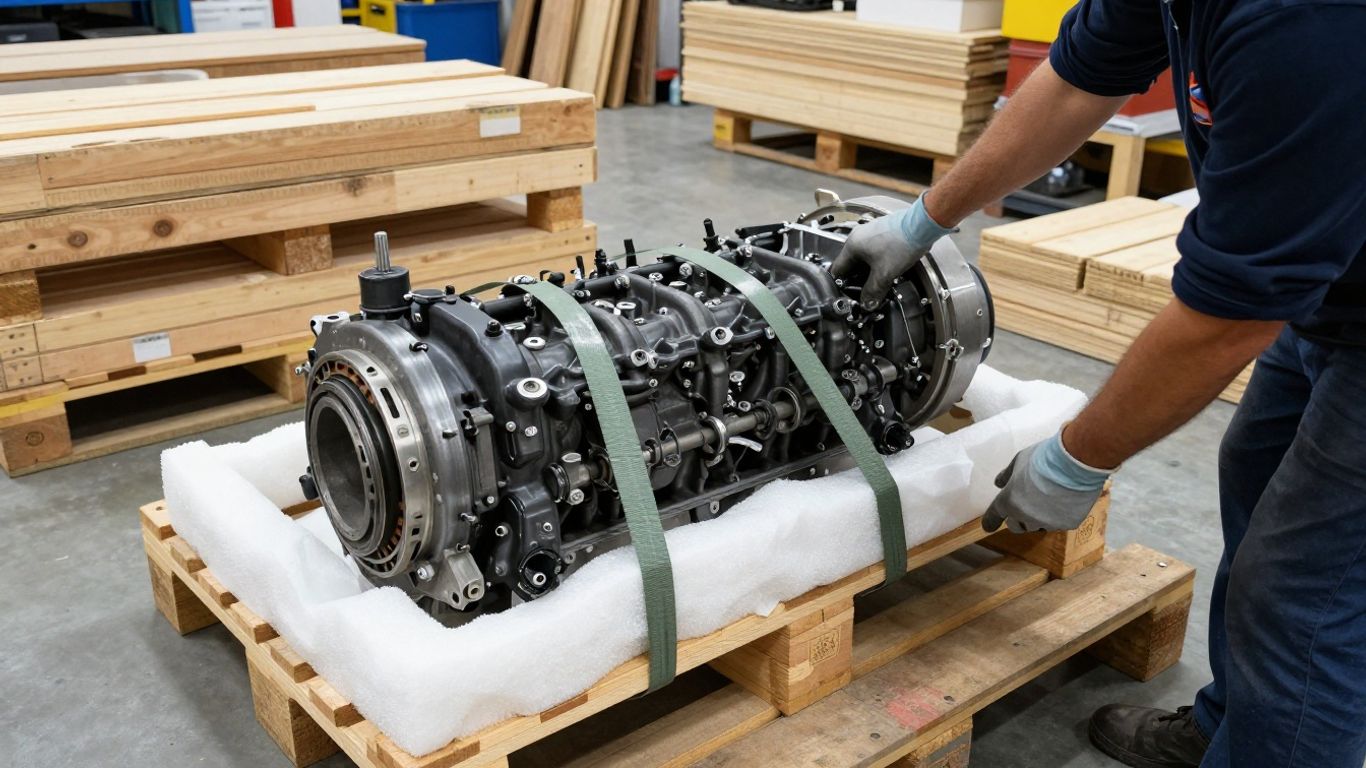
An engine should be secured against movement, moisture, impact, and contamination during transport. Before delivery, learn how the supplier wants damage recorded and how quickly a claim must be filed. Photograph the packaging, crate, labels, and engine before removing protective materials.
Do not discard the packaging until the engine has been inspected. If there is visible damage, notify the carrier and supplier promptly, and avoid installing the unit until responsibility and next steps are clear.
Coordinating installation with a qualified technician
A qualified technician can verify fitment, inspect the delivered engine, identify reusable components, and follow the supplier’s installation requirements. The workshop should know which parts must be replaced, what fluids and priming procedures are required, and whether any programming or adaptation is needed.
Ask the technician to record the installation date, mileage, transferred components, fluids, and initial test results. That record can support routine maintenance and make a warranty conversation more straightforward.
Avoiding common engine supplier risks
Most supplier problems begin with an unclear description or an assumption made too early. A photograph that looks convincing does not prove the engine code, condition, mileage, or completeness. Slow down when the listing leaves important questions unanswered.
Risk management is not about finding a perfect transaction. It is about making uncertainty visible, assigning responsibility, and refusing to pay until the important details are documented.
Spotting incomplete specifications and unclear listings
Be cautious when a listing omits the engine code, donor vehicle, mileage, condition, included accessories, or warranty terms. Stock photographs can be useful for illustration but do not establish that the pictured engine is the one in inventory. Ask for current photographs and a written specification tied to the unit number.
The supplier’s response is part of the evaluation. Clear answers suggest that the business understands the product; evasive replies leave you carrying the fitment risk.
Identifying counterfeit, modified, or poorly rebuilt engines
Counterfeit identification labels, altered serial markings, mismatched castings, and inconsistent component finishes can indicate a problem. So can a rebuild that uses worn external parts while offering no evidence of internal inspection. Compare the documentation, markings, photographs, and claimed specification for internal consistency.
Have an experienced technician inspect the engine before installation. A professional inspection may cost less than discovering a hidden defect after the vehicle has been reassembled.
Recognizing unrealistic pricing and unsupported claims
A price far below comparable offers deserves questions, not immediate celebration. It may exclude accessories, freight, taxes, testing, or warranty coverage, or it may describe a core rather than a ready-to-install engine. Claims such as “perfect fit” or “better than new” should be supported by specific technical information.
Use several comparable quotes, but do not treat them as proof that any one supplier is trustworthy. The strongest offer combines a plausible price with complete specifications, verifiable process details, and usable support terms.
Creating a final supplier comparison checklist
Before choosing, put the competing offers into the same format. This makes missing information obvious and gives your technician a practical document to review. A short final check can include:
- Exact engine code and vehicle application.
- Condition, mileage or rebuild scope, and included components.
- Testing records, identification details, and source information.
- Delivered price, core terms, lead time, and damage procedure.
- Warranty coverage, exclusions, return process, and claim contact.
Once each item has a clear answer, make the decision based on fitment confidence and total risk as well as price. Keep the quote, messages, photographs, warranty, and delivery records together for the life of the repair.
Conclusion
Choosing a Volkswagen engine supplier is ultimately an exercise in verification. Match the engine code and vehicle systems, compare the full delivered and installed cost, inspect the supplier’s evidence, and secure practical warranty terms before ordering. A careful process may take a little longer, but it gives you a much better chance of receiving the right engine and putting the vehicle back on the road with fewer surprises.