Engines Australia

Blog

Your blog category

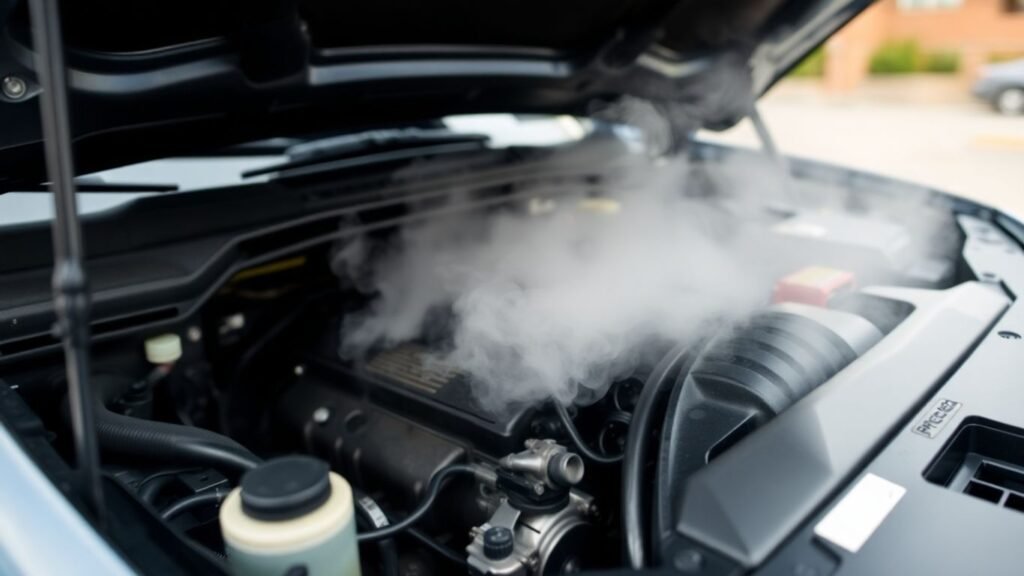
Car engine overheating with steam from radiator
Blog

Expert Guide to Troubleshooting Vehicle Overheating Issues: Causes and Solutions

So, your car’s temperature gauge is creeping up, or maybe you’ve seen some steam coming from under the hood. It’s not a fun situation, and it can be pretty worrying. Dealing with an overheating car can feel like a big deal, but often, the causes are pretty straightforward. This guide is here to help you figure out what’s going on and how to fix it. We’ll walk through the common signs, what might be causing the problem, and what you can do about it, so you can get back on the road without any more heat-related drama. Key Takeaways Watch out for your car’s temperature gauge hitting the red zone, steam from the engine, or dashboard warning lights – these are signs your car is overheating. Common culprits for overheating include low coolant, leaks in the cooling system, a stuck thermostat, or a water pump that isn’t working right. Problems with your radiator, like blockages or a fan that’s not spinning, can stop your car from cooling down properly. Check the belts and hoses connected to your water pump; if they’re damaged or loose, they can stop coolant from circulating. Regularly checking coolant levels, inspecting hoses and the radiator, and keeping belts in good shape are the best ways to prevent your car from overheating in the first place. Recognizing The Signs Of Vehicle Overheating Issues So, your car’s temperature gauge is acting up, or maybe you’re seeing something weird under the hood. Don’t panic just yet, but it’s definitely time to pay attention. Catching an overheating engine early can save you a ton of money and hassle down the road. Ignoring these signs is like ignoring a leaky faucet – it usually just gets worse. Temperature Gauge Readings This is probably the most obvious sign. You know that little gauge on your dashboard that shows your engine’s temperature? Normally, it sits somewhere in the middle, right? Well, if that needle starts creeping up towards the ‘H’ or, even worse, into the red zone, that’s your car telling you it’s getting too hot. It’s not just a suggestion; it’s a warning. Visible Steam Or Smoke If you see steam or smoke puffing out from under the hood, especially when the car is stopped or just after you’ve turned it off, that’s a pretty clear indicator something’s not right. It usually means coolant is escaping and hitting hot engine parts, turning into steam. It can look pretty dramatic, but try to stay calm and pull over safely. Dashboard Warning Lights Modern cars have all sorts of warning lights, and there’s usually one specifically for engine temperature or a general engine warning light that might come on when things get too hot. It might look like a thermometer or just be the check engine light. Whatever it is, if it lights up and your car feels like it’s running hotter than usual, take it seriously. Unusual Engine Odors Sometimes, you can smell an overheating engine before you see or feel it. You might notice a sweet smell, which is often from leaking coolant, or a burning smell, which could indicate oil or other fluids getting too hot. These smells aren’t normal and are a sign that something in the engine bay is getting excessively hot. When your car’s temperature gauge climbs higher than normal, it’s a signal that the cooling system isn’t doing its job effectively. This could be due to a variety of issues, from simple low fluid levels to more complex mechanical failures. Acting quickly upon noticing these signs is key to preventing severe engine damage. Here’s a quick rundown of what to look out for: Temperature Gauge: Needle in the red zone or significantly above normal. Visual Cues: Steam or smoke coming from under the hood. Warning Lights: Red or yellow engine-related lights illuminating on the dashboard. Smells: Sweet (coolant) or burning odors from the engine area. If you notice any of these, it’s best to pull over when it’s safe and let the engine cool down before attempting any checks or driving further. Common Causes For Troubleshooting Vehicle Overheating Issues So, your car’s temperature gauge is creeping up, or maybe you’ve seen a wisp of steam? Don’t panic just yet. While it’s definitely a sign something’s up, overheating often boils down to a few common culprits within the cooling system. Understanding these can save you a lot of headaches and potentially expensive repairs. Low Coolant Levels This is probably the most straightforward reason your engine might be running too hot. Coolant, also known as antifreeze, is the lifeblood of your car’s temperature regulation. It circulates through the engine, absorbs heat, and then dissipates it through the radiator. If the level drops too low, there just isn’t enough fluid to do the job effectively. This can happen due to evaporation over time or, more commonly, because of a leak somewhere in the system. You might notice the level dropping gradually or quite rapidly if there’s a significant breach. Keeping an eye on your coolant reservoir is a good habit to get into. Cooling System Leaks Leaks are the usual suspects when coolant levels drop unexpectedly. These aren’t always obvious, either. They can occur in various places: Hoses: Rubber hoses can become brittle, crack, or swell over time, leading to leaks. Radiator: The radiator itself can develop cracks or corrosion, especially at the seams or where the fins meet the tanks. Water Pump: The seal on the water pump can fail, causing coolant to drip out. Heater Core: This smaller radiator inside your car’s cabin can also leak, sometimes resulting in a sweet smell inside the car or damp carpets. Head Gasket: A more serious issue, a blown head gasket can allow coolant to escape the engine block or enter the combustion chambers. Finding a leak often involves a visual inspection, looking for tell-tale puddles under your car or dried coolant residue on components. Sometimes, a mechanic might use a pressure tester to pinpoint a hard-to-find leak. Faulty Thermostat
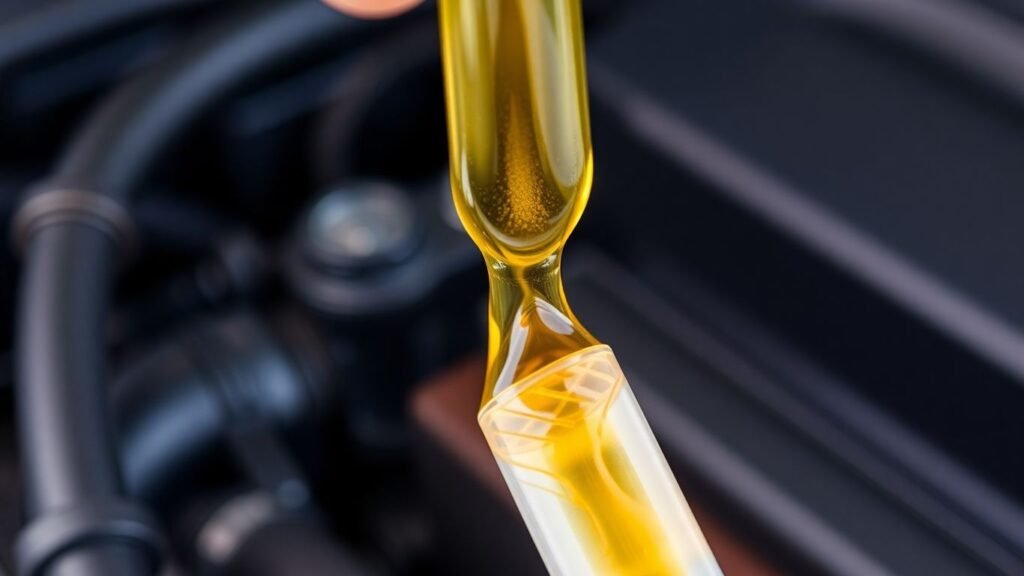
Car engine oil dipstick with clean golden oil.
Blog

Why Regular Engine Oil Changes Are Essential for Your Car’s Longevity

Many car owners know oil changes are important, but do they really get why? It’s not just another thing to tick off a list. Keeping your engine happy with fresh oil is a big deal for how long your car lasts and how well it runs. We’re going to break down why regular engine oil changes are essential and what happens when you skip them. Think of it as giving your car a little insurance policy for the road ahead. Key Takeaways Engine oil is like the lifeblood of your car, lubricating parts, cooling the engine, and picking up dirt. Skipping oil changes means oil breaks down, leading to more friction, wear, and potential engine damage. Fresh oil helps your engine run smoother, which can improve gas mileage and make your car last longer. Regular oil changes prevent sludge buildup and keep other engine parts working right, saving you from big repair bills. Watch for dashboard lights, dirty oil, or strange engine noises – these are signs it’s time for a change. The Critical Role Of Engine Oil Think of your car’s engine oil as its lifeblood. It’s not just some random fluid; it’s actively working to keep everything running smoothly inside that complex metal box. Without it, or with old, worn-out stuff, your engine would basically grind itself to a halt pretty quickly. It’s a simple maintenance task, but its importance can’t be overstated. Lubrication For Moving Parts Inside your engine, there are a ton of metal parts moving against each other at high speeds. We’re talking pistons going up and down, crankshafts spinning, valves opening and closing – it’s a busy place. Engine oil creates a thin, slippery film between these parts. This film is what stops them from grinding together, which would cause a lot of heat and damage. Without proper lubrication, metal-on-metal contact would quickly destroy your engine. Engine Cooling And Heat Dissipation All that friction from moving parts creates heat. A lot of heat, actually. While your car has a cooling system with a radiator, the engine oil plays a big part too. As the oil circulates, it picks up heat from the hotter parts of the engine and carries it away to the oil pan, where it can cool down before circulating again. It’s like a secondary cooling system, helping to keep the engine from getting too hot, especially during tough driving conditions. Suspension Of Dirt And Debris Engines aren’t perfectly clean environments. Tiny bits of metal wear off parts, carbon deposits form, and other gunk can get in there. The oil acts like a magnet and a sponge, grabbing onto these small particles and holding them in suspension. This prevents them from settling in places they shouldn’t be, like oil passages or bearing surfaces. When you get an oil change, all that collected gunk gets drained out with the old oil, leaving your engine much cleaner. Consequences Of Neglecting Oil Changes Skipping out on regular oil changes might seem like a minor oversight, but it can really mess with your car’s engine. Think of oil as the lifeblood of your engine; it keeps everything moving smoothly. When that oil gets old and dirty, it just can’t do its job anymore. Accelerated Engine Wear And Tear When your engine oil breaks down, it loses its ability to properly lubricate the metal parts inside. This means those parts start rubbing against each other more than they should. Over time, this friction grinds away at the metal, causing parts to wear out much faster than they would with fresh oil. It’s like trying to run a marathon without any water – your body just can’t keep up. Sludge Buildup And Clogged Passages Old oil doesn’t just get dirty; it can actually turn into a thick, gunk-like substance called sludge. This sludge can build up in all the little nooks and crannies of your engine, especially in the oil passages that are supposed to let oil flow freely. When these passages get clogged, oil can’t reach the parts that need it most, leading to even more wear and tear, and potentially overheating. Increased Risk Of Engine Failure All of this – the increased wear, the sludge, the lack of proper lubrication – adds up. Eventually, the engine can get so damaged that it just stops working altogether. This is called engine failure, and it’s usually one of the most expensive repairs you can face for your car. It’s a pretty serious consequence of not keeping up with something as simple as an oil change. Neglecting oil changes is like ignoring a small leak in your roof. It might not seem like a big deal at first, but if left unchecked, it can lead to major structural damage and a much bigger, more expensive problem down the road. Your engine works hard for you, and it deserves a little regular attention to keep it running right. Benefits Of Regular Oil Changes Sticking to a regular oil change schedule might seem like a small thing, but it really adds up when it comes to keeping your car happy and healthy for the long haul. Think of it as a regular check-up for your engine’s heart. It’s not just about keeping things running; it’s about making sure everything inside is protected and working its best. Preventing Engine Wear This is probably the biggest one. Your engine has a ton of moving parts, and they all need a good layer of slippery stuff to keep them from grinding against each other. Fresh oil is like a protective shield. When oil gets old and dirty, it can’t do its job as well. This means more friction, more wear, and eventually, parts wearing out faster than they should. Changing your oil regularly means you’re always giving those parts the best chance to last. Improving Fuel Efficiency It might surprise you, but clean oil actually helps your car use less gas. When the oil is fresh, it lets the engine parts move more

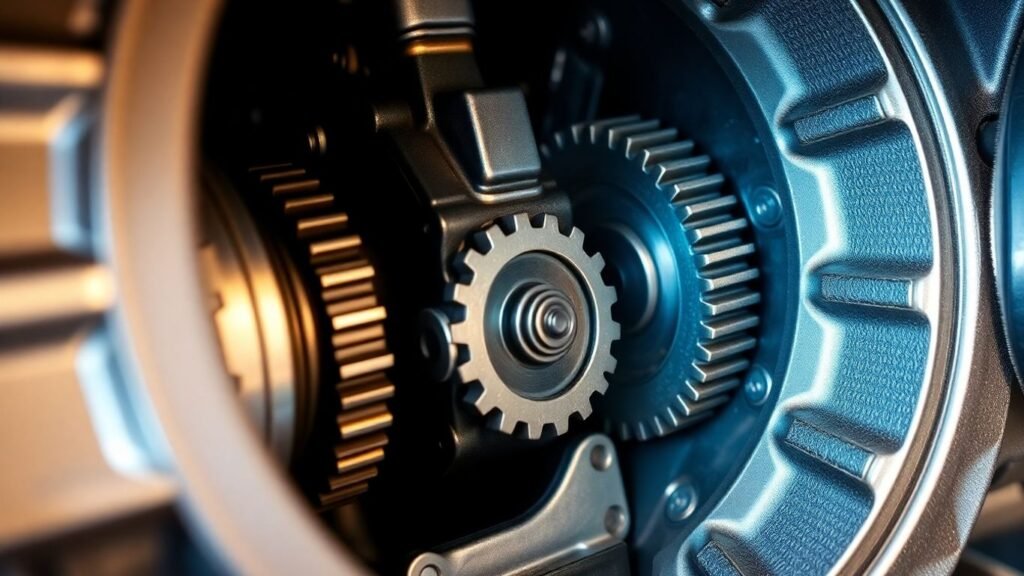
Car transmission system close-up, gears visible.
Blog

Your Essential Transmission System Care and Maintenance Guide

Your car’s transmission is a pretty important part, right? It’s what gets the power from the engine to the wheels so you can actually go places. Most of us don’t think about it much until something goes wrong, and then it can get really expensive. This transmission system care and maintenance guide is here to help you keep that vital part running smoothly without breaking the bank. We’ll cover the basics, what to look out for, and how to keep it in good shape. Key Takeaways Transmission fluid is like the lifeblood of your transmission; check its level and condition regularly. If it looks dark or smells burnt, it’s time for a change. Sticking to your car’s recommended maintenance schedule for fluid changes and filter replacements is key to avoiding big problems down the road. Pay attention to your car. Weird noises, slipping gears, or warning lights are your transmission telling you it needs attention, maybe from a pro. How you drive matters. Slamming on the gas or brakes, or overloading your car, puts extra stress on the transmission. Don’t ignore transmission issues. Small problems can turn into huge, costly repairs if you wait too long to get them checked out by a mechanic. Understanding Your Transmission System The Role of Your Transmission Think of your car’s transmission as the middle manager between your engine and your wheels. The engine makes power, but it can’t just blast that power out all at once. It needs to be managed, adjusted, and sent to the wheels in a way that makes sense for how you’re driving. That’s where the transmission comes in. It takes the engine’s power and changes it, allowing your car to move from a standstill, climb hills, and cruise down the highway at different speeds. Without a working transmission, your car wouldn’t go anywhere. It’s a pretty complex piece of machinery that handles a lot of work, and because of that, it needs some attention. Automatic Transmission Basics Most cars today have automatic transmissions, and for good reason – they’re super convenient. You just put it in ‘Drive’ and go. The transmission figures out the best gear for the situation all by itself. It uses a mix of hydraulic fluid, gears, and electronic controls to do this. When you speed up, it shifts to a higher gear to keep the engine from overworking. When you slow down or need more power, it shifts to a lower gear. It’s all about keeping the engine in its happy place, making your drive smoother and often more fuel-efficient than older manual setups. Manual Transmission Fundamentals Manual transmissions, or stick shifts, give you more direct control over your car. You’re the one deciding when to shift gears using the clutch pedal and the gear stick. This setup usually involves a clutch that disconnects the engine from the transmission temporarily, letting you smoothly slide into the next gear. While they might take a little more practice to get used to, many drivers love the feeling of connection and control they offer. They can also be quite durable if they’re treated right. Here’s a quick rundown of what happens when you shift a manual: Press the Clutch: This disengages the engine from the transmission. Move the Gear Stick: You select the desired gear. Release the Clutch: This re-engages the engine with the transmission in the new gear. It’s a mechanical dance that, when done correctly, keeps things running smoothly. But if you’re not careful, like not pressing the clutch all the way, you can hear that awful grinding sound, which isn’t good for the transmission’s health. Essential Transmission Fluid Management Checking Transmission Fluid Levels and Condition Transmission fluid is like the lifeblood of your transmission. It keeps everything running smoothly by lubricating parts, cooling them down, and helping with gear changes. Checking this fluid regularly is one of the simplest yet most important things you can do for your car’s transmission. You’ll usually find a dipstick for it, but make sure your car is parked on a level surface and the engine is running (check your owner’s manual for the exact procedure, as it can vary). The fluid should look bright red and smell a bit sweet. If it’s dark brown, black, or smells burnt, that’s a big red flag that it’s time for a change. Understanding Transmission Fluid Types Not all transmission fluids are created equal. Using the wrong type can actually cause damage. Your car’s manufacturer specifies exactly what kind of fluid it needs, and it’s usually listed in your owner’s manual. You’ll see different designations like ATF (Automatic Transmission Fluid), and specific types like Dexron or Mercon, or even specialized fluids for CVTs (Continuously Variable Transmissions) or dual-clutch transmissions. Sticking to the recommended fluid type is non-negotiable for keeping your transmission happy. When to Replace Transmission Fluid So, when is it officially time to swap out that old fluid? Your owner’s manual is your best friend here, as it will give you the manufacturer’s recommended interval, often somewhere between 30,000 and 60,000 miles. However, you might need to change it more often if you: Frequently tow heavy loads. Drive a lot in stop-and-go city traffic. Drive in very hot or very cold conditions. Notice the fluid is dark or smells burnt, even if you’re not at the recommended mileage. The Importance of Transmission Fluid Changes Over time, transmission fluid breaks down. It picks up tiny metal shavings from wear and tear, gets contaminated with moisture, and loses its ability to lubricate and cool effectively. A fluid change isn’t just about topping it up; it’s about removing all that gunk and replacing it with fresh fluid that can do its job properly. This helps prevent overheating, reduces wear on internal parts, and keeps your gears shifting smoothly. Think of it like changing the oil in your engine – it’s preventative maintenance that saves you from bigger headaches down the road. Ignoring transmission fluid can lead to serious problems. When the fluid degrades,

Clean car engine with gleaming metal parts.
Blog

Unlock Longevity: How to Extend the Life of Your Car Engine with Smart Maintenance

Keeping your car running well for as long as possible is something most of us want. It saves money and hassle. You don’t need to be a car expert to help your engine last longer. Simple things, like letting your car warm up a bit before you drive off and keeping up with regular check-ups, can make a big difference. This article talks about how to extend the life of your car engine with smart maintenance, looking at everything from basic warm-ups to using fancy computer tools to find problems. Key Takeaways Letting your engine idle for a few minutes, especially when cold, helps fluids circulate and reduces wear on parts. Regular servicing and fixing small problems quickly stops them from becoming big, expensive repairs. Computer diagnostics can find hidden issues before they cause major breakdowns, keeping your car running smoothly. Keeping your car’s exterior clean helps prevent rust and paint damage, protecting its overall condition. Understanding how modern car technology works and using diagnostic tools helps maintain your vehicle’s reliability. Understanding Your Engine’s Needs Think of your car’s engine like your own body. It needs a bit of care and attention, especially when it’s just waking up. You wouldn’t jump into a marathon the second you open your eyes, right? Your car is similar. It needs a gentle start to get everything moving smoothly. The Importance of Warming Up Your Engine When your car sits overnight, especially in cooler weather, the oil thickens up. This means it doesn’t flow as easily to all the moving parts. Giving your engine a minute or two to idle after starting it allows that oil to warm up and circulate properly. This simple step reduces friction and wear on critical components like the pistons and crankshaft. It’s like giving your engine a warm-up jog before a big race. Even on warmer days, if the car has been sitting for a while, a brief idle period helps everything reach its optimal operating temperature. Allowing Essential Fluids to Flow Beyond just oil, your engine relies on a system of fluids to keep it running. Coolant prevents overheating, and transmission fluid helps with gear changes. When you start your car and let it idle for a short time, you’re not just warming the oil; you’re also helping these other vital fluids begin their circulation. This ensures that when you do start driving, all parts of the engine are properly lubricated and cooled, preventing premature wear and tear. It’s a proactive measure that keeps the internal workings happy. Reducing Stress on Engine Components Sudden acceleration or hard braking right after a cold start puts a lot of strain on engine parts. The metal components are still a bit contracted from the cold, and the lubricant hasn’t fully reached everywhere. By allowing a brief warm-up period, you’re letting the engine’s internal parts expand to their normal operating size and ensuring they have a protective layer of oil. This significantly reduces the stress on bearings, seals, and other delicate pieces, contributing to a longer overall lifespan for your engine. It’s a small habit that makes a big difference over time. Proactive Maintenance for Longevity The Value of Regular Servicing Think of regular servicing like a check-up for your car. It’s not just about fixing things when they break; it’s about preventing them from breaking in the first place. Mechanics can spot little things that might turn into big headaches later. Oil changes, filter replacements, fluid checks – these aren’t just chores, they’re investments in your car’s future. Keeping up with these routine appointments is one of the most effective ways to keep your engine running smoothly for years. It’s way cheaper to change your oil every few thousand miles than to replace a seized engine down the line. Addressing Minor Issues Before They Escalate Ever put off fixing a leaky faucet? It usually doesn’t get better on its own, right? Your car is similar. That little rattle you hear, the slightly odd smell from the exhaust, or a warning light that flickers on and off – these are your car’s way of telling you something’s up. Ignoring them is like playing a game of automotive roulette. A small, inexpensive fix now could prevent a major, costly repair later. It’s about being attentive to the signals your vehicle sends. Preventing Major Malfunctions Through Vigilance Being vigilant means paying attention. It means listening to your car, feeling how it drives, and noticing changes. When you’re aware of how your car normally operates, you’re more likely to catch when something is off. This awareness, combined with regular maintenance, builds a strong defense against serious breakdowns. It’s a partnership between you and your vehicle, where consistent care leads to dependable performance. A car that’s well-maintained isn’t just more reliable; it often performs better and can even be more fuel-efficient. Small actions, repeated consistently, add up to significant benefits over the life of your vehicle. Here’s a quick look at what regular checks can cover: Fluid Levels: Checking and topping up or replacing engine oil, coolant, brake fluid, and power steering fluid. Filter Replacements: Swapping out the oil filter, air filter, and fuel filter at recommended intervals. Belt and Hose Inspection: Looking for cracks, wear, or leaks in belts and hoses. Tire Rotation and Pressure: Ensuring even tire wear and proper inflation for safety and longevity. The Role of Computer Diagnostics Modern cars are basically rolling computers these days. They’ve got more sensors and electronic bits than you can shake a stick at, all talking to each other to keep things running smoothly. When something’s not quite right, these systems can often tell us what’s going on, but you need the right tools to listen in. That’s where computer diagnostics come in. Pinpointing Issues with Specialized Software Think of your car’s computer system like a doctor’s office. It monitors all your engine’s vital signs – temperature, oil pressure, fuel mixture, you name it. When a sensor picks up something outside the normal range,

OEM vs aftermarket car parts comparison
Blog

OEM and Aftermarket Spare Parts: A Comprehensive Comparison to Determine Which is Better

When your car needs new parts, you’ve got a choice to make. Do you go with the parts the car company itself recommends, or do you look at options made by other companies? This decision, between OEM and aftermarket spare parts — which is better? — can really affect your car’s performance, how long it lasts, and what you pay. We’re going to break down what each type of part is all about, look at how they stack up in terms of quality and price, and help you figure out which way to go for your next repair. Key Takeaways OEM parts are made by your car’s manufacturer, meaning they’re designed to fit perfectly and meet factory standards, which is great for maintaining your car’s original condition and warranty. Aftermarket parts are made by independent companies and can offer more variety and lower prices, but their quality can vary a lot. For newer cars, leased vehicles, or safety-critical repairs, sticking with OEM parts is often the safer bet to avoid warranty issues and ensure exact fit. If you’re on a tighter budget or looking for specific performance upgrades, high-quality aftermarket parts can be a smart choice, but do your homework on the brand. Ultimately, the best choice between OEM and aftermarket spare parts — which is better? — depends on your car’s age, your budget, the specific part needed, and your personal priorities for performance and reliability. Understanding OEM and Aftermarket Spare Parts What Are Original Equipment Manufacturer Parts? Original Equipment Manufacturer, or OEM, parts are essentially the same components that your car rolled off the assembly line with. Think of them as the factory-approved pieces. They’re made by the same company that built your car, or by a supplier that the car manufacturer has specifically contracted. This means they’re designed to fit your vehicle’s make and model perfectly, meeting all the original specifications for performance, safety, and durability. When you buy an OEM part, you’re getting something that’s been tested and approved by the people who designed your car in the first place. They usually come with the car manufacturer’s logo on them, and you’ll typically find them at dealerships or authorized service centers. What Are Aftermarket Parts? Aftermarket parts are made by companies that are not affiliated with your car’s original manufacturer. These independent companies create parts that can be used as replacements for OEM components. The range of aftermarket parts is huge. Some are made to be exact replicas of the original parts, while others might be designed with slight improvements or even entirely different features. You can find aftermarket parts for almost anything, from basic filters and brake pads to more complex engine components and body panels. They’re generally available through a wider network of auto parts stores, online retailers, and independent repair shops. Key Differences Between OEM and Aftermarket So, what really sets them apart? It boils down to a few main things: Origin: OEM parts come directly from or are approved by the vehicle manufacturer. Aftermarket parts are made by independent companies. Design & Fit: OEM parts are engineered for a specific make and model, guaranteeing a precise fit and function. Aftermarket parts are designed to fit a range of vehicles, and while many fit well, there can be variations. Quality Control: OEM parts undergo rigorous testing by the car manufacturer. Aftermarket quality can vary widely, from parts that meet or exceed OEM standards to those that are made with less durable materials. Branding: OEM parts usually carry the vehicle manufacturer’s logo. Aftermarket parts will have the logo of their own manufacturing company. Choosing between OEM and aftermarket parts often comes down to balancing cost, availability, and your specific needs for the repair or replacement. It’s not always a clear-cut decision, and what’s best can depend on the part itself and your vehicle’s situation. Here’s a quick look at some general differences: Feature OEM Parts Aftermarket Parts Manufacturer Original vehicle manufacturer or approved supplier Independent third-party companies Compatibility Exact fit for specific make/model Designed to fit multiple makes/models; fit can vary Availability Dealerships, authorized service centers Auto parts stores, online retailers, independent shops Price Generally higher Generally lower, but varies by brand Evaluating Quality and Performance When you’re looking at car parts, it’s easy to get lost in the details. You’ve got the original stuff, the OEM parts, and then there’s the whole world of aftermarket options. Figuring out which one is actually better in terms of how well it works and how long it’ll last can be a real puzzle. It’s not always as simple as ‘original is best’ or ‘aftermarket is cheaper and just as good.’ OEM Parts: Rigorous Testing and Factory Standards Original Equipment Manufacturer (OEM) parts are made by the same company that built your car, or by a supplier they picked. Because of this, they have to meet some pretty strict rules. Think of it like a recipe: the car maker has a very specific way they want things done, and the OEM part follows that exactly. They go through a lot of testing to make sure they work right with your car’s systems. This means they’re designed for a perfect fit and function, right out of the box. This attention to detail is why OEM parts are often seen as the most reliable choice for maintaining your vehicle’s original performance. Aftermarket Parts: Innovation and Variable Quality Aftermarket parts are made by companies other than your car’s manufacturer. This is where things get interesting, and sometimes a bit tricky. You can find everything from parts that are basically identical to OEM ones, to parts that are designed to make your car perform even better than it did when it was new. However, the quality can really swing. Some aftermarket companies are top-notch, investing a lot in research and development, and their parts might even be better than what the car maker originally used. Other companies might cut corners to save money, using less durable materials or less precise

Car engine with tools for repair and maintenance.
Blog

Mastering Your Ride: Common Car Engine Problems and Effective Solutions

Your car’s engine is pretty important, right? It’s what makes the whole thing go. But sometimes, things go wrong with it, and it can be a real headache. You might notice weird noises, smoke, or just that your car isn’t running right. This guide is all about those common car engine problems and their solutions, so you can hopefully catch things early and avoid a big repair bill. We’ll break down what to look out for and what you can do about it. Key Takeaways Keep an eye on your engine temperature gauge; if it creeps up, pull over safely. Overheating can cause serious damage. Listen for strange noises like knocking or squealing. These sounds often point to specific issues like low oil or a worn belt. Don’t ignore the check engine light. It could be a simple fix like a loose gas cap, or something more serious. Regularly check your fluids, filters, and belts. Simple maintenance like changing your oil and air filter can prevent a lot of headaches. If you notice persistent problems, strange smells, or warning lights you can’t figure out, it’s usually best to get a mechanic to take a look. Understanding Engine Overheating Issues Your car’s engine generates a lot of heat when it’s running. That’s totally normal. But if that heat builds up too much, you’ve got a problem: overheating. This is one of the more serious issues your engine can face, and if you ignore it, you could be looking at some really expensive repairs. It’s like your engine running a fever – not good. Recognizing the Signs of Overheating So, how do you know if your engine is getting too hot? The most obvious sign is the temperature gauge on your dashboard. If it’s creeping up into the red zone, that’s a clear warning. You might also notice steam or smoke coming from under the hood, especially after you’ve turned the engine off. Sometimes, you’ll smell a sweet, syrupy odor, which often means coolant is leaking. Your car might also start to lose power, or you could hear some strange noises, like pinging or knocking, coming from the engine. Paying attention to these signals is your first line of defense. Common Causes of Engine Overheating Why does an engine overheat? Usually, it’s a problem with the cooling system not doing its job. Here are some common culprits: Low Coolant Levels: This is probably the most frequent reason. If there isn’t enough coolant, the system can’t effectively transfer heat away from the engine. This could be due to a leak somewhere. Coolant Leaks: Hoses can crack or get loose, radiators can develop leaks, and even the water pump seal can fail. Any of these will let coolant escape. A blockage in a coolant hose can also stop coolant from flowing properly. Thermostat Failure: The thermostat acts like a valve, controlling coolant flow. If it gets stuck closed, coolant can’t circulate to the radiator to cool down, and the engine temperature spikes. Water Pump Malfunction: The water pump is what circulates the coolant throughout the engine and radiator. If it’s not working right, the coolant just sits there, and the engine gets hot. Radiator Issues: The radiator is where the coolant cools down. If it’s clogged with debris or corrosion, or if the cooling fan isn’t working, it can’t do its job. Ignoring these issues can quickly turn a minor inconvenience into a major mechanical disaster. It’s always better to get it checked out sooner rather than later. Preventative Measures for Cooling System Health Keeping your cooling system in good shape is key to preventing overheating. It’s not rocket science, just a bit of regular attention. Here’s what you can do: Check Coolant Levels Regularly: Pop the hood and check your coolant reservoir. Make sure the level is between the ‘min’ and ‘max’ marks. Do this at least once a month, and especially before long trips. Inspect Hoses and Belts: Look for any cracks, bulges, or signs of wear on your radiator hoses and other coolant hoses. Also, check the drive belts that power the water pump. Flush the Cooling System: Over time, sediment and rust can build up in the cooling system. Flushing it out and refilling with fresh coolant every few years (check your owner’s manual for the recommended interval) helps keep everything clean and flowing. Keep the Radiator Clean: Make sure the front of your radiator isn’t blocked by leaves, bugs, or other debris. You can gently rinse it off if it looks dirty. If you’re not comfortable doing these checks yourself, most auto shops can perform a cooling system inspection as part of your regular maintenance. It’s a small price to pay for peace of mind and a healthy engine. Addressing Rough Idling and Stalling Ever notice your car sputtering a bit when you’re stopped at a light, or maybe it just dies on you unexpectedly? That’s rough idling and stalling, and it’s a pretty common headache for car owners. It usually means something in the engine isn’t quite happy. Don’t just ignore it; these symptoms are your car’s way of telling you it needs attention. Recognizing the Signs of Rough Idling and Stalling Besides the obvious stalling, you might notice a few other things: Vibrations: The whole car might shake more than usual when it’s idling. Hesitation: When you press the gas pedal, there’s a delay or a stumble before the engine picks up speed. Engine Light: Often, a rough idle or stalling will trigger your check engine light. It’s a good clue to start looking for problems. Fuel Smell: Sometimes, unburned fuel can escape, leading to a noticeable gas smell. Common Causes of Rough Idling and Stalling There are a few usual suspects when your engine starts acting up like this. One common culprit is a dirty or failing idle air control valve. This little guy manages the air that bypasses the throttle plate when you’re not pressing the gas. If it’s gunked up, it can’t regulate

Reconditioned engine and gearbox assembly in NYC
Blog

Find Top Reconditioned Engines and Gearbox Suppliers Near You in NYC

Finding reliable reconditioned engines and gearbox suppliers near me in NYC can feel like a treasure hunt. You need a place that offers quality parts without costing an arm and a leg. Whether you’re fixing up an old ride or need a quick replacement to get back on the road, knowing where to look is key. This guide points you to some of the go-to spots in the city for engine and transmission needs. Key Takeaways Fraser Engines and Transmissions offers professionally rebuilt engines and transmissions, emphasizing quality assurance and a wide selection for various car brands. JDM New York imports high-quality Japanese Domestic Market (JDM) motors, accessories, and transmissions, focusing on reliability and performance for automotive enthusiasts. Many suppliers provide remanufactured engines and transmissions for a broad range of domestic and import makes, including specific brands like Buick, Cadillac, Chevrolet, Chrysler, Dodge, Ford, and GMC. Buying directly from manufacturers like Fraser Engines can be more cost-effective and ensure quality, as they often have extensive stock and multiple distribution centers for faster delivery. Remanufactured engines are rebuilt to meet original manufacturer specifications with new or re-machined parts and undergo rigorous testing, generally offering higher quality and better warranties than simple rebuilt engines. 1. Fraser Engines And Transmissions When you’re looking for a replacement engine or transmission in NYC, Fraser Engines and Transmissions is a name that comes up a lot. They’ve been around for over 60 years, which is a pretty long time in this business. They focus on remanufactured engines and transmissions, meaning they take old ones, rebuild them to factory specs, and then sell them. It’s a way to get a solid part without paying the full price for a brand new one. Fraser says they have a huge stock of engines and transmissions spread out across different warehouses. This is supposed to mean they can get you what you need faster, cutting down on how long your car is stuck in the shop. They also mention that their remanufacturing process goes above and beyond original factory standards, using updated parts to make things more reliable. Here’s a quick look at what they highlight: Extensive Inventory: Lots of engines and transmissions for different vehicles. Quality Focus: Rebuilt to meet or beat original specs. Speedy Delivery: Multiple locations help get parts out quickly. Customer Satisfaction: They point to a lot of positive reviews online. It seems like they try to make the buying process pretty straightforward. You can usually find what you need by giving them your vehicle’s year, make, and model. They also have a pretty good warranty, which is always a good sign when you’re buying a major component like an engine. Buying a remanufactured engine or transmission can be a smart move. It’s often more affordable than new, and if done right, it can be just as reliable. Fraser seems to put a lot of effort into their rebuilding process and backing it up with good customer service. 2. JDM New York If you’re into cars, you know that a good engine is everything. JDM New York gets that. They bring in high-quality JDM engines and transmissions straight from Japan. They’ve got a big selection, so whether you’re fixing up an old favorite or building something totally new, they probably have what you need. When you’re looking for a replacement engine, it’s not just about getting something that fits. You want something reliable. JDM New York says they test their engines thoroughly to make sure they perform well and last. It’s good to know they have knowledgeable people there to help you figure out which engine is the right fit for your specific car and what you plan to do with it. They also have accessories, which is handy. Here’s a quick look at what makes them stand out: Quality Checks: Engines are tested to meet high standards. Big Inventory: Lots of options, from common replacements to harder-to-find parts. Helpful Staff: They can guide you to the best engine for your needs. If you’re looking for specific Japanese domestic market parts, JDM New York is a place to check out. They aim to have solutions for various automotive projects. You can find used Acura engines in New Jersey from places like JDM Engine Zone, which shows there are options out there for getting these specialized parts. Getting the right engine can make a huge difference in how your car drives. It’s worth taking the time to find a supplier you can trust. JDM New York focuses on importing engines directly, which can sometimes mean better quality control and a wider variety of choices compared to just looking at what’s available locally. 3. Buick Re-Manufactured Engines When your Buick needs a new heart, looking into a re-manufactured engine is a smart move. It’s not just about saving some cash compared to a brand-new one, though that’s a big plus. These engines are basically rebuilt from the ground up, meeting all the original factory specs. Think of it like getting a factory reset for your engine. The process involves taking the old engine apart, cleaning every piece, and then replacing anything that’s worn out or broken with new or properly re-machined parts. They then put it all back together and test it thoroughly. This means you’re getting something that should perform just like it did when it first rolled off the assembly line, maybe even better if they’ve incorporated some design improvements. Here’s a quick look at why going re-manufactured makes sense: Cost Savings: Significantly cheaper than buying a new engine. Reliability: Built to original specifications with new or refurbished parts. Environmental Friendliness: Reduces waste by reusing existing engine components. Warranty: Often comes with a solid warranty, giving you peace of mind. Choosing a re-manufactured engine is a solid way to keep your Buick running strong without breaking the bank. It’s a practical choice that balances performance, cost, and sustainability. Finding a good supplier in NYC for these engines is key. You want a place that knows

UK engine parts
Blog

Finding Trusted Engine Component Suppliers in the UK: A Comprehensive Guide

Finding the right parts for your car can feel like a puzzle, especially when you need engine components. You want something that fits, works well, and doesn’t cost a fortune. It’s easy to get lost with so many options out there, and let’s be honest, not everyone selling parts online is on the up and up. This guide is here to help you sort through the noise and find trusted engine component suppliers in the UK, making sure you get good quality parts without the headache. Key Takeaways Always look for suppliers who can show you proof of where their parts come from, especially if they claim to be genuine or OEM. Check if the seller has a real UK address and phone number, and see what other customers are saying online. Reviews can tell you a lot. Understand the warranty and return policies before you buy. What happens if the part doesn’t fit or breaks? For luxury or performance cars, be extra careful. Precision matters, and using the wrong part can cause more problems than it solves. Consider suppliers who can also fit the part. It can save you hassle and avoid arguments about who’s to blame if something goes wrong. Identifying Reputable UK Engine Component Suppliers Understanding the Importance of Verified Authenticity When you’re looking for engine parts in the UK, especially after all the changes with imports, it’s really important to know you’re getting the real deal. Buying fake or low-quality parts can cause all sorts of problems down the line, from your car not running right to safety issues. It’s all about making sure the parts you buy are genuine and will work as they should. You don’t want to end up with something that looks the part but fails when you need it most. Key Indicators of a Trustworthy Seller So, how do you actually spot a good supplier? It’s not always obvious, but there are a few things to look out for. A seller that’s on the up-and-up will usually have clear information about their business, like a registered address and contact details. They’ll also be upfront about whether a part is original equipment (OEM) or aftermarket. Here are some signs of a seller you can probably trust: Clear Business Information: Look for a registered company number and a physical UK address. A working phone number is also a good sign. Customer Feedback: Check reviews on sites like Trustpilot or Google. Lots of positive comments about quality and service are a good indicator. Warranty and Returns: A reputable seller will have a clear policy on warranties and returns. They should be willing to help if a part doesn’t fit or has a problem. VIN Verification: Many good suppliers offer to check if a part will fit your specific car using your Vehicle Identification Number (VIN). Be wary of sellers who are vague about where they are based, don’t offer clear warranty information, or use generic pictures for their listings. These can be red flags. Navigating the Post-Brexit Import Landscape Things have changed a bit with how parts are imported into the UK since Brexit. This can sometimes mean longer delivery times or extra costs. A good supplier will be transparent about this. They’ll know the current rules and can tell you if there are any potential delays or extra charges you need to be aware of. It’s worth asking them directly about their import processes if you’re ordering something that might come from overseas. This way, you avoid any nasty surprises when the bill arrives or when you’re waiting for your part. Prioritizing Genuine and OEM Quality Parts Why OEM Parts Remain Crucial for Vehicle Longevity When you bought your car, it came with parts made specifically for it. Those are called OEM, or Original Equipment Manufacturer, parts. They’re designed by the same company that built your car, so they fit just right and work the way they’re supposed to. Even if your car is a few years old, sticking with OEM parts helps keep it running smoothly for a long time. It’s like using the right tools for a job; it just works better. Using parts that aren’t quite right can lead to more problems down the road, costing you more time and money. The Risks Associated with Sub-Par Aftermarket Components Okay, so sometimes you see parts online that look like the real deal but are way cheaper. Be careful with those. These are often aftermarket parts, and not all of them are made with the same care. Some might use cheaper materials that wear out faster, or they might not fit perfectly. This can cause all sorts of issues, from a part failing unexpectedly to causing damage to other components. It’s a gamble, and usually, it’s not worth the risk, especially when it comes to important things like brakes or engine parts. Ensuring Fitment and Performance with Exact Components Getting the right part the first time is a big deal. You don’t want to order something, wait for it to arrive, and then find out it doesn’t actually fit your car. That’s where checking the part number or using your car’s VIN (Vehicle Identification Number) comes in handy. Reputable suppliers will often have a way for you to check if a part is compatible with your specific car model and year. This saves you the headache of returns and makes sure your car gets the exact components it needs to perform at its best. It’s all about making sure everything lines up and works together like it should. Essential Checks for Online Auto Parts Retailers So, you’re looking to buy engine components online in the UK. It’s a smart move, often quicker and with more choice than heading to a physical store. But let’s be real, not all online sellers are created equal. You’ve probably seen those websites with unbelievably low prices that just feel a bit… off. It’s super important to do your homework before you click ‘buy’. You don’t

Engine and transmission parts for sale online
Blog

Finding the Best Place to Buy Engine and Transmission Parts Online in 2025

Looking for the best place to buy engine and transmission parts online in 2025? It can feel like a big task, right? You want something reliable without breaking the bank. Whether you’re a DIYer or just need a replacement part, knowing where to look makes all the difference. We’ve checked out some options to help you find what you need for your car’s engine and transmission. Key Takeaways Car Part Planet offers a wide selection of remanufactured, used, and new OEM engine and transmission parts, focusing on quality and value. Many parts come with warranties. Jasper Engines & Transmissions, a long-standing remanufacturer since 1942, is known for its quality powertrain products and offers a nationwide warranty on many items. When considering engines, options range from remanufactured (rebuilt to like-new condition) and used (economical, inspected) to new OEM crate engines (factory-built, dealer-serviceable) and aftermarket performance engines (for enhanced power). For transmissions, similar choices exist: remanufactured (disassembled, rebuilt with new parts), used (affordable, inspected), new OEM crate (direct factory replacements), and aftermarket performance (designed for better shifting and durability with higher power). Finding the right part is simplified by searching by vehicle year, make, and model, or by using VIN lookup for precise matching, ensuring compatibility for your engine or transmission needs. 1. Car Part Planet Car Part Planet is a pretty solid place to start when you’re hunting for engine or transmission parts online. They’ve been around for a while, and they really focus on giving you options. You can find pretty much any kind of powertrain component you need here, whether it’s remanufactured, used, or even new OEM crate parts. They aim to cover the whole drivetrain, which is handy. Here’s a quick look at what they generally have: Remanufactured Engines & Transmissions: These are rebuilt to be like new, often coming with good warranties. They’re usually a more budget-friendly choice than brand new parts. Used Engines & Transmissions: If you’re really trying to save money, their used parts are inspected and vetted. They focus on giving you details like mileage and a visual check. New OEM Crate Engines & Transmissions: These are factory-built and should fit your vehicle without much fuss. They usually come with the manufacturer’s warranty. Aftermarket Performance Engines & Transmissions: If you’re looking to boost your car’s power or maybe get better fuel economy, these can be a good option, sometimes at a better price point than OEM. They also mention having transfer cases and differentials, so it’s a pretty complete stop for your drivetrain needs. They even talk about a warranty program that can go up to 7 years or 1 million miles on remanufactured items, which is pretty impressive if it’s true for everything they sell. Finding the right part can feel overwhelming, especially when you’re dealing with a major repair. Car Part Planet tries to simplify that by offering a wide selection and clear categories, so you’re not just stuck with whatever your local mechanic suggests. 2. Jasper Engines & Transmissions Jasper Engines & Transmissions has been around since 1942, so they’ve definitely seen a thing or two when it comes to rebuilding engines and transmissions. They’re pretty big, calling themselves the nation’s leading remanufacturer of powertrain products. That’s a lot of parts they’ve put back on the road. When you’re looking at Jasper, you’re mostly looking at remanufactured stuff. They take old engines and transmissions, break them down, clean everything up, and replace worn-out parts with new ones. They even do some testing before they let them out the door. It’s not just a quick fix; they aim to make them as good as, or even better than, the original. Here’s a quick look at what they focus on: Gas Engines: They rebuild a lot of these for different vehicles. Diesel Engines: If you’ve got a diesel, they handle those too, including popular brands like Cummins. Transmissions: They go through the whole process of taking them apart, cleaning, and rebuilding. Differentials: They also offer remanufactured differentials for rear-wheel-drive vehicles. One thing that stands out is their warranty. For many of their products, they offer a parts and labor warranty that can be used nationwide. This is a pretty big deal because it means if something goes wrong, you’re not stuck trying to find a shop that will cover it, and you’re not paying out of pocket again. They also have a bunch of locations across the country, which makes it easier to find a dealer or an installer if you need one. It seems like they put a lot of effort into making sure their rebuilt parts are reliable, and that’s something you want when you’re buying a major component like an engine or transmission. 3. Remanufactured Engines When your car’s engine has seen better days, a remanufactured option can be a really smart choice. Think of it like this: it’s not just a used engine that’s been patched up. A remanufactured engine has been completely taken apart, cleaned, inspected, and then rebuilt with new parts where needed. It’s basically brought back to its original factory specs, or sometimes even better. This process means you’re getting something that performs like new, but usually at a lower cost than a brand-new OEM crate engine. It’s a good middle ground if you want reliability without breaking the bank. Here’s what you can generally expect: Complete Disassembly and Cleaning: Every single part is taken out and cleaned thoroughly. Inspection and Replacement: Components are checked for wear and tear. Any part that doesn’t meet strict standards gets replaced with new or re-qualified parts. Reassembly and Testing: The engine is put back together and then tested to make sure it runs right. Many remanufactured engines come with solid warranties, often covering several years or a significant number of miles, which gives you a lot of peace of mind. This warranty is a big deal because it shows the rebuilder stands behind their work. It’s a way to get a dependable engine that’s ready for many more

Original vs. fake car engine parts comparison.
Blog

How to Identify Original vs. Fake Car Engine Parts: A Buyer’s Guide

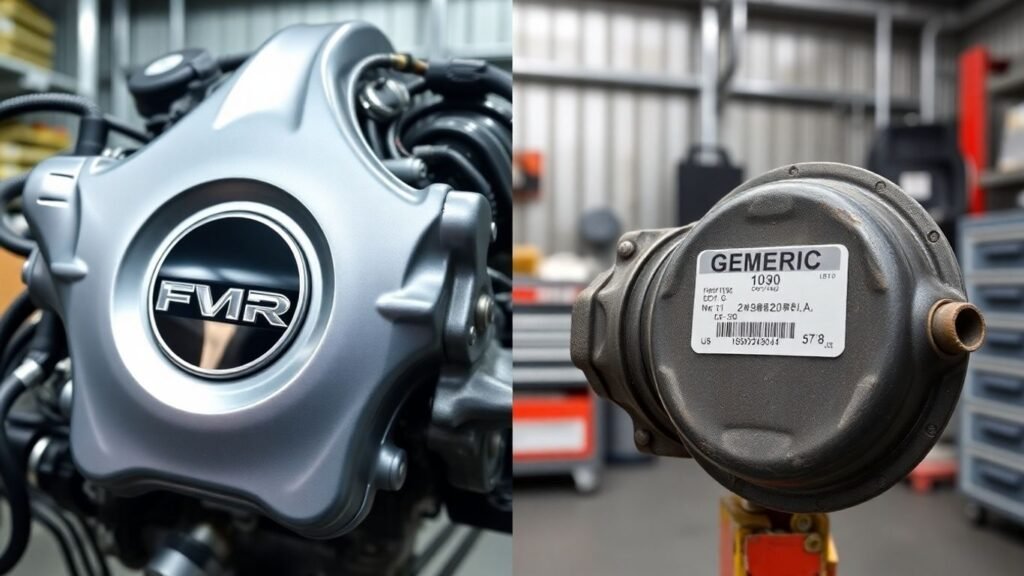
So, you need to buy some new parts for your car’s engine. It’s not always easy to tell if you’re getting the real deal or a cheap knock-off. This can be a real headache, especially when your car’s performance and your safety are on the line. We’re going to break down how to identify original vs fake car engine parts so you can shop with more confidence. It’s about getting what you pay for and keeping your ride running right. Key Takeaways Always check the packaging for professional branding, correct logos, and error-free text. Fakes often have small mistakes. Look for unique serial numbers or security features like holograms. These can usually be verified with the manufacturer. Inspect the part itself for any signs of poor manufacturing, like rough edges or uneven finishes. Genuine parts are usually well-made. Buy from places you trust, like authorized dealers or well-known suppliers. Be super careful with deals that seem too good to be true. When buying online, read reviews, check certifications, and understand the warranty and return policies before you click ‘buy’. Understanding the Importance of Genuine Auto Parts Why Genuine Auto Parts Matter When you’re keeping your car running smoothly, every single piece matters. Think of your engine like a complex puzzle; each part has to fit just right to make the whole thing work. Genuine auto parts, often called OEM (Original Equipment Manufacturer) parts, are made by the same company that built your car. This means they’re designed specifically for your vehicle, fitting perfectly and performing exactly as intended. Using these parts helps your car run at its best, keeping things reliable and safe on the road. It’s about making sure your car performs the way the engineers designed it to. The Risks of Counterfeit or Aftermarket Parts It’s easy to get tempted by cheaper alternatives, but buying fake or low-quality parts can really come back to bite you. These parts might look similar, but they’re often made with cheaper materials and without the same attention to detail. This can lead to all sorts of problems, from your car not running right to serious safety issues. Imagine a brake component failing because it wasn’t made to the right standards – that’s a scary thought. Plus, these parts usually don’t come with any kind of warranty, so if they break, you’re on your own. Counterfeit parts might save you a few bucks upfront, but the potential costs in repairs, safety risks, and reduced vehicle lifespan are almost always much higher. Here’s a quick rundown of what can go wrong: Poor Fit: They might not connect properly, causing stress on other components. Reduced Durability: They can wear out much faster than genuine parts. Safety Hazards: In critical systems like brakes or steering, failure can be dangerous. Voided Warranties: Using non-approved parts can sometimes void your car’s existing warranty. Cost Considerations and the Value of Genuine Auto Parts Okay, let’s talk money. Genuine parts usually cost more than their knock-off cousins. That’s because they’re made with better materials and go through strict quality checks. But here’s the thing: you often get what you pay for. A genuine part might last twice as long, or even longer, than a cheap imitation. This means fewer trips to the mechanic, less hassle, and potentially better fuel efficiency because your car is running correctly. Over the life of your vehicle, investing in OEM parts can actually save you money and headaches. Part Type Initial Cost Expected Lifespan Potential Issues Genuine (OEM) Higher Long Minimal, designed for perfect fit & function Counterfeit/Fake Lowest Short/Unpredictable Poor performance, premature failure, safety risk Aftermarket Varies Varies Quality can be inconsistent How to Identify Original vs Fake Car Engine Parts So, you’re looking to buy some new engine parts, maybe a water pump or a set of spark plugs. It sounds simple enough, right? Well, not always. The market is unfortunately flooded with fakes, and they can look pretty convincing. Trust me, I learned this the hard way when a ‘deal’ on some brake pads turned out to be a nightmare waiting to happen. You really need to know what you’re looking for. It’s not just about saving a few bucks; it’s about keeping your car running right and, more importantly, keeping yourself safe. Examine Packaging and Branding First things first, take a good look at the box. Genuine parts usually come in packaging that feels solid, with crisp printing. Counterfeiters often cut corners here. Look for: Logo and Font Accuracy: Are the logos sharp and exactly as you’d expect? Sometimes fakes have slightly off colors or fonts that just don’t look right. It’s like a bad photocopy. Typos and Grammar: Seriously, if the box has spelling mistakes or awkward phrasing, that’s a huge red flag. Manufacturers usually have professional designers and proofreaders. Overall Quality: Does the cardboard feel flimsy? Is the printing smudged? Genuine packaging is usually well-made. Verify Serial Numbers and Security Features This is where things get a bit more technical, but it’s super important. Many manufacturers put unique identifiers on their parts. Serial Numbers: Most legitimate parts will have a serial number or part number printed on them. You can often cross-reference this number on the manufacturer’s official website to confirm it’s legit. Holograms and Security Seals: Keep an eye out for special stickers, holograms, or tamper-evident seals. These are designed to be hard to copy and are a good sign of authenticity. QR Codes: Some brands are now using QR codes that you can scan with your phone to verify the part’s origin and authenticity. Inspect the Part for Manufacturing Imperfections Once you’ve got the part out of the box, give it a good once-over. Fakes are often made with less precision. Material Quality: Does the metal feel cheap or flimsy? Are the plastic components brittle? Genuine parts use materials that meet specific standards. Fit and Finish: Look for rough edges, uneven surfaces, or poor welding. If something looks sloppily made, it probably is. Symmetry: Sometimes, counterfeit

Scroll to Top