
Key Takeaways
A sound drivetrain decision starts with a clear diagnosis and a realistic view of the vehicle’s future. Complete engine and transmission solutions work best when the parts, labor, compatibility checks, and follow-up care are considered together.
- Diagnose the underlying fault before choosing a repair or replacement.
- Match engine and transmission components to the vehicle’s exact specifications.
- Compare repair, rebuilding, remanufactured, and used options by total value.
- Confirm what installation, testing, calibration, and warranty coverage include.
- Protect the investment with correct fluids, regular servicing, and good records.
Understanding complete engine and transmission solutions
A complete drivetrain project is more than fitting an engine or gearbox. It may involve diagnosis, parts selection, removal, installation, fluid service, electrical connections, calibration, and road testing. Treating these steps as one coordinated job can reduce compatibility problems and make the final cost easier to understand.
The right approach depends on the vehicle, its condition, how it is used, and the owner’s plans. A daily commuter has different needs from a work vehicle, performance car, or older vehicle kept for occasional use.
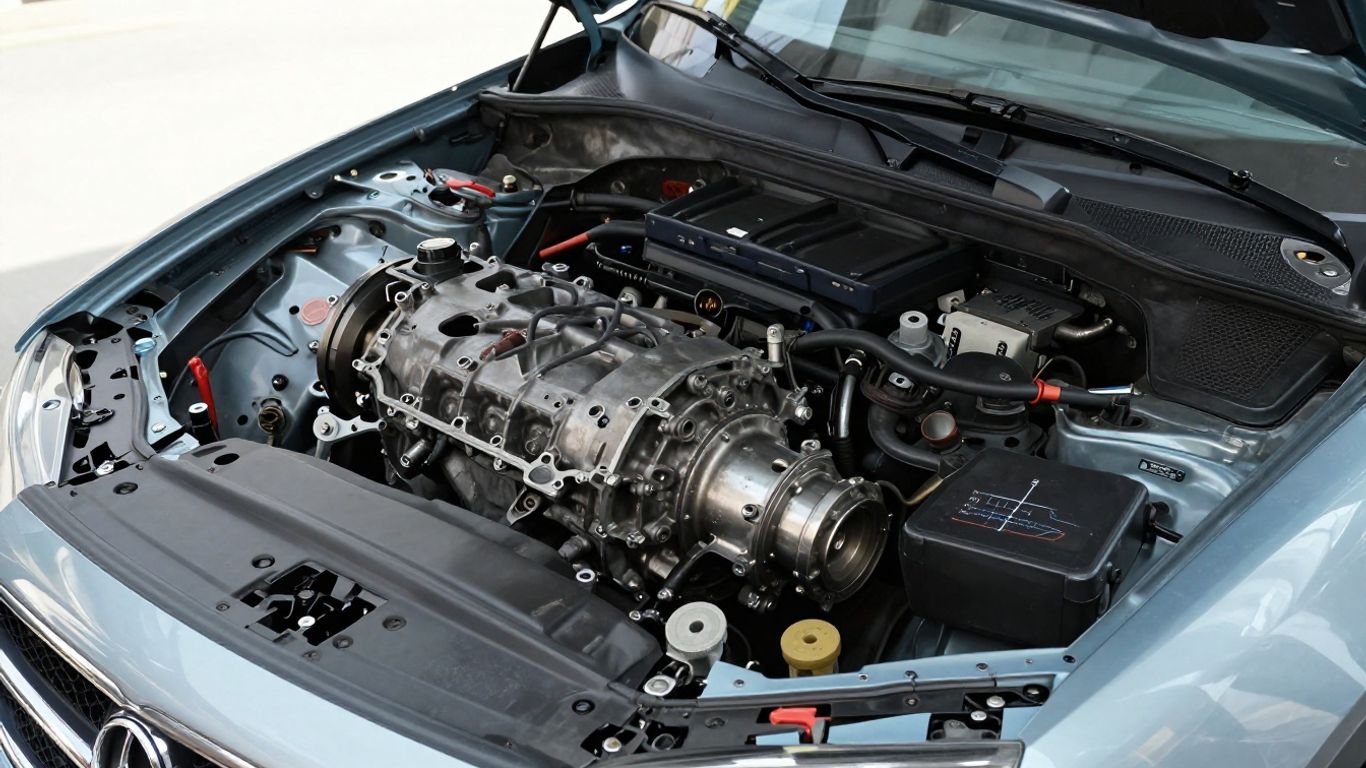
The goal is not always the newest or most expensive component. It is a dependable combination that suits the vehicle and can be supported properly after installation.
What a complete solution typically includes
A complete solution commonly begins with a fault assessment and a written scope of work. Depending on the job, it can include an engine or transmission assembly, seals and gaskets, mounting hardware, fluids, filters, sensors, wiring checks, and the labor needed to install and test the parts.
The phrase “complete” should be checked carefully. Some packages include only the main assembly, while others include supporting parts that make installation more straightforward. Ask for a list of included and excluded items before approving the work.
How engine and transmission systems work together
The engine creates power, while the transmission controls how that power reaches the driven wheels. They are connected through mechanical components, electronic controls, cooling systems, and shared operating conditions. A problem in one system can place extra stress on the other.
For example, an engine that runs poorly may create harsh or irregular shifts. A transmission that slips can make the engine rev without producing the expected road speed. Looking at both systems helps prevent a symptom from being mistaken for the original fault.
When integrated service is more effective than separate repairs
Integrated service makes sense when the engine and transmission are being removed together, when one failed component may have affected the other, or when access to surrounding parts is limited. It can also be practical when an aging vehicle has several related issues that need to be evaluated at once.
This does not mean every engine problem requires transmission work. A careful inspection should separate necessary work from optional recommendations. The benefit is coordination: parts can be checked together, labor can be planned accurately, and post-installation testing can cover the whole drivetrain.
Vehicles and driving conditions that require specialized support
Vehicles used for towing, frequent short trips, heavy loads, steep terrain, or stop-start traffic can place unusual demands on the drivetrain. Commercial vehicles may also need parts selected around operating schedules rather than simply the lowest purchase price.
Vehicle age and design matter too. A modern vehicle may require electronic programming and emissions-related checks, while an older model may raise questions about parts availability and mounting differences. The more specialized the application, the more valuable an exact fit becomes.
Diagnosing engine and transmission problems
Diagnosis is the foundation of a sensible repair decision. Noise, poor acceleration, warning lights, fluid leaks, and difficult shifting can have several possible causes, so replacing a major component based on one symptom can be expensive. A good process combines the driver’s description with visual inspection, testing, and a review of service history.
The timing of the symptom often provides useful clues. A fault that appears only when cold may point in a different direction from one that occurs under load or after the vehicle warms up. Recording when and how the problem occurs gives the technician better information.
Warning signs of engine failure
Common warning signs include persistent overheating, low oil pressure, heavy smoke, severe loss of power, unusual knocking, and repeated misfires. A vehicle that consumes large amounts of oil or coolant may also need urgent attention, especially if the fluid loss has no visible external source.
No single sign proves that an engine must be replaced. A damaged sensor, cooling-system fault, ignition issue, or gasket problem can sometimes produce similar behavior. Continued driving after a serious warning can turn a repairable fault into broader internal damage.
Symptoms of transmission trouble
Transmission concerns may appear as slipping, delayed engagement, harsh shifts, shuddering, unusual noises, or fluid leaks. Some vehicles may enter a limited operating mode when the control system detects a fault. The driver may notice that engine speed rises without a matching increase in vehicle speed.
Fluid condition and level matter, but checking them is not a complete diagnosis. The correct fluid type, temperature, service procedure, and electronic controls all affect transmission operation. A symptom that feels like a gearbox failure may instead come from an axle, mount, sensor, or engine-management problem.
How technicians use inspections and diagnostic testing
A technician may begin with a visual inspection, fluid checks, scan-tool data, and a road test. Further testing can include compression or leak-down checks, pressure testing, electrical measurements, and examination of removed parts. The exact sequence depends on the symptoms and the vehicle.
Testing should lead to a clear explanation rather than a vague recommendation. Ask what was found, what remains uncertain, and which evidence supports the proposed repair. A documented diagnosis protects the budget by connecting the work to an identifiable fault.
Distinguishing related symptoms from separate problems
Engine and transmission symptoms can overlap because both affect acceleration, vibration, and road speed. A failing mount can feel like a drivetrain problem, while an engine misfire can feel like a transmission shift issue. Separating these possibilities requires attention to when the symptom occurs and what changes it.
A useful diagnosis also considers unrelated faults found during inspection. Not every worn hose or minor leak has to be repaired during a major job, but safety-related defects and parts that would be difficult to access later deserve a clear discussion.
Choosing between repair, rebuilding, and replacement
Once the fault is known, the next decision is how far the repair should go. A targeted repair may preserve a sound assembly, while rebuilding or replacement may offer better value when internal wear is extensive. The answer depends on damage, parts availability, workmanship, warranty, and the vehicle’s remaining value.
Price alone can make the options look simple, but the cheapest quote may exclude essential supporting work. Compare the scope, condition of the component, expected service life, and protection offered after installation.
When an engine repair is the most practical option
Repair is often practical when the engine block and major internal components remain serviceable. Examples may include replacing a failed gasket, cooling component, sensor, belt, or other accessible part. A measured repair can avoid disturbing a healthy engine.
More extensive internal damage changes the calculation. If overheating, oil starvation, or contamination has affected several major components, a partial repair may leave the vehicle vulnerable to another failure. The inspection should establish whether the proposed work addresses the cause as well as the visible symptom.
Rebuilding versus replacing a transmission
Rebuilding involves disassembling the transmission, inspecting its components, replacing worn or damaged parts, and reassembling it to an appropriate standard. Replacement involves installing another transmission, which may be new, remanufactured, rebuilt, or used depending on the available option.
A rebuild can retain a case that suits the vehicle and address known internal wear. A replacement can shorten downtime, but its history and exact specification must be confirmed. Either route needs correct installation, fluid, programming where required, and testing afterward.
Comparing new, remanufactured, and used components
Each component type carries a different balance of price, history, and coverage. The comparison below is a starting point, not a substitute for checking the exact supplier terms.
| Component type | Typical advantage | Main question to ask | Best comparison point |
|---|---|---|---|
| New | Known condition and current specification | What parts and warranty are included? | Total installed cost |
| Remanufactured | Reconditioned assembly with defined processes | What testing and replacement standards apply? | Coverage and supplier support |
| Used | Lower initial purchase price | What is the mileage and verified history? | Risk of repeat labor |
The right choice depends on the vehicle’s value and the quality of the documentation. A lower-priced component may not remain cheaper if it fails early or requires additional adaptation during installation.
Evaluating vehicle age, mileage, and long-term value
Consider how long you intend to keep the vehicle, its body and suspension condition, safety equipment, service history, and current market value. A major drivetrain investment makes more sense when the rest of the vehicle is sound and the replacement meets an ongoing need.
Mileage is useful context, but it is not a verdict. A well-maintained high-mileage vehicle may be a better candidate than a neglected one with fewer kilometers. Include tires, brakes, cooling systems, and electrical repairs in the broader ownership decision.
Selecting the right engine and transmission package
A package should be judged by fit, completeness, documentation, and support rather than by the headline price. The engine and transmission must work with the vehicle’s mechanical, electrical, electronic, and emissions systems. Small differences in model year or specification can create major installation problems.
Before ordering, gather the vehicle identification number, engine code, transmission code, build date, drive layout, and any relevant factory options. Those details give a parts supplier or technician a much stronger basis for matching the components.
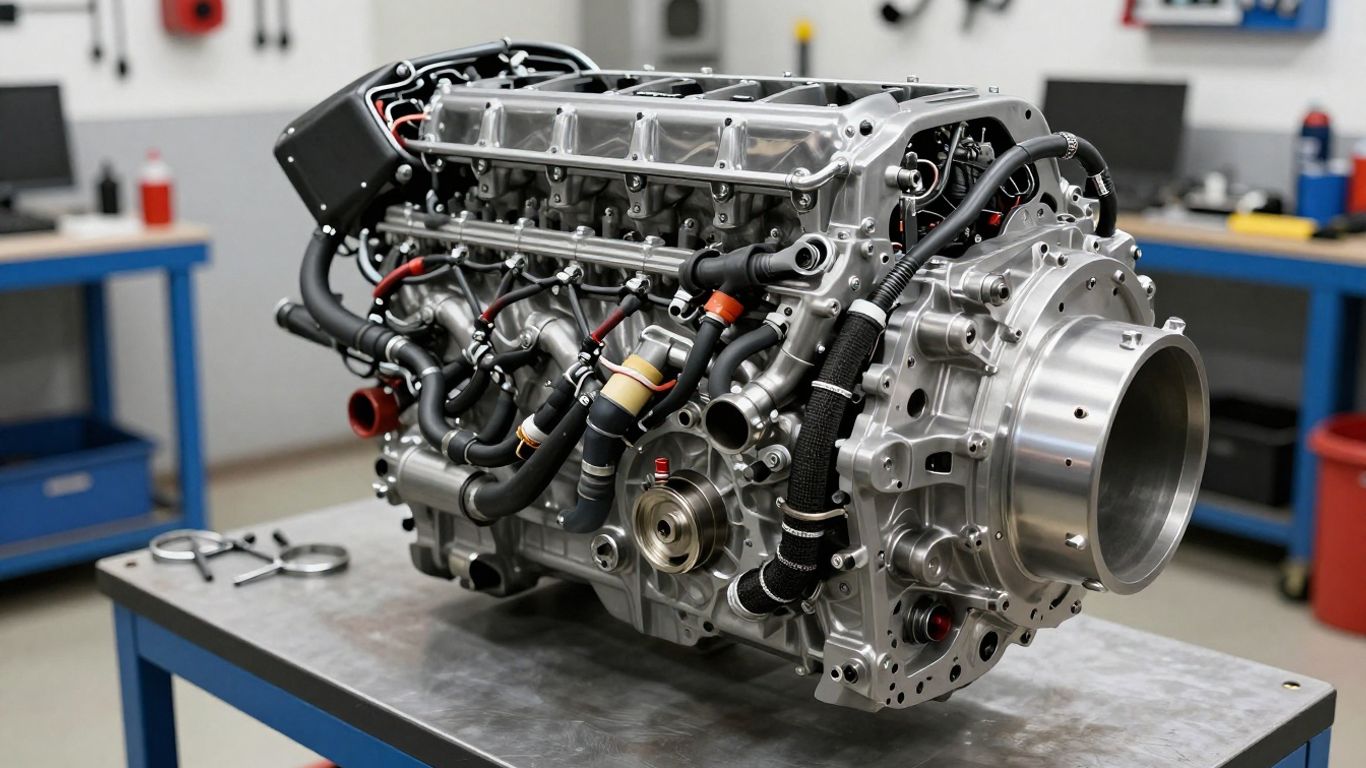
A careful comparison at this stage can prevent delays, return freight, and unexpected modification work.
Matching components to the vehicle’s specifications
Confirm mounting points, bellhousing pattern, sensors, wiring connectors, control modules, torque converter or clutch arrangements, and accessory positions. Even components that look similar may differ in calibration or physical fit.
The vehicle identification number is helpful, but it may not answer every question. Previous modifications, replacement engines, and regional variations should also be disclosed before the parts are selected.
Checking compatibility, performance, and emissions requirements
The replacement must meet the vehicle’s operating requirements, including power delivery, gearing, cooling, fuel or ignition systems, and emissions controls. A component that physically fits may still create warning lights, drivability problems, or inspection issues if its controls do not match.
Ask whether programming, relearning, or additional modules are required. Confirm that the proposed combination is suitable for the vehicle’s intended use rather than assuming a similar-looking part will perform correctly.
Understanding warranties and included parts
Read the warranty before purchase and identify who handles a claim, what labor is covered, and which conditions could void the protection. Also check whether fluids, filters, seals, sensors, converters, installation hardware, and programming are included or billed separately.
A written parts list makes comparisons more useful. It also gives the installer a reference when the shipment arrives and helps identify missing or incorrect items before the vehicle is dismantled.
Avoiding low-cost packages with hidden limitations
A low quote may cover only the primary assembly. Freight, core charges, special adapters, programming, new fluids, installation kits, and disposal fees can change the final amount. A used part may also have limited mileage information or a short return window.
Ask for the complete installed price and the assumptions behind it. The best package is not necessarily the lowest-priced one; it is the one with a clear specification, realistic support, and no significant unknowns hidden outside the quote.
What to expect from the installation process
Major drivetrain work requires planning because the vehicle may be unavailable for several days or longer. The duration depends on parts availability, corrosion, access, wiring, programming, and any additional faults found after disassembly. A clear work order helps everyone understand what has been approved.
Good installation practice includes protecting the vehicle, labeling connections, checking related systems, and replacing single-use or visibly damaged items where appropriate. It also includes communicating promptly when the original scope needs to change.
Preparing the vehicle for major drivetrain work
Remove personal belongings and provide information about recent symptoms, modifications, warning lights, and previous repairs. If the vehicle has special security settings, aftermarket electronics, or towing equipment, mention them before work begins.
The shop should document the vehicle’s condition and confirm the parts being installed. This preparation reduces confusion and gives the technician useful context before removal starts.
Coordinating engine and transmission installation
The engine, transmission, mounts, cooling system, exhaust, fuel system, wiring, and driveline must be installed as a coordinated group. Incorrect routing, loose grounds, damaged connectors, or unsuitable mounts can create problems that resemble component failure.
Before final tightening and fluid filling, technicians should verify connections and clearances. Coordination is especially important when the replacement differs slightly from the original and requires approved supporting parts.
Testing, calibration, and quality-control checks
After installation, testing should cover leaks, fluid levels, warning lights, starting, charging, cooling, shifting, noise, vibration, and road performance. Electronic systems may need programming, relearning, or fault-code checks before the vehicle is returned.
A final inspection should confirm that fasteners, hoses, wiring, and protective panels are secure. The owner should receive an explanation of the work completed, any follow-up requirements, and the conditions of the warranty.
Breaking in replacement or rebuilt components
Follow the supplier’s or installer’s instructions for the first period of driving. Avoid unnecessary heavy loads, hard acceleration, or extended high-speed operation until the component has completed its recommended break-in period, if one applies.
Pay attention to fluid leaks, unusual noises, shift quality, temperature, and warning lights. Report concerns promptly rather than waiting for a minor issue to become a major failure.
Managing costs and extending drivetrain life
The cost of an engine or transmission project includes more than the main part. Labor, fluids, programming, freight, supporting components, diagnosis, and unexpected damage all influence the final figure. Planning for these categories makes a quote easier to evaluate.
Long-term value also depends on installation quality and maintenance after the repair. A suitable component can still have a short life if the underlying cooling, lubrication, electrical, or driveline issue is left unresolved.
The main factors that affect total project cost
The largest variables are the component type, vehicle design, labor time, parts availability, damage discovered during removal, and whether calibration or special equipment is needed. Corrosion and previous modifications can also increase installation time.
Request an itemized estimate and ask which amounts are fixed, estimated, or conditional. This helps distinguish a genuine change in scope from a cost that was simply omitted from the initial quote.
Comparing upfront price with long-term reliability
A cheaper component can be sensible when its history is documented and the risk is acceptable. It can be poor value when failure would repeat expensive labor, delay work, or damage related systems. Warranty length matters, but so do the exclusions and claim process.
Think in terms of total ownership cost rather than purchase price alone. A properly supported component with a clear specification may cost more initially while reducing uncertainty over the vehicle’s next years of service.
Maintenance practices for engines and transmissions
Follow the manufacturer’s fluid, filter, inspection, and service intervals. Use the specified fluids and keep the cooling system, battery, belts, hoses, mounts, and driveline components in good condition. Address leaks and warning lights early.
Simple habits help protect major components:
- Check fluid levels and visible leaks at sensible intervals.
- Allow the engine to reach normal operating temperature before demanding heavy work.
- Use the correct fluid and filter for each system.
- Avoid towing or loading beyond the vehicle’s rated capacity.
These steps cannot prevent every failure, but they reduce avoidable stress and make developing problems easier to spot. Maintenance is most effective when it is based on the vehicle’s actual use rather than a generic schedule alone.
How service records and preventive inspections reduce risk
Keep invoices, fluid specifications, mileage, diagnostic reports, and warranty documents together. A reliable record shows what has been replaced and helps a technician identify patterns when a new symptom appears.
Preventive inspections are especially useful before towing seasons, long trips, or the purchase of an older vehicle. They can identify leaks, worn mounts, cooling concerns, and electrical faults while the repair options are still relatively manageable.
Conclusion
Complete engine and transmission solutions are most dependable when diagnosis, component selection, installation, testing, and maintenance are treated as one connected decision. Compare the full scope of each option, verify compatibility, and choose the level of repair that matches both the vehicle’s condition and your plans for keeping it. A careful process may take more thought at the beginning, but it gives the drivetrain a better chance of delivering predictable service afterward.