

Key Takeaways
Brake-pad decisions are easier when you separate the signs of wear, the right part for your vehicle, and the work a workshop recommends. Use these points to plan a safe, well-informed replacement.
- Pay attention to new noises, changes in pedal feel, and longer stopping distances.
- Confirm the pads suit your Ranger’s model year, trim, and use.
- Ask for parts and labor to be itemized, including any additional repairs.
- Have the pads and related brake components inspected before replacement.
- Follow the workshop’s bedding-in advice and schedule checks according to how you drive.
How to tell when your brake pads need attention
Your brakes may give you clues before the pads are fully worn, but one symptom alone does not tell you exactly what needs replacing. Noise, pedal feel, and visible wear are useful reasons to arrange an inspection. If braking feels suddenly different or the vehicle is difficult to stop, have it checked promptly rather than waiting for a routine service.
Listen for squealing, grinding, or other unusual noises
A high-pitched squeal when you brake can be a warning that the pads are wearing, though dust or other conditions can also cause noise. A grinding sound is more concerning and should be checked as soon as practical, because continued driving may lead to further damage. Pay attention to when the sound occurs and whether it changes with light or firm braking; those details can help the technician investigate.
Watch for changes in braking feel and stopping distance
Notice whether the pedal feels softer, firmer, or different from what you’re used to, and whether the Ranger seems to take longer to slow down. These changes can have more than one cause, so avoid assuming that new pads alone will resolve them. A prompt brake inspection can help identify whether the pads, another component, or the braking system as a whole needs attention.
Check for uneven wear or dashboard warning lights
If you can see the pads through the wheel, a large difference in thickness from one side to the other is worth asking a technician about. Don’t rely on a quick visual check to judge the full condition: some pads may be hard to see, and wear can differ across the vehicle. Treat a brake warning light as a reason to consult your owner’s manual and arrange an inspection, rather than resetting or ignoring it.
Choosing the right brake pads for your Ranger
The right replacement depends on the exact vehicle and how you use it, not just the model name. Genuine and aftermarket choices may differ in price, availability, and specifications, so compare them against your vehicle’s requirements. For a broader parts purchase, fitment and supplier checks are useful to consider before you order; that guidance is general and does not confirm a particular brake pad will fit.
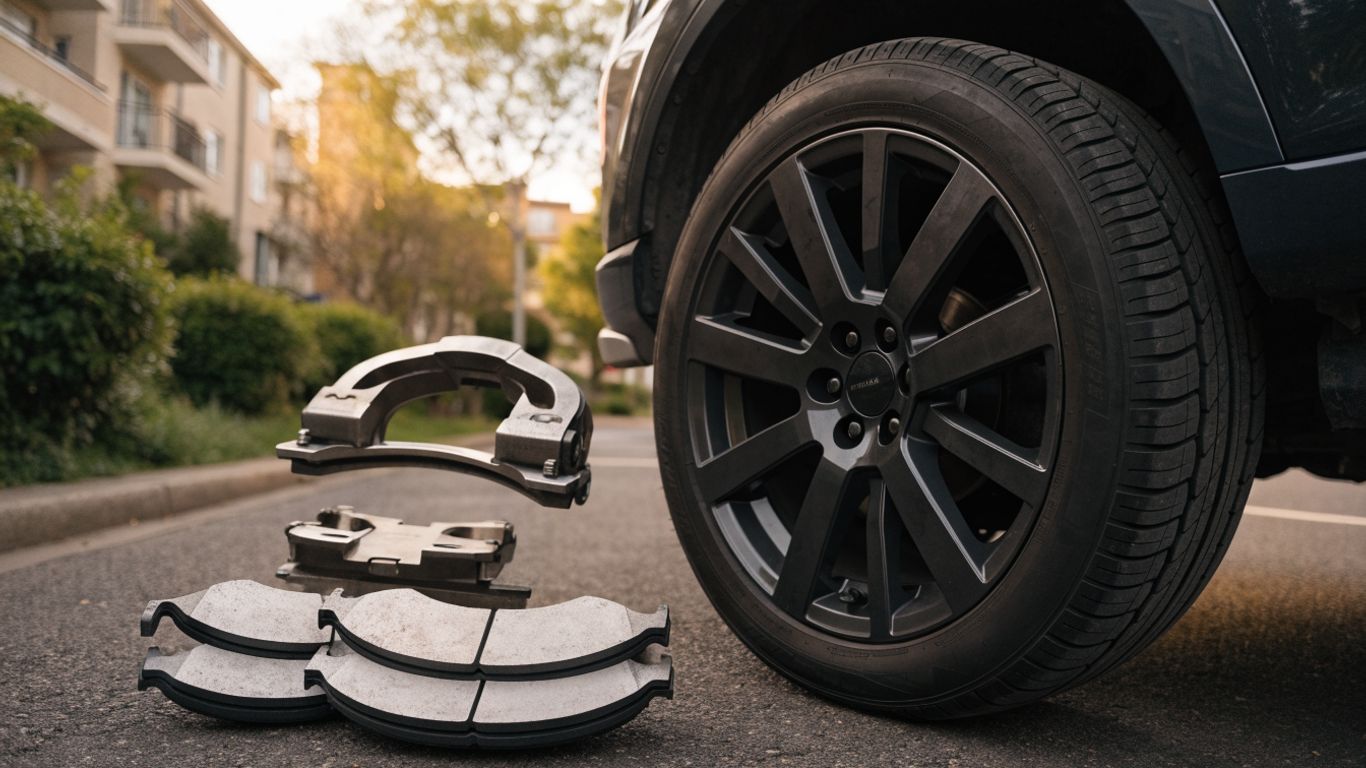
Compare genuine Ford and aftermarket options
Ask the workshop to identify the proposed pads and explain why they suit your vehicle. Genuine parts and aftermarket parts are distinct options; price alone does not tell you whether a particular set is appropriate. Engines Australia supplies used, reconditioned, and performance engines, gearboxes, and spare parts, but that general range does not confirm availability or suitability of a specific Ranger brake pad. Verify brake-pad fitment directly with the parts supplier or workshop.
Match pad material to your driving conditions
Different pad compounds can be designed with different priorities, such as noise, dust, feel, or performance under particular conditions. The best choice depends on your regular driving, vehicle load, and the recommendation for your Ranger, so ask the supplier to explain the trade-offs rather than choosing by a broad label alone. If you tow or travel on steep roads, mention that when requesting advice; it helps the workshop consider how your brakes are used.
Check compatibility with your Ranger’s model year and trim
Ranger brake parts can vary by model year and configuration, so confirm exact fitment before buying. Provide the vehicle identification number (VIN) and details such as model year and trim, then ask the supplier to verify the part number. These details are more useful than relying on a listing that only says it fits a “Ford Ranger.”
| Fitment detail | Why to confirm it |
|---|---|
| Model year | Brake components may vary between generations. |
| Trim or variant | Specifications can differ across configurations. |
| VIN or part number | Helps the supplier check the exact application. |
| Front or rear axle | Identifies which set of pads the quote covers. |
Use the table as a prompt when you call or request a quote, not as a substitute for a fitment check. Engines Australia can assist with specific part inquiries and fitment verification for the parts it supplies; confirm brake-pad availability and vehicle suitability with the relevant supplier before ordering.
What affects brake pad costs in Melbourne
There is no single price that applies to every Ford Ranger brake-pad replacement. The final quote depends on the parts selected, the work required, and what the inspection finds. Ask for a written breakdown so you can understand what is included and compare like with like.
Understand the difference between parts and labour
A quote may separate the price of the pads from the labor to remove and fit them, or show a combined figure. Ask whether the price includes inspection, taxes, and any related work, and whether the workshop will contact you before adding repairs. If your job also involves other components beyond the brakes, Engines Australia supplies engines, gearboxes, and spare parts; its general inventory description does not establish the cost or availability of brake pads.
Account for front and rear brake pad replacements
Check whether the estimate covers the front, rear, or both axles. The pads and the amount of work may differ by axle, and one end may need attention before the other. A workshop should explain what it found and why it recommends replacing one set or both, rather than leaving you to infer the scope from a single total.
Check whether rotors or other components also need attention
The condition of the rotors and other brake components can affect the work and overall cost. Ask the technician to explain any additional recommendation and show you the relevant wear or damage where practical. A careful explanation helps you distinguish a pad replacement from a broader brake repair, and gives you a chance to approve the work before it proceeds.
What to expect during a brake pad replacement
A replacement should begin with an inspection, not an assumption that the pads are the only issue. Once the vehicle has been checked, the workshop can explain the parts and work it recommends. Ask what will happen before authorizing the repair, and request advice on using the new pads afterward.
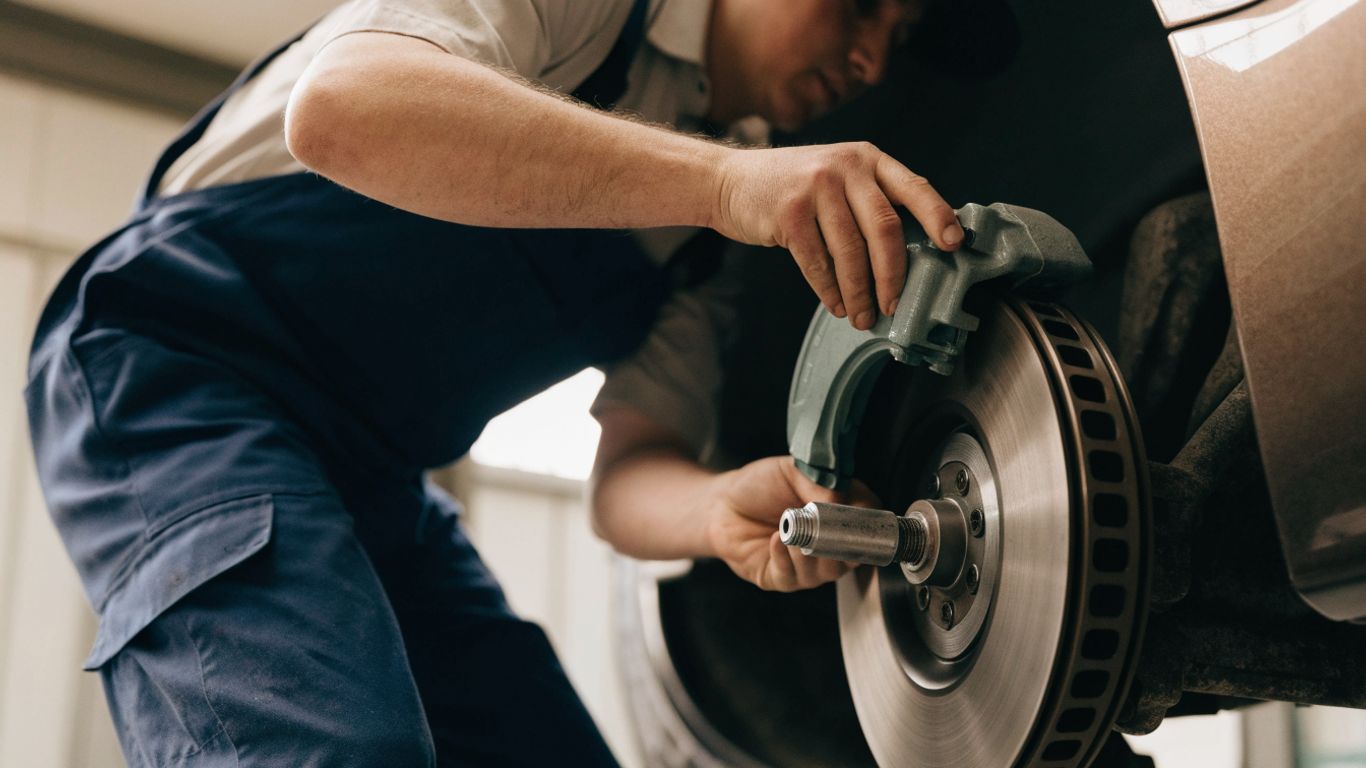
Inspect the pads, rotors, calipers, and brake fluid
The technician should assess the brake pads and check related components, including the rotors and calipers, for condition that could affect the repair. You can also ask whether the brake fluid needs attention, based on its condition and the vehicle’s service requirements. The inspection should lead to a clear explanation of what is serviceable and what, if anything, needs further work.
Confirm the replacement parts and work before installation
Before the work begins, make sure you understand which axle is being serviced, which pads are proposed, and whether the quote includes any additional parts or labor. It is reasonable to ask the workshop to verify the pads against your Ranger’s details and to contact you if its inspection changes the estimate. That conversation reduces the chance of a mismatch between the work you expect and the work being done.
Allow for bedding-in after the new pads are fitted
New pads may need a bedding-in period, during which you should follow the workshop’s instructions for braking and driving. Ask whether the supplier or pad manufacturer has specific guidance for the parts fitted; avoid relying on a generic routine if the instructions differ. Until the pads are bedded in, pay attention to how the brakes respond and contact the workshop if you notice an unexpected change.
Finding a brake service provider in Melbourne
Choose a workshop that is willing to inspect the vehicle, explain its findings, and answer questions in plain language. A clear quote and a sensible process are more useful than a confident promise made before anyone has checked the brakes. You can also ask how the workshop confirms parts fitment and checks the finished work.
Look for experience with Ford Ranger models
Ask whether the workshop regularly works on Ford Ranger vehicles and what details it needs to confirm the right parts. Experience should show in specific, practical answers about your model year and configuration, not just a general claim that it services utes. If your Ranger is used for towing or heavy loads, mention that when booking so the inspection reflects its use.
Compare written quotes and warranty terms
A written quote makes it easier to compare the work included, the parts proposed, and any conditions attached to the repair. Check how the workshop handles a change in scope if an inspection finds an additional issue, and ask what warranty applies to the parts and labor. Keep the quote and invoice so you can refer back to the agreed work if you have questions later.
Ask how the workshop checks rotor condition and brake performance
A useful conversation covers both what the technician inspects and how the workshop confirms the repair is complete. Before booking, consider asking:
- How will you assess the pads and rotors?
- Will you check the calipers and brake fluid as part of the inspection?
- Will you confirm pad fitment using my Ranger’s vehicle details?
- How will you explain any additional work before proceeding?
The answers should give you a clear picture of the process without requiring you to diagnose the brakes yourself. Engines Australia is an Australia-wide supplier of engines, gearboxes, and spare parts, and can help with specific part inquiries and fitment verification for the items it supplies; for brake service, seek a workshop that can inspect and repair your vehicle.
Extending the life of your brake pads
Brake-pad life varies with the vehicle, load, route, and driving habits, so a fixed replacement interval may not suit every Ranger. You can reduce unnecessary wear through considered driving, but don’t delay an inspection when symptoms appear. Regular checks let you plan maintenance based on the actual condition of the pads.
Use smooth braking where traffic allows
When traffic and road conditions permit, leave enough space to slow gradually instead of braking hard at the last moment. Look further ahead for changing traffic and junctions, and ease off the accelerator early when appropriate. Smooth driving will not prevent normal wear, but it may reduce avoidable heavy braking during everyday trips.
Adjust driving habits for towing and heavy loads
A loaded vehicle or trailer changes how your brakes are used, particularly on descents and in stop-start conditions. Allow more room to slow down, follow safe towing practices, and ask a qualified technician whether your braking system is appropriate for your usual loads. Do not rely on engine braking or any driving technique in place of maintaining the vehicle’s brakes.
Schedule inspections based on use and pad condition
If you drive frequently in traffic, tow, carry heavy loads, or spend time on steep roads, ask your workshop whether your inspection schedule should reflect that use. Make a note of new noises or changes in braking feel so you can describe them accurately at the next visit. For Ford Ranger brake pads Melbourne drivers can make better decisions when they combine those observations with a professional inspection, rather than waiting for a warning sign to become severe.
Conclusion
Choosing and replacing brake pads for your Ranger starts with noticing changes, confirming the correct parts, and getting a clear inspection and quote. Ask questions before approving work, then follow the workshop’s bedding-in advice and keep up with checks suited to how you drive. That practical approach helps you make informed decisions about your brakes in Melbourne.
Frequently Asked Questions
How can I tell if my Ford Ranger brake pads need replacing?
Squealing, grinding, changes in pedal feel, longer stopping distances, or visible uneven wear can be reasons to arrange an inspection. A technician can confirm whether the pads are worn and whether another component needs attention.
Should I replace front and rear brake pads at the same time?
Not necessarily. The front and rear sets may wear at different rates, so have both inspected and ask the workshop to explain its recommendation for each axle.
How do I make sure brake pads fit my Ranger?
Give the supplier your Ranger’s model year, trim, and VIN, and ask it to verify the part number and axle application before you buy or approve installation.
Are genuine or aftermarket brake pads better?
Neither label alone determines the right choice. Compare the part’s suitability for your vehicle, its specifications, the supplier’s advice, and the terms of any warranty.
What should a brake pad replacement quote include?
Ask for the parts and labor, the axle being serviced, any inspection charges, and any additional recommended work to be clearly listed. Confirm that the workshop will seek your approval before expanding the job.
Do rotors need to be replaced with brake pads?
Not in every case. The workshop should inspect the rotors and explain whether their condition calls for additional work rather than assuming they must be replaced with the pads.
How should I drive after new brake pads are installed?
Follow the instructions supplied by the workshop or the pad manufacturer for bedding-in. If the brakes feel unusual or do not respond as expected, contact the workshop for advice.