

Key Takeaways
A good replacement starts with exact fitment, not just a matching model name. Use the checks below to compare engines and suppliers before committing to a purchase.
- Confirm the engine code, configuration, and compatibility with your transmission and electronics.
- Ask suppliers for donor-vehicle details, mileage, inspection results, and service history.
- Compare the full installed cost, not only the price of the engine.
- Read warranty, return, delivery, and any core-charge terms before paying.
- Have a mechanic verify fitment and check Queensland requirements before the swap.
Identify the right engine for your Commodore
A Holden Commodore used engine Brisbane search can turn up engines that appear similar but differ in ways that matter for fitment. Start with your car’s year and series, then verify the engine code and configuration against the vehicle itself. A few minutes spent checking details can save you from buying an engine that needs extra parts or won’t work with your existing systems.
Match the engine to the model year and series
Write down the Commodore’s model year, series, body style, and trim before you contact a seller. The model name alone is not enough: changes between years and series can affect which engine and associated parts are suitable. Your registration papers and vehicle identification number (VIN) can help identify the car, but ask a mechanic or supplier to confirm the exact fitment for your vehicle.
Check engine codes, capacity, and configuration
An engine code gives you a more useful comparison than displacement alone. Ask the seller to provide the code and confirm the capacity and configuration, then compare those details with the engine currently in your Commodore. This quick reference can help you organize the questions to ask before you go further:
| Detail to check | What to confirm | Why it matters |
|---|---|---|
| Engine code | The code on the replacement and your vehicle records | Similar capacities can have different specifications |
| Capacity | The engine’s stated capacity | Helps narrow down possible replacements |
| Configuration | The engine type and relevant setup | A broad model match does not prove exact fitment |
| Identification | Available engine identification details | Useful when a mechanic or authority needs to review the change |
Use the table as a starting point, not a substitute for a fitment check. If a code is missing or unclear, ask the seller for clear identification details before you pay.
Confirm compatibility with the transmission and electronics
Even when the engine code looks right, check that the replacement is compatible with your transmission and the vehicle’s electronics. Ask whether the engine is supplied with any related components and whether your existing parts can be reused. A mechanic who knows your Commodore can review the proposed combination before purchase and flag questions about connectors, sensors, or other fitment details.
Compare used-engine suppliers in Brisbane
Brisbane buyers can compare local options as well as sellers who arrange delivery from elsewhere. Look beyond the listing headline: clear answers about the donor car, condition, included parts, and terms make it easier to weigh one offer against another. A Brisbane used-engine guide can help you build a broader set of questions before contacting sellers.
Look at wreckers, specialist recyclers, and private sellers
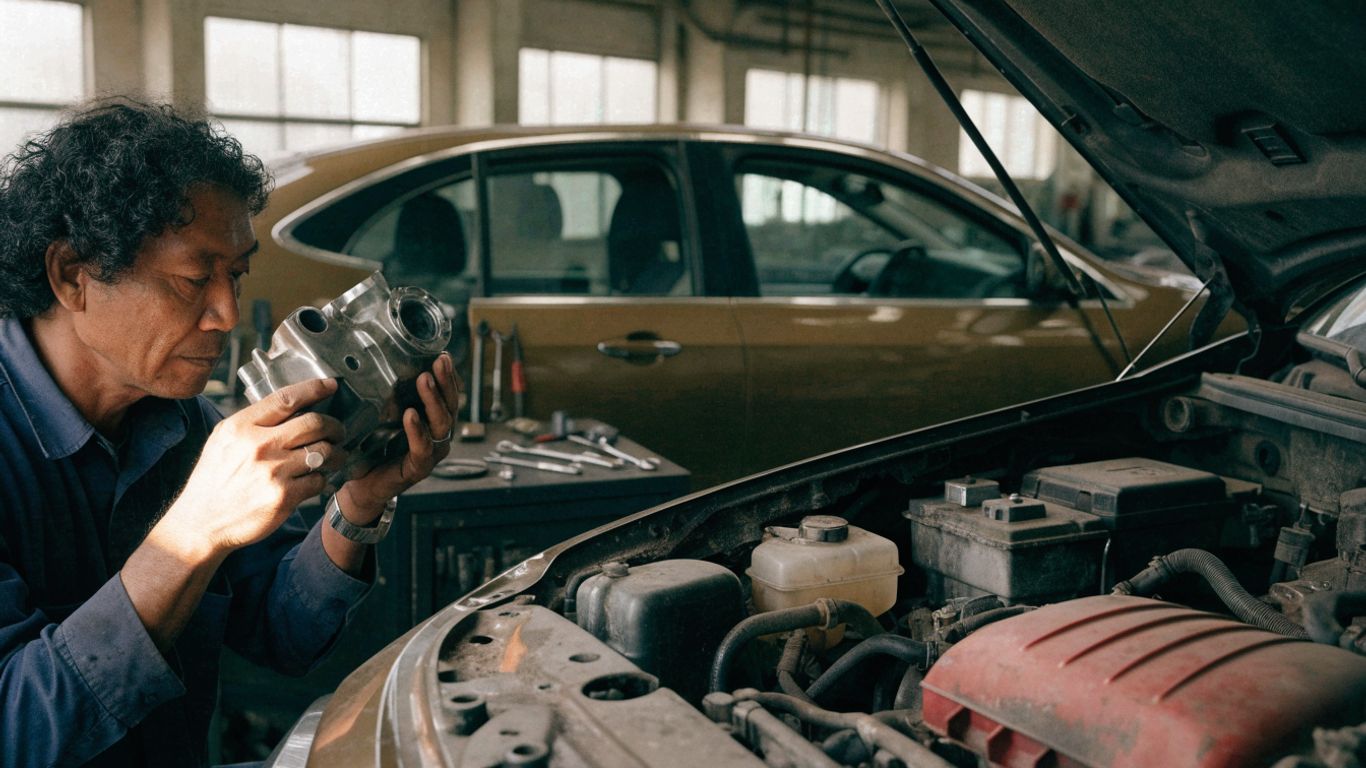
Different sellers may provide different levels of information, support, and paperwork, so compare the offer rather than relying on the seller category alone. Before you call, write down the details you want confirmed; a short list keeps the conversation focused and makes it easier to compare answers from more than one source.
- Ask for the engine code and donor-vehicle details.
- Confirm what components are included with the engine.
- Request inspection or test information in writing where available.
- Check the warranty, return terms, and delivery arrangements.
Use the same questions for each seller, then compare the responses alongside the price. Engines Australia serves customers nationwide and aims to handle sourcing, testing, and safe delivery for engines and parts, but you should still confirm the details of the specific engine you are considering.
Ask where the engine came from and why it was removed
Ask which vehicle the engine came from and why it was removed. A seller may be able to share the donor vehicle’s details and the circumstances of its removal; treat those as useful context, not a substitute for inspection. If the explanation is vague, ask what can be confirmed and whether any supporting records are available.
Compare local pickup with delivery options
A local pickup may let you coordinate directly with the seller, while delivery can broaden the range of engines you can consider. Ask how the engine will be prepared for transport, what delivery costs apply, and who is responsible if there is a problem on arrival. Engines Australia’s stated service area is Australia-wide, with nationwide shipping; for any supplier, confirm the destination, timing, and handling arrangements before ordering.
Check the engine’s condition and history
Used engines can vary considerably in how much history and inspection information accompanies them. Request records early, and ask the seller to distinguish documented facts from estimates or verbal descriptions. Engines Australia says every engine and spare part is carefully inspected by in-house specialists using advanced testing methods to meet strict quality standards; ask what information is available for the particular engine you are assessing.
Request mileage and service records
Ask for the donor vehicle’s recorded mileage and any service records that are available. Find out whether mileage is documented or estimated, and whether the records identify the engine itself or only the vehicle. If records are incomplete, that does not automatically settle the decision, but it should shape your questions and the value you place on the asking price.
Ask about compression tests and other inspection results
Ask whether compression tests or other inspections were performed, when they were completed, and whether the seller can share the results. Clarify what was tested and whether the engine was assessed running or in another condition. If you are unsure how to interpret the information, have your mechanic review it; a test result is most useful when its scope and limitations are clear.
Look for signs of leaks, overheating, or internal wear
If you can inspect the engine in person, look for visible oil or coolant residue, damaged components, and signs that may warrant further investigation. Ask whether there is any known history of overheating or internal wear, and request photographs if you cannot attend. A visual check cannot reveal every problem, so treat it as one part of the decision rather than a guarantee of the engine’s condition.
Understand the price and warranty
The purchase price is only one part of the cost of replacing an engine. Add delivery, workshop labor, fluids, seals, related parts, and any testing or follow-up work that may be required. Engines Australia offers used, reconditioned, and performance engines to suit different budgets and needs; whichever option you compare, make sure you understand what the quoted price includes.
Compare the engine price with the total installed cost
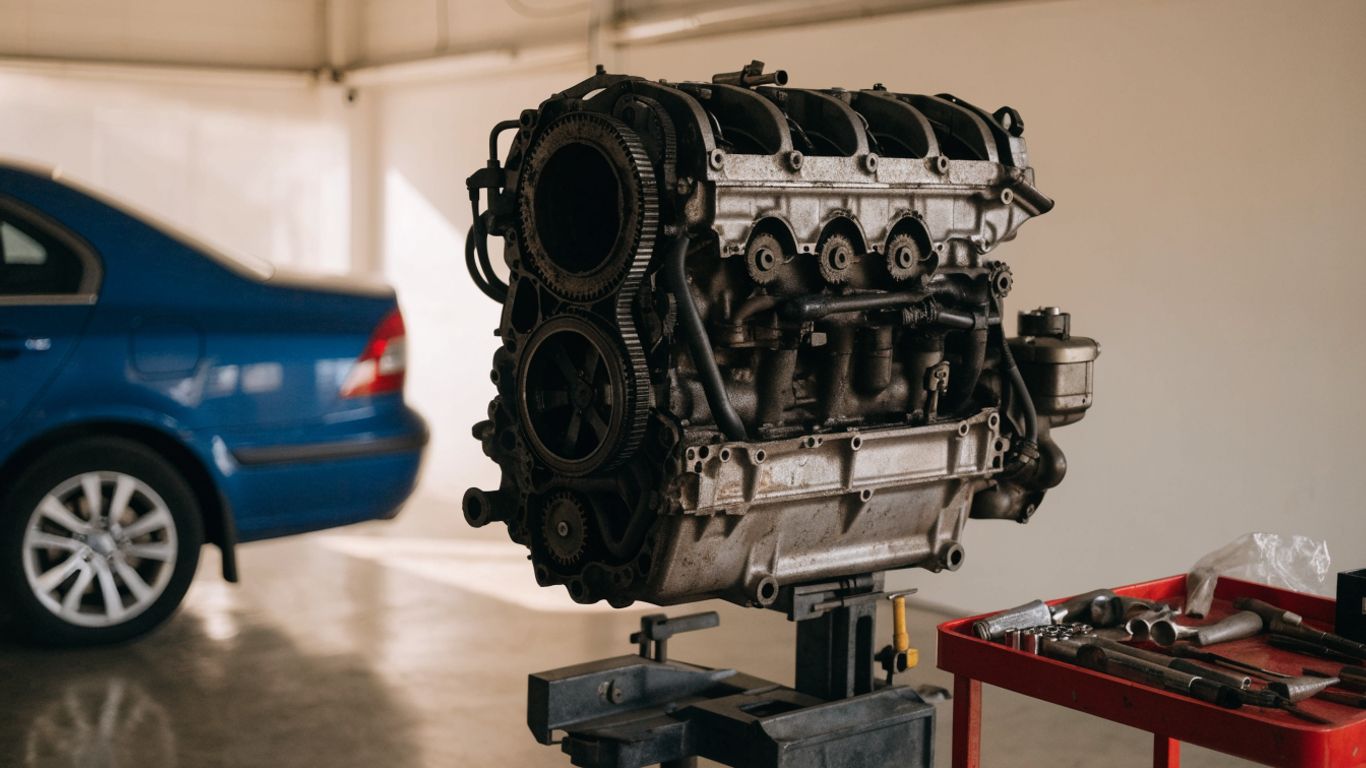
Ask your mechanic for an estimate of the complete job before agreeing to buy. To compare offers fairly, put each quote alongside the likely costs that sit outside the engine itself. If you are still weighing replacement against other paths, this guide to engine failure options covers the broader decision.
Check exactly what the warranty covers
Read the warranty terms rather than relying on a brief verbal summary. Check the coverage period, what parts or faults are covered, any installation conditions, and what evidence you would need to make a claim. Ask whether the warranty is affected by who installs the engine or by the use of particular parts, and keep the answer in writing.
Ask about return conditions and core charges
Before payment, ask what happens if the engine arrives damaged or proves incompatible, and what deadlines or conditions apply to a return. If a core charge applies, confirm the amount, return requirements, and timing for any refund. Clear terms help you account for the whole transaction, especially when the engine is being delivered from outside Brisbane.
Plan the installation
A replacement engine is a parts purchase and a workshop job, so make the installation plan before the engine arrives. Confirm who will handle fitment checks, what supporting parts may be needed, and how the finished job will be tested. The more of that scope you agree on in advance, the fewer surprises are likely once the Commodore is apart.
Get a mechanic to verify fitment before purchase
Give your mechanic the vehicle details and the replacement engine’s code before paying. Ask them to verify compatibility with the transmission and electronics, and to identify any differences that could affect installation. If the fitment remains uncertain, pause the purchase until the seller and mechanic have resolved the question.
Budget for fluids, seals, and related replacement parts
A workshop may recommend replacing fluids, seals, or related parts while the engine is out, depending on the vehicle’s condition and the installation plan. Ask for an itemized estimate so you can distinguish necessary work from optional work and decide what to approve. Include those items in your comparison rather than treating them as unexpected extras.
Confirm what labor and testing the installation includes
Ask the workshop what its labor quote covers, including preparation, installation, and checks after the engine is fitted. Confirm whether troubleshooting or additional repairs are billed separately, and what the workshop will do if the engine does not run as expected. A written scope gives you a clearer basis for comparing quotes and discussing any issue that arises.
Check Queensland requirements before the swap
Before changing an engine, check whether the proposed replacement has implications for your vehicle’s compliance or registration. Requirements can depend on the particular vehicle and the details of the change, so do not rely on a general online answer as confirmation for your car. Keep your records together and ask the relevant Queensland authorities what steps apply to your circumstances.
Ask whether the replacement affects the vehicle’s compliance
Give the relevant authority or a qualified professional the vehicle details and information about the proposed engine. Ask whether the change affects compliance and whether you should complete any checks before or after the installation. If you receive guidance, keep a note of who provided it and what details they considered.
Keep invoices and engine identification details
Save the purchase invoice, delivery records, warranty documents, and the engine’s identification details. Ask the seller to provide the information in a form you can retain with your vehicle records. If questions arise later, having a clear record of the engine and its purchase can make it easier to explain what was installed.
Confirm any registration or inspection steps with Queensland authorities
Do not assume every replacement follows the same registration or inspection process. Confirm directly with Queensland authorities whether any steps apply to your specific vehicle and engine change, and ask when those steps should be completed. Keep the response with your paperwork and make sure your mechanic knows about any requirements you have been given.
Conclusion
Finding the right used Commodore engine means checking fitment, history, condition, and terms as carefully as the price. With your mechanic involved early and Queensland requirements confirmed for your vehicle, you can compare options with a clearer view of the work and cost ahead.
Frequently Asked Questions
How do I find the right used engine for my Commodore?
Start with the vehicle’s model year, series, engine code, and configuration. Then have a mechanic or supplier verify compatibility with your transmission and electronics before you buy.
Is an engine with the same capacity guaranteed to fit?
No. Capacity alone does not confirm that an engine will fit or work with your vehicle’s other systems. Compare engine codes and configuration, then get a fitment check.
What should I ask a seller about an engine’s history?
Ask which vehicle it came from, why it was removed, what mileage is recorded, and whether service or inspection records are available. Clarify which details are documented and which are estimates.
Should I ask for compression test results?
Yes, if tests were performed. Ask what was tested, when, and whether results can be provided for your mechanic to review; do not assume a test covers every possible issue.
What costs should I include beyond the engine price?
Consider delivery, labor, fluids, seals, related parts, and any additional testing or repairs. Ask your mechanic for an estimate so you can compare the likely total cost of each option.
What should I check in a used-engine warranty?
Review the coverage period, covered parts and faults, installation conditions, claim requirements, and any exclusions. Also confirm return terms and any core charge before paying.
Do I need approval or an inspection for an engine swap in Queensland?
It depends on the vehicle and the details of the change. Contact Queensland authorities with your specific information to confirm whether compliance, registration, or inspection steps apply.