

Key Takeaways
A charging fault can look like a failing battery, so a proper diagnosis matters before you approve parts. These points can help you understand the symptoms, likely checks, and choices involved.
- A battery warning light, dimming lights, or repeated flat batteries can point to a charging problem, but none proves the alternator is at fault.
- A mechanic should test the battery, alternator output, belt, wiring, and connections before recommending replacement.
- The right repair depends on the failed component, your BT-50’s model details, and the condition of the existing unit.
- Ask for a written estimate that separates parts, labor, testing, and warranty terms.
- When searching for a Mazda BT-50 alternator Perth service, share your vehicle details and symptoms so the diagnosis and quote can be specific.
Signs your Mazda BT-50 may have an alternator problem
Charging-system trouble can show up in several ways, and the first clue may seem unrelated to the alternator. Your lights, battery, and starting behavior are useful clues, but they do not identify a failed part by themselves. Note when each symptom occurs and whether it changes as you drive. That detail gives a mechanic a better starting point.
Dashboard warning lights and what they can indicate
A battery-shaped warning light that appears while the engine is running can indicate that the charging system is not maintaining the expected electrical supply. The light does not confirm that the alternator itself has failed: a loose connection, belt problem, or battery issue may also be involved. If the warning appears, avoid assuming that a new battery will solve it. Make a note of when it comes on and arrange a charging-system check.
Dim headlights, flickering lights, or electrical glitches
Headlights that dim, interior lights that flicker, or electrical accessories that behave inconsistently may accompany a charging fault. Pay attention to whether the change happens at idle, when starting, or while multiple accessories are in use. A pattern is more useful than one moment of dimming, particularly if it recurs. Report the conditions to your mechanic rather than trying to diagnose the cause from the lights alone.
Slow cranking and repeated battery trouble
If the engine turns over slowly or the battery repeatedly loses charge, the charging system is one possibility, but the battery itself may also be weak or damaged. A battery that has been deeply discharged can struggle even after the original charging issue is addressed. If you have needed repeated jump-starts or charging, tell the mechanic how often it has happened and how long the vehicle sat beforehand. That history helps separate a battery problem from a failure to recharge it.
Noises or unusual smells from the engine bay
A new whining, squealing, or grinding sound from the engine bay deserves attention, especially if it occurs alongside warning lights or electrical symptoms. A belt or pulley issue may make noise, while an electrical fault can sometimes produce a hot or burning smell. Don’t reach into a running engine bay or ignore smoke or a strong burning odor. Stop safely and seek professional advice if the smell is pronounced or the noise changes suddenly.
What causes alternator problems in a Mazda BT-50
An alternator is part of a wider charging system, so a fault may come from the unit or from the components around it. Age and use can contribute, but a belt, wiring connection, or battery fault can create similar symptoms. Your vehicle’s model year and configuration matter when identifying the correct parts. A careful inspection is more reliable than replacing the first component that seems suspect.

Wear and tear on internal components
Alternators contain moving and electrical components that can wear over time. Bearings, internal electrical parts, or the regulator may be among the areas a technician checks when output is inconsistent. The specific failure and whether repair is practical depend on inspection and testing, not just the vehicle’s age. Ask what has been found and whether the proposed work addresses the cause of the symptoms.
Belt tension and pulley issues
The alternator depends on its drive belt and pulley arrangement to operate as intended. A worn, loose, or damaged belt can affect charging, and a pulley problem may create noise or uneven operation. Those faults can be mistaken for an alternator failure if no one checks the surrounding components. A mechanic should inspect the belt’s condition and tension as part of the diagnosis.
Wiring, connections, and charging-system faults
Corroded, loose, or damaged connections can interrupt the path between the alternator, battery, and vehicle electrical system. A fuse or other charging-system fault may also need to be considered. Because several problems can produce similar symptoms, a visual check alone may not be enough. If the alternator is replaced without checking its connections and related circuits, the original complaint may remain.
How driving conditions can affect alternator life
Frequent short trips, extended periods of idling, heavy accessory use, and demanding operating conditions can affect how hard a charging system is working. These factors do not establish that the alternator has failed, but they give useful context for a diagnosis. When you book an inspection, mention accessories or recent changes to how the vehicle is used. The mechanic can then consider those details alongside test results.
How a mechanic diagnoses charging problems
Good diagnosis starts by checking the whole charging system rather than treating a warning light as a parts order. A mechanic can compare the battery’s condition with alternator output and inspect the components that carry power. The checks should be appropriate to your BT-50 and its specific symptoms. This process helps avoid replacing a sound part while the actual fault remains.
Testing battery condition before replacing parts
A battery test helps establish whether the battery can hold and deliver charge, and whether it may have been affected by repeated discharge. The mechanic can also ask about battery age, previous jump-starts, and how long the vehicle has been sitting. Before approving a replacement, it is reasonable to ask what the test showed and whether the battery was tested under suitable conditions. A useful initial check often considers several points together:
- Battery condition and ability to hold charge.
- Whether the battery terminals and connections are secure and clean.
- Whether the battery has been repeatedly discharged or recently jump-started.
- How the battery behaves alongside charging-system test results.
Taken together, these checks help distinguish a weak battery from a charging problem that keeps draining it. If the battery is damaged as well as the alternator, the estimate should explain why both items need attention.
Measuring alternator output and voltage
A mechanic can measure charging-system voltage and alternator output under relevant operating conditions, then compare the results with the vehicle’s requirements. A single reading may not tell the whole story if the fault is intermittent, so the test method and conditions matter. Ask for an explanation of the results in plain language, including whether output changed as electrical loads were applied. The results should support the recommendation to repair or replace a component.
Checking belts, wiring, and electrical connections
The inspection should include the drive belt, pulley, wiring, terminals, and other relevant connections. A belt that slips or a connection with corrosion may affect charging even if the alternator itself is serviceable. The mechanic may also check for damaged wiring or a problem elsewhere in the circuit. Ask whether these related components were checked before the repair is finalized.
Distinguishing alternator faults from other issues
A flat battery, warning light, or slow start can come from more than one cause, so diagnosis may involve ruling out faults beyond the alternator. Battery condition, belt drive, wiring, and other electrical issues all matter. If the findings are uncertain, ask what additional test would clarify the issue rather than authorizing parts on a guess. You can also request that the estimate identify the confirmed fault separately from any recommended preventative work.
Mazda BT-50 alternator repair and replacement options
Once testing identifies the source of the problem, the next decision is whether repair or replacement is appropriate. The answer depends on what has failed, the condition of the surrounding components, and the correct fitment for your vehicle. You may be offered different part types, each with its own terms and availability. Get the recommendation and its reasoning in writing before work begins.
When a repair may be possible
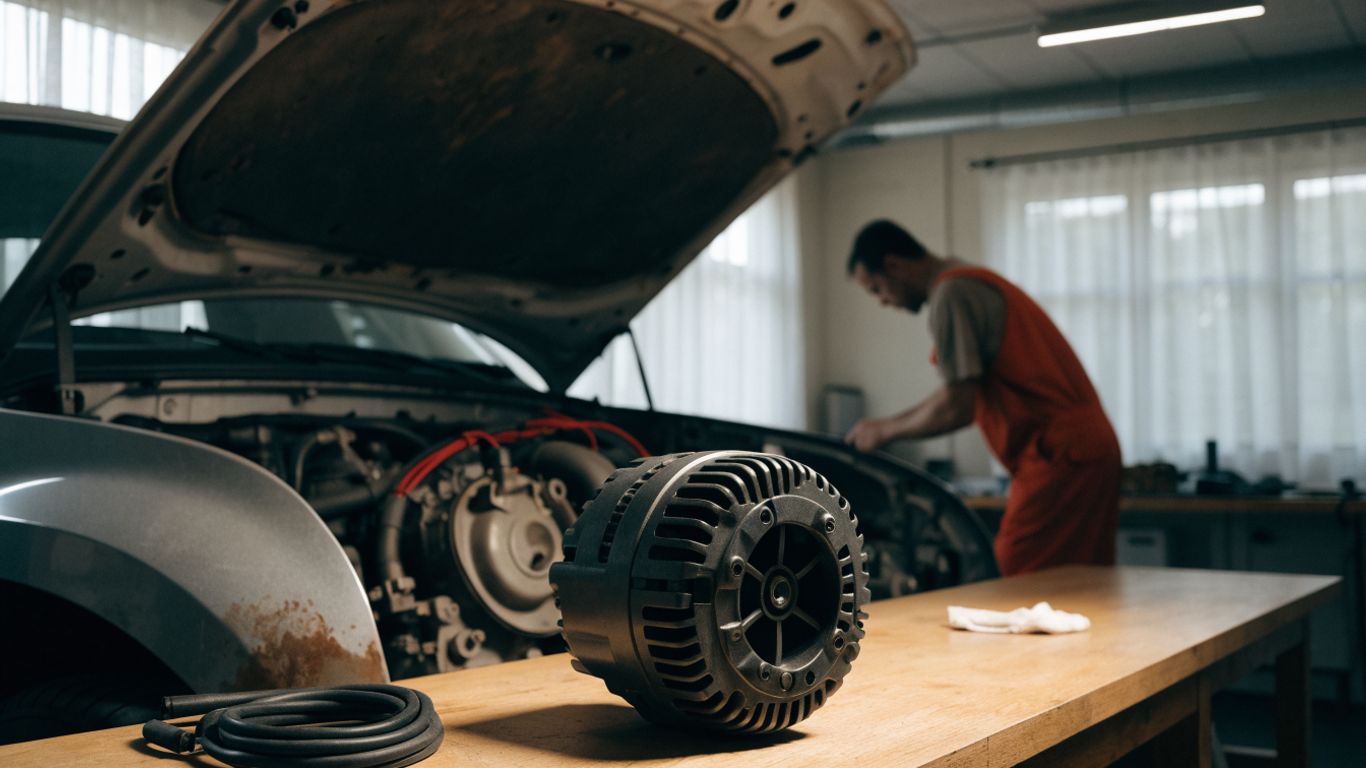
A repair may make sense when a specific fault can be addressed and the remaining unit is in suitable condition. The mechanic should explain which component has failed, what the repair includes, and whether the work will be tested afterward. A repair is not automatically the lower-risk option if other internal parts are worn or the fault cannot be isolated. Ask how the proposed repair compares with replacement in cost and warranty coverage.
When replacement is the more practical choice
Replacement may be more practical when the alternator has extensive damage, a repair is not available, or the cost of rebuilding approaches the cost of a suitable replacement. The mechanic should also consider why the original unit failed, since a belt or wiring issue could affect a new unit too. Engines Australia supplies used, reconditioned, and performance engines, gearboxes, and spare parts Australia-wide; that broader inventory does not confirm alternator availability, so ask directly about any specific part. Make sure the proposed option is matched to your vehicle before approving the work.
Choosing between a new, rebuilt, or aftermarket unit
The labels used for replacement units can vary, so ask what the quote actually includes. Confirm whether the unit is new, rebuilt, or aftermarket, what testing or preparation has been done, and what warranty applies. The cheapest option may not have the same coverage or inclusions as another quote. Compare the part specification, fitment, and warranty alongside the price.
Confirming compatibility with your BT-50 model
Alternator compatibility can depend on the vehicle’s year, engine, and equipment, so provide accurate details when checking a part. A VIN or the existing unit’s part number may help confirm fitment, but the supplier or mechanic should verify the match. Engines Australia offers used, reconditioned, and performance engines, gearboxes, and spare parts; contact the team for a specific part inquiry or fitment verification rather than assuming a particular alternator is available. Confirm the exact unit and any included components before installation is scheduled.
Alternator replacement costs in Perth
The price of alternator work can vary with the fault, parts selection, and time needed to reach and replace the unit. A diagnostic fee may be separate from the repair itself, and additional work may be proposed if testing finds another issue. There is no dependable one-price estimate without vehicle details and inspection. A written quote makes it easier to compare what each workshop is actually offering.
Factors that influence the total price
A useful estimate separates the main factors instead of presenting a single unexplained figure. The table below gives you a way to compare quotes and ask follow-up questions about what is included.
| Cost factor | What may affect it | What to clarify |
|---|---|---|
| Alternator unit | New, rebuilt, aftermarket, or other specified option | Exact part type and fitment |
| Labor | Access, removal, and installation time | Whether installation is included |
| Diagnosis | Tests required to confirm the fault | Whether diagnostic fees are separate |
| Related work | Belt, wiring, battery, or connection faults | What was found and why it is needed |
A higher or lower total can reflect different parts or different work, not just a different labor rate. Use the details to compare equivalent jobs and ask whether any likely additional costs are excluded.
Parts and labor to include in an estimate
Ask for the part cost and labor to be shown separately, along with any diagnosis, disposal, or related repair charges that apply. Engines Australia supplies used, reconditioned, and performance engines, gearboxes, and spare parts; if you contact the team about a component, verify its availability and fitment rather than treating the broader inventory as an alternator listing. A clear estimate should say what work is covered and what would require further approval. This makes it easier to understand the total before the vehicle is dismantled.
Questions to ask about warranty and fitment
Before accepting a quote, ask what warranty applies to the part and the labor, and when that coverage begins. Confirm that the unit is intended for your exact BT-50 configuration and ask whether installation includes a charging-system test. If related components are excluded, find out whether they have been inspected and what symptoms could remain. Clear answers are more useful than a general assurance that the part will fit.
How to compare quotes without focusing on price alone
Compare the same scope of work across estimates: diagnosis, part specification, labor, testing, and warranty. A quote that omits a charging check or uses an unspecified unit may not be directly comparable with one that itemizes those details. Check whether additional repairs need your approval before they are added. That small amount of clarification can prevent a surprise and help you judge value fairly.
Finding a Mazda BT-50 alternator service in Perth
Choosing a service provider is easier when you know what information to share and what a complete job should include. You do not need to identify the failed part yourself; a clear account of the symptoms is enough to start the conversation. Ask how the provider will confirm the fault and what is included in the quote. Good communication matters whether the vehicle is inspected at a workshop or at another suitable location.
When mobile mechanic service may be useful
Mobile service may be useful if the vehicle will not start reliably or you are unable to drive it safely to a workshop. Confirm that the provider can inspect your vehicle’s charging system at your location and explain any limits on on-site diagnosis or repairs. Ask whether towing or a follow-up workshop visit might still be needed if the cause is not accessible there. For wider local service context, you can review information about auto-electrical repairs when considering what kinds of work a provider may handle.
What details to provide when booking
Give the service provider the BT-50’s model year and engine details if known, plus a description of the warning lights, noises, and starting issues. Explain when symptoms occur and whether the battery has been charged, replaced, or jump-started recently. Engines Australia supplies engines, gearboxes, and spare parts nationwide, and its team can be contacted for specific part inquiries or fitment verification; this does not establish alternator stock, so ask about the precise component you need. Specific information helps the conversation stay focused on diagnosis and fitment.
How to assess a workshop’s experience and reviews
Look for clear explanations of the diagnostic process and reviews that describe communication, estimate clarity, and follow-up. A useful question is whether the provider tests the battery and charging system before recommending an alternator. You can also ask how they confirm part compatibility and what warranty applies to the work. Treat reviews as one source of context rather than a substitute for a direct discussion about your vehicle.
What to expect after installation and testing
After an alternator is installed, the mechanic should confirm that the charging system is operating as expected and check for any remaining warning lights or symptoms. Ask what was tested and whether the battery’s condition was also assessed, particularly if it had been repeatedly discharged. Keep the invoice and warranty details with your service records. If the original symptoms return, contact the provider promptly and describe when they reappeared.
Conclusion
Alternator symptoms can overlap with battery, belt, and wiring faults, so diagnosis should come before parts replacement. Share what you have noticed, ask how the fault was confirmed, and compare quotes by their fitment, testing, labor, and warranty details. With those basics in hand, you can make a more informed choice for your BT-50 in Perth.
Frequently Asked Questions
Can a weak battery cause symptoms that resemble an alternator problem?
Yes. A weak or damaged battery can cause slow starting and repeated flat-battery trouble, while a charging fault can also leave a battery discharged. Testing both helps identify the cause.
Is a battery warning light proof that the alternator has failed?
No. The light can indicate a charging-system problem, but the cause may involve the alternator, belt, wiring, connections, or battery. Testing is needed to identify it.
Can I keep driving if the headlights are dimming?
Dimming lights may indicate an electrical or charging issue, and vehicle behavior can become less predictable if the fault worsens. Arrange an inspection promptly and stop safely if warning lights, smoke, or a strong burning smell appear.
How long does alternator replacement take?
The time depends on the vehicle configuration, access to the unit, and whether related faults need attention. Ask the provider for an estimate based on your vehicle details and the intended work.
Should the battery be replaced with the alternator?
Not automatically. The battery should be tested, and replacement is appropriate only if its condition and test results support that recommendation. Ask for the findings behind any proposed additional work.
What information helps confirm the correct replacement part?
The vehicle’s model year, engine details, VIN, and existing part number can help with fitment checks. Have the mechanic or supplier verify the specific unit before ordering or installing it.
What should an alternator replacement quote include?
Ask for the part type, labor, diagnostic charges, any related work, fitment confirmation, and warranty terms. A clear quote should also explain what is excluded and whether further work needs your approval.