

Key Takeaways
Choosing suspension parts is easier when you start with your Navara’s exact details and current setup. Use the same care when comparing components, fitting them, and checking how they perform afterward.
- Confirm the model code, year, drivetrain, and cab configuration before ordering.
- Match springs and dampers to your regular load and driving conditions.
- Check the condition of related suspension and steering components, not just the obvious part.
- Compare specifications, kit contents, warranty, and return terms before you buy.
- Arrange appropriate installation, alignment, and follow-up checks after suspension work.
Identify the right parts for your Navara
Navara suspension parts can vary between model generations and vehicle configurations, so a familiar model name alone may not be enough to confirm fit. Start with the vehicle’s identifying details, then compare them with the part information supplied by the seller. If the ute has been modified, account for those changes as well as the original factory setup. A careful match at the outset can save you from delays and avoidable returns.
Check the model code, year, and variant
Find the model code and build year in your registration documents or vehicle identification information, and note the trim or variant if it is listed. Two Navaras from nearby years may use different suspension components, and a part described only by a broad model range may not cover every version. If you are unsure how to check fitment, these vehicle fitment checks offer a useful general approach. Give the supplier the full details rather than relying on a visual match or a brief online description.
Confirm 2WD or 4WD and cab configuration
Record whether your Navara is 2WD or 4WD, along with its cab style and body configuration. These details help distinguish parts intended for different vehicle layouts, including components that may look similar at a glance. A ute that has been converted or modified deserves extra scrutiny, since its current specification may not match what the factory records suggest. Share what you know before ordering and ask the supplier to confirm any uncertain details.
Match parts to your current setup
Check what is already fitted, especially if the suspension has been lifted, lowered, or changed to carry regular loads. Compare the part’s stated application with your vehicle’s current configuration, not just its original one. The table below can help you organize the details to confirm; it is a starting point, not a substitute for supplier fitment advice.
| Detail to check | Why it matters | What to confirm |
|---|---|---|
| Model code and year | Parts can differ across generations | Exact application range |
| 2WD or 4WD | Vehicle layout can affect fit | Drivetrain compatibility |
| Cab and body style | Configuration may change requirements | Cab and body designation |
| Existing modifications | Previous changes may affect fit | Lift, spring, or damper setup |
Once you have these details together, use them consistently when checking listings or speaking with a parts supplier. If the vehicle has more than one modification, describe the whole setup rather than asking about a single component in isolation.
Verify compatibility before ordering
Before you pay, ask the supplier to confirm the part against the vehicle details and any relevant part numbers. Exact vehicle identity matters more than a general description such as “fits Navara,” particularly when the listing covers several years or configurations. Confirm whether the quoted component is for the front or rear and whether it is supplied individually or as a pair. Keep the written fitment information with your order details in case you need to clarify the application later.
Understand the main suspension components
Suspension parts work together to support the vehicle, manage wheel movement, and influence how the ute feels on the road. The right replacement depends on which component is worn and how the vehicle is used. Before choosing a part, consider the condition of nearby components too; replacing one item may not address wear elsewhere. Knowing the basic roles of the main parts gives you a clearer conversation with a mechanic or supplier.
Compare shock absorbers and struts
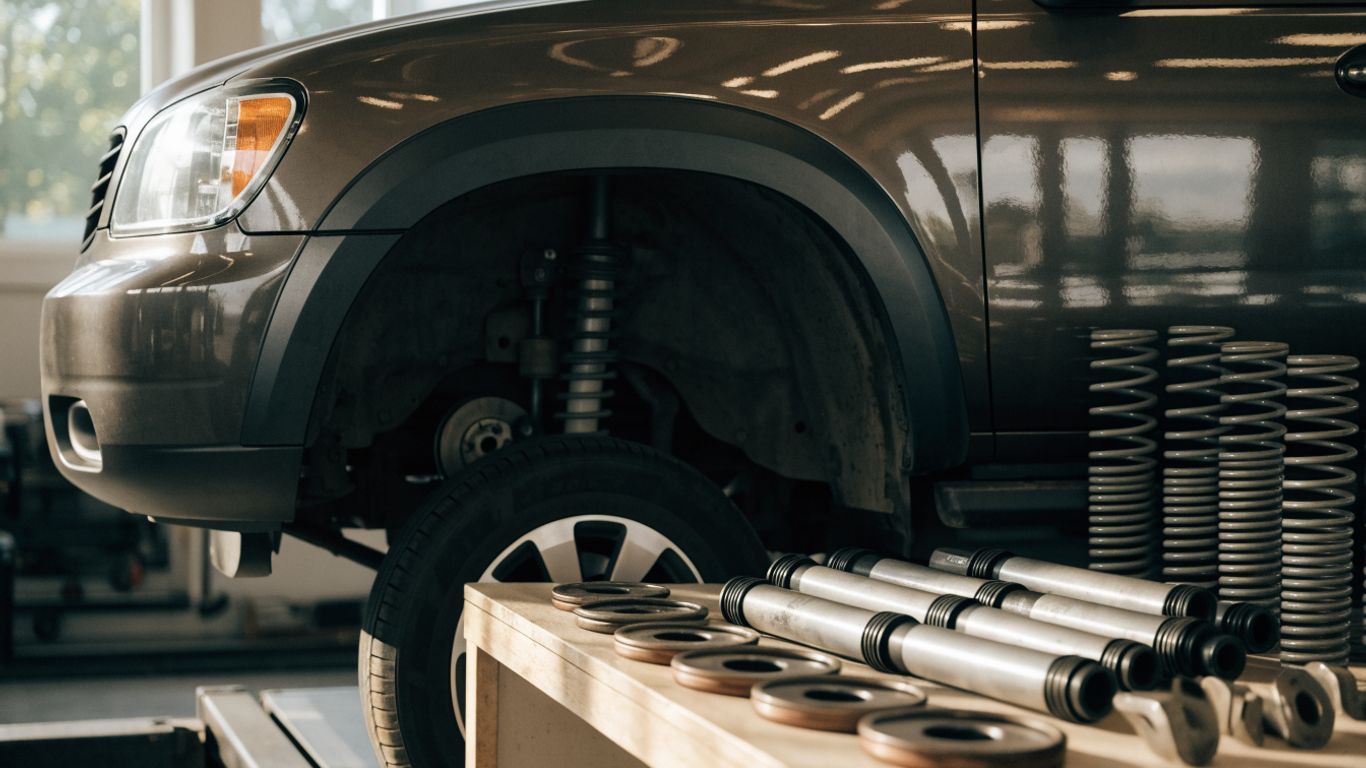
Shock absorbers help control suspension movement, while a strut is a structural suspension assembly in designs that use one. The exact layout depends on the Navara’s version and axle, so do not assume that a shock and a strut are interchangeable names for the same part. Check the vehicle application and the location the component is designed for. If you are replacing a matched pair, confirm whether the recommendation is to change both sides together.
Choose springs for your load requirements
Spring choice should reflect the vehicle’s usual load, not only the heaviest load it might carry once in a while. Consider passengers, tools, accessories, and any regular cargo, as well as whether towing is part of your routine. A spring selected without that context can leave the vehicle feeling too firm or too soft for the way you actually use it. Ask for the load assumptions behind the part’s specification before deciding.
Inspect bushes, ball joints, and control arms
Bushes, ball joints, and control arms are part of the broader suspension system, so inspect their condition when diagnosing a ride or handling concern. Worn bushes can show cracking or movement, while looseness or damage in other joints may need a qualified inspection. A new damper cannot correct wear in a separate component. Ask the mechanic to check the related parts while the vehicle is being assessed, especially if the symptoms involve noise or uneven tire wear.
Consider lift kits and supporting components
A lift kit may include only selected suspension parts, so check the contents rather than relying on the kit name. Depending on the vehicle and kit, other components or adjustments may also need attention to maintain suitable operation. Confirm the intended application, the included parts, and any installation guidance before purchase. A lift is a system change, not just a way to raise ride height.
Match suspension choices to how you drive
A suspension setup that suits a lightly loaded commuter may not suit a ute that tows or carries equipment most days. Think about where you drive, what the vehicle regularly carries, and how much ride comfort matters to you. There is no single choice that is ideal for every Navara, so describe your normal use clearly when comparing parts. That makes the trade-offs easier to understand before you commit.
Balance comfort and control for daily driving
For daily use, consider how the vehicle feels over ordinary road surfaces, through corners, and when carrying its typical load. A very firm setup may feel different from the original ride, while a soft or worn setup can feel unsettled. Ask how the component choice is expected to affect comfort and body movement for your particular vehicle. If possible, compare advice against the vehicle’s current condition rather than judging from a product label alone.
Account for towing and regular payloads
If you tow or carry a regular payload, make those conditions part of the parts discussion. Note the typical load, not just the maximum figure you might reach, and mention any permanent accessories that add weight. Use the following points to prepare a useful summary for a supplier or installer:
- List the accessories that remain on the vehicle.
- Describe the usual cargo or work equipment you carry.
- Note how often you tow and the kind of trips involved.
- Mention any changes already made to the suspension.
With this context, the recommendation can be assessed against your everyday use rather than an assumed empty vehicle. If your load changes significantly between trips, explain that too so comfort and support can be discussed together.
Prepare for gravel roads and off-road use
Gravel roads and off-road driving can place different demands on suspension than routine city travel. Consider how often you drive those surfaces and whether the vehicle is usually loaded when you do. Check that a component is suitable for the Navara’s application and the intended use, rather than assuming an off-road label answers every fitment question. A mechanic can also inspect existing wear that might become more noticeable on rougher routes.
Avoid choosing a lift based on height alone
A lift’s stated height does not tell you everything about how the vehicle will ride or handle. Ask what the kit includes, what supporting parts or adjustments may be needed, and whether the setup suits your regular load. Also consider how the change could affect access, alignment, and the way the vehicle feels in everyday driving. Treat height as one specification among several, not the whole decision.
Recognize when suspension parts need attention
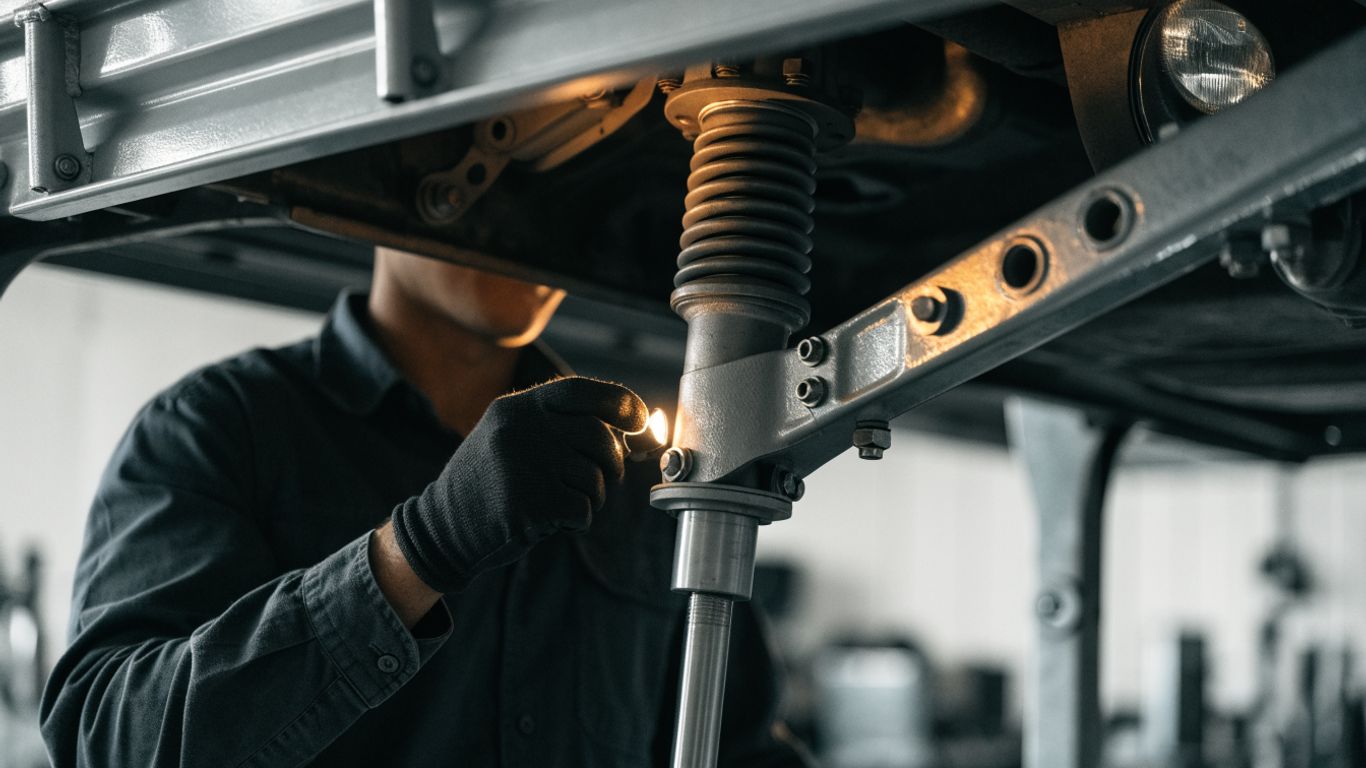
Changes in ride height, noise, or handling can indicate that something needs inspection, though they do not identify a failed part on their own. Look for patterns and note when the symptoms occur, such as when braking, turning, or carrying a load. A qualified mechanic can inspect the suspension and rule out other causes before you buy replacement parts. Early attention can help you avoid guessing at a repair based on one symptom.
Look for sagging or uneven ride height
A vehicle sitting lower at one corner or appearing unusually low at the rear may warrant an inspection. First consider whether the load is uneven or whether accessories have changed the vehicle’s weight distribution. Compare the vehicle on level ground with its usual load removed where practical, and note any visible difference from side to side. A mechanic can determine whether springs or another part are responsible.
Notice bouncing, clunking, or excessive body roll
Repeated bouncing after a bump, clunking over uneven surfaces, or more body roll than you are used to can all be reasons to have the suspension checked. These symptoms can have more than one cause, so avoid ordering a component based on sound alone. Describe when the noise or movement happens and whether it has changed recently. That detail helps the inspection focus on the relevant parts.
Check for uneven tire wear and steering changes
Uneven tire wear or a change in steering feel can be related to alignment or suspension condition, among other causes. If you notice the vehicle pulling, feeling loose, or responding differently, arrange an inspection rather than treating the symptom as a simple parts issue. Make a note of when the change began and whether it followed recent suspension work. A professional can check the tires, alignment, and related components together.
Inspect components for leaks, cracks, or worn bushes
A visual check may reveal a damaged bush, a cracked spring, or fluid around a damper, but it cannot confirm every fault. Look only where it is safe to do so, and do not crawl under a vehicle supported only by a jack. Share any visible signs with a mechanic and ask for a full assessment before choosing replacement parts. A clear diagnosis helps prevent replacing a sound component while leaving the actual problem unresolved.
Source Nissan Navara suspension parts in Adelaide
When you search for Nissan Navara suspension parts Adelaide, compare local availability with parts that may need to be ordered in. A nearby seller can be convenient, but fitment and condition still matter more than speed alone. Ask for the component specifications and the terms that apply if the part does not suit your vehicle. Engines Australia supplies used, reconditioned, and performance engines, gearboxes, and spare parts for a wide range of vehicles, with nationwide shipping; check directly for specific part availability.
Compare local stock with special-order options
Ask whether the part is physically available, needs to be sourced, or is expected to arrive at a later date. If ordering from outside Adelaide, compare the total cost and delivery arrangements with the local option, not just the listed part price. Engines Australia offers nationwide shipping, so you can contact the team to ask about a specific part inquiry or fitment verification. Do not assume a particular Navara suspension component is in stock until its availability has been confirmed.
Ask about brand, warranty, and component specifications
Ask who made the component, which vehicle application it covers, and what warranty terms apply. Engines Australia states that every engine and spare part is carefully inspected by in-house specialists using advanced testing methods; for a specific part, ask what information is available about its condition and coverage. Compare equivalent specifications where possible, and keep the answers in writing. Clear details make it easier to judge whether a part suits your vehicle and expectations.
Confirm what is included in a kit
Kit descriptions can vary, so ask for an itemized list of the supplied components and any parts that must be purchased separately. Confirm the number of units, the intended axle or location, and whether installation hardware is included. If there are fitting instructions or supporting components recommended for the setup, ask for those details before you order. That way, you can compare complete solutions rather than headline prices.
Check return terms for fitment-sensitive parts
Before ordering, read the return conditions and ask how they apply if a part does not fit despite the details provided. Check whether the item must be unused, who arranges return shipping, and whether any conditions apply to special orders. General advice on buying auto parts online can help you think through fitment, seller information, warranty, and return details. Keep your correspondence and order confirmation until the part has been checked against the vehicle.
Plan installation and post-fit checks
The job does not end when the right parts arrive. Suspension work can affect how the vehicle sits and behaves, so plan for appropriate installation and any required checks afterward. Before work begins, make sure the installer has the part information and understands the vehicle’s current setup. A measured follow-up is better than assuming everything is settled as soon as the ute leaves the workshop.
Decide when professional installation is appropriate
Suspension work can involve loaded springs, specialized tools, and components that affect vehicle control, so it may be best left to a qualified mechanic. If you are unsure about safe removal, fitting, or the part’s application, get professional advice before starting. Provide the installer with the part details and any fitment confirmation you received. This helps them identify a mismatch before work progresses.
Check alignment requirements after suspension work
Ask whether an alignment check is required after the particular suspension work being done. Changes to ride height or the replacement of related components can make alignment an important part of the overall job. Confirm whether it is included in the installation quote or needs to be arranged separately. Following the installer’s guidance can help catch handling or tire-wear issues early.
Allow for changes to ride height and handling
After the work, give yourself time to notice how the vehicle sits and feels under normal conditions. Compare it with the intended setup, taking into account its usual load and any changes made to the springs or dampers. If steering, noise, or ride height seems unexpected, contact the installer rather than assuming the vehicle simply needs time to settle. Keep notes on what you observe and when it occurs.
Reinspect components after initial use
Follow the installer’s advice about when to return for a check, and pay attention to new noises, movement, or changes in ride height during early use. If the work involved a kit, keep its specifications and fitting information with the vehicle records. Report any concern promptly so it can be assessed while the installation details are fresh. Regular inspections also make it easier to spot developing wear before it becomes more disruptive.
Conclusion
Choosing suspension parts for a Navara starts with accurate vehicle details and a clear picture of how you use it. Confirm fitment, compare the whole setup rather than one headline specification, and plan for professional installation and follow-up checks where appropriate. Taking those steps gives you a more informed basis for choosing parts in Adelaide or arranging supply from elsewhere.
Frequently Asked Questions
How do I identify the correct suspension parts for my Navara?
Check the model code, year, drivetrain, cab configuration, and any existing modifications. Share those details with the supplier and ask them to confirm compatibility before you order.
Do suspension parts differ between 2WD and 4WD models?
They can, depending on the component and vehicle configuration. Confirm the exact application for your Navara rather than assuming a part fits both versions.
Should I replace shocks in pairs?
Ask a mechanic or parts supplier about the recommendation for the specific vehicle and part. Replacing matched components together may be advised, but the right approach depends on their condition and application.
What suspension setup is suitable for towing?
It depends on the vehicle’s regular load, accessories, and towing use. Discuss those details with a qualified mechanic or supplier so the component choice reflects how the ute is actually used.
Does a lift kit include everything needed for installation?
Not necessarily. Check the kit’s itemized contents and ask whether hardware, supporting components, or adjustments are required separately.
Do I need an alignment after suspension work?
An alignment check may be needed depending on the work performed. Ask the installer what is appropriate for your vehicle and the specific components fitted.
What should I do if my Navara bounces or clunks?
Note when the symptom occurs and arrange an inspection. Bouncing or clunking can have several causes, so a diagnosis is preferable to guessing which part needs replacement.