
Key Takeaways
Choosing among 4×4 engine replacement specialists starts with a sound diagnosis, not a quick sales pitch. The right shop will explain the engine choice, compatibility, costs, warranty, and installation plan in plain language.
- Confirm that the engine failure has been diagnosed accurately.
- Look for experience with your specific drivetrain and vehicle use.
- Compare engine condition, compatibility, warranty, and total project cost.
- Ask what supporting parts, programming, and testing are included.
- Choose a specialist who communicates clearly before, during, and after the work.
Understand when your 4×4 needs an engine replacement
An engine replacement is a major decision, especially in a vehicle that may spend its life towing, crawling over rough ground, or carrying heavy equipment. Smoke, loss of power, severe noises, and repeated overheating can point to serious trouble, but they do not automatically prove that the entire engine must be replaced. A careful inspection should establish what failed and whether the rest of the vehicle is worth preserving. That is the point at which 4×4 engine replacement specialists can add practical value.
Warning signs of serious engine failure
Knocking that follows engine speed, low oil pressure, persistent overheating, coolant in the oil, or thick exhaust smoke deserves prompt attention. A vehicle that cranks without starting may have an electrical or fuel problem rather than a failed engine, while metal in the oil can suggest internal damage. Continuing to drive after a major warning can turn a repairable fault into a much larger job.
Pay attention to the pattern, not just one symptom. A sudden loss of compression, a cracked block, or a damaged cylinder head may make replacement sensible, but a failed sensor, cooling component, or fuel system part may not. Have the vehicle recovered if the engine is knocking, overheating, or losing oil rapidly.
Repair, rebuild, or replacement: Which option fits?
A repair can make sense when the damage is limited and the engine has a sound block, usable cylinder head, and reasonable service history. Rebuilding may suit a vehicle with a desirable drivetrain when the machine shop and parts quality can be controlled. Replacement is often considered when internal damage is extensive, the engine has suffered repeated failures, or a suitable complete unit offers more predictable results.
The decision should account for more than the bare engine price. Ancillary components, downtime, machining, programming, and the condition of the transmission all affect the value of each route. Ask the specialist to explain the alternatives in writing rather than presenting replacement as the only possible answer.
How mileage, vehicle age, and usage affect the decision
Mileage provides context, but it is not a verdict. A well-maintained 4×4 used mainly on pavement may be a stronger candidate for an engine replacement than a lower-mileage vehicle that has spent years towing beyond its rating or operating in dust and deep water. Service records, rust, frame condition, suspension wear, and transmission health should be considered together.
Your future use matters just as much. If towing, trail driving, or long-distance travel is planned, the replacement should be selected for the vehicle’s real workload rather than its original showroom specification alone. A specialist should ask how you use the 4×4 before recommending an engine.
Why accurate diagnostics should come before major work
Diagnosis should identify the failed system, confirm the extent of damage, and uncover related faults that could damage the replacement. Compression and leak-down testing, oil inspection, cooling-system checks, electronic scans, and a review of stored fault codes may all be appropriate depending on the symptoms. The exact process varies by vehicle and failure mode.
A written diagnosis protects your decision because it gives you something concrete to compare with the proposed scope of work. Ask for test results, photographs where useful, and a clear explanation of what is known versus what remains uncertain. That conversation often reveals whether a shop is solving the problem or simply selling a component.
Evaluate a specialist’s 4×4 experience
General mechanical ability is useful, but a 4×4 engine project has details that can be missed by a shop unfamiliar with the platform. The engine must work with the transmission, transfer case, control modules, cooling system, exhaust arrangement, and intended workload. Look for a specialist who can discuss those connections without relying on vague promises. Experience should be specific enough to be meaningful, yet broad enough to handle variations in condition and equipment.

Experience with your make, model, and drivetrain
Ask how often the shop works on your make, model, engine family, transmission, and transfer-case arrangement. Closely related vehicles can still use different wiring, mounts, emissions equipment, calibration, or accessory layouts. A technician who checks the vehicle identification number and original specifications before quoting is showing the right kind of care.
It is also worth asking whether the shop has completed a similar replacement, not merely a similar repair. Request a general description of the work, the engine type used, and any compatibility issues that had to be resolved. A credible specialist will explain what is directly applicable to your vehicle and what is not.
Knowledge of off-road, towing, and heavy-duty applications
A 4×4 used on trails may experience dust, water crossings, steep angles, low-speed heat, and sudden changes in load. A tow vehicle faces sustained engine and transmission temperatures, frequent braking demands, and additional stress on cooling and driveline systems. The replacement plan should reflect those conditions rather than treating the vehicle like an ordinary commuter car.
Ask how the shop evaluates cooling capacity, intake protection, exhaust routing, gearing, and service access for your use. The answer does not need to include expensive modifications. It should show that the specialist understands how operating conditions affect reliability.
OEM, remanufactured, and performance engine expertise
A specialist should be able to explain the trade-offs among an original-equipment unit, a remanufactured engine, a used engine, and a rebuilt engine. The best choice depends on availability, specifications, budget, warranty, and how long you plan to keep the 4×4. Performance upgrades also require a careful review of supporting systems, not just a more powerful engine.
If a shop proposes a JASPER engine, ask whether the quoted unit is a remanufactured gas or diesel engine and how its specifications match your vehicle. That keeps the conversation tied to the documented product category rather than an imprecise promise about performance or longevity.
Certifications, facilities, and specialist equipment to look for
Credentials can be useful, but they are only one part of the assessment. Look for a clean, organized facility, suitable lifting equipment, scan tools that support the vehicle, secure parts storage, and a process for recording removed components and installation checks. A specialist should also be willing to identify who will perform the work and who will inspect it afterward.
Ask how the shop handles fluids, core returns, old parts, and road testing. Good procedures are often visible in small details: careful labeling, documented measurements, orderly wiring, and a willingness to show you the findings before authorization.
Compare replacement engine options and compatibility
Engine choice is not simply a matter of finding a unit that fits between the inner fenders. The replacement must communicate with the vehicle, connect properly to the transmission and transfer case, meet applicable emissions requirements, and support the accessories and cooling system already in place. Part numbers and build specifications should be checked before the old engine is removed. A written compatibility review can prevent expensive surprises later.
New, remanufactured, used, and rebuilt engines
A new engine may offer a straightforward specification and strong parts availability, but it can be expensive or difficult to source. A remanufactured engine is rebuilt to a defined standard by its supplier, while a used engine may offer a lower initial price with more uncertainty about history and wear. A rebuilt engine can vary widely depending on who performed the work and which parts were replaced.
The label alone does not tell you enough. Ask about the engine’s source, mileage or build status, included components, testing, core requirements, and warranty. If a JASPER unit is under consideration, confirm that the exact gas or diesel application is listed for your vehicle rather than assuming all engines in the same family are interchangeable.
Matching the engine to the transmission and transfer case
The replacement must align with bellhousing patterns, crankshaft and flexplate details, mounts, sensors, accessory drives, and the transmission control strategy. The transfer case adds another layer because its input arrangement, gearing, and position must work with the chosen transmission and driveline. Even a physically similar engine can create substantial problems if these interfaces differ.
Give the specialist the full vehicle identification number and disclose changes such as a transmission swap, re-gearing, or a different transfer case. The quote should state what is being retained, what is being replaced, and whether adapters or calibration work are needed.
Confirming emissions, electronics, and immobilizer compatibility
Modern 4x4s depend on communication among the engine controller, body modules, security system, instrument cluster, transmission controller, and emissions equipment. A replacement can be mechanically sound and still fail to start or operate correctly if its sensors, modules, software, or wiring do not match the vehicle. Emissions-related hardware may also differ across model years and markets.
Ask who will handle programming, immobilizer pairing, fault-code verification, and final emissions checks where applicable. These tasks should be identified before work begins. A vague promise that the electronics will be “sorted out” is not a substitute for a defined plan.
Understanding upgrades for modified or lifted 4x4s
Lift kits, larger tires, winches, auxiliary lighting, snorkels, aftermarket exhausts, tuning, and altered gearing can change the demands placed on the engine and drivetrain. Some modifications affect clearance or wiring, while others increase heat, weight, or sustained load. The replacement assessment should record these changes rather than treating the vehicle as stock.
Bring a complete list of modifications to the initial inspection. Ask whether the existing parts will be reused, adapted, or replaced, and whether any change could affect warranty coverage. A thoughtful specialist will separate necessary compatibility work from optional upgrades.
Assess costs, warranties, and the project scope
A low headline price can be misleading when an engine replacement involves many connected systems. The estimate should make it possible to compare like with like: the engine specification, labor, supporting parts, fluids, programming, testing, taxes, and any core or disposal charges. It should also state what happens if inspection reveals additional damage. Clear scope is more useful than a reassuring verbal total.
What should be included in an engine replacement quote?
A useful quote identifies the proposed engine, major parts, labor assumptions, warranty terms, and expected timeline. It should distinguish confirmed work from allowances or possible additions. If a JASPER engine is specified, the quote should name the applicable product and identify what the supplier warranty covers, rather than using the brand name as a substitute for details.
Before comparing prices, check whether each estimate includes the same level of work. A quote that excludes programming, break-in service, or necessary seals may look attractive while leaving you to pay for predictable tasks later.
Labor, parts, fluids, programming, and ancillary costs
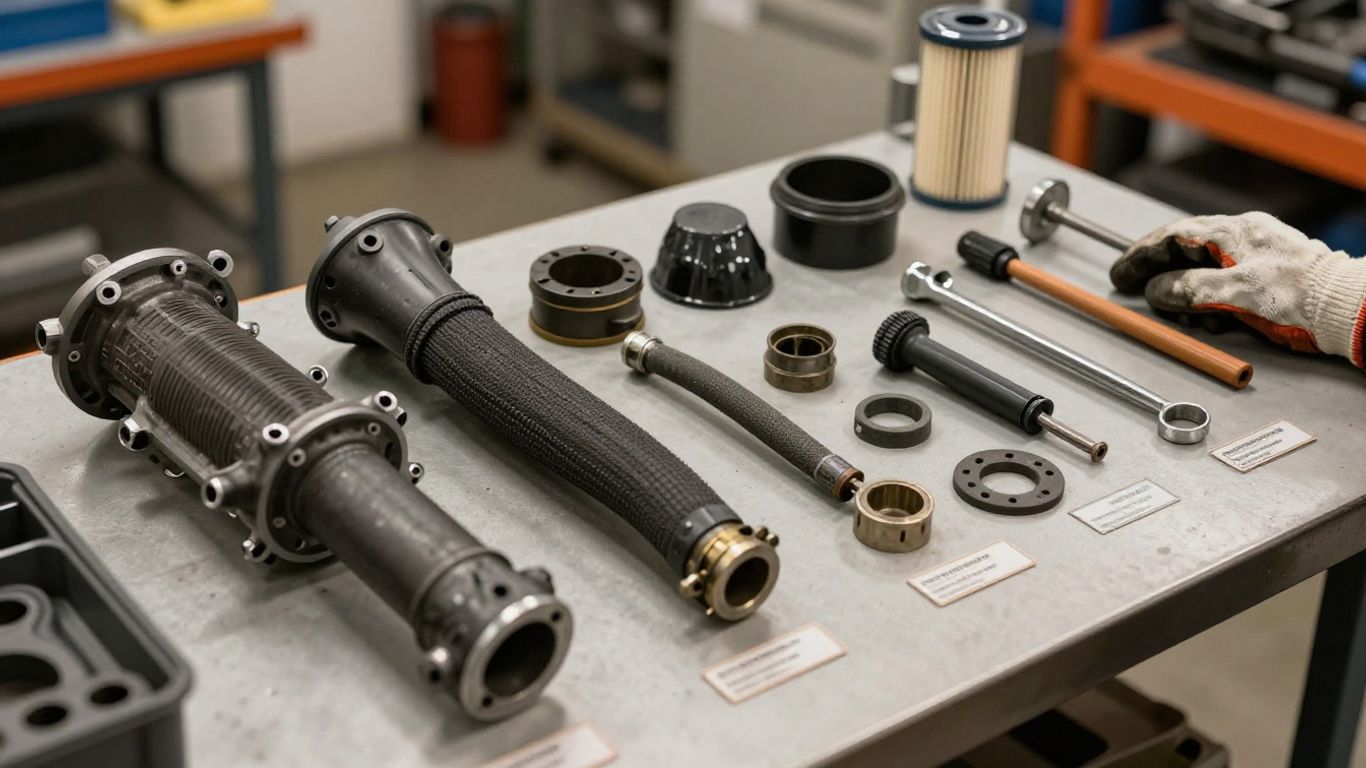
Engine removal and installation may involve hoses, belts, gaskets, mounts, filters, fluids, coolant-system service, exhaust connections, wiring repairs, and air-conditioning recovery or recharge. Some vehicles also need software updates, security-system programming, or adaptations after installation. Not every item applies to every vehicle, but the specialist should explain which ones do.
The following questions help turn a broad estimate into a usable project scope:
- Which parts are being replaced as preventive items?
- Are fluids, filters, seals, and refrigerant included?
- Who pays for programming, diagnostics, and post-installation testing?
- What charges could arise from hidden damage or seized components?
The answers should appear in the written estimate or authorization. If an item is uncertain, ask for the shop’s approval process before work proceeds beyond the agreed scope.
Comparing warranty length, coverage, and exclusions
Warranty value depends on coverage as much as duration. Check whether the warranty applies to parts, labor, towing, diagnostics, and consequential damage, and whether it is administered by the installer, engine supplier, or another party. Ask about geographic limits, maintenance requirements, and procedures for making a claim.
Read exclusions carefully. Modified vehicles, commercial use, overheating caused by another component, contaminated fluids, and failure to follow a break-in schedule may be treated differently. The specialist should be able to explain these terms without making them sound like an afterthought.
Avoiding low estimates that lead to additional charges
An unusually low estimate often reflects missing scope rather than exceptional efficiency. It may exclude the torque converter, mounts, cooling-system repairs, sensors, programming, or the labor needed to correct pre-existing modifications. That does not make every low quote dishonest, but it does make a detailed comparison essential.
Ask each shop to separate the engine price from installation and ancillary work. Then compare the total expected cost, the assumptions behind it, and the process for approving changes. The most useful estimate is the one that leaves you with the fewest unanswered questions.
Review the engine replacement process
The installation process should be orderly, documented, and adaptable when inspection reveals related problems. A quality shop does not rush from removal to installation without checking why the original engine failed. It also verifies systems after the replacement rather than treating the first successful start as the finish line. Ask for a broad timeline and the milestones at which you will receive updates.
Inspection and removal of the failed engine
Before removal, the technician should document symptoms, fault codes, fluid condition, visible damage, and the state of connected components. Photographs and notes can help distinguish the original failure from damage discovered during disassembly. Careful labeling of connectors, hoses, brackets, and hardware reduces confusion during installation.
The failed engine may also provide useful evidence. A damaged bearing, contaminated cooling passage, or broken component can point to a problem that must be corrected before the replacement is started. The shop should tell you what it finds instead of quietly proceeding with the original plan.
Preparing supporting components before installation
Supporting systems deserve attention because a replacement engine cannot compensate for a blocked radiator, failing fuel component, damaged mount, or compromised wiring. The specialist should inspect the cooling system, intake, exhaust, fuel delivery, charging system, starter, air conditioning, and drivetrain interfaces as applicable. Reusing a failed component can put the new installation at risk.
Ask which parts are being tested, cleaned, rebuilt, or replaced. This is where a clear quote helps: necessary preparation can be separated from optional improvements without losing track of either.
Installation, calibration, and system testing
After installation, the shop should verify fluid levels, connections, belt routing, grounds, exhaust joints, and hose clamps before starting the engine. Initial operation should include checks for leaks, abnormal noises, oil pressure, coolant temperature, charging voltage, and warning lights. Electronic systems may need programming or calibration before the vehicle is ready for normal use.
A road test should match the vehicle’s condition and the technician’s safety judgment. The final inspection should confirm that the engine, transmission, four-wheel-drive system, and relevant driver information systems operate as expected. Ask for a summary of completed tests and any remaining recommendations.
Break-in procedures and post-installation checks
The correct break-in method depends on the engine supplier and the components used. Follow the written instructions for speed, load, oil changes, warm-up, and inspection rather than relying on general internet advice. Keep every invoice and maintenance record, since they may be needed for warranty support.
Schedule the first follow-up inspection at the interval recommended by the installer or supplier. Report leaks, smoke, unusual noises, overheating, warning lights, or drivability changes promptly. Early communication gives the specialist the best chance to identify a problem before it becomes more serious.
Choose a specialist with confidence
The final choice should balance technical fit, communication, documentation, and total value. A polished waiting room cannot make up for an unclear scope, and a low price cannot compensate for weak compatibility checks. Speak with the person responsible for the project and notice whether they answer directly. You should leave the consultation knowing what is proposed, why it is proposed, and what could change.
Questions to ask before authorizing the work
Ask what failed, how the diagnosis was confirmed, and why replacement is preferable to repair or rebuilding. Clarify the engine source, exact specification, compatibility checks, labor scope, programming, warranty, timeline, and break-in requirements. Also ask who will contact you if the teardown reveals additional work.
Do not feel pressured to approve a major job while basic questions remain unanswered. A short delay for a second review is usually more sensible than authorizing an unclear project and sorting out the details afterward.
How to verify reviews, references, and previous projects
Reviews can reveal patterns in communication, scheduling, billing, and follow-up, but they should not replace technical questions. Look for feedback from owners with comparable vehicles or workloads, and ask the shop whether it can provide references for similar engine projects where privacy allows. Photos or documented examples can be useful when they show the type of work rather than simply a polished facility.
Pay attention to how the specialist responds to mixed feedback. A calm explanation of a resolved problem is more informative than a collection of vague five-star claims. The goal is to assess consistency, not to find a shop with no imperfect reviews.
Signs of transparent communication and professional service
Clear communication usually includes a written estimate, defined approval limits, regular status updates, and prompt notice when the scope changes. Professional service also means explaining uncertainty honestly. No shop can predict every seized fastener or hidden crack, but it can explain how those discoveries will be documented and priced.
Be cautious when a specialist guarantees an outcome without inspecting the vehicle, avoids naming the engine source, or dismisses questions about warranty exclusions. Trust grows from specific answers and consistent follow-through, not from confidence alone.
Planning maintenance to protect the replacement engine
Once the 4×4 is back in service, maintenance should reflect both the engine maker’s requirements and the vehicle’s actual use. Keep a schedule for oil and filter changes, coolant inspection, belts, hoses, air filtration, battery condition, and drivetrain fluids. Severe service such as towing, dust, mud, and low-speed trail work may require more frequent attention.
Track temperatures, fluid levels, warning lights, and changes in sound or performance. A maintenance plan does not guarantee that a component will never fail, but it helps identify small problems early and supports warranty documentation. That is the final part of choosing 4×4 engine replacement specialists: selecting a team whose guidance continues after installation.
Conclusion
The right 4×4 engine replacement specialists will help you move from symptoms to evidence, from engine choices to verified compatibility, and from an attractive estimate to a clearly defined project. Compare diagnosis, experience, scope, warranty, and communication together, then choose the specialist who explains the work plainly and stands behind a documented process.