
Key Takeaways
A sensible replacement-engine decision starts with accurate vehicle details and ends with a comparison of the complete installed cost. The cheapest advertised engine is not always the least expensive choice once compatibility, warranty, delivery, and workshop work are included.
- Confirm the exact vehicle variant and engine code before requesting prices.
- Compare used, reconditioned, rebuilt, and replacement engines on condition as well as cost.
- Include freight, fitting, ancillary parts, warranty terms, and possible repairs in the calculation.
- Ask every supplier for the same details and an itemised written quote.
- Judge value against the vehicle’s condition, likely lifespan, and current market value.
Identify the engine you actually need
Before comparing prices, make sure every seller is quoting on the same engine. A broad description such as “a 2.0-litre engine” may cover several versions with different fittings, electronics, and output. Small errors at this stage can turn a seemingly attractive price into an expensive mismatch.
Confirm the vehicle’s make, model, year, and variant
Start with the vehicle identification number, registration details, and the information on the compliance plate or service records. Record the make, model, build year, body style, drivetrain, fuel type, transmission, and trim or variant. The same model name can be sold with different engines during one production run, so a seller needs more than the badge on the boot.
If possible, provide a photograph of the engine bay and the vehicle identification number rather than relying on memory. Ask the workshop or supplier to confirm the identification before discussing a final price. This simple check reduces the chance of comparing quotes for engines that are only superficially similar.
Match the engine code and specifications
The engine code is usually more useful than displacement alone. Check the code against the vehicle records and ask whether the quoted unit is complete, long-block, or supplied without accessories. Also compare power output, fuel system, emissions equipment, sump, mounts, sensors, and ancillary layouts where relevant.
A seller should be able to explain any difference between the engine being offered and the engine removed from the vehicle. If an alternative code is compatible, request that confirmation in writing and ask what parts must be transferred from the original unit. Exact identification saves money because it makes later quotes more meaningful.
Compare replacement, used, reconditioned, and rebuilt engines
These labels describe different levels of work and should not be treated as interchangeable. A used engine may have its original internal components and a recorded donor-vehicle history, while a reconditioned or rebuilt unit may have had selected parts inspected, machined, or replaced. “Replacement” describes its role in the vehicle, not necessarily its condition.
Ask what work was actually completed rather than assuming that a label guarantees a particular standard. Find out whether the price covers a bare engine, a dressed assembly, or a unit ready for installation. The right choice depends on the vehicle’s value, the available history, the warranty, and the cost of putting the engine into service.
Check compatibility with transmissions and electronic systems
An engine can fit physically and still require substantial work before it operates correctly. Confirm compatibility with the transmission, wiring, engine control module, immobiliser, exhaust and emissions equipment, cooling system, and dashboard communication. Modern vehicles often need programming, coding, or the transfer of sensors and accessories.
Have the installer identify which original components will be reused and which are supplied with the replacement. Ask who is responsible if a compatibility issue appears after delivery. A clear division of responsibility is worth more than a low quote that leaves technical questions unresolved.
Understand what influences engine prices in Australia
Engine prices in Australia vary because the market is shaped by condition, availability, freight, labour, and the exact vehicle application. Two engines with the same capacity may have very different prices if one is common and the other is difficult to source. Comparing prices fairly means understanding what sits behind the number.
A quote can also reflect how much preparation the supplier has completed. Testing, inspection, documentation, accessories, and warranty administration may all affect the price. Treat these as part of the purchase rather than as optional details to be considered later.
Condition, mileage, and service history
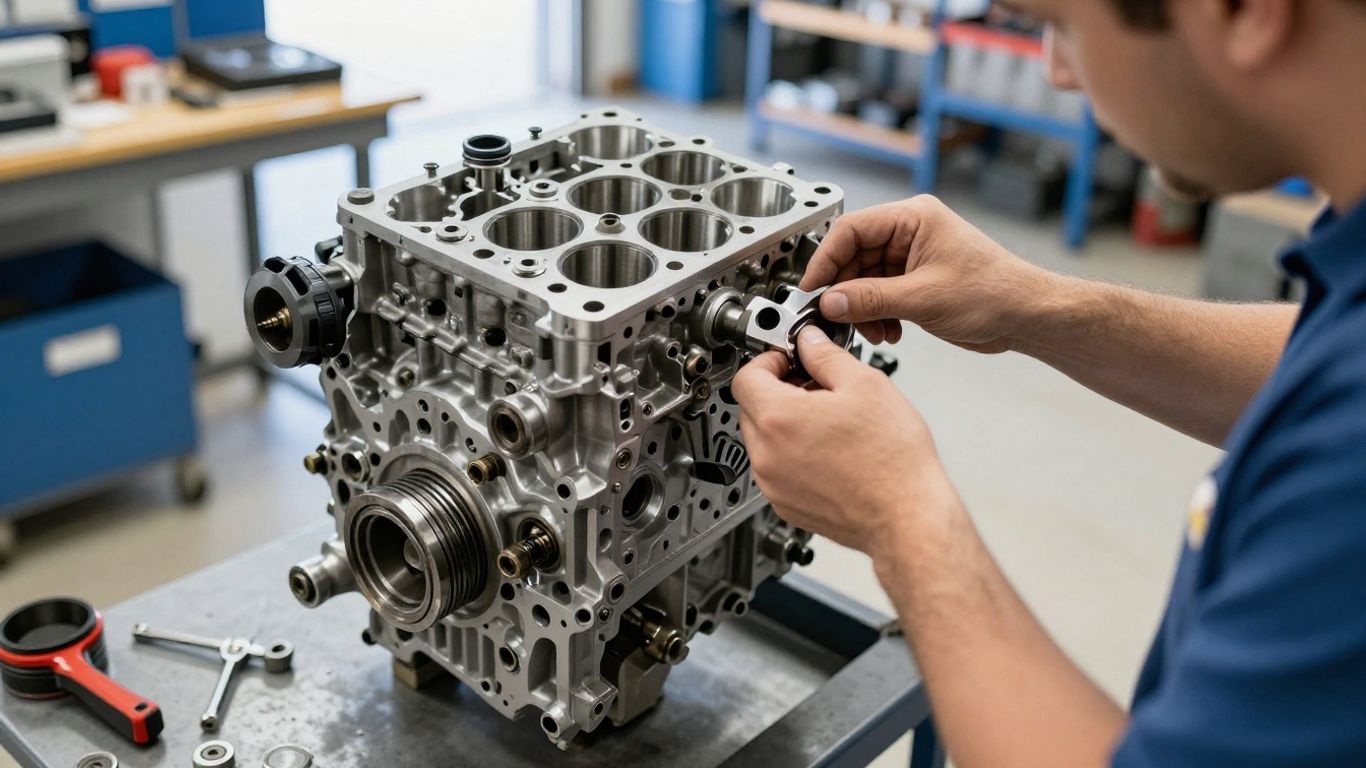
Mileage is useful, but it is not a complete measure of an engine’s condition. A higher-mileage unit with consistent servicing may be a safer proposition than a lower-mileage engine with no history. Ask for the donor vehicle’s mileage, service records, compression or leak-test information where available, and details of any known faults.
Compare like with like when reading quotes. A tested engine with a documented history should not be placed in the same price category as an unverified unit simply because both are described as used. The difference may become clear only after installation, when labour makes a failed assumption costly.
A short comparison can help frame the questions you should ask:
| Price factor | What to ask | Why it matters |
|---|---|---|
| Mileage | What mileage is recorded, and how is it verified? | It provides context for expected wear. |
| Service history | Are service records or donor details available? | Maintenance history can reveal how the engine was treated. |
| Testing | What inspections or tests were completed? | Testing gives more useful evidence than a label alone. |
| Completeness | Are accessories, sensors, and manifolds included? | Missing parts can increase fitting costs. |
This information will not predict the future perfectly, but it gives you a more rational basis for comparing two different offers. If a supplier cannot answer a basic question, allow for that uncertainty in the price you are willing to pay.
Petrol, diesel, hybrid, and performance engine differences
Fuel type changes more than the headline price. Diesel engines may involve turbochargers, injection equipment, emissions components, and heavier-duty cooling or lubrication systems. Hybrid powertrains can involve additional integration work and high-voltage safety procedures, while performance engines may have specialised parts and a smaller supply pool.
Ask whether the quoted engine includes the equipment needed for the vehicle’s original specification. For some applications, transferring the correct intake, exhaust, sensors, or control components can affect both labour and compatibility. Avoid comparing a bare petrol engine with a more complete diesel assembly as though the quotes describe the same package.
Supply, demand, and availability of specific engines
Common engines are generally easier to source, which can create more choice between suppliers and conditions. Less common engines, newer variants, and engines used in popular commercial or four-wheel-drive vehicles may attract higher prices when stock is limited. Freight between Australian states can also influence the final figure and delivery time.
Ask how long the quoted price is valid and whether the engine is physically in stock. A supplier advertising an engine that must still be located may give a different delivery estimate from one holding a tested unit. Availability matters when the vehicle is needed for work or when workshop storage charges are accumulating.
Brand, model, and parts availability
Brand and model affect the cost of both the engine and the parts needed to install it. A widely supported vehicle may have more donor engines, replacement components, and technicians familiar with the work. A less common model can require more searching, specialist knowledge, or interstate freight.
All Good Parts used car engines are described in the available supplier material as being available for all makes and models, with engines inspected carefully before being offered. That is a useful starting point for an enquiry, but you should still confirm the exact code, condition, inclusions, and warranty for your vehicle.
Compare the total cost instead of the advertised price
The advertised engine price is only one line in the repair budget. Delivery, removal, installation, fluids, seals, programming, and workshop time can add substantially to the final amount. A useful comparison puts every likely charge into one calculation before you commit.
Ask for written figures wherever possible. Verbal estimates can leave out items that seem minor individually but become significant when combined. The goal is not to predict every dollar, but to make the main assumptions visible.
Include delivery, installation, and workshop charges
Confirm whether freight is included, whether the engine will be delivered to the workshop, and whether tail-lift or regional delivery charges apply. Then request a separate estimate for removing the failed engine and fitting the replacement. Some workshops charge extra for cleaning, diagnosis, testing, or resolving seized fasteners.
Also ask about storage if the engine arrives before the vehicle is ready. A low-cost unit can lose its advantage if it requires urgent transport or leaves the workshop waiting for missing components. Compare the delivered and installed figure, not just the supplier’s first online price.
Account for gaskets, fluids, belts, and other replacement parts
Many installations are a sensible opportunity to replace wear items that are difficult to access once the engine is fitted. The exact list depends on the vehicle and the installer’s inspection, but it may include seals, gaskets, filters, fluids, hoses, belts, tensioners, spark plugs, or selected sensors.
Ask the workshop to separate required parts from recommended preventive work. That distinction keeps the quote honest without encouraging false economies. It also makes it easier to compare a complete quote from one supplier with a basic engine-only quote from another.
Check warranty coverage and return conditions
A warranty has practical value only when you understand its boundaries. Check whether it covers the engine assembly, supplied accessories, labour, freight, diagnosis, and consequential damage. A warranty that covers the part but not removal and refitting may still leave you with a substantial bill if a fault appears.
All Good Parts used car engines are described in the available material as tested, with the supplier presenting them as ready to be installed. Even so, request the actual written warranty and return terms for the engine you are considering. Do not treat general product language as a substitute for the conditions attached to your individual sale.
Calculate the likely cost of unexpected repairs
Set aside a contingency for issues discovered during installation. The old engine may have damaged wiring, mounts, cooling components, or exhaust parts, and the replacement may require accessories to be transferred or replaced. Your mechanic can usually identify the most plausible risks from the vehicle’s history and the failure that occurred.
A useful budget includes the engine, freight, labour, ancillary parts, diagnostic work, and a reasonable allowance for surprises. If the total approaches the value of the vehicle, pause before ordering and compare the alternatives rather than allowing the repair to gather momentum.
Evaluate sellers and engine suppliers
The supplier matters because the purchase involves more than a metal assembly. You need accurate identification, honest condition information, practical delivery arrangements, and support if the installation does not go smoothly. A polished listing is not enough evidence on its own.
Look for clear answers and consistent paperwork. A seller who asks detailed questions about the vehicle may be reducing risk, not making the process difficult. Conversely, pressure to pay before compatibility and warranty details are confirmed deserves caution.
Review supplier experience and business reputation
Check how long the supplier has operated, whether its contact details are clear, and whether customers can reach someone who understands the product. Reviews can reveal patterns around communication, delivery, and after-sales support, although a single review should not decide the purchase.
Ask for references to the supplier’s process rather than relying only on broad claims about quality. All Good Parts presents used engines for all makes and models and invites customers to contact its experts if a desired engine is not found in its inventory. That can be useful when sourcing a specific application, provided the eventual quote identifies the actual unit being offered.
Verify testing, inspection, and reconditioning processes
Ask what “tested,” “inspected,” “reconditioned,” or “rebuilt” means in that supplier’s process. Useful questions cover visual inspection, fluid contamination, compression, leaks, starting tests, component measurements, and any parts replaced. The answer should be specific enough for your mechanic to assess.
If a supplier cannot provide a test record, ask what evidence is available and whether the engine can be inspected before dispatch. You should also establish whether testing applies to the complete assembly or only selected components. Clear terminology prevents assumptions from becoming disputes.
Ask for documentation and engine history
Request the engine code, recorded mileage, donor vehicle details if available, photographs, test results, invoice, warranty, and return procedure. Keep the written quote with messages and delivery records. This documentation helps the workshop confirm the unit on arrival and gives you a clearer path if the goods do not match the agreement.
The paperwork should identify inclusions and exclusions plainly. If the supplier uses a stock photograph, ask for photographs of the actual engine or confirmation that the pictured unit is representative. A few extra questions before payment are easier than reconstructing the deal after delivery.
Compare local suppliers with interstate sellers
Interstate sourcing can broaden the available stock, but it adds freight time, transport risk, and possible return costs. A local seller may make inspection and communication easier, while an interstate supplier may have the specific engine ready sooner. Neither option is automatically better.
Compare the complete arrangement, including delivery insurance, workshop receiving requirements, expected arrival date, and the process for returning a faulty or incorrect unit. All Good Parts states in the available supplier material that it offers free shipping Australia wide; confirm whether that applies to your exact engine and delivery location before treating it as a saving.
Assess warranties, guarantees, and buyer protection
Warranty language deserves the same attention as the engine specification. It may define how the unit must be installed, which fluids are required, and how quickly a problem must be reported. Read the document before purchase, not when the engine has already failed.
A fair warranty does not eliminate every repair risk, but it can make the risk manageable. The key is knowing what evidence the supplier will require and which costs remain with the buyer. Ask the installer to review the terms as well.
Understand what the warranty covers
Determine whether coverage applies to internal parts only or to the complete supplied engine. Check whether seals, sensors, turbochargers, injectors, manifolds, and accessories are included. Also ask whether labour, diagnosis, transport, fluids, and consequential damage are covered or excluded.
The answer should be tied to the specific unit and invoice. If the warranty refers to a separate policy, obtain that policy in full. A promise that an engine is dependable is not the same as a defined remedy when something goes wrong.
Check warranty duration and mileage limits
Record both the time limit and the mileage limit, along with the date each begins. Some warranties may start at delivery, while others begin at installation. Ask what happens if the vehicle is used very little, and whether commercial, towing, modified, or performance use changes the terms.
Compare warranty length with the expected repair timeline. A long warranty is less useful if the claim must be lodged immediately after a fault or if the mileage allowance is quickly exceeded. Put the limits beside the price when comparing quotes.
Review installation and maintenance requirements
Many warranties require fitting by a qualified workshop, replacement of particular fluids or filters, and evidence of scheduled maintenance. There may also be a requirement to flush the cooling system, replace belts, or prime the lubrication system. Ask the installer to list the work they will document.
Keep invoices, photographs, diagnostic reports, and service records. These documents can demonstrate that the installation followed the supplier’s requirements. They also create a useful maintenance history for the vehicle regardless of whether a claim is ever made.
Identify exclusions, claim procedures, and return costs
Read the exclusions carefully, including overheating, lack of lubrication, contamination, incorrect installation, modifications, and transferred accessories where those appear in the policy. Then ask how a claim begins, who arranges diagnosis, and whether the engine must be returned before a replacement is approved.
Clarify who pays for removal, packaging, freight, inspection, and refitting during a dispute. If a returned engine must be transported interstate, the cost and downtime may be significant. Knowing that process in advance helps you compare warranties on practical value rather than headline duration.
Request comparable quotes from Australian suppliers
The most useful quote request is consistent. Send each supplier the same vehicle identification, engine code, location, intended use, and information about the failure. When sellers receive different details, their prices may be accurate individually but impossible to compare fairly.
Give suppliers enough time to verify the application. A quick price based on incomplete information may look attractive while a carefully checked quote may include necessary parts and labour. Ask questions in writing so the answers remain attached to the final offer.
Provide the same vehicle and engine details to each seller
Include the make, model, year, variant, VIN, engine code, fuel type, transmission, drivetrain, mileage, and whether the vehicle is standard or modified. Add photographs of the engine bay and any identification labels if requested. State whether you need a complete assembly, long-block, or another configuration.
Tell each supplier whether you need delivery to a workshop or a private address. Consistency at this stage produces a cleaner comparison and helps sellers identify incompatible alternatives before they become orders.
Ask for an itemised written quote
An itemised quote should identify the engine, condition, mileage, code, inclusions, price, GST where applicable, freight, warranty, and expected delivery date. If installation is included, it should state the workshop labour allowance and the parts covered. Avoid accepting a single total with no explanation.
A practical request can be kept short, but it should ask for the details that affect the final cost. Consider requesting:
- The exact engine code and recorded mileage.
- The condition, testing, and work completed.
- Included accessories, seals, fluids, and ancillary parts.
- Freight, fitting, warranty, and return charges.
This format makes gaps visible. If one supplier excludes a cost that another includes, you can ask for a revised quote instead of drawing the wrong conclusion from the first numbers.
Compare delivery times and stock availability
Ask whether the engine is physically in stock, reserved for you, or still being sourced. Confirm the dispatch location, estimated transit time, and what happens if the advertised unit sells first. Delivery time can affect hire-car expenses, workshop storage, and lost work.
All Good Parts used car engines are presented in the available supplier material with free shipping Australia wide, but delivery timing and eligibility should still be confirmed for the specific engine and address. A written arrival estimate is more useful than a general statement about shipping.
Clarify whether fitting and ancillary parts are included
Separate the cost of the engine from the cost of installation unless the quote clearly combines them. Ask whether the workshop will supply gaskets, belts, filters, fluids, mounts, programming, and testing. Also confirm whether the old engine is removed and whether disposal is charged.
If a supplier sells the engine only, have your chosen mechanic prepare a fitting estimate before you pay. This prevents a part-only quote from being compared with a fully installed price. It also gives you an independent view of the work the vehicle needs.
Decide whether the engine offers good value
Value is not the same as the lowest purchase price. It is the balance between cost, fitment risk, expected service life, warranty, downtime, and support. A more expensive engine may be sensible if it comes with stronger evidence and fewer unresolved installation costs.
Make the decision using the vehicle as a whole. Its body, transmission, suspension, tyres, electronics, and maintenance history all affect whether an engine replacement is a sound investment. The right answer can differ even between two identical models.
Compare engine cost with the vehicle’s current value
Estimate the vehicle’s current market value in its present condition and after a successful repair. Then include the engine, installation, freight, ancillary parts, diagnostics, registration-related costs if relevant, and a contingency. Do not assume every dollar spent will be recovered in a future sale.
A vehicle with a sound body, known history, and limited other faults may justify a larger repair than one already needing several major systems. Ask the mechanic for an honest assessment of what is likely to require attention over the next year, not just what is broken today.
Weigh replacement against rebuilding or buying another vehicle
Rebuilding can preserve the original engine and may make sense when the block and major components are suitable for repair. It can also involve more time and uncertain machining costs than a suitable replacement. Buying another vehicle avoids the immediate repair but introduces inspection, transfer, finance, and unknown-history risks.
Compare these choices using the same assumptions about labour, downtime, and future repairs. A replacement engine is only one route, and a careful comparison is especially valuable when the repair estimate is close to the vehicle’s worth.
Consider expected lifespan and future maintenance
Ask what service life is reasonably expected from the proposed engine and what maintenance it will need. History, testing, condition, and correct installation all matter more than a confident prediction based on mileage alone. Budget for normal servicing after installation rather than treating the replacement as maintenance-free.
Also consider how long you intend to keep the vehicle. A unit that suits three more years of practical use may offer good value even if it is not the perfect long-term investment. Your ownership plans should shape the level of risk you accept.
Use reliability, warranty, and support to make the final decision
Once the figures are comparable, weigh the evidence behind each offer. Look at engine identification, testing, records, warranty conditions, delivery arrangements, installer confidence, and the supplier’s willingness to answer precise questions. These details often separate two quotes that appear close on price.
Choose the option you can explain clearly: what you are buying, what it will cost installed, what could go wrong, and who will help if it does. That is the practical way to judge how to compare engine prices Australia without being led by a single advertised number.
Conclusion
Comparing replacement engines well means checking identity first, then measuring condition, total installed cost, warranty, delivery, and expected service life together. Obtain matching written quotes, involve a qualified installer, and choose the engine that fits both the vehicle and your realistic repair budget—not simply the one with the lowest starting price.