

Key Takeaways
A Hyundai engine replacement can range from a manageable repair bill to a major financial decision. The final price depends on the vehicle, replacement engine, labor, diagnosis, warranty, and related parts.
- Confirm that the engine itself has failed before approving replacement.
- Compare used, remanufactured, new, and rebuilt engine options carefully.
- Ask for an itemized estimate that separates parts, labor, and additional charges.
- Check recalls, warranties, service campaigns, and insurance coverage first.
- Compare the replacement cost with the Hyundai’s value and overall condition.
What determines Hyundai engine replacement cost
The Hyundai engine replacement cost is rarely one fixed number. Two vehicles from the same manufacturer can require very different engines, installation procedures, and supporting repairs. A careful estimate starts with identifying the exact vehicle and confirming why replacement is necessary.
The quote should also make clear whether it covers only the long block or a more complete assembly, along with what happens to accessories and existing components. That distinction can make a noticeable difference in the amount you ultimately pay.
Vehicle model, engine type, and model year
A compact Hyundai with a small four-cylinder engine generally has different parts and labor requirements from a larger SUV or turbocharged model. Engine configuration, drivetrain layout, emissions equipment, and access under the hood all affect the job. The model year matters because parts availability and compatibility can change between generations.
Before requesting prices, gather the vehicle identification number, mileage, engine size, and transmission information. A supplier may need that information to match sensors, mounting points, wiring, and calibration requirements. Guessing from the model name alone can lead to an unsuitable quote.
New, remanufactured, used, and rebuilt engine options
Replacement engines are not interchangeable in quality or price. A used engine may come from a salvage vehicle, while a remanufactured engine has typically been disassembled, inspected, and restored according to the rebuilder’s process. A new or crate engine may offer the clearest starting point, but it can also carry the highest parts price.
A rebuilt engine usually refers to repairing the existing unit or rebuilding a core, though the exact work varies by supplier. Ask what was replaced, what was measured, and what warranty applies. The label matters less than the documented scope of the work.
Labor rates and installation time
Engine replacement is labor-intensive. Technicians may need to remove the intake and exhaust connections, wiring, cooling components, accessories, mounts, and transmission connections before lifting out the old engine. The reverse process includes filling fluids, checking for leaks, reconnecting systems, and testing the vehicle.
Hourly rates vary by region and by shop type. A dealer may have higher posted labor rates but direct access to vehicle-specific procedures, while an independent shop may offer a lower rate or more flexible sourcing. The estimate should state the expected labor hours and whether diagnostic time is included.
Additional parts, fluids, and shop fees
The replacement engine is only one part of the project. Once the old engine is out, a shop may recommend new seals, filters, fluids, spark plugs, belts, hoses, mounts, or sensors. Some items are inexpensive individually but add up when several are replaced during the same installation.
Ask whether the estimate includes coolant, oil, refrigerant handling, shop supplies, disposal, and post-installation testing. A complete estimate prevents surprises more effectively than a low initial number that excludes routine installation items.
Location, warranty, and supplier differences
Costs are often higher in areas with expensive commercial rents and labor markets. Shipping distance, core charges, local taxes, and the availability of a matching engine can also affect the total. A supplier with a longer warranty may charge more upfront, but the added protection can matter if a problem appears after installation.
Review the warranty conditions before comparing prices. Some warranties cover parts but not labor, require professional installation, or exclude failures caused by overheating, low oil, or improper maintenance. A cheaper quote is not necessarily cheaper if its coverage is narrow.
Typical Hyundai engine replacement price ranges
There is no universal national price for a Hyundai engine replacement. As a broad US planning guide, many complete installations may fall somewhere around $4,000 to $10,000, while unusual engines, extensive collateral damage, or dealer-installed new assemblies can exceed that range. Smaller repairs involving a component rather than the engine itself may cost much less.
These figures are budgeting ranges, not a diagnosis or a guaranteed quote. The best comparison is between written estimates for the same vehicle and the same type of replacement engine.
Used engine replacement costs
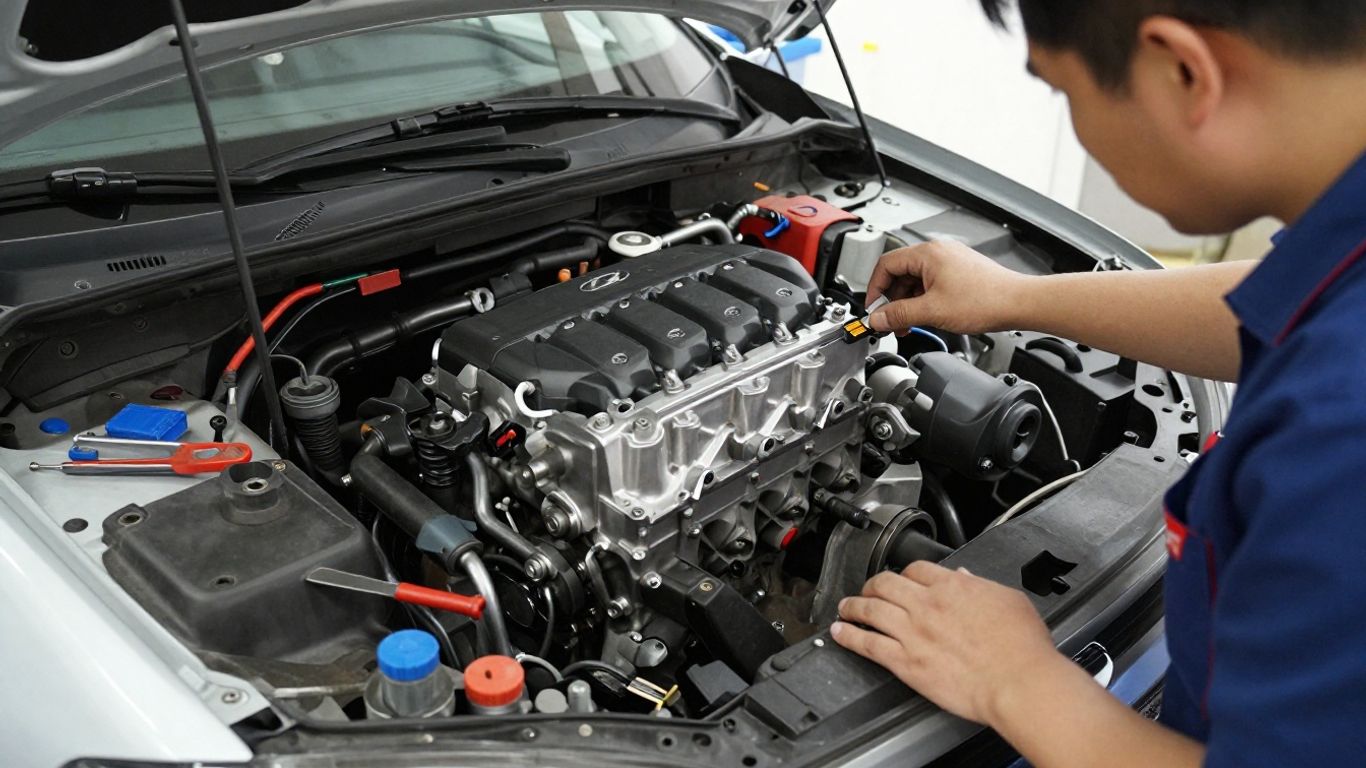
A used engine is often the least expensive replacement route, particularly when a compatible unit is readily available. A planning range of roughly $2,500 to $6,000 installed is common for many vehicles, but mileage, source, shipping, warranty, and labor can move the number substantially.
The key question is what is known about the donor engine. Ask for its recorded mileage, testing process, storage history, and return terms. A lower purchase price can lose its appeal if the engine arrives with hidden damage or requires removal and replacement again.
Remanufactured engine replacement costs
Remanufactured engines generally cost more than ordinary used units because the supplier has performed inspection and restoration work. A broad installed planning range might be $4,000 to $8,000, with turbocharged or less common applications potentially costing more.
The quality of remanufacturing depends on the supplier’s process and documentation. Find out whether the assembly includes a warranty, what components were renewed, and whether the shop will handle a warranty claim or leave that responsibility to you.
New and crate engine pricing
A new or crate engine can provide a more predictable parts history and may be the preferred choice for a newer vehicle, a well-maintained vehicle, or a model with strong remaining value. Installed pricing can begin around $6,000 and rise beyond $12,000 depending on the application and what must be transferred from the old engine.
A new assembly is not automatically the best financial choice. The estimate should show whether accessories, sensors, intake parts, and other components are included or transferred. Those details determine how close the advertised engine price is to the finished repair.
Labor-only costs and total installed estimates
Labor-only charges commonly range from about $1,500 to $4,000, although difficult access, rust, damaged fasteners, and extra diagnosis can increase the total. Some shops quote a flat installation price; others bill actual hours. Neither method is inherently better if the scope is clearly written.
For comparison, separate the estimate into engine, labor, fluids and routine parts, taxes, and possible additional repairs. The following simplified table can help organize the main budget categories without pretending that every Hyundai will fit one exact range.
| Cost category | Typical planning range | What can change it |
|---|---|---|
| Used engine | $1,000–$4,000 | Mileage, source, and warranty |
| Remanufactured engine | $2,500–$6,500 | Rebuilder and included components |
| New or crate engine | $4,000–$10,000+ | Model, availability, and assembly type |
| Installation labor | $1,500–$4,000 | Access, condition, and local rate |
These are broad US estimates for planning only, and they may overlap because engine prices and labor packages are structured differently. Use the categories to ask better questions, then rely on a vehicle-specific written quote.
Why quotes can vary significantly
A quote may cover a bare engine while another includes transferred accessories, new mounts, fluids, testing, and a longer warranty. One shop may also identify a damaged radiator, wiring issue, or transmission seal that another has not inspected yet. That does not necessarily mean either shop is acting improperly; the estimates may simply describe different scopes.
Request clarification whenever two totals differ sharply. Compare the engine’s source and mileage, warranty duration, labor hours, included parts, core charge, taxes, and exclusions before choosing the lowest number.
Signs your Hyundai may need an engine replacement
Engine failure can develop suddenly or gradually. Knocking, severe oil consumption, overheating, loss of compression, and a vehicle that will not start can all point to serious trouble, but none proves that replacement is required by itself. Several less expensive components can create similar symptoms.
Stop driving if the engine has dangerously low oil pressure, is overheating, or is making a loud internal knocking sound. Continuing to operate it can turn a repairable problem into more extensive damage.
Symptoms of severe internal engine damage
Deep knocking that follows engine speed can indicate bearing or connecting-rod damage. Metal in the oil, very low compression, a locked crankshaft, or a broken connecting rod are stronger signs of internal failure. A persistent misfire alone is less conclusive because ignition, fuel, timing, and sensor problems can produce it.
The pattern matters as much as the symptom. A technician should document test results rather than recommend an engine solely because a warning light is illuminated or the vehicle runs poorly.
When smoke, noise, or oil loss indicates a major problem
Blue smoke may be associated with oil entering the combustion process, while white exhaust can occur when coolant reaches the cylinders. Black smoke often points toward an overly rich fuel mixture. These clues are useful, but worn valve seals, a failed turbocharger, a head-gasket problem, or an emissions fault can mimic an engine failure.
Rapid oil loss, a loud new noise, or repeated overheating deserves prompt attention. Check the oil and coolant only when the vehicle is safely parked and cool enough to inspect, and avoid driving it when warning signs are severe.
How diagnostic trouble codes fit into the diagnosis
Diagnostic trouble codes identify systems or conditions that need testing; they do not automatically identify the failed part. A misfire code, for example, can result from a spark plug, ignition coil, injector, vacuum leak, low compression, or timing problem. The code is a starting point for diagnosis, not a replacement recommendation.
Ask the shop which codes were found, what tests followed, and how the results support the proposed repair. A scan report without supporting mechanical testing is not enough to establish that the engine must be replaced.
Engine failure versus a repairable component
A failed alternator, starter, crankshaft sensor, fuel pump, timing component, or head gasket can make a vehicle stall or fail to start without requiring a complete engine. Even some overheating and oil-consumption problems can be repaired when the core engine remains within specification.
The distinction affects both price and urgency. A proper diagnosis should identify the failed component, explain the likely cause, and state whether internal damage has been confirmed or merely suspected.
Why a professional inspection matters
Modern engines combine mechanical, electrical, fuel, cooling, and emissions systems, so symptoms often overlap. A qualified technician can inspect the vehicle safely, perform compression or leak-down testing, and look for evidence that is not visible from the outside. This is especially valuable before committing to a replacement engine.
If the first diagnosis is expensive or unclear, a second opinion can be sensible. Provide the first shop’s test results, but ask the second shop to interpret the evidence independently rather than simply repeat the recommendation.
How mechanics diagnose engine failure
Diagnosis should proceed from basic observations to targeted mechanical tests. The technician may review maintenance records, inspect fluids, scan the vehicle, and attempt to reproduce the symptom before deciding whether the engine is repairable. The process can take time, especially when damage is intermittent.
A good report explains what was tested and what the results mean. It should distinguish confirmed damage from possible causes and identify any conditions that could damage a replacement engine.
Compression and leak-down testing
Compression testing compares the pressure produced by each cylinder during cranking. Low or uneven readings can indicate worn rings, valve problems, head-gasket failure, or timing issues. A leak-down test adds more detail by introducing compressed air into a cylinder and identifying where that air escapes.
These tests are most useful when interpreted alongside timing and engine-condition checks. A low reading does not automatically mean the entire engine needs replacement; it indicates that further diagnosis is warranted.
Oil pressure and coolant system checks
An oil-pressure test can verify whether the engine is receiving adequate lubrication at specified operating conditions. The technician may also inspect the oil for metal and check the filter for debris. Cooling-system pressure testing can reveal leaks that contribute to overheating or coolant loss.
Low oil pressure may come from internal wear, a damaged oil pump, a clogged pickup, or an inaccurate sending unit. Likewise, coolant loss may be external rather than an internal engine failure, so each result needs context.
Inspecting the timing chain and valvetrain
A failed timing chain, tensioner, guide, or related component can stop the engine or cause valve damage. Inspection may involve listening for abnormal noise, checking timing alignment, reviewing scan data, or opening portions of the engine. The extent of damage determines whether a timing repair, cylinder-head repair, or replacement engine is appropriate.
The valvetrain also deserves attention when there is tapping, misfire, or loss of compression. A damaged camshaft, rocker, valve, or lifter may be repairable without replacing the complete long block, depending on the findings.
Checking for overheating and lubrication damage
Overheating can distort cylinder heads, damage gaskets, and affect bearings and other internal parts. A shop should look for coolant contamination, pressure loss, warped surfaces, cooling-fan faults, thermostat problems, and evidence of previous overheating. Lubrication damage may leave scoring, metal particles, or discolored components.
Finding the original cause is essential. Installing another engine without repairing a failed cooling fan, blocked radiator, oil leak, or lubrication problem can put the replacement at risk.
Confirming recall, warranty, and service campaign eligibility
Before paying for an engine, check the vehicle identification number with an authorized Hyundai service channel and review any applicable warranty or campaign information. Coverage depends on the vehicle, market, mileage, dates, terms, and the specific program. It should be confirmed in writing rather than assumed from a similar vehicle owner’s experience.
Bring maintenance records and diagnostic paperwork when asking about eligibility. Even when a program does not cover the full repair, it may affect the recommended inspection path or the parts and labor that qualify.
Hyundai engine replacement options compared
The right replacement option balances purchase price, reliability evidence, warranty protection, and the value of the vehicle receiving the engine. A low-cost engine can be reasonable when its history is documented and the vehicle is otherwise sound. A more expensive option may be sensible when avoiding repeat labor matters most.
Think beyond the engine label. The supplier’s testing, the installer’s experience, and the written warranty often matter as much as the initial parts price.
Benefits and risks of a used engine
A used engine can reduce the upfront cost and may be practical for an older Hyundai with moderate market value. It may also be available quickly through a reputable recycler. The main risk is that its previous service history and internal condition may be incomplete.
Ask whether the engine was compression-tested, how its mileage was verified, and whether the warranty covers parts, labor, or only replacement of the engine. Confirm the return deadline before installation because some warranties require immediate reporting of defects.
What to expect from a remanufactured engine
A remanufactured engine is generally intended to provide a restored assembly rather than simply a used one. The supplier should be able to explain its inspection, machining, replacement, and testing procedures. Warranty terms can be more substantial than those attached to a typical salvage unit, but they still vary.
Read the exclusions carefully. Installation by an approved facility, use of specified fluids, and documentation of break-in or maintenance procedures may be required for coverage to remain valid.
When a new engine makes financial sense
A new engine may make sense when the Hyundai is relatively new, has low mileage, is in strong condition, or has features that would be expensive to replace with another vehicle. It can also reduce uncertainty when a matching used or remanufactured unit has poor availability.
The decision should include the vehicle’s post-repair value and expected ownership period. Paying more for a new engine is easier to justify when you plan to keep the vehicle for years and the rest of it does not show comparable wear.
Rebuilding the existing engine
Rebuilding can preserve the vehicle’s original block and may be appropriate when the damage is limited or the engine has a known history. The machine shop may measure and restore components, replace worn parts, and assemble the engine to specified tolerances. The result depends heavily on the rebuilder’s workmanship and the condition of the core.
This route can take longer than installing an available replacement. Request a written description of the machining and parts included, along with the expected completion date and warranty.
Comparing warranties, mileage, and supplier reputation
When comparing options, put the warranty beside the price rather than treating it as an afterthought. Mileage, test results, included accessories, shipping arrangements, and the supplier’s claims process all affect the practical value of an engine. A reliable installer should be willing to explain what happens if the replacement fails.
A simple comparison can include these questions: What exactly is included, who pays removal and reinstallation under warranty, what maintenance is required, and what evidence is supplied about the engine’s condition? Clear answers reduce the chance of a costly disagreement later.
Extra costs to include in your replacement budget
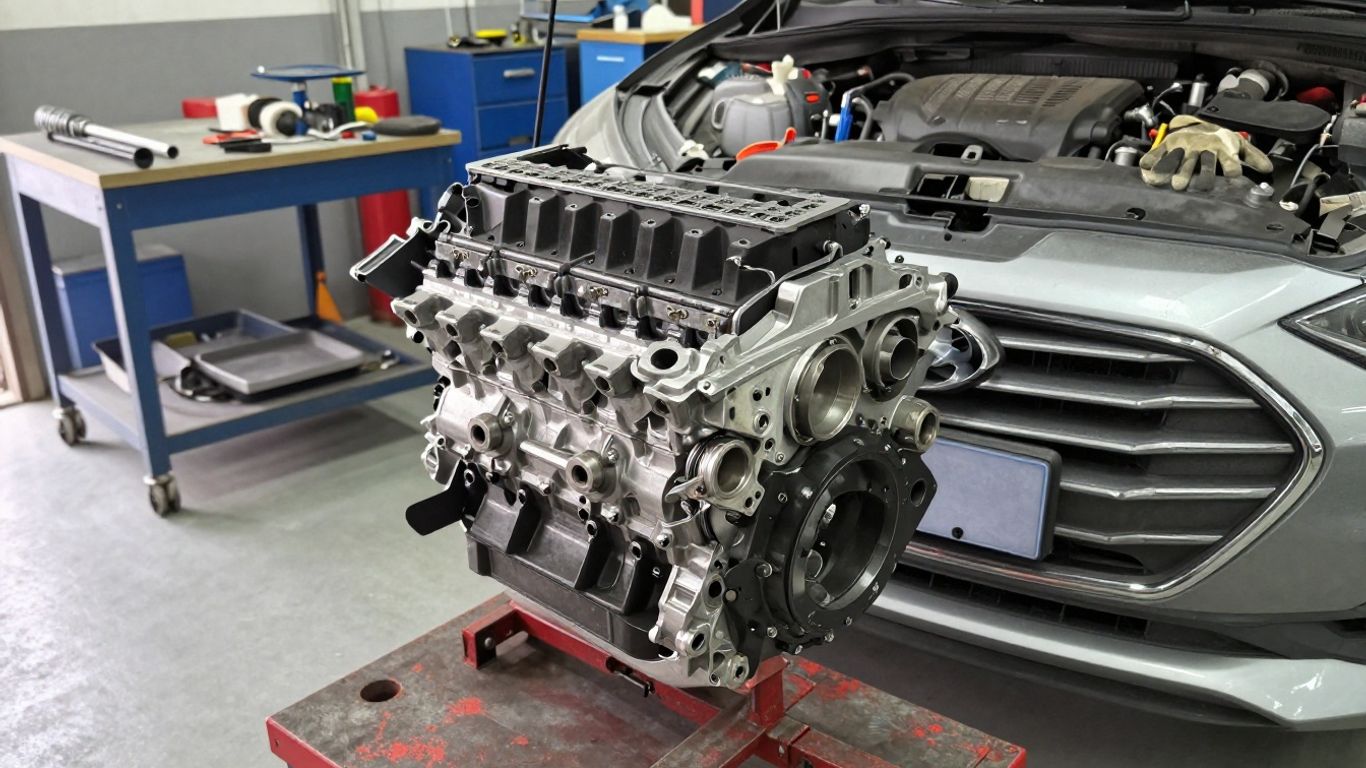
The headline engine price does not always reflect the complete repair. Some parts must be transferred from the old engine, while others are inexpensive opportunities to replace when access is easy. A realistic budget leaves room for routine installation materials and for problems discovered after disassembly.
Ask the shop to separate required work from recommended maintenance. That distinction lets you make a practical decision without losing sight of items that protect the replacement engine.
Fluids, filters, belts, hoses, and spark plugs
Fresh engine oil, coolant, filters, and other fluids are commonly part of the installation. Depending on the engine and its condition, the shop may recommend spark plugs, belts, hoses, or tensioners while those components are accessible. Some vehicles may also require air-conditioning or transmission fluid procedures related to removal and installation.
These items are relatively small beside the engine itself, but they should still appear on the estimate. Replacing a worn consumable during installation can be less expensive than paying for separate labor later.
Gaskets, mounts, sensors, and cooling-system parts
Seals and gaskets may need replacement when accessories or manifolds are transferred. Engine mounts can collapse with age, and sensors may be damaged or difficult to reuse. A radiator, thermostat, water pump, fan, or hose problem may also need attention if it contributed to the original failure.
Not every suggested part is mandatory. Ask what evidence supports each recommendation and whether declining it affects the engine warranty or creates a meaningful risk of repeat failure.
Towing, diagnostic, and disposal charges
A vehicle that has stopped running may need a tow to the diagnostic shop and another charge if it is moved elsewhere for installation. Diagnostic fees can include scanning, testing, teardown, or inspection time. Disposal and core-handling charges may be listed separately from the replacement engine.
Confirm these charges before authorizing work. Some shops apply the diagnostic fee toward the repair, while others charge it regardless of whether you proceed.
Transmission and drivetrain inspections
Removing an engine provides an opportunity to inspect the transmission bellhousing, mounts, axle areas, wiring, and related drivetrain components. A transmission issue may have been hidden by the engine problem, especially if the vehicle had shifting symptoms before the failure.
An inspection does not mean every drivetrain part should be replaced. It gives you a chance to identify leaks, damaged mounts, or worn components while access is available and to budget for them honestly.
Taxes, shop supplies, and unexpected repairs
Sales tax, environmental fees, shop supplies, and core deposits can affect the final invoice. Unexpected repairs may arise from broken connectors, seized fasteners, damaged wiring, corrosion, or a cooling-system fault found after the engine is removed.
Ask whether the shop will contact you before exceeding a stated approval limit. A written change-order process keeps the repair moving while preserving your control over the total.
How to decide whether replacement is worth it
Replacing an engine can restore a dependable vehicle, but it does not erase age-related wear elsewhere. The decision should consider the Hyundai’s current value, condition, maintenance history, and likely costs over the next few years. A low-mileage vehicle with a healthy transmission may be a stronger candidate than a cheaper but neglected one.
Avoid making the decision from the engine quote alone. Compare the cost of repair with the realistic cost of replacing the vehicle, including taxes, financing, registration, and the uncertainty of buying another used car.
Comparing repair cost with the Hyundai’s market value
Market value is a useful reference, not an absolute spending limit. Owners sometimes rationally spend more than the vehicle’s immediate resale value when the vehicle is reliable, paid off, familiar, and otherwise well maintained. Conversely, a repair can be hard to justify when it approaches the value of a vehicle with several other major problems.
Get a realistic value range based on condition, mileage, trim, and local listings. Then compare it with the complete installed estimate and the likely value after repair, rather than with the engine part price alone.
Factoring in mileage, condition, and maintenance history
Mileage provides context but does not tell the entire story. A well-maintained Hyundai with a documented service history may have a healthier transmission, suspension, and electrical system than a lower-priced vehicle with neglected maintenance. Inspect tires, brakes, air conditioning, rust, interior condition, and warning lights as part of the decision.
Think about the next repair horizon. If the engine is the only major concern, replacement may be reasonable; if several systems are already failing, a cheaper used engine may only postpone a broader financial decision.
Reviewing insurance, extended warranty, and recall coverage
Insurance generally depends on the cause of damage and the policy terms, while an extended warranty may have specific authorization and maintenance requirements. Recall or service-campaign coverage also depends on the exact vehicle and program. Contact the provider before authorizing teardown when possible.
Keep copies of the diagnosis, maintenance records, photographs, and estimates. Coverage disputes are easier to address when the failure, vehicle identity, and proposed repair are documented clearly.
Getting and comparing written estimates
A written estimate should identify the engine type, source, mileage if used, warranty, labor hours, included parts, taxes, core charge, and exclusions. It should also say whether the shop will test the vehicle after installation and what happens if another fault prevents it from running correctly.
Compare like with like. A bare used engine quote cannot fairly be compared with a remanufactured engine package that includes installation materials and a longer warranty.
Questions to ask before authorizing the work
A short conversation before approval can reveal whether the shop has a clear plan. Ask who supplies the engine, who handles warranty claims, how long the repair should take, and which parts are being transferred. Also ask what caused the original failure and what will be done to prevent it from recurring.
It is reasonable to ask for the diagnostic test results in writing. You should understand the recommendation well enough to explain why replacement is needed, what it will cost, and what protection you receive afterward.
How to reduce Hyundai engine replacement costs
Cost control does not mean choosing the least expensive engine without checking its history. The largest savings often come from improving the comparison process, avoiding duplicate diagnosis, and matching the replacement to the vehicle’s remaining life. A thoughtful decision can reduce both the initial bill and the risk of paying twice for labor.
Begin before the vehicle is disassembled. Once work has started, moving the job to another shop or changing the engine choice can create additional transport, storage, and labor charges.
Requesting multiple itemized quotes
Ask at least two or three qualified shops for estimates based on the same vehicle information and replacement category. Provide the VIN and the diagnostic report, then request separate lines for the engine, labor, parts, fluids, taxes, warranty, and possible charges. This makes differences visible instead of leaving you to compare unexplained totals.
The cheapest quote may exclude important work, while the highest may include optional maintenance. Itemization lets you question both without assuming either is automatically right.
Comparing local shops with Hyundai dealerships
A dealership may offer vehicle-specific familiarity and direct access to manufacturer procedures or parts channels. An independent shop may have lower labor rates or experience with remanufactured and used engines. The better choice depends on the technicians, warranty handling, equipment, and clarity of the estimate.
Ask each shop how often it performs engine replacements on your vehicle type. Compare the written warranty and post-installation support rather than focusing only on the posted hourly rate.
Sourcing a compatible replacement engine
A compatible engine must match more than displacement. Confirm the model year range, engine code, emissions requirements, transmission pairing, wiring, mounts, and included accessories. The installer should approve the source before you purchase anything independently.
If you source the engine yourself, clarify who is responsible for shipping damage, missing components, fitment problems, and warranty labor. A lower parts price can become expensive if the shop will not install or support an engine it did not supply.
Checking warranty coverage and return policies
Read the warranty before paying a deposit. Look for the coverage period, mileage limit, labor provisions, required maintenance, installation requirements, and procedure for reporting a failure. Return policies may exclude special-order engines, opened assemblies, or shipping charges.
Keep the invoice and all installation records. Follow the supplier’s maintenance instructions and ask the shop to document the initial fluid checks and testing required by the warranty.
Avoiding low-cost parts with unclear histories
An unusually cheap engine may have unknown mileage, incomplete testing, missing accessories, or a warranty that covers only the part. It may also be the wrong application despite appearing similar in an online listing. Those uncertainties can erase the original savings quickly.
Choose a supplier willing to provide identification, condition information, and written terms. A modestly higher price for a documented engine and responsive warranty process is often a better budget decision than gambling on an unverified unit.
Conclusion
A Hyundai engine replacement is a substantial repair, but a careful diagnosis and a transparent estimate make the decision more manageable. Compare the full installed cost of each engine option, check coverage before authorizing work, and judge the repair against the vehicle’s condition and future needs. The right choice is the one that balances dependable transportation, realistic value, and warranty protection—not simply the lowest number on the first quote.