
Key Takeaways
Kia car engine solutions begin with careful diagnosis rather than guessing at parts. The right response depends on the symptoms, engine, model year, maintenance history, and severity of the fault.
- Treat warning lights, unusual noises, smoke, and stalling as reasons to investigate promptly.
- Confirm the source of a problem before approving major engine work.
- Use the correct oil, coolant, filters, and replacement parts for the vehicle.
- Compare repair and replacement costs against mileage, age, and vehicle value.
- Keep clear service records and choose technicians familiar with Kia vehicles.
Understanding common Kia engine problems
Engine trouble rarely arrives with one perfectly clear symptom. A vehicle may begin with a small change in sound, oil level, starting behavior, or fuel economy before the problem becomes more obvious. Understanding those early clues helps an owner decide whether to schedule a routine inspection or stop driving immediately.
Warning signs that indicate engine trouble
Hard starting, repeated stalling, a new knocking or tapping sound, and a persistent Check Engine light all deserve attention. Blue, white, or heavy black smoke can also point toward oil, coolant, or fuel-related trouble, although the exact cause requires testing. A gradual loss of power may be less dramatic than a loud noise, but it is still useful diagnostic information.
Pay attention to when the symptom occurs. A rough idle, for example, points the technician toward a different set of possibilities than hesitation only under acceleration. Write down whether the engine is cold or warm, whether the issue appears during braking or turning, and whether any recent repair preceded it.
Symptoms by engine system and component
Different systems tend to create different patterns, though symptoms can overlap. Oil-related faults may show up as low oil levels, smoke, or a warning light, while cooling problems often bring rising temperature, coolant loss, or steam. Ignition and fuel faults commonly produce misfires, hesitation, rough running, or difficult starting.
The following quick guide can help organize observations before an appointment:
| Symptom | Possible area to inspect | Useful information to record |
|---|---|---|
| Rough idle or misfire | Ignition, fuel, air, or compression | Engine temperature and warning lights |
| Overheating | Coolant level, thermostat, fan, or radiator | How quickly temperature rises |
| Oil loss | Leaks, seals, rings, or ventilation system | Level change between checks |
| Knocking noise | Lubrication or internal engine components | Speed, load, and engine temperature |
This table is only a starting point, not a diagnosis. A single symptom can have several causes, and replacing a sensor without confirming the underlying fault may leave the original problem untouched.
Model-year and powertrain considerations
A Kia model name alone does not identify the exact engine or required repair procedure. Engine size, fuel system, transmission pairing, emissions equipment, software updates, and production year can all affect diagnosis. The vehicle identification number, maintenance records, and service history give a technician a much clearer starting point.
Owners should also check whether a particular vehicle has applicable recalls, service campaigns, warranty provisions, or other coverage. Those possibilities vary by vehicle and should be confirmed through official records rather than assumed from an online discussion about a similar model.
When a problem may require immediate attention
Stop driving and arrange professional assistance when the engine oil-pressure warning appears, the temperature rises into the danger zone, the engine produces severe knocking, or smoke and burning odors become pronounced. Continuing to drive with low oil or serious overheating can turn a repairable fault into extensive internal damage. A vehicle that stalls in traffic or loses power unpredictably is also a safety concern.
If the Check Engine light is flashing rather than steady, reduce use until the vehicle can be inspected. Avoid revving an engine that is making a harsh metallic sound, and do not open a hot cooling system. A cautious response is usually less expensive than testing how long the vehicle can continue operating.
Diagnosing Kia engine issues accurately
Good repairs start with evidence. The goal is to connect the driver’s description with inspection results, stored fault information, fluid condition, and measured engine behavior. A careful diagnostic process reduces the risk of confusing a symptom with its cause.
Reading dashboard warning lights and error codes
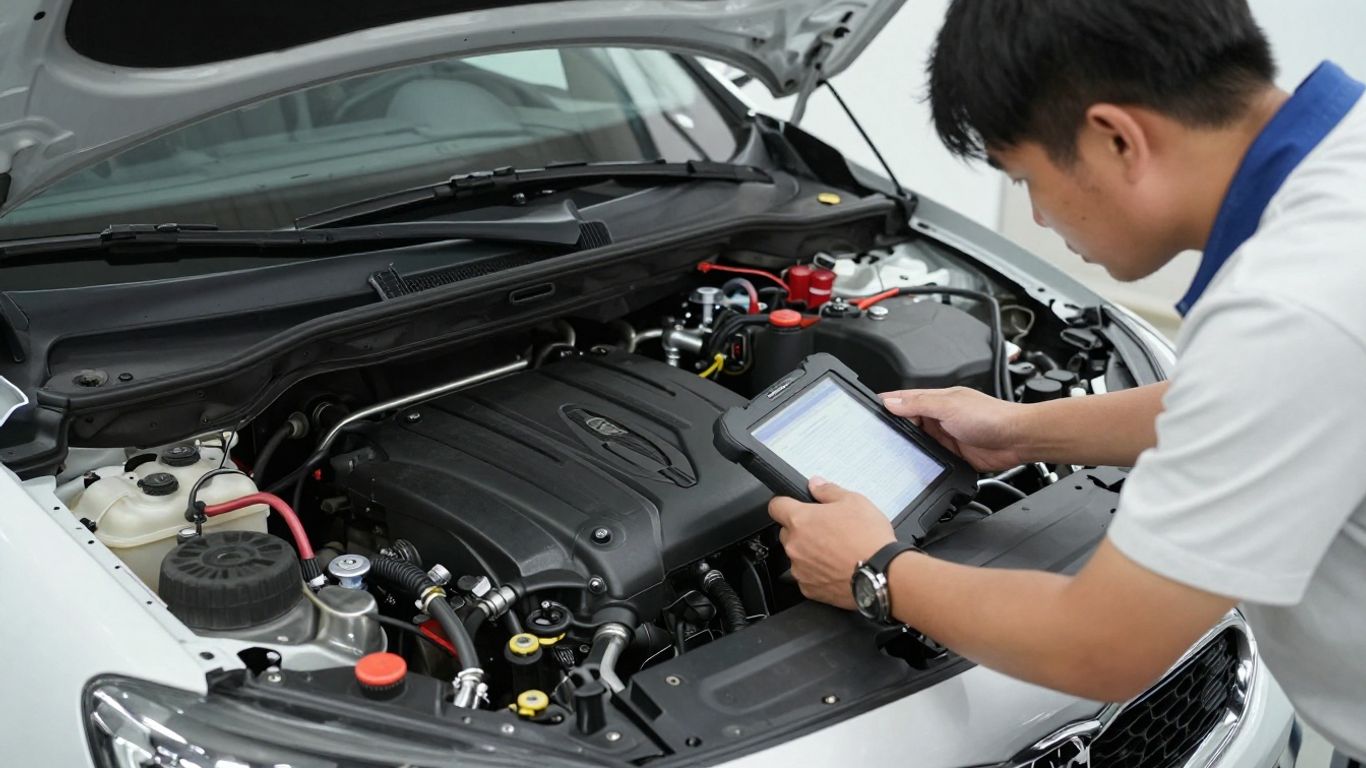
A warning light provides direction, not a complete answer. A scan tool may reveal a fault code related to a misfire, sensor signal, emissions system, or engine performance, but the code still needs to be interpreted alongside live data and physical inspection. Clearing the code before recording it can remove useful history.
Ask for the exact code, the conditions under which it was stored, and the tests used to confirm the diagnosis. If a light returns after being cleared, that recurrence is valuable evidence. It does not automatically prove that the first replaced component was defective.
Inspecting fluids, leaks, belts, and hoses
A visual inspection can reveal a surprising amount. The technician should check oil level and condition, coolant level and contamination, visible leaks, belt wear, hose swelling, loose connections, and signs of residue around the engine. Fresh fluid beneath the car should be identified by color, smell, and location rather than casually labeled as an engine leak.
These checks work best when paired with the owner’s observations. A fluid that appears normal on the dipstick does not rule out an internal problem, and a clean driveway does not rule out oil consumption. Some fluids may leak only when the engine is hot or under pressure.
Using professional diagnostic equipment
Modern engine diagnosis may involve a scan tool, compression or leak-down testing, fuel-pressure measurement, electrical testing, and cooling-system pressure testing. The correct equipment depends on the symptom. A technician should be able to explain why a particular test is being performed and what result would confirm or rule out a suspected fault.
Measured evidence matters most when several components could create the same complaint. It can prevent a chain of unnecessary parts replacements and clarify whether the issue is mechanical, electrical, or software-related. The final estimate should follow the diagnostic findings, not precede them.
Distinguishing engine faults from transmission or electrical problems
A hesitation may come from the engine, transmission, throttle control, or an electrical connection. A vibration may be caused by a misfire, a damaged mount, a driveline component, or a wheel issue. Even a no-start condition can result from a weak battery, starter circuit, fuel delivery, ignition, or engine-control problem.
The technician should reproduce the symptom and test systems in a logical order. Comparing engine speed, transmission behavior, battery voltage, and stored codes often separates these possibilities. Clear communication about exactly what the driver feels—rather than simply calling everything an engine problem—makes that process faster.
Kia car engine repair solutions
Repair should address the cause, not just quiet the symptom for a few days. Some solutions involve routine service or a relatively contained component, while others require internal engine inspection. The best path becomes clearer after the diagnosis establishes how the fault developed and whether related parts were affected.
Addressing oil consumption and lubrication issues
First determine whether oil is escaping externally, being burned internally, or being carried through a ventilation system. The inspection may include checking for seepage, reviewing service intervals, measuring consumption over time, and assessing engine condition. Low oil pressure or metal in the oil calls for a more serious evaluation than a minor gasket seep.
Use the oil grade and change interval specified for the vehicle. Topping up a low level may be necessary, but it is not a substitute for finding why the level fell. If internal wear is suspected, compression, leak-down, and other tests can help determine whether a component repair is sensible.
Repairing overheating and cooling-system faults
Overheating can result from low coolant, a leak, a thermostat, radiator restriction, a cooling fan, a water pump, or a damaged head gasket. The system should be inspected under safe conditions and pressure-tested where appropriate. Replacing a thermostat without checking for the reason coolant was lost can lead to a repeat failure.
Do not continue driving while the temperature warning is active or steam is visible. Let the engine cool before checking the system, and never remove a pressurized radiator cap while hot. Once the fault is repaired, the system should be filled and bled correctly, then checked for stable operating temperature.
Resolving misfires, rough idling, and stalling
Misfires can arise from spark plugs, ignition coils, injectors, air leaks, sensors, wiring, fuel pressure, compression, or timing. A useful repair process identifies which cylinder or operating condition is affected and then tests the relevant system. Stalling deserves extra care because the cause may be intermittent and difficult to reproduce.
Begin with the pattern: cold start, warm idle, acceleration, deceleration, or electrical load. Inspecting recent work is also worthwhile, since a loose connector or incorrectly routed hose can imitate a larger failure. Once the cause is repaired, confirm that the engine runs normally under the conditions that originally triggered the complaint.
Fixing timing, ignition, and fuel-delivery problems
Timing faults can involve the chain or belt system, tensioners, cam and crank signals, or mechanical alignment. Ignition repairs may involve plugs, coils, wiring, or control signals, while fuel-delivery work can include injectors, pumps, pressure regulators, or restricted filters. These systems interact, so a fault code should be supported by a test rather than treated as a parts order.
A repair estimate should state which component failed, what testing supports that conclusion, and whether related damage was found. After the work, the technician should verify starting, idle quality, acceleration, warning-light status, and—when relevant—fuel-trim or misfire data.
Choosing between repair and engine replacement
An engine replacement is not automatically the best response to a serious symptom. The decision depends on the location of the damage, the condition of the rest of the vehicle, and the total cost of restoring dependable transportation. A written inspection and a second opinion can be worthwhile when the proposed work is extensive.
Evaluating the severity and source of the damage
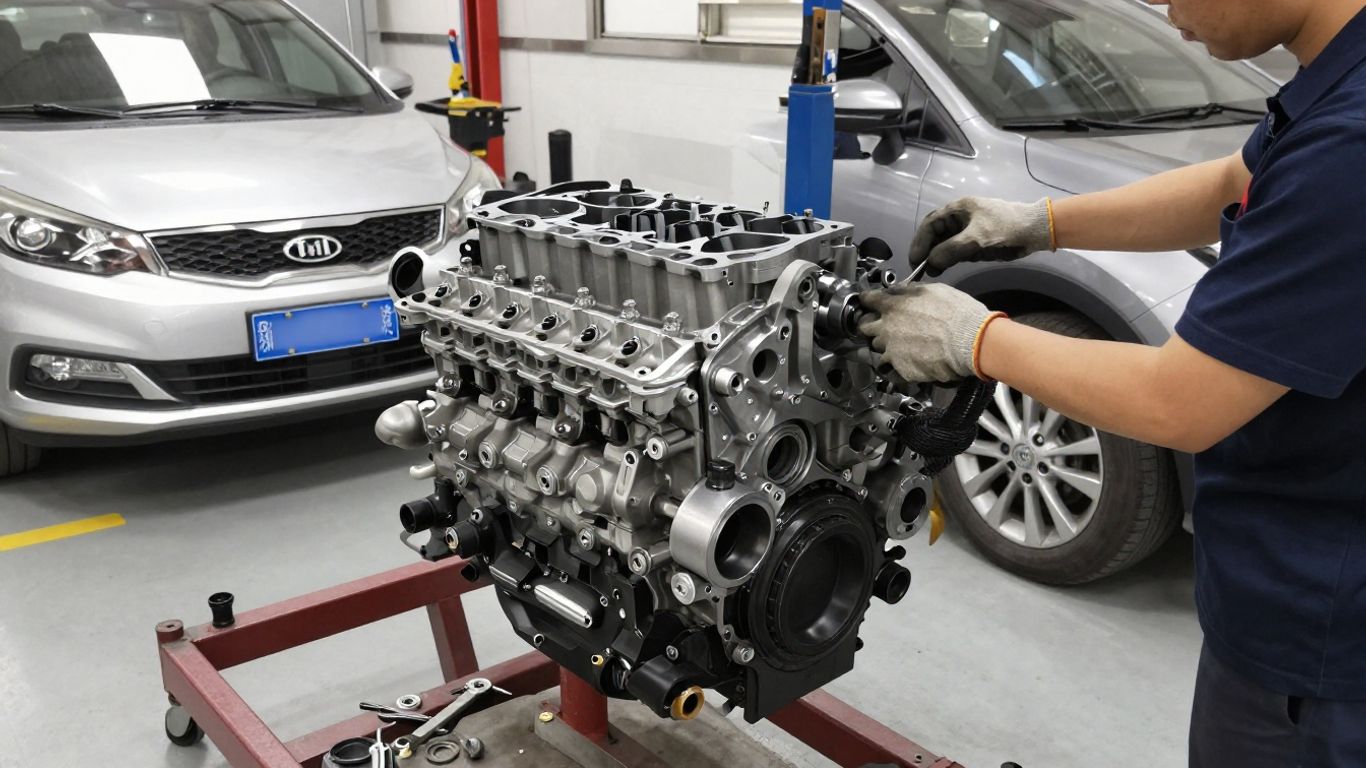
Ask whether the damage is limited to an external component or extends into the engine block, cylinder head, crankshaft, pistons, or bearings. Compression results, oil-pressure readings, metal contamination, overheating history, and the extent of disassembly may all affect the decision. An engine that has seized or suffered major internal damage is evaluated differently from one with a failed water pump or seal.
The estimate should separate confirmed damage from possible additional damage. That distinction matters because an engine opened for one repair may reveal related wear. Before approving work, clarify the maximum expected cost and the circumstances that would require further authorization.
Comparing rebuilt, remanufactured, and used engines
A used engine may have lower initial cost but less certain history. A rebuilt engine typically has selected components repaired or replaced, while a remanufactured unit is restored to defined specifications by a supplier. The labels alone do not establish quality; the included work, testing, source, mileage, and warranty are more useful measures.
Compare the full installation package rather than the bare engine price. Ask whether seals, fluids, filters, hoses, labor, programming, and related parts are included. Also confirm what happens if the replacement develops a problem and whether removal and reinstallation labor are covered.
Considering vehicle age, mileage, and resale value
A replacement may make sense when the vehicle has a sound transmission, body, suspension, and interior, and when its service history supports continued use. High mileage or several unresolved systems can change the calculation. The vehicle’s current value is relevant, but so are the cost and uncertainty of finding another dependable car.
Create a realistic total rather than comparing only engine prices. Include towing, diagnosis, rental transportation, taxes, fluids, and likely follow-up work. A modest repair can be sensible for an older car, while a replacement engine may be difficult to justify if other major systems are near the end of their service life.
Understanding warranty coverage and long-term reliability
Read the warranty terms before choosing an engine or repair. Check the duration, mileage limit, covered components, required maintenance, exclusions, geographic restrictions, and whether labor is included. Keep invoices and service records because warranty claims often depend on proof of correct installation and maintenance.
Reliability also depends on why the original engine failed. If overheating, poor lubrication, contaminated fuel, or a cooling-system fault caused the damage, those conditions must be corrected before installing another engine. Otherwise, the replacement may face the same environment as the first one.
Maintaining a Kia engine for better performance
Maintenance cannot prevent every engine failure, but it can catch developing problems and reduce avoidable wear. The useful approach is consistent rather than elaborate: follow the vehicle’s schedule, inspect levels, respond to changes, and use parts that meet the required specification. Records make future diagnosis easier as well.
Following the recommended service schedule
Use the owner’s manual or applicable service information to track oil changes, filters, spark plugs, belts, coolant service, and inspections. Intervals may differ by engine and driving pattern, so a generic schedule from another Kia model may not be appropriate. A missed service should be addressed without trying to compensate through guesswork.
Routine service is also an opportunity to report small changes. Mention new noises, longer cranking, reduced fuel economy, or a change in idle quality before they become a roadside failure. Technicians can then combine maintenance with targeted inspection.
Choosing the correct oil, filters, and replacement parts
The correct oil viscosity and specification matter, as do suitable air, oil, and fuel filters. Parts should match the vehicle’s engine and production details, especially when sensors, ignition components, gaskets, or emissions equipment are involved. The cheapest part is not necessarily the least expensive choice if it causes repeat labor.
Keep receipts and note the product specification used at each service. If a repair shop recommends a different fluid or part, ask why it is appropriate for the exact vehicle. Clear answers are a useful sign that the work is being matched to the car rather than performed from a generic checklist.
Monitoring coolant, oil level, and unusual engine behavior
Check oil and coolant as directed and on level ground, allowing the engine to reach a safe condition for the inspection. A falling level, new residue, repeated need to top up, or change in fluid appearance warrants investigation. Do not rely solely on a dashboard warning, since a warning may appear after a condition has already become significant.
It helps to monitor patterns rather than isolated events. Note the date, mileage, weather, driving conditions, and amount of fluid added. That simple record can distinguish normal variation from a developing leak or consumption problem.
Adapting maintenance to driving conditions and mileage
Frequent short trips, heavy traffic, dusty roads, steep grades, towing, extreme temperatures, and long periods of idling can place different demands on an engine. These conditions may call for closer attention to fluid condition, filters, cooling performance, and scheduled inspections. The owner’s manual remains the primary reference for the vehicle’s required service.
As mileage increases, inspect supporting systems as well as the engine itself. Mounts, hoses, belts, cooling components, electrical connections, and seals can affect engine behavior. Preventive replacement is most useful when based on condition and documented service requirements.
Estimating Kia engine repair costs
Engine repair prices vary widely because the same warning light can lead to a sensor replacement, a cooling-system repair, or internal engine work. A fair estimate explains the diagnostic basis, parts, labor, fluids, taxes, and possible additional findings. Comparing estimates is helpful only when each shop is quoting the same scope.
Main factors that affect labor and parts prices
Labor time, access to the failed part, engine configuration, parts source, machine work, and the need to remove related components all affect the total. A small part located behind several assemblies may cost more to replace than its price suggests. Internal repairs can also expand after disassembly reveals wear or contamination.
Request an itemized estimate with confirmed and possible work clearly separated. Ask whether the price includes testing, gaskets, fluids, disposal fees, programming, and post-repair verification. This makes a low initial quote easier to compare with a complete one.
Comparing dealership and independent repair shops
A dealership or independent shop may each be suitable depending on the vehicle, repair, technician experience, equipment, and warranty situation. Focus on the shop’s process and documentation rather than assuming one category is always better. Ask whether the technician regularly works on the relevant Kia engine and can explain the proposed tests.
A useful comparison includes the diagnostic method, parts warranty, labor warranty, expected completion time, and communication policy. The least expensive estimate may not offer the same parts, testing, or coverage, while the highest estimate is not automatically the most thorough.
Planning for diagnostic fees and unexpected damage
Diagnostic time is skilled labor and should be treated separately from the repair itself. Before authorizing testing, ask what it includes, whether the fee is applied to approved repairs, and when the shop will call with findings. If disassembly may be necessary, establish an approval limit before the work begins.
Keep a reserve for related damage, especially with overheating, severe oil loss, or a long-standing misfire. A careful shop should explain uncertainty rather than hide it inside a single unexplained total. Written updates help prevent surprises.
Identifying repairs that should not be delayed
Repairs involving oil pressure, overheating, flashing warning lights, severe misfires, fuel leaks, or sudden power loss deserve prompt attention. Delay can increase mechanical damage and may create a safety risk. Even when the vehicle still runs, continued operation may turn a contained repair into an engine replacement.
If immediate repair is not possible, ask whether the vehicle can be driven safely, for how far, and under what conditions. In some cases, towing is the responsible choice. A short conversation before driving can prevent a costly second failure.
Finding qualified Kia engine service
Choosing a repair facility is part of the repair decision. Look for a shop that documents its findings, explains options plainly, and is willing to distinguish confirmed facts from possibilities. A clean facility is helpful, but the quality of its diagnostic process and follow-through matters more.
Checking technician experience with Kia vehicles
Ask how often the technician works on the model, engine family, and type of symptom involved. Experience should include diagnosis, not only routine oil changes or bolt-on part replacement. A shop that can describe its testing sequence is easier to evaluate than one that offers a confident answer without inspection.
Bring the vehicle’s service history and a concise symptom timeline. Mention recent repairs, warning-light behavior, fluid additions, and driving conditions. These details can save time and reduce repeated testing.
Verifying certifications, warranties, and parts quality
Confirm the shop’s relevant certifications, warranty terms, and parts policies before authorizing work. Ask whether replacement parts are new, rebuilt, remanufactured, or used, and identify the supplier when possible. Warranty coverage should state both the time and mileage limits and whether labor is included.
Do not treat a warranty as a substitute for quality diagnosis. A replacement part can be covered and still be the wrong response if the original cause remains. The best documentation connects the recommended repair to observed evidence.
Preparing questions before approving repairs
A short list of questions can make a complicated estimate easier to understand:
- What test confirmed the failed component?
- Which repairs are required now, and which can wait?
- What related parts or damage were found?
- What is included in the quoted labor and warranty?
The answers should be specific enough for you to compare options. If the explanation changes from one conversation to the next, pause before approving major work and request a written diagnosis.
Reviewing inspection results and service documentation
Collect the diagnostic codes, test results, photographs when available, itemized estimate, parts information, and final invoice. The documentation should record the vehicle identification details, mileage, work performed, fluids used, and any recommended follow-up. Keep it with earlier maintenance records.
After the repair, confirm that the warning light is addressed and that the original symptom has been tested under similar conditions. A professional handover should also explain break-in requirements, fluid checks, return visits, and signs that would require immediate contact.
Conclusion
Kia car engine solutions are most effective when they combine prompt attention, accurate testing, appropriate repairs, and steady maintenance. Whether the answer is a minor component, a cooling-system repair, or a replacement engine, the decision should rest on evidence and the vehicle’s overall condition. Clear estimates and complete records help turn a stressful engine problem into a manageable repair plan.