
Key Takeaways
Choosing an Isuzu D-Max replacement engine takes more than matching the vehicle name. Confirm the engine identity, inspect its condition, and price the complete installation before committing.
- Match the engine code, displacement, generation, and drivetrain before buying.
- Compare used, rebuilt, and remanufactured options by total cost, not price alone.
- Request service history, donor details, testing information, and clear photographs.
- Include labor, fluids, seals, filters, shipping, and possible compatibility work in the budget.
- Use a careful installation plan and monitor the replacement engine after startup.
Understand Isuzu D-Max engine compatibility
An engine can look nearly identical to the one in your truck and still be the wrong replacement. Model year, engine family, turbo arrangement, emissions equipment, transmission, and drivetrain all affect fitment. Start with the details on your vehicle and compare them with the identification data supplied for the replacement.
Match the engine code and displacement
Find the engine code on the vehicle documentation, the existing engine, or a reliable workshop record. Displacement alone is not enough because engines with similar capacity may use different sensors, wiring, mounting points, or fuel systems. Ask the seller to confirm the complete code rather than accepting a description such as “D-Max diesel engine.”
Compare the advertised code with the code on the replacement itself, including prefixes and suffixes. If the seller cannot provide that information, treat the listing as unverified until a technician confirms compatibility.
Compare D-Max generations and model years
A D-Max from one generation may share a familiar engine family with a later truck while using different electronic controls or ancillary parts. Check the exact model year, body configuration, market, and factory specification. Imported vehicles can also differ from locally sold versions even when their badges and displacement appear the same.
The safest comparison uses the vehicle identification number, original engine code, and replacement engine code together. A supplier who asks for those details is reducing the chance of an expensive mismatch, not making the process unnecessarily difficult.
Check diesel, turbo, and emissions specifications
Confirm whether the replacement has the same diesel fuel system, turbocharger arrangement, exhaust equipment, and emissions specification as the original. These details influence air and fuel control, exhaust routing, sensor placement, and electronic communication. A bare long block may be suitable while the attached equipment is not, so clarify exactly what is being sold.
Do not assume that a physically similar turbocharger or intake assembly will work without changes. If the specification differs, have a qualified technician identify the required parts and any legal or inspection implications before purchase.
Verify transmission and drivetrain compatibility
The engine must work with the D-Max transmission, transfer case, wiring, mounts, and accessories already in the vehicle. Check bellhousing patterns, flywheel or flexplate arrangements, starter position, engine mounts, and front accessory clearance. Four-wheel-drive applications deserve extra care because surrounding driveline components leave less room for substitutions.
A written compatibility confirmation is useful, but it should be based on your vehicle details rather than a generic model search. Keep the confirmation with the invoice in case questions arise during installation.
Decide between used, rebuilt, and remanufactured engines
The right replacement depends on the truck’s condition, the urgency of the repair, and the evidence available for each engine. A used unit may be economical, while a rebuilt or remanufactured unit may offer a clearer mechanical baseline. Compare what is included, what has been tested, and what protection applies after delivery.
Benefits and limitations of a used engine
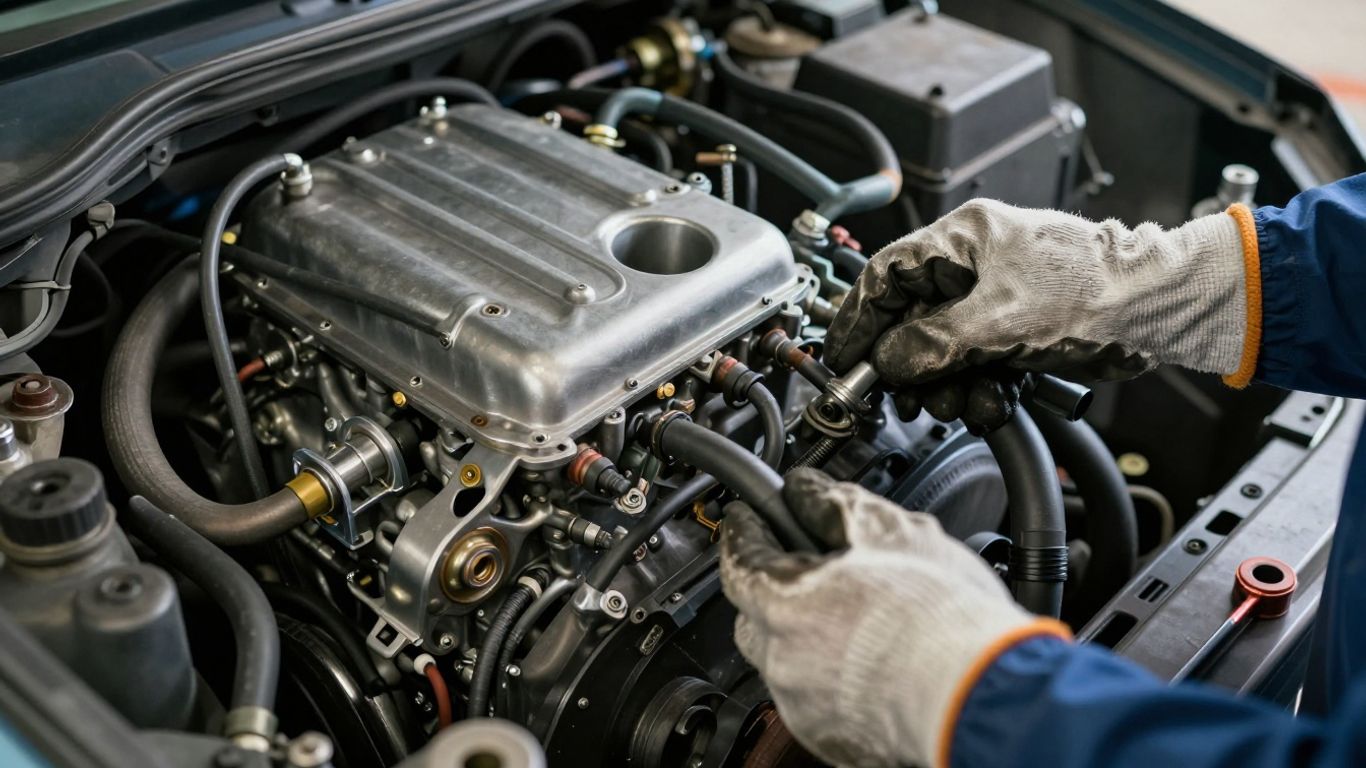
A used engine is usually removed from another vehicle and sold in its existing condition, sometimes with limited testing or a short warranty. Its main attraction is a lower purchase price and the possibility of retaining a factory-assembled unit. Its history, storage conditions, and previous maintenance may be less certain than those of a rebuilt engine.
Ask whether the mileage is documented, whether the donor vehicle ran before dismantling, and whether compression or leak tests were performed. A low asking price does not compensate for unknown history if the engine requires substantial work after installation.
When a rebuilt engine makes more sense
A rebuilt engine may be appropriate when the original unit has a repairable core and you want worn internal components inspected or replaced. The quality depends on the machine work, parts used, measurements recorded, and standards followed by the rebuilder. Request a written description of the work rather than relying on the word “rebuilt” alone.
This route can also make sense when compatible used engines are scarce or when your workshop wants a known internal condition. Compare the turnaround time with the time required to source, ship, and inspect a used engine.
What remanufactured engine warranties typically cover
Remanufactured warranties vary considerably, so read the actual terms before treating one as extra security. Check the duration, mileage limit, covered components, labor allowance, installation requirements, exclusions, and procedure for reporting a failure. Some warranties require approved fluids, documented installation, or registration soon after delivery.
A warranty may cover the replacement engine but not towing, diagnostic work, lost use, or related components that caused the failure. Get clarification in writing, especially if the engine is supplied without accessories.
Compare total cost beyond the purchase price
The purchase price is only one part of the decision. Shipping, core charges, workshop labor, fluids, seals, filters, belts, hoses, and replacement sensors can change the result. A simple comparison helps separate an apparently cheap engine from a genuinely economical repair.
| Option | Main advantage | Common uncertainty | Best comparison question |
|---|---|---|---|
| Used engine | Lower initial price | History and internal wear | What testing and records are supplied? |
| Rebuilt engine | Inspected or renewed internal parts | Quality of machine work and components | What work was completed and measured? |
| Remanufactured engine | Defined refurbishment process and warranty potential | Warranty limits and exclusions | What exactly does the warranty cover? |
After adding installation and warranty conditions, the best choice may not be the least expensive listing. Use the same cost categories for every option so the comparison reflects the repair you will actually undertake.
Inspect an Isuzu D-Max used engine before buying
Inspection information is valuable because a photograph rarely reveals internal wear or a poor storage history. Request evidence in stages: identify the engine, establish its background, check its condition, and confirm what parts arrive with it. If the seller will not answer basic questions, move slowly or look elsewhere.
Review mileage, service history, and donor vehicle details
Ask for the donor vehicle’s model year, mileage, transmission type, drivetrain, reason for dismantling, and location before removal if available. Service records, oil-change notes, and maintenance invoices can provide more useful context than a mileage claim alone. Confirm whether the mileage is recorded from the donor vehicle or estimated by the seller.
The donor details should align with the engine code and specification being advertised. Keep copies of the listing, messages, photographs, and invoice so the agreed description is clear.
Check compression, oil condition, and signs of wear
Compression results, where available, can reveal differences between cylinders and may point to valve, ring, or head problems. Ask how the test was performed and whether the results are supplied for every cylinder. Inspect the oil for abnormal debris or coolant contamination, while remembering that a drained engine may not show the full picture.
Also ask whether the crankshaft turns freely and whether the engine was tested before removal. These checks do not guarantee future performance, but they provide a more useful basis for judgment than a clean exterior.
Look for corrosion, leaks, cracks, and damaged components
Examine the block, cylinder head, sump, mounting areas, threaded holes, and coolant passages for cracks, impact damage, corrosion, or evidence of freezing. Look around seals and joints for oil or coolant residue. Surface dirt is ordinary on a removed engine; structural damage and neglected corrosion are different concerns.
Request close photographs of the areas that are hidden when the engine is installed. A clear view of the identification markings and damaged-looking sections can prevent an avoidable dispute.
Confirm whether accessories and ancillary parts are included
Clarify whether the engine includes the turbocharger, injectors, fuel system components, alternator, starter, compressor, manifolds, sensors, flywheel, clutch parts, and wiring. Sellers often use “engine” to mean a long block, while buyers may expect a complete assembly. The difference affects both fitment and the final budget.
Make a written inventory before payment. If you plan to transfer accessories from the failed engine, have a technician check whether they are compatible and worth reusing.
Find a reliable used engine supplier
Supplier quality is reflected in the information provided before the sale, not just in the appearance of an online listing. A dependable source should be able to identify the engine, explain its condition, state what is included, and describe the remedy if it arrives damaged or incompatible. Treat vague certainty as a warning sign.
Evaluate inventory descriptions and engine identification data
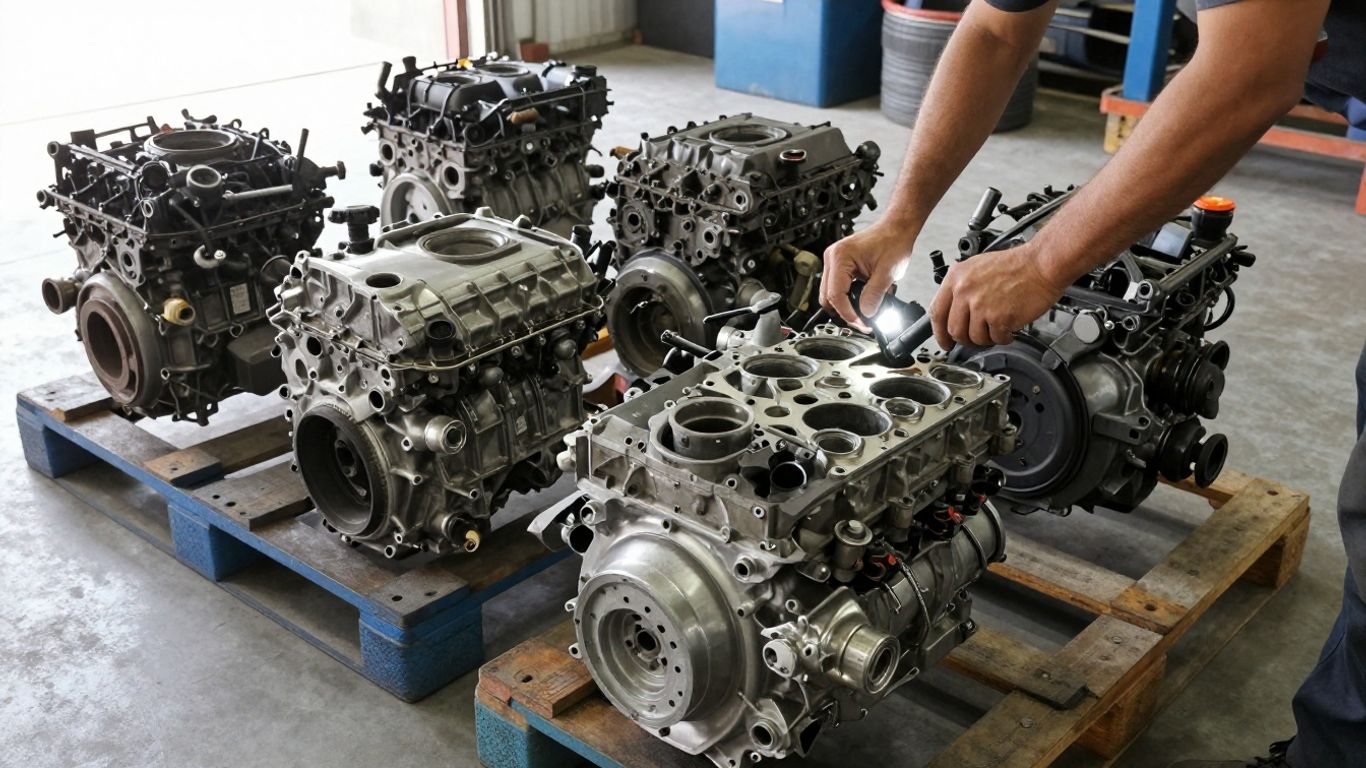
A useful listing names the engine code, displacement, donor details, mileage where known, condition, and included components. It should distinguish a complete engine from a long block or partial assembly. Compare those details with the markings on the photographs and ask about any discrepancy before placing an order.
The listing should also make the physical condition understandable. Stock photographs, missing identification images, and broad claims about universal fitment leave too much room for error.
Check warranties, return policies, and testing procedures
Read the warranty and return policy before paying, including the deadline for reporting damage, the required installation process, and who pays return shipping. Ask whether the engine was compression-tested, run-tested, inspected internally, or sold without mechanical testing. Each description carries a different level of risk.
A fair policy should explain what happens when the delivered engine does not match the agreed specification. Save the policy as it appeared when you ordered, since online wording can change.
Read customer reviews and verify business credentials
Reviews can reveal patterns in packaging, communication, accuracy of descriptions, and handling of problems. Give more weight to detailed, consistent feedback than to isolated ratings. Verify the business name, physical contact information, invoicing details, and any registration information relevant to your location.
A review cannot prove that a particular engine will suit your truck. It is one part of due diligence, alongside technical evidence and clear sales terms.
Ask for photos, inspection reports, and compatibility confirmation
Before purchase, request current photographs showing the identification code, mounting areas, major housings, and included accessories. If a test report exists, ask for the date, method, and readings rather than a general statement that the engine is “good.” Then provide your VIN, model year, engine code, transmission, and drivetrain for a written compatibility check.
This exchange creates a practical record of what was promised. It also gives you a final chance to notice an omitted component or a specification that does not match the truck.
Calculate the full replacement cost
A replacement estimate should cover the repair from delivery through road testing, not just the engine on the pallet. Costs vary with location, engine condition, access to parts, and workshop rates. Build the estimate before ordering so an attractive listing does not create an unfinished repair.
Estimate the engine purchase and shipping price
Start with the advertised engine price, then add shipping, insurance, taxes or duties where applicable, and any refundable core charge. Confirm the delivery method and whether the price includes lifting equipment or curbside delivery. Heavy parts can incur charges that are easy to miss in a short online quote.
Ask how the engine will be secured and protected from moisture or impact. Damage in transit is easier to resolve when the delivery condition is documented immediately.
Budget for labor, fluids, seals, and filters
Obtain a written labor estimate from the workshop performing the swap. Include coolant, engine oil, filters, gaskets, seals, belts, hoses, fasteners, and cleaning materials as appropriate. The estimate should allow for inspection of the old engine and time spent transferring components.
If the replacement is not a direct match, labor can increase quickly. A technician’s early review of the engine and vehicle can make the estimate more realistic.
Account for installation-related parts and modifications
Some installations require a different flywheel, clutch, mount, bracket, exhaust connection, sensor, hose, or wiring section. Do not assume these changes are minor until the replacement has been compared with the original on the workshop floor. Include diagnostic time and possible software or control-system work where the vehicle specification calls for it.
Keep a contingency for small parts and unexpected damage. It is usually cheaper to plan for uncertainty than to stop the installation while waiting for a single seal or connector.
Compare the replacement cost with the D-Max’s market value
Once the complete estimate is ready, compare it with the truck’s age, condition, mileage, service history, and current local value. Market value is only one consideration; a well-maintained truck with known history may justify more repair than one with several unrelated faults. Consider the likely cost of replacing the vehicle as well as the value of keeping familiar equipment.
Make the decision using the total repair figure, not the engine quote alone. That approach makes the trade-off clearer and reduces the temptation to choose an unsuitable bargain.
Plan the installation and post-installation checks
Good installation work protects the replacement engine and helps identify problems before they become expensive. Photograph connections during removal, label components, and compare the old and replacement engines before either is fitted. A careful handover between the supplier and workshop is part of the repair plan.
Prepare the vehicle before removing the old engine
Record diagnostic codes, fluid levels, symptoms, and any unusual noises before dismantling the failed engine. Disconnect the battery safely, drain fluids correctly, and inspect the engine bay for damaged wiring, mounts, hoses, and cooling components. Determine why the original engine failed so the same cause does not damage the replacement.
Clean the mounting and connection areas while access is available. Confirm that the replacement engine is present and matches the agreed specification before the old unit is removed.
Replace related wear parts during installation
Access is often easiest when the engine is outside the vehicle. Have the workshop inspect or replace accessible seals, belts, hoses, filters, thermostat components, clutch parts, and other wear items according to condition and service requirements. Reusing every old ancillary part can undermine the value of the replacement.
The work should remain evidence-based rather than becoming an automatic parts list. Replace components that are worn, contaminated, damaged, or difficult to reach later.
Confirm ECU, wiring, and sensor compatibility
Before first startup, compare connectors, sensors, grounds, brackets, and wiring with the vehicle’s original configuration. Confirm that the engine control system can communicate correctly and that the installed accessories match the vehicle’s specification. Any required programming or diagnostic procedure should be agreed with the workshop in advance.
Do not force a connector or bypass a warning simply to get the engine running. A mismatch found during assembly is safer and less costly to resolve than one discovered after repeated fault codes.
Break in the replacement engine and monitor performance
Follow the supplier’s written instructions for initial operation, especially if the engine is rebuilt or remanufactured. Check fluid levels and leaks before starting, allow the workshop to verify operating temperature, and use a staged road test. Record warning lights, smoke, unusual vibration, oil pressure information where available, and coolant behavior.
For the first period of driving, inspect the vehicle regularly and keep all invoices and test notes. Early documentation helps the workshop diagnose a problem and supports any warranty process if a fault appears.
Conclusion
An Isuzu D-Max used engine can be a sensible repair when its identity, condition, compatibility, warranty, and complete installed cost are all clear. Take time to compare the engine with the truck, ask for evidence, and involve a qualified technician before ordering. A careful purchase and installation plan gives the replacement the best chance of delivering dependable service.