
Key Takeaways
A suitable replacement starts with exact identification, not a guess based on appearance. Compare the engine’s condition, coverage, delivery terms, and complete installation cost before you buy.
- Confirm the Corolla’s model year, generation, engine code, and VIN details.
- Compare used, rebuilt, and remanufactured engines by condition and expected life.
- Read mileage, testing information, warranty language, and return terms carefully.
- Budget for labor, fluids, seals, shipping, taxes, and possible core charges.
- Inspect the engine before installation and follow the seller’s warranty requirements.
Understand your Toyota Corolla’s engine requirements
Finding a Toyota Corolla engine for sale is only the first step. Corolla engines can vary by model year, trim, fuel system, transmission pairing, and market, so a listing that looks close may still be wrong for your car. Gather the vehicle’s identifying information before requesting prices. That small amount of preparation can prevent an expensive mismatch.
Identify the model year and generation
Start with the model year, then verify the generation and body style. A Corolla may share a familiar name across many years while using different mounting points, sensors, wiring, emissions equipment, or control modules. Registration documents can provide the year, but the vehicle itself and its service records may clarify whether it has received a previous engine swap.
Ask the seller to confirm fitment for the exact year rather than accepting a broad range in an advertisement. If the car is a special trim or was imported, mention that before purchasing. The more specific the initial request, the less likely you are to receive a generic answer.
Match the engine size and configuration
Check the displacement, cylinder count, fuel type, and aspiration. Two engines with the same displacement may differ in intake equipment, variable-valve hardware, sensors, or calibration. Also confirm whether the replacement is supplied as a long block, complete engine, or a unit that requires transfer of your existing accessories and manifolds.
The transmission and drivetrain can affect the practical fit as well. A technician can compare the original engine’s external components and mounting arrangement with the proposed replacement before money changes hands. Exact configuration matters more than a tempting low price.
Check the vehicle identification number
Use the VIN as a second layer of verification. The VIN can help identify the production year and factory configuration, while the engine code stamped on the block or recorded in service paperwork can narrow the search further. Give the seller the complete VIN through a secure channel and ask what part of it they used to verify compatibility.
Do not rely on a single digit copied from memory. Compare the VIN on the dashboard, door label, and registration, and tell the seller if any information conflicts. A discrepancy deserves investigation before an order is placed.
Compare gasoline, hybrid, and specialty applications
Determine whether your Corolla uses a conventional gasoline engine, a hybrid powertrain, or a less common market-specific configuration. Hybrid systems include components and operating requirements that are not interchangeable with a conventional gasoline engine simply because the vehicle name is the same. Specialty applications may also have different emissions or electronic controls.
Have a qualified technician identify the failed component first. Sometimes the problem is an accessory, wiring fault, cooling issue, or control system rather than the complete engine. That diagnosis can change both the part you need and the sensible repair budget.
Decide between used, rebuilt, and remanufactured engines
The right replacement type depends on how long you plan to keep the Corolla, how much uncertainty you can accept, and what the seller can document. A lower purchase price does not automatically mean lower ownership cost. Condition and coverage deserve as much attention as the label on the listing.
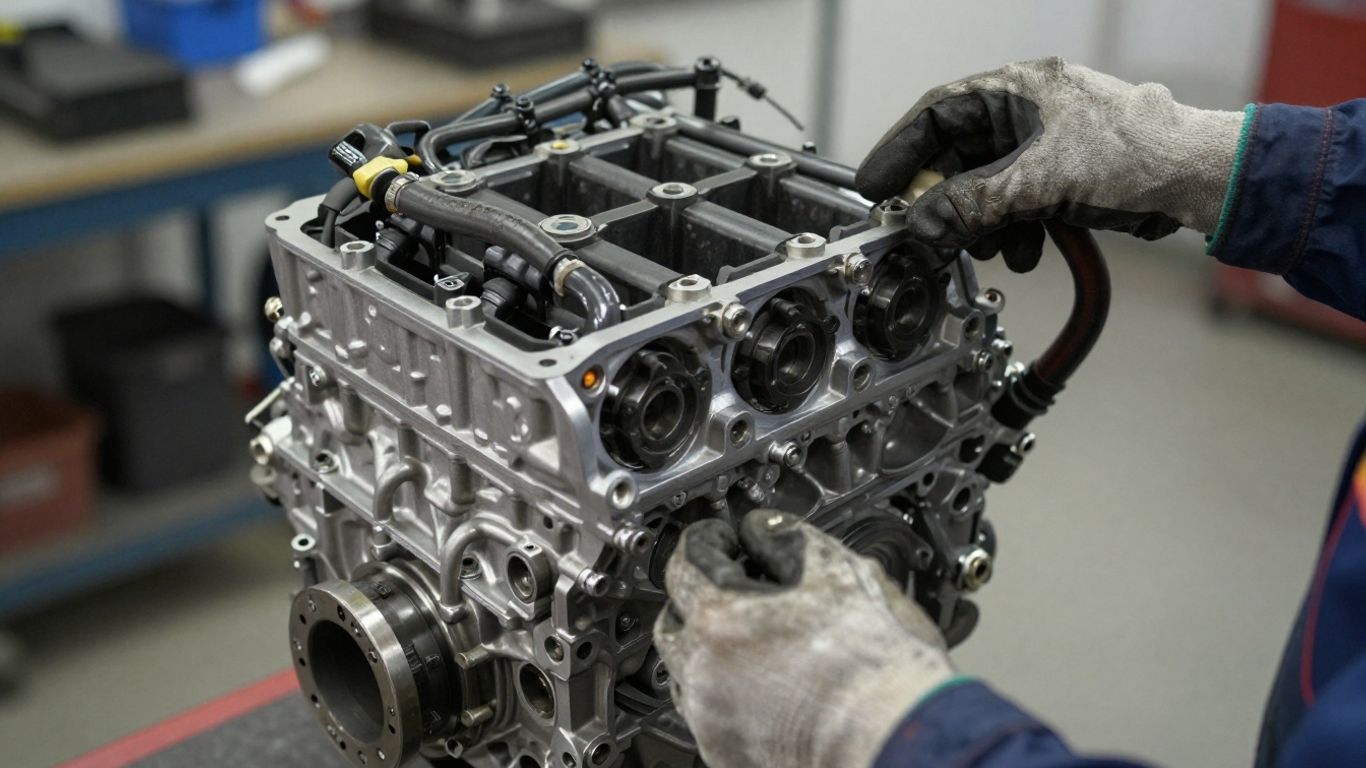
A careful comparison should account for what is included, what has been measured, and which parts remain your responsibility. Read the description as a contract for expectations, not as a promise that every related component is new.
When a used engine offers the best value
A used engine may make sense when the vehicle is older, the rest of the car is in good shape, and the seller can document the donor vehicle and mileage. It can also be a practical choice when you need a factory configuration without paying for extensive internal refurbishment. However, mileage alone says little about maintenance history or storage conditions.
Ask whether the engine is sold as a complete assembly or as a partial unit. Clarify which accessories, sensors, covers, and manifolds are included, because transferring old parts can add labor and introduce new failure points. A written warranty is especially useful when the internal condition cannot be fully observed before installation.
How rebuilt engines differ from remanufactured units
“Rebuilt” and “remanufactured” are not interchangeable labels in every marketplace, so ask for the seller’s actual process. A rebuilt unit may have selected worn parts replaced after inspection, while a remanufactured unit is generally presented as having undergone a more defined restoration process. The meaningful question is which components were inspected, machined, replaced, or tested.
Request an itemized description rather than relying on marketing language. Find out whether the block and cylinder head were measured, whether bearings and seals were replaced, and whether the final assembly received a documented test. The answer should be specific enough for your technician to evaluate.
Assess mileage, testing, and internal components
For a used engine, ask how mileage was established and whether it came from a running vehicle. For a rebuilt or remanufactured unit, ask what testing was completed and which internal components are new. Compression results, leak-down information, oil-pressure checks, and inspection records can provide useful evidence when they are tied to the actual engine being sold.
Be cautious when a seller offers only broad assurances. A photograph of a clean exterior does not confirm internal condition, and a generic test sheet may not identify the unit. Match any serial, stock, or inventory number on the paperwork to the listing and shipping documents.
Weigh upfront cost against expected service life
A cheaper used engine can be sensible if the risk is understood and the warranty is adequate. A more thoroughly restored unit may cost more initially but reduce the chance of paying twice for removal and installation. Compare the complete financial exposure, including the consequences of a failure outside the warranty window.
Think about the Corolla’s remaining value and your likely ownership period. If you expect to keep it for several years, documented internal work and stronger coverage may justify a higher price. If you plan to sell soon, avoid spending beyond what the vehicle’s condition can reasonably support.
Evaluate Toyota Corolla engine listings
Online listings often compress important details into a few lines. Treat the listing as a starting point, then verify every detail that affects fitment, condition, and cost. A seller who answers clear questions directly is easier to work with if a delivery or installation issue later appears.
Review compatibility details and engine codes
Look for the engine code, displacement, model-year range, transmission application, and VIN notes. Confirm whether the listed range applies to every trim or only selected configurations. If the listing does not show an engine code, ask for a clear photograph or written identification before ordering.
Also determine whether the engine is drop-in ready or requires parts from your original unit. “Complete” can mean different things to different sellers. Have your technician compare the listing with the failed engine and identify any components that must be transferred.
Confirm mileage, warranty, and return terms
Mileage should appear alongside the source of the engine and the basis for the claim. Read the warranty for its duration, covered components, installation deadline, labor exclusions, shipping exclusions, and required maintenance. Return terms matter just as much, particularly if the part arrives incompatible or damaged.
Save the listing, messages, invoice, and warranty before payment. If a verbal promise is not reflected in the written terms, ask for clarification. Written coverage beats assumptions when a costly part is involved.
Look for compression testing and inspection records
Inspection records are more useful when they identify the engine and show what was actually checked. Ask whether compression was measured across all cylinders, whether leaks or unusual noises were found, and whether the oil and coolant were inspected for contamination. A seller may not have every test, but should explain what evidence is available.
Use the records to form follow-up questions, not to avoid a professional inspection. Your technician can spot external damage, missing fittings, corrosion, or incompatibility that a listing photograph does not reveal. If the seller refuses reasonable verification, treat that as a purchasing risk.
Recognize warning signs in online advertisements
Vague fitment language, unusually low pricing, stock photos, and missing warranty details all deserve closer examination. So do claims that describe an engine as “perfect” without mileage, testing, source, or component information. Pressure to pay quickly can also prevent you from checking the VIN and installation requirements.
A credible listing does not need to hide behind dramatic language. It should make the engine’s identity, condition, included parts, and commercial terms understandable. When those basics are absent, keep searching rather than trying to fill the gaps yourself.
Estimate the total replacement cost
The advertised engine price is only one line in the repair estimate. Installation may require fluids, seals, filters, belts, hoses, sensors, fasteners, or accessory work, depending on what is transferred from the original engine. Build the estimate before choosing a seller so a seemingly inexpensive unit can be compared fairly with a better-documented alternative.
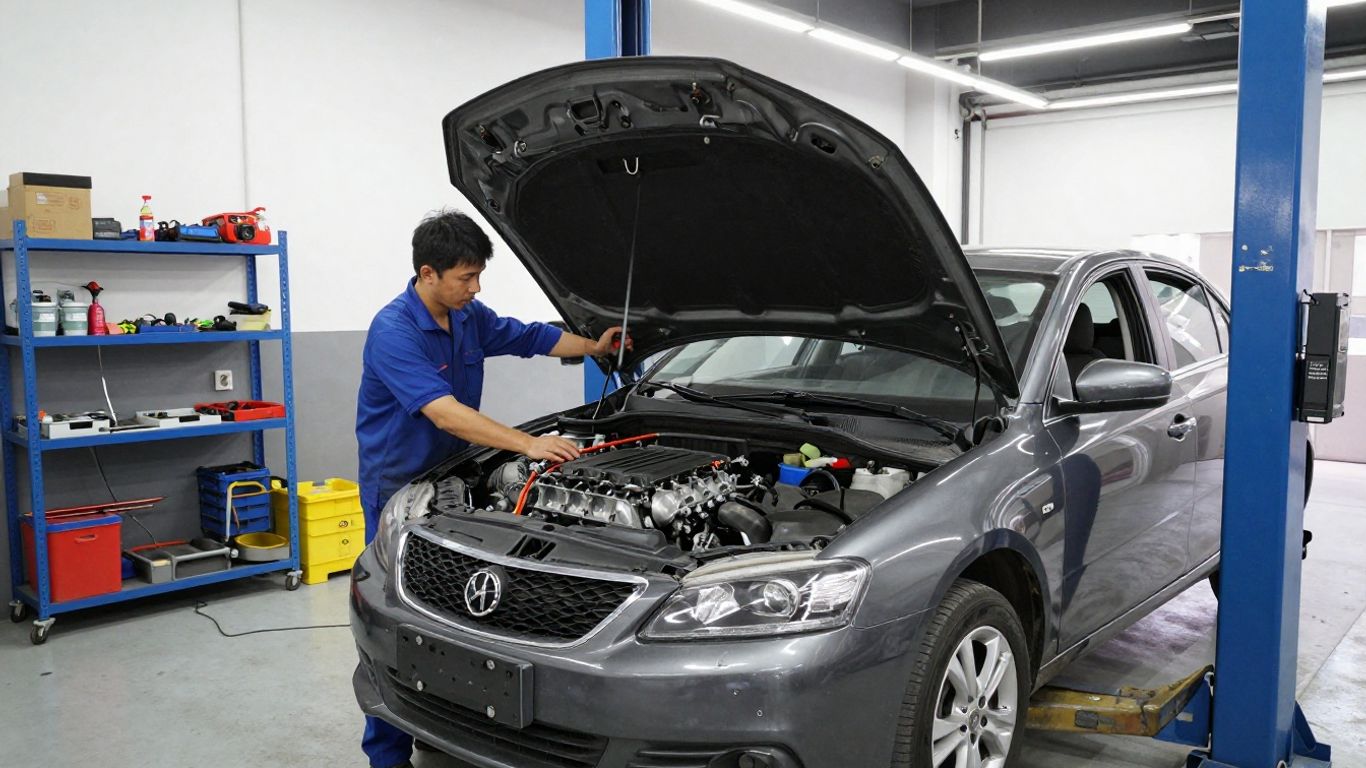
A written estimate from the installer is useful because it separates the engine from labor and related parts. It also gives you a practical basis for deciding whether the car deserves the repair.
Compare engine prices from different sellers
Collect several comparable quotes rather than comparing a bare long block with a complete assembly. Record the engine type, stated mileage, included parts, warranty, shipping method, and expected delivery date. A quote that costs slightly more may include testing or coverage that another seller leaves out.
Use the same questions for each seller. This keeps the comparison from being driven by headline price alone and reveals where one quote has simply moved costs into installation or additional parts.
Include labor, fluids, seals, and related parts
Ask the technician what should be replaced while the engine is accessible. Fresh oil and coolant are basic considerations, but seals, filters, spark plugs, belts, hoses, mounts, and other wear items may also affect the estimate. The exact list depends on the engine supplied and the condition of the vehicle.
A useful estimate separates required work from recommended preventive work. Discuss both categories openly so you can make a deliberate choice rather than approve unexpected additions during the swap. The goal is not to replace everything automatically; it is to avoid ignoring an inexpensive item that would be difficult to reach later.
Account for shipping, core charges, and taxes
Freight delivery can vary with distance, address type, liftgate service, and whether the engine is crated. Confirm the shipping charge, inspection window, and responsibility for unloading before placing the order. Ask whether a refundable core charge applies and what condition your old engine must be in for the refund.
Taxes and shop storage fees can also change the final total. Put every known charge into the written calculation, then leave room for minor fittings or damaged transferred parts. A complete number is much more useful than a low advertised starting point.
Calculate whether replacement is better than selling the car
Compare the complete repair estimate with the Corolla’s current condition and realistic replacement cost. Consider tires, transmission health, rust, electronics, suspension, and upcoming maintenance rather than judging the engine in isolation. A sound body and well-maintained interior can make an engine replacement more reasonable than buying another used car with unknown problems.
If the repair approaches the vehicle’s market value, get a second opinion before proceeding. The financial decision is personal, but it should be based on documented costs and the car’s expected usefulness. Do not forget the time and transaction costs involved in replacing the vehicle.
Choose a reliable Toyota Corolla engine seller
Seller quality affects more than the chance of receiving the correct engine. It also affects how clearly the unit is identified, how damage is handled, and whether warranty instructions are practical. Look for transparent answers and consistent written terms rather than polished claims alone.
Verify business credentials and customer feedback
Check the seller’s business identity, physical contact information, policies, and history of handling engine orders. Customer feedback is most useful when it discusses fitment, packaging, communication, and warranty resolution instead of simply praising fast shipping. Look for patterns across multiple sources and time periods.
Ask direct questions by email or phone and save the responses. A reliable seller should be willing to explain the engine’s source, condition, included components, and process for resolving a problem. Evasive answers are a reason to pause.
Compare dealer, recycler, and marketplace options
Dealers, recyclers, and online marketplaces can each offer different combinations of price, selection, documentation, and support. The category itself does not guarantee quality. Compare the actual seller behind the listing and the specific terms attached to the engine you are considering.
Pay attention to who owns the inventory, who issues the invoice, and who handles the warranty claim. A marketplace may connect you with a seller, but your practical remedy depends on the written agreement and the seller’s response. Keep those responsibilities clear before payment.
Ask what the warranty specifically covers
Ask whether coverage applies only to internal moving parts or also includes external components, labor, diagnostics, fluids, towing, and shipping. Confirm the installation deadline, required technician qualifications, maintenance records, and prohibited modifications. Some warranties require pre-approval before a replacement or repair is authorized.
Have the warranty reviewed by the installer if possible. A technician can identify requirements that are easy to miss, such as replacing a filter, recording fluid service, or avoiding disassembly before the seller approves an inspection. A warranty has value only if its conditions are workable.
Confirm delivery condition and damage procedures
Before delivery, learn how the engine will be packaged and what you must inspect. Photograph the crate, pallet, wrapping, labels, and engine from several angles before signing or discarding materials. Note visible damage on the delivery paperwork and contact the seller promptly if anything appears wrong.
Do not install a visibly damaged or incorrect engine while waiting for informal advice. Keep the packaging and all documents until fitment and condition are confirmed. Following the seller’s stated procedure can protect your ability to request a remedy.
Prepare for installation and long-term reliability
A replacement engine is not finished when it arrives at the shop. The installation is an opportunity to verify the part, refresh accessible wear items, and establish a maintenance record. Good preparation also helps preserve warranty coverage and makes later troubleshooting less confusing.
Inspect the replacement engine before installation
Compare the delivered engine with the invoice, photographs, engine code, and VIN-related fitment information before removing protective materials. Look for cracked housings, bent fittings, broken connectors, corrosion, fluid leaks, and missing accessories. Have the technician document discrepancies immediately.
If the engine is not what was ordered, stop before installation. Installing an incorrect part can complicate a return and make it harder to show that the problem existed at delivery. A short inspection is far cheaper than an avoidable removal.
Replace wear items while the engine is accessible
Discuss accessible seals, filters, plugs, belts, hoses, mounts, and fluids with the technician. Some parts may be in excellent condition and worth reusing, while others are inexpensive compared with the labor required to reach them after installation. The decision should reflect the engine’s age, mileage, and documented work.
Use compatible parts and record what was replaced. This creates a baseline for future maintenance and may be required by the warranty. It also reduces uncertainty when the car returns for its first service after the swap.
Use a qualified technician for the swap
Choose a technician familiar with the Corolla’s generation and the engine’s configuration. The shop should be comfortable checking clearances, transferring required components, filling fluids correctly, and completing post-installation diagnostics. Ask for a written labor estimate and a clear explanation of what the engine warranty requires.
A qualified installer can also identify problems outside the engine that contributed to the original failure. Cooling, lubrication, electrical, and fuel-system issues should not be overlooked. Solving the underlying cause is part of making the replacement worthwhile.
Follow break-in, maintenance, and warranty requirements
Follow the seller’s written instructions for initial operation, fluid checks, service intervals, and warranty registration. Keep invoices, test results, photographs, and maintenance records together. If a warning light, leak, unusual noise, or overheating appears, stop driving when safe and contact the technician and seller promptly.
Do not modify or disassemble the engine before understanding the warranty procedure. Early documentation gives everyone a clearer account of what happened and when. With careful monitoring during the first services, a replacement can become a dependable part of the Corolla rather than another source of uncertainty.
Conclusion
Choosing a Toyota Corolla replacement engine is a process of verification: identify the exact application, compare the evidence behind each engine type, calculate the full repair cost, and read the seller’s terms before ordering. A patient comparison may take longer than clicking on the cheapest listing, but it gives you a much better chance of receiving the right engine and keeping the repair financially sensible.